Rejected Belly Button Piercing: Signs, Causes, What To Do
Understanding why your body rejects a navel piercing, signs to watch for, prevention tips, and safe aftercare practices for healing.
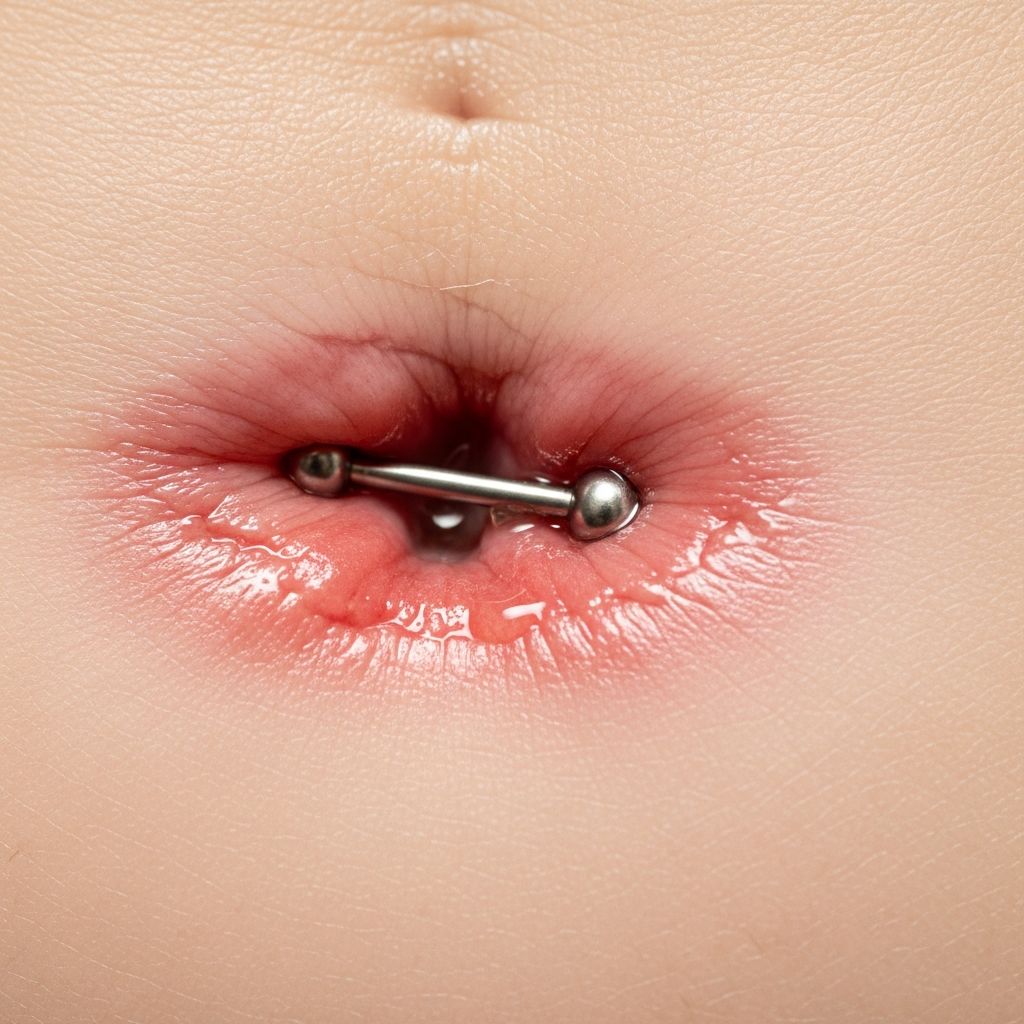
Belly button piercings, also known as navel piercings, are popular for their aesthetic appeal but rank among the body piercings most prone to rejection. Rejection occurs when the body recognizes the jewelry as a foreign object and pushes it out, similar to expelling a splinter. This process involves migration, where the jewelry moves toward the skin surface, followed by ejection.
What Is Piercing Rejection?
Piercing rejection is the immune system’s response to foreign materials, treating the jewelry like an invader. In navel piercings, the flat surface and taut skin around the belly button increase pressure on the piercing, making rejection more likely. Surface piercings like navels travel along the skin rather than deeply through tissue, heightening this risk.
Genetics play a role; some individuals heal piercings differently due to immune variations. Tight skin or flat areas exacerbate the issue by putting constant pressure on the jewelry.
Signs Your Belly Button Piercing Is Being Rejected
- Thinning or tightening skin around the piercing site or above the jewelry, indicating the body is pushing it out.
- Migration: Jewelry appears closer to the skin surface, sometimes visibly protruding.
- Redness, swelling, or discomfort without infection signs like pus; persistent irritation signals rejection.
- Jewelry loosening or moving easily, as the fistula (piercing channel) shortens.
- Scarring: Keloid or hypertrophic scars forming around the site.
Early detection is crucial. If ignored, rejection can lead to tearing, infection, or permanent scarring.
Causes of Belly Button Piercing Rejection
Several factors contribute to navel piercing rejection:
- Improper jewelry size: The barbell must be 7/16 inch (11mm) initially to accommodate swelling; too short a bar causes embedding and rejection.
- Allergic reactions: Nickel in low-quality jewelry triggers inflammation, leading to rejection. Opt for titanium or 14k gold.
- Incorrect piercing technique: Use a 14G (1.6mm) needle with 5/16 inch (8mm) tissue between holes for proper placement.
- Location and skin type: Flat, taut abdominal skin increases rejection risk.
- Body changes: Weight fluctuations, pregnancy, or illness stress the piercing.
| Cause | Risk Level | Prevention |
|---|---|---|
| Wrong jewelry size | High | Use 7/16″ barbell initially |
| Nickel allergy | High | Choose implant-grade titanium |
| Taut skin | Medium | Select experienced piercer |
| Body changes | Medium | Wait post-pregnancy |
Complications Beyond Rejection
Rejection isn’t the only risk. Navel piercings are infection-prone due to their crevice-like shape trapping bacteria. Non-sterile needles risk hepatitis or tetanus. Tearing from snagging clothing requires stitches, while nickel allergies cause dermatitis. Keloids—thick, raised scars—may form, especially in prone individuals.
Piercings in flat areas like the chest often migrate fully.
Who Should Not Get a Belly Button Piercing?
Certain conditions contraindicate navel piercings:
- Diabetes: Impaired healing increases infection risk.
- Hemophilia or blood disorders: Excessive bleeding.
- Autoimmune disorders: Altered immune response hinders healing.
- Heart conditions: Infection risks like endocarditis.
- Skin issues (rashes, sores, moles) around the navel.
- Pregnancy or obesity: Movement causes migration/scarring.
Related Stories



Consult a doctor first. Active lifestyles with abdominal trauma prolong healing.
Belly Button Piercing and Pregnancy
Avoid new piercings during pregnancy; immune changes and aftercare challenges raise infection risks like HIV or hepatitis (rare with sterile tools). Existing healed piercings can stay if comfortable, but growing bellies cause migration—switch to flexible bars.
Skip “pregnancy jewelry”; use safe materials only. Holes may close without jewelry, so consult a piercer. Post-delivery, wait 3+ months for immune recovery; infant contact risks irritation.
Pregnancy may reject abdominal piercings, causing tears/scars.
Outie Belly Button Piercing
True outies (protruding scar tissue from umbilical cord) cannot be safely pierced—risks include infection spread via blood vessels and poor healing. Innie navels pierce only surface skin safely.
Do You Need a Flat Stomach for a Belly Button Piercing?
No, piercings suit all body types. Loose skin may cause friction; seek piercers experienced with diverse anatomies. Avoid body-shaming—focus on professional placement.
How to Prevent Belly Button Piercing Rejection
- Choose APP-certified piercers using sterile 14G needles.
- Select implant-grade titanium jewelry, sized correctly.
- Maintain aftercare: Clean twice daily with saline, avoid pools/sweat.
- Avoid trauma: No tight clothes or sports initially.
- Monitor for allergies; test metals if sensitive.
What to Do If Your Piercing Is Rejected
Don’t bandage—let it heal naturally. Remove jewelry promptly to avoid embedding. Clean with saline; expect minor scarring, worse in keloid-prone skin. Future piercings in the area may fail. See a piercer or doctor for severe cases.
Frequently Asked Questions (FAQs)
What causes the most belly button piercing rejections?
Wrong jewelry size (too short), metal allergies, and taut skin are primary culprits.
Can I pierce an outie belly button?
No, outies are scar tissue with high infection and rejection risks.
Is belly button piercing safe during pregnancy?
No new piercings; existing ones may migrate—consult professionals.
How long after pregnancy can I get a navel piercing?
Wait at least 3 months for immune normalization.
Do I need a flat stomach for a piercing?
No, experienced piercers handle all body types effectively.
How to treat rejection at home?
Remove jewelry, clean with saline, and monitor; seek pro help if infected.
This comprehensive guide empowers informed decisions on navel piercings. Prioritize safety with reputable professionals and proper care for best outcomes.
References
- Belly Button Piercing and Your Health — WebMD. 2023-10-15. https://www.webmd.com/beauty/belly-button-piercing
- Piercing Rejection: Signs, Prevention, Treatment, Pictures, and More — Healthline. 2023-05-20. https://www.healthline.com/health/piercing-rejection
- How to Tell (And What to do) If Your Body Is Rejecting A Piercing? — Pierced.co. 2024-02-10. https://pierced.co/blogs/all/rejected-piercing-guide
- Piercing rejection: Signs, prevention, and how to stop it — Medical News Today. 2023-08-12. https://www.medicalnewstoday.com/articles/321770
- Body Piercing: Medical Concerns with Cutting-Edge Fashion — PMC (NCBI). 2002-03-15. https://pmc.ncbi.nlm.nih.gov/articles/PMC1496593/
- 10 Dos and Don’ts Before You Get Your Body Pierced — Banner Health. 2024-01-08. https://www.bannerhealth.com/healthcareblog/advise-me/body-piercings-heres-everything-you-should-know
- How To Treat an Infected Belly Button Piercing — Cleveland Clinic. 2023-11-05. https://health.clevelandclinic.org/infected-belly-button-piercing
Similar Articles








Read full bio of medha deb