Relapsing-Remitting Multiple Sclerosis: Types, Symptoms & Treatment
Understanding RRMS: Symptoms, causes, and management strategies for relapsing-remitting MS.
Understanding Relapsing-Remitting Multiple Sclerosis (RRMS)
Relapsing-remitting multiple sclerosis (RRMS) is the most common form of multiple sclerosis, affecting approximately 85% of patients at the time of initial diagnosis. RRMS is characterized by a distinctive pattern of symptom flare-ups, known as relapses or exacerbations, followed by periods of partial or complete recovery called remission. Unlike progressive forms of multiple sclerosis, RRMS creates a predictable cycle where patients experience new or worsening neurological symptoms that eventually improve, often returning to baseline function or near-baseline function.
This neurological autoimmune condition occurs when the body’s immune system mistakenly attacks myelin, the protective covering around nerves in the brain and spinal cord. As the immune system breaks down this crucial protective layer, nerve cells stop functioning correctly and cannot transmit signals properly throughout the nervous system. Understanding RRMS is essential for patients and healthcare providers to recognize symptoms early, initiate appropriate treatment, and implement lifestyle modifications to manage the disease effectively.
What Happens During a Relapse
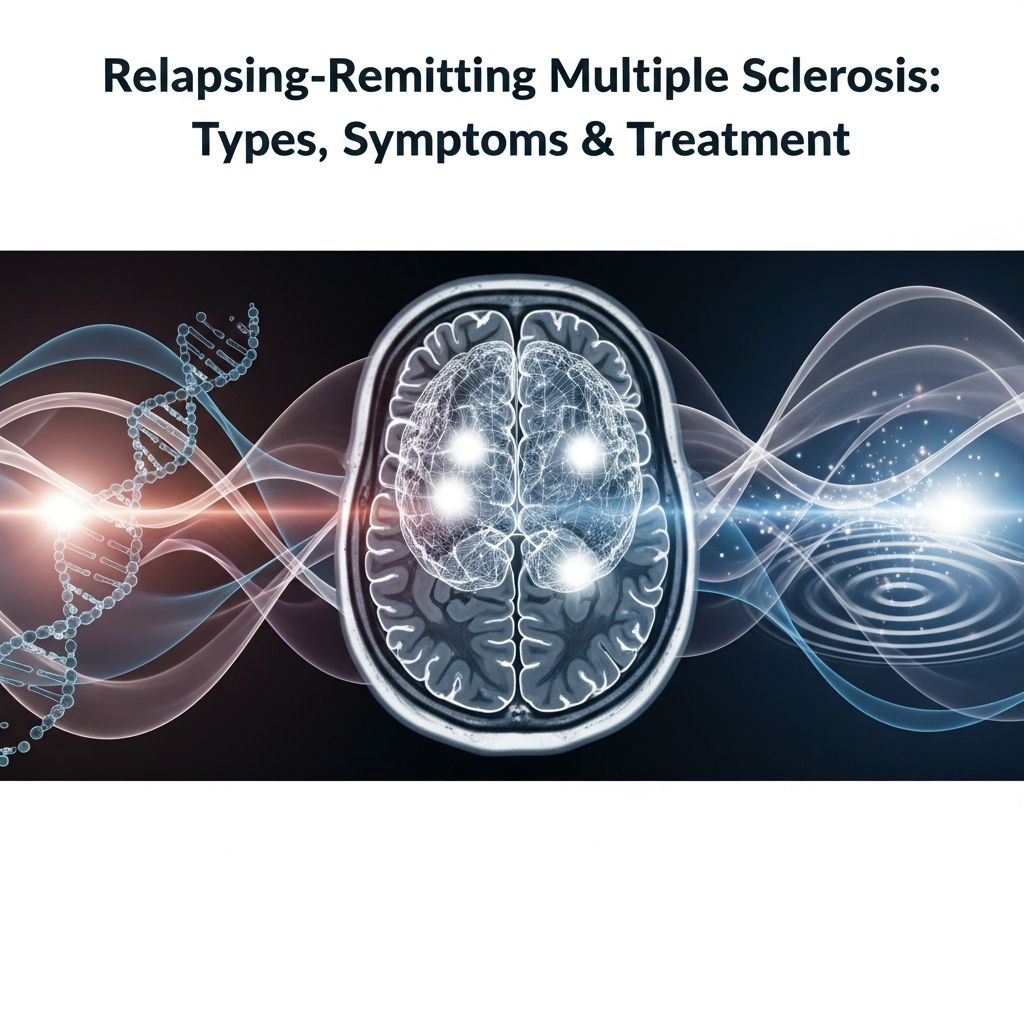
During an MS relapse, self-reactive immune T cells wrongly attack the myelin sheath that surrounds nerves in the brain and spinal cord. This immune attack causes inflammation and damage to both the myelin and the underlying nerve fibers, disrupting the messages the brain sends through the nervous system to different parts of the body. The inflammation also creates scars, known as lesions, in the brain and spinal cord that can accumulate over time.
Relapses typically develop quickly, with symptoms appearing over 24 to 48 hours and lasting anywhere from a few days to several weeks. Most patients experience improvement in the region of 80 to 100 percent during the recovery phase, though some residual effects may persist. The frequency of relapses varies significantly among patients, ranging from fewer than one relapse per year to more than two relapses per year. At first, 12 to 18 months may pass between MS relapses; however, as time progresses, many patients experience relapses that occur more frequently and last longer.
Common Symptoms of RRMS
The symptoms experienced during an MS relapse depend on the location of inflammation and demyelination in the central nervous system. Symptoms can vary widely between patients and even between individual relapses in the same patient. During relapses, the acute inflammatory demyelinating reaction leads to various neurological manifestations:
Visual symptoms: MS relapse leads to visual impairments in approximately 21.5% of patients, including loss of vision in one or both eyes, blurred vision, or double vision. Evidence of brainstem involvement may be revealed through neurological examination based on symptoms including speech changes, altered facial sensation, and double vision.
Sensory symptoms: Paresthesia, or abnormal sensations such as tingling and numbness, occurs in approximately 54.3% of patients with MS relapses. These sensations often progress in a rising pattern, commonly beginning in the legs and moving upward through the body.
Motor symptoms: Extreme weakness, particularly in the arms and legs, represents another common manifestation. Loss of power in an arm or leg can significantly impact mobility and daily functioning during an active relapse.
Related Stories



Coordination and balance problems: Problems in coordination, gait, and tremor are associated with altered functioning of the cerebellum. Patients may experience difficulty walking or maintaining balance during relapses.
Bowel and bladder dysfunction: Dysfunction of the bowel and bladder can occur depending on the involvement of specific neural pathways, creating significant challenges for daily life management.
Additional symptoms: Other common symptoms associated with MS include spasms, fatigue, depression, incontinence issues, sexual dysfunction, and walking difficulties. Chronic diseases such as MS can also cause immense emotional stress, which can lead to secondary symptoms such as fatigue, confusion, and depression.
Risk Factors and Triggers for Relapses
Environmental Triggers
Research has identified several environmental factors that can precipitate MS relapses. Infections represent one of the most significant modifiable triggers. During cumulative periods designated as “at risk” (defined as 2 weeks before until 5 weeks after infection onset), the prevalence of exacerbation was almost threefold greater than during periods designated as “not at risk.” Approximately 27% of exacerbations were related to infections, and even mild infections such as sinus infections or urinary tract infections can cause old MS symptoms to reappear.
Smoking tobacco products significantly increases relapse risk and severity. People with MS who smoke tend to have more relapses, worse progressive disease, and worse cognitive symptoms compared to non-smoking patients. Additional environmental factors include low levels of Vitamin D, Epstein-Barr virus infection, viral infections during fetal development, exposure to ultraviolet rays, and dietary intake of salt. Stress, fatigue, and hormonal changes can also trigger or worsen symptoms.
Biological and Genetic Factors
MS and MS relapse result from interactions between genetic and environmental factors. Scientists believe that some people have a genetic predisposition that makes it possible for environmental factors to trigger RRMS. However, this genetic tendency towards autoimmune problems is only a small part of the picture, and individuals with RRMS are not likely to pass the condition on to their children in most cases.
Age and sex also influence relapse rates. Women are up to three times more likely to develop MS than men. Older adults may experience an increased risk of MS relapses, and this situation may worsen because older adults may experience reduced mobility and face difficulties in accessing healthcare services, leading to increased severity of MS symptoms and further complications. Some investigations have evaluated the potential role of inflammation, which changes with age, and researchers contend that inflammation is responsible for clinical relapses in relapsing-remitting MS and is associated with enhanced permeability of the blood-brain barrier with acute migration of peripheral immune cells into the central nervous system.
Diagnosis of RRMS
Approximately 80% of MS patients experience an initial clinical episode of demyelination known as “clinically isolated syndrome” (CIS), which involves infiltration of inflammatory cells. Approximately 85-90% of MS patients characterized by initial CIS attacks present with relapsing-remitting disease. The diagnosis of RRMS typically involves a combination of clinical evaluation, imaging studies, and laboratory tests.
Neurological examinations play a crucial role in diagnosis. The results of neurological examinations conducted previously should be compared with current results to guide the diagnosis of new relapse or symptom progression. Transverse myelitis can be revealed based on abnormalities in strength and sensation. Brain imaging studies, particularly magnetic resonance imaging (MRI), help identify areas of demyelination and inflammation characteristic of MS.
Disease Progression and Secondary Progressive MS
Many people who have an RRMS diagnosis later develop another type of multiple sclerosis called secondary progressive multiple sclerosis (SPMS). SPMS occurs after having RRMS when symptoms progressively worsen, but the risk for relapses seems to decrease. The exact cause of SPMS isn’t completely clear, though disease duration and accumulated neurological damage play significant roles. Early and aggressive treatment may reduce or prevent the onset of SPMS, making prompt intervention critical for long-term disease management.
Between attacks, symptoms may disappear completely, but permanent neurological problems often remain, especially as the disease advances. Disease progression is characterized by plaque formation in the white matter, axonal injury, and demyelination, mainly in the spinal cord, optic nerve, brainstem, and periventricular regions. The scar tissue produced during the repair process can lead to complications over time, contributing to the gradual accumulation of disability that characterizes disease progression.
Treatment and Management Strategies
Disease-Modifying Therapies
Taking a disease-modifying therapy (DMT) could mean fewer relapses and slowing of MS progression. These medications work by suppressing the immune system’s attack on myelin and reducing inflammation in the central nervous system. Early and aggressive treatment is particularly important for managing RRMS and preventing progression to secondary progressive forms of the disease.
Acute Relapse Management
Reducing the inflammation during a relapse is key to treating an acute exacerbation. Corticosteroids are commonly used to reduce inflammation and shorten the duration of relapses. These medications help suppress the immune response and accelerate recovery of neurological function. However, depression can be a side effect of some MS drugs, such as corticosteroids and interferon, requiring careful monitoring and management.
Lifestyle Modifications and Symptom Management
Beyond pharmacological interventions, several lifestyle modifications can help manage MS symptoms and potentially reduce relapse frequency. Stress-relieving activities, such as meditation and yoga, have been shown to help people suffering from MS by reducing overall immune system activation and improving psychological well-being. Avoiding known triggers such as smoking and maintaining adequate Vitamin D levels through diet, supplementation, or controlled sun exposure can help reduce relapse risk.
Regular physical activity, adequate sleep, proper nutrition, and stress management form the foundation of comprehensive MS management. Patients should work closely with their healthcare team to develop personalized management plans that address their specific symptoms and circumstances.
Severity Factors and Prognosis
MS relapse severity varies depending on the specific location of demyelination. MS relapse linked to pyramidal damage, sphincter dysfunction, or cerebellar involvement is typically more severe and requires prompt treatment. The pyramidal tracts control motor function and movement, so damage in these areas produces significant weakness and mobility impairment. Sphincter dysfunction affects bowel and bladder control, creating substantial quality-of-life impacts. Cerebellar involvement produces coordination and balance problems that can be severely disabling.
Individual relapses usually last a few weeks to two months. There is currently no cure for RRMS, so once diagnosed, patients must manage the condition for the remainder of their lives. However, with appropriate treatment and lifestyle modifications, many patients achieve good disease control with fewer relapses and slower progression of disability.
Frequently Asked Questions
What is the difference between RRMS and other types of multiple sclerosis?
RRMS is distinguished by its pattern of clearly defined relapses followed by remission periods. Other forms of MS have similar symptoms but don’t share the on-off pattern characteristic of RRMS. Progressive forms of MS involve gradual worsening of symptoms without distinct relapse-remission cycles.
At what age is RRMS typically diagnosed?
People with RRMS are usually diagnosed in early adulthood between 20 and 40 years old, so they usually have decades for the disease to progress. Early diagnosis and treatment initiation are particularly important for managing long-term outcomes.
How long do MS relapses typically last?
Individual relapses usually last a few weeks to two months, though symptoms may begin to improve within days. The duration can vary significantly between patients and between different relapses in the same individual.
Can RRMS be cured?
There is currently no cure for RRMS. Once diagnosed, patients must manage the condition for the rest of their lives. However, disease-modifying therapies and lifestyle modifications can significantly reduce relapse frequency and slow disease progression.
Will RRMS always progress to secondary progressive MS?
Many people with RRMS eventually develop secondary progressive multiple sclerosis, but not all patients follow this trajectory. Early and aggressive treatment may reduce or prevent the onset of secondary progressive disease, making prompt diagnosis and intervention critical.
What role does pregnancy play in MS relapses?
Research indicates that pregnancy influences MS relapse patterns, with some evidence suggesting reduced relapse activity during pregnancy but potentially increased activity in the postpartum period. Pregnant women with MS should work closely with their healthcare team to optimize disease management during and after pregnancy.
References
- Factors Involved in Relapse of Multiple Sclerosis — National Center for Biotechnology Information (NCBI), National Institutes of Health. 2019-10-15. https://www.ncbi.nlm.nih.gov/pmc/articles/PMC6753697/
- Relapsing-Remitting Multiple Sclerosis (RRMS) — Cleveland Clinic. 2024. https://my.clevelandclinic.org/health/diseases/14905-rrms-relapsing-remitting-multiple-sclerosis
- Relapsing-Remitting MS: Symptoms & Treatment — Brigham and Women’s Hospital. 2024. https://www.brighamandwomens.org/neurology/multiple-sclerosis-information/rrms
- How to Manage Multiple Sclerosis (MS) Relapses — Yale Medicine. 2024. https://www.yalemedicine.org/news/how-to-manage-multiple-sclerosis-ms-relapses
- Multiple Sclerosis – Symptoms and Causes — Mayo Clinic. 2024. https://www.mayoclinic.org/diseases-conditions/multiple-sclerosis/symptoms-causes/syc-20350269
- Relapsing-Remitting Multiple Sclerosis (RRMS) — National Multiple Sclerosis Society. 2024. https://www.nationalmssociety.org/understanding-ms/what-is-ms/types-of-ms/relapse-remitting-ms
- Relapsing-Remitting Multiple Sclerosis (RRMS) — WebMD. 2024. https://www.webmd.com/multiple-sclerosis/relapsing-remitting-multiple-sclerosis
Similar Articles








Read full bio of medha deb