Relaxation Exercises: 3 Proven Techniques To Reduce Anxiety
Master deep breathing and muscular relaxation to effectively reduce anxiety, stress, and depression symptoms in daily life.
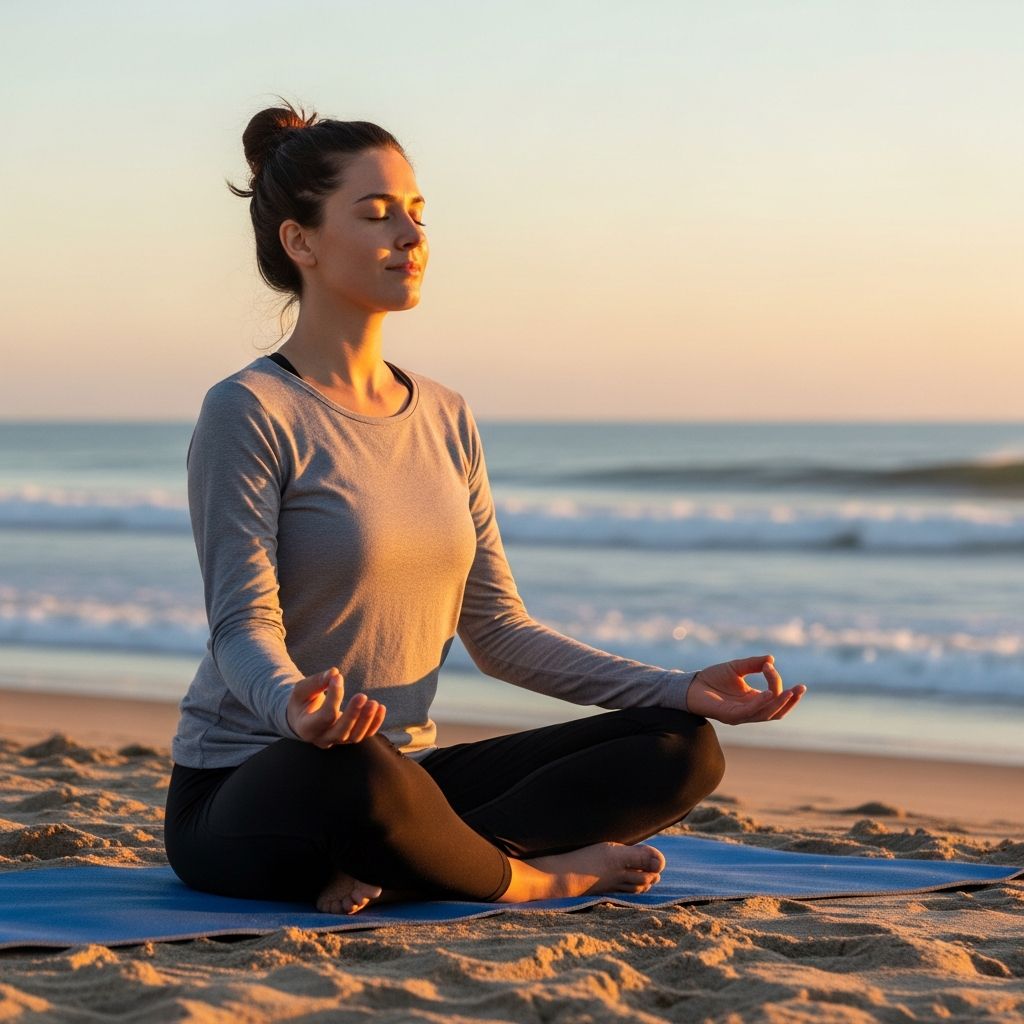
Muscular relaxation exercises and deep breathing techniques offer simple, effective ways to reduce anxiety, combat stress, and alleviate depression symptoms. These methods target common physical signs of tension like over-breathing and muscle tightness, promoting overall calm when practiced regularly.
Combining these with mindfulness can enhance benefits, as evidence shows they lower cortisol levels and improve psychological well-being. Unlike passive activities such as watching TV, these structured exercises build a habit of relaxation that carries into daily life.
Why do relaxation exercises?
Many people unwind through sports, music, reading, or TV, but specific relaxation exercises provide targeted relief from anxiety’s physical symptoms: rapid over-breathing and persistent muscle tension. These techniques also show promise in easing depression by fostering a sense of control and calm.
Regular practice—ideally a few minutes daily—trains your body to maintain deeper breathing and looser muscles naturally. Over time, this reduces baseline anxiety levels, making it easier to apply them during stressful moments without prior preparation.
Research from sources like the National Center for Biotechnology Information confirms relaxation techniques decrease both physical and psychological tension, with benefits accumulating through consistent use. Health professionals recommend them as accessible self-help tools, especially alongside therapies like CBT for anxiety and stress.
Deep breathing
Deep breathing counters over-breathing, a frequent anxiety trigger that leads to dizziness, chest tightness, and heightened panic. This exercise restores steady, efficient breathing patterns, signaling safety to your nervous system.
Quick daily practice (2-3 minutes): Perform this every day until it feels automatic, reducing background anxiety and enabling on-the-spot use.
- Breathe in slowly and deeply through your nose.
- Breathe out through your mouth in a steady rhythm, making the out-breath twice as long as the in-breath.
- Count ‘one, two’ while inhaling and ‘one, two, three, four’ while exhaling to guide the pace.
With practice, this becomes second nature, helping in meetings, traffic, or any tense scenario. The NHS endorses similar belly breathing for stress, advising inhalation through the nose and exhalation through the mouth while seated, standing, or lying down.
Box breathing variation for added focus: Visualize a box with equal sides—inhale for 4 counts, hold for 4, exhale for 4, hold for 4. This technique, detailed in clinical guidelines, sustains calm visualization and is effective pre- or post-stressful events.
Muscular relaxation
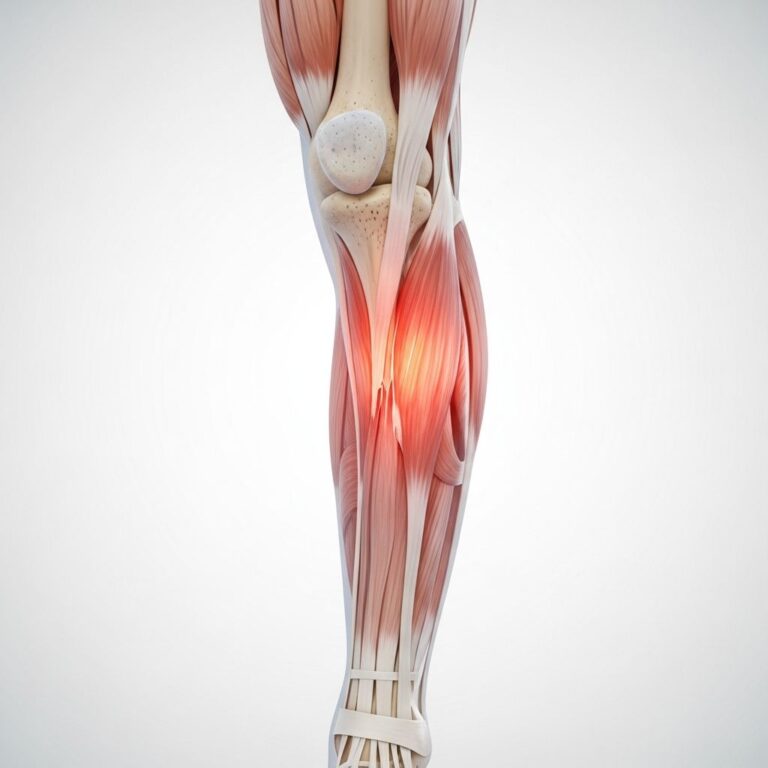
Progressive muscle relaxation (PMR) systematically tenses and releases muscle groups, heightening awareness of tension and teaching the body to let go. It’s particularly useful for chronic tightness in shoulders, neck, and jaw.
Planned times for regular positive relaxation
Set aside time in a quiet, warm, undisturbed spot. Lie on your back or sit supported; close eyes once familiar. Start with 2-3 minutes of deep breathing, mentally repeating ‘peace’ or ‘relax’ on exhales.
Progress through muscle groups: tense on inhale (5-10 seconds), release on exhale, noting the contrast. Repeat the full sequence 3-4 times daily for best results. Focus extra on habitually tense areas.
Related Stories



- Hands: Clench one fist tightly, feeling forearm tense; release. Repeat other hand.
- Arms: Bend elbow, tense bicep and tricep; release. Switch arms.
- Shoulders: Shrug up high; let drop.
- Neck: Press head back comfortably, roll side-to-side; relax forward.
- Stomach: Tighten abs fully; soften.
- Buttocks: Squeeze together; release.
- Legs: Curl toes toward shins, then point away; flatten feet.
NCBI’s StatPearls outlines PMR similarly: hold tension 5 seconds, release 10, progressing from feet to face, avoiding pain and breathing deeply. This reduces somatic stress symptoms effectively.
Expect noticeable drops in overall tension with daily practice. Mind.org.uk suggests scanning for tight spots like thighs or shoulders, repeating as needed before slowly resuming activity.
Everyday life
Full routines aren’t feasible everywhere, but abbreviated versions provide instant relief. When anxiety builds, target accessible groups:
- Twist neck side-to-side comfortably, then relax.
- Tense and release shoulders/back for several seconds.
- Clench fists or scrunch face briefly; let go.
These micro-exercises mimic PMR principles, interrupting tension cycles discreetly—in queues, calls, or crowds.
Frequently Asked Questions (FAQs)
Q: How often should I practice these exercises?
A: Aim for 2-3 minutes of deep breathing daily and full muscular relaxation sessions 3-4 times per day initially. Consistency builds lasting benefits, reducing the need for lengthy practice over time.
Q: Can these help with depression?
A: Yes, alongside anxiety relief, they ease depression symptoms by lowering physical tension and promoting mindfulness. Combine with professional therapy for optimal results.
Q: What if I feel pain while tensing muscles?
A: Tense only to mild discomfort, never pain. Focus on gentle holds (5 seconds) and longer releases, breathing steadily throughout.
Q: Are there apps or audio guides?
A: Yes, NHS Every Mind Matters offers audio for body relaxation; apps with guided PMR and breathing are widely available for structured practice.
Q: How quickly do I see results?
A: Many notice reduced tension within days, but full benefits emerge after 1-2 weeks of regular use. Track progress by noting daily anxiety levels.
Benefits and Tips for Success
These exercises lower cortisol, improve sleep, and enhance resilience to stress. Integrate with walking or yoga for compounded effects, as Patient.info notes exercise aids stress coping.
| Technique | Best For | Duration | Setting |
|---|---|---|---|
| Deep Breathing | Quick anxiety spikes, over-breathing | 2-3 min | Anywhere |
| Full PMR | Overall tension release | 10-15 min | Quiet space |
| Mini PMR | Everyday stress | 10-30 sec | Public/discreet |
Pro tips:
- Practice in low-stress times to master for high-stress ones.
- Pair with positive visualization: exhale tension, inhale calm.
- Track tense spots in a journal to target them.
- If symptoms persist, consult a GP for CBT or further support.
Patient.info promotes these as empowering self-help, with Onebright offering online CBT for deeper issues like chronic anxiety.
References
- Relaxation Exercises | Reducing Anxiety — Patient.info. 2023. https://patient.info/features/mental-health/relaxation-exercises
- Relaxation Techniques – StatPearls — NCBI Bookshelf, NIH. 2023-10-25. https://www.ncbi.nlm.nih.gov/books/NBK513238/
- Relaxation – Mind — Mind.org.uk. 2024. https://www.mind.org.uk/information-support/tips-for-everyday-living/relaxation/
- Breathing exercises for stress — NHS.uk. 2023. https://www.nhs.uk/mental-health/self-help/guides-tools-and-activities/breathing-exercises-for-stress/
- Can exercise help you feel less stressed? — Patient.info. 2023. https://patient.info/features/mental-health/can-exercise-help-you-feel-less-stressed
Similar Articles








Read full bio of medha deb