Relaxation Techniques: What You Need To Know
Master evidence-based relaxation techniques to reduce stress and improve your well-being.
What Are Relaxation Techniques?
Relaxation techniques are evidence-based practices designed to help activate your body’s natural relaxation response. This response is characterized by slower breathing, lower blood pressure, reduced heart rate, and an overall feeling of increased well-being. The relaxation response essentially counteracts the physiological effects of stress, allowing your body to enter a state of calm and restoration.
Unlike the “fight or flight” stress response that prepares your body for perceived threats, the relaxation response triggers your parasympathetic nervous system—often called your body’s “rest and digest” mode. This shift creates profound physiological changes that benefit your mental and physical health.
Research from the National Center for Complementary and Integrative Health (NCCIH) confirms that relaxation techniques can reduce blood pressure, inflammatory cytokines, and oxidative stress, while also improving glycemic control in people with type 2 diabetes. Regular practice is particularly important when using these techniques to manage chronic health problems, as continuing use proves more effective than short-term application.
Types of Relaxation Techniques
There are numerous relaxation techniques available, each with its own approach and benefits. Understanding the different methods helps you find the practice that resonates best with your lifestyle and preferences.
Progressive Relaxation (Progressive Muscle Relaxation)
Also known as Jacobson relaxation, progressive muscle relaxation involves systematically tensing different muscle groups in your body and then releasing the tension. This technique works by helping you develop awareness of physical sensations and learn the difference between muscle tension and relaxation.
How to Practice Progressive Muscle Relaxation:
- Choose a room with minimal distractions and sit or lie down comfortably
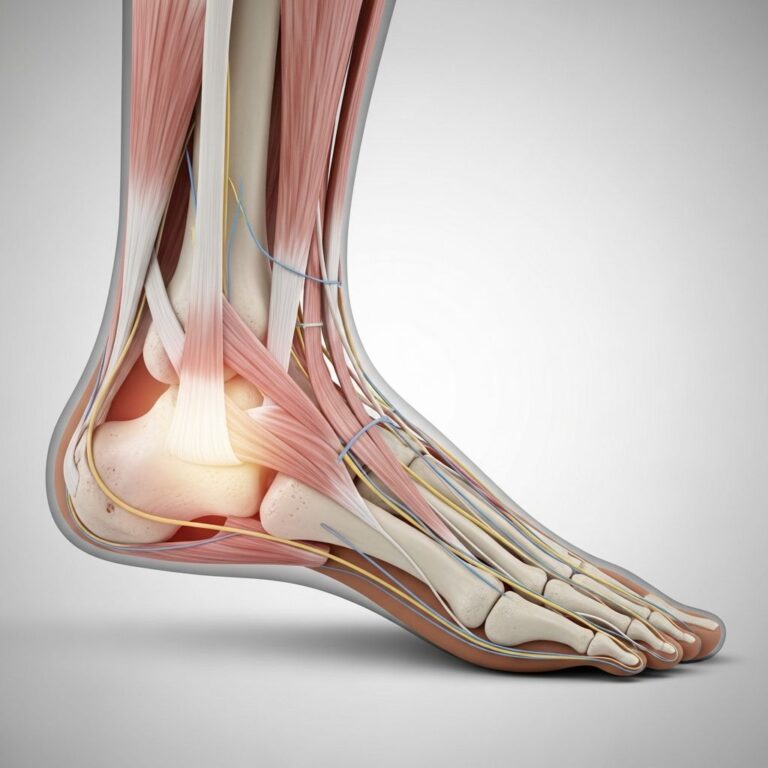
- Start by contracting the muscles in your foot for 5 seconds, then release over 10 seconds
- Focus on relieving the tension and feeling the muscles relax
- Contract and relax the muscles of your lower legs for the same duration
- Continue with your hips and buttocks, then stomach and chest
- Move to your shoulders, arms, neck, and finally your face
- Remember to take deep, slow breaths throughout the practice
Research shows that progressive muscle relaxation may produce stress-alleviating effects and have positive impacts on anxiety and depression in some people. A 2015 systematic review found that this technique was particularly promising for reducing anxiety and depression in adults over 60 years old, with positive effects maintained 14 weeks after treatment.
Deep Breathing or Breathing Exercises
Deep breathing, also called diaphragmatic breathing, is one of the simplest yet most powerful relaxation techniques available. This technique involves focusing on taking slow, deep, even breaths that fully engage your diaphragm rather than shallow chest breathing.
When you practice deep breathing, you activate your parasympathetic nervous system, triggering your body’s calming mechanisms. Research indicates that diaphragmatic breathing exercises may help reduce stress, with promising positive changes observed in mental health evaluations and physical measures such as cortisol levels and blood pressure. The repetitive focus on breathing also trains your attention, making it easier to stay present rather than becoming caught in anxious thought patterns.
Related Stories



Guided Imagery or Visualization
In guided imagery, you picture objects, scenes, or events associated with relaxation and calmness, attempting to produce similar calming feelings in your body. This technique can be self-directed, led by a practitioner, or followed via a recording.
How to Practice Guided Imagery:
- Find a comfortable position and close your eyes
- Take several deep breaths to settle your nervous system
- Imagine a place where you feel completely safe and peaceful
- Engage all your senses: What do you see, hear, smell, and feel?
- Allow yourself to fully experience being in this peaceful place
- When ready, slowly return your attention to your current surroundings
Guided imagery activates the same neural networks involved in actual experiences, allowing your nervous system to experience genuine calm and safety. This technique proves particularly helpful for individuals with post-traumatic stress disorder (PTSD) or anxiety disorders who may struggle with feeling safe in their bodies or environments.
Autogenic Training
Through a series of mental exercises involving relaxation and self-suggestions (called autosuggestion), autogenic training helps your mind focus on your body’s experience of relaxation. This technique combines concentrated attention with positive self-directed statements to promote physical relaxation and mental calm.
In autogenic training, you learn to concentrate on physical sensations of warmth and heaviness in different body parts, which naturally promotes reduced muscle tension and a deeper state of relaxation.
Self-Hypnosis
In self-hypnosis programs, people learn to produce the relaxation response when prompted by a phrase or nonverbal cue (called a “suggestion”) of their own creation. This technique empowers you to access a relaxed state independently through mental conditioning and focused intention.
Self-hypnosis differs from stage hypnosis in that you maintain full control throughout the process and can use it whenever you need to activate your body’s relaxation response. Research supports the effectiveness of self-hypnosis for managing various stress-related conditions.
Biofeedback-Assisted Relaxation
Through feedback usually provided by an electronic device, biofeedback teaches you to recognize and manage how your body responds to stress and relaxation. The device provides real-time information about your heart rate, blood pressure, or muscle tension, showing you how these measurements change in response to stress or relaxation techniques.
This tangible feedback helps you understand the mind-body connection more clearly and provides motivation as you see measurable improvements in your physiological responses. Biofeedback combined with relaxation training has shown promise in managing various health conditions.
Health Benefits of Relaxation Techniques
Relaxation techniques offer a wide range of documented health benefits supported by scientific research. These practices can address both mental and physical health concerns, making them valuable tools for overall wellness.
Mental Health Benefits
Research demonstrates that relaxation techniques can significantly impact anxiety and depression. A 2019 review of 3 studies with 880 participants found preliminary evidence suggesting that diaphragmatic breathing exercises may help reduce stress, with promising positive changes seen in mental health self-evaluations.
Progressive muscle relaxation has also shown effectiveness for anxiety and depression management, with effects maintained long after treatment ends. The combination of relaxation techniques with cognitive behavioral therapy often shows the most supportive research for managing various mental health conditions.
Physical Health Benefits
Beyond mental health, relaxation techniques produce measurable physical improvements:
- Reduced blood pressure and improved cardiovascular function
- Decreased inflammatory markers and oxidative stress
- Improved glycemic control in people with type 2 diabetes
- Reduced cortisol levels and other stress hormones
- Lower heart rate and improved breathing patterns
- Reduced muscle tension and improved sleep quality
Pain Management
Relaxation techniques have shown particular promise for headache management. Multiple studies examined the effectiveness of relaxation training combined with cognitive behavioral therapy and biofeedback for headache reduction. Fifteen of the studies reviewed showed headache improvements, with participants reporting decreases in daily headache frequency ranging from 20 to 67 percent depending on the study.
Getting Started With Relaxation Techniques
Beginning a relaxation practice doesn’t require special equipment or extensive training. Most techniques can be learned quickly and practiced anywhere, anytime.
Tips for Success
- Start with just 5-10 minutes of practice daily and gradually increase duration
- Choose a quiet space with minimal distractions for your practice
- Be consistent—regular, frequent practice yields better results than sporadic use
- Don’t expect immediate results; benefits typically develop over time
- Experiment with different techniques to find what works best for you
- Practice your chosen technique regularly, especially if managing a chronic health condition
- Consider combining techniques for enhanced benefits
People who use relaxation techniques frequently are more likely to benefit from them. Regular, frequent practice is particularly important if you’re using relaxation techniques to help manage a chronic health problem. Continuing use of relaxation techniques is more effective than short-term use.
Frequently Asked Questions
Q: How long does it take to see results from relaxation techniques?
A: Most people begin noticing benefits within 2-3 weeks of consistent daily practice. However, maximum benefits typically develop over several weeks to months of regular use. The timeline varies depending on the technique, your individual physiology, and how frequently you practice.
Q: Can I combine different relaxation techniques?
A: Yes, combining techniques is often beneficial. Many people find that progressive relaxation paired with guided imagery and deep breathing creates synergistic effects. Experiment with combinations to discover what works best for your needs.
Q: Are relaxation techniques safe for everyone?
A: Relaxation techniques are generally safe for most people. However, individuals with certain mental health conditions or physical limitations should consult healthcare providers before starting. People with a history of trauma may need guidance when practicing techniques like guided imagery.
Q: Do I need professional guidance to learn relaxation techniques?
A: While many techniques can be learned independently through books, apps, or videos, working with a qualified practitioner can accelerate learning and ensure proper technique. Professional guidance proves particularly helpful for techniques like biofeedback or when managing specific health conditions.
Q: Can relaxation techniques replace medical treatment?
A: Relaxation techniques work best as complementary approaches alongside conventional medical treatment. They’re particularly effective as adjuncts for managing stress-related conditions but should not replace prescribed medical care for serious health conditions.
Q: Which relaxation technique is most effective?
A: Research shows different techniques work best for different individuals and conditions. Progressive muscle relaxation excels for anxiety, while guided imagery benefits those with trauma, and deep breathing works universally. The most effective technique is the one you’ll practice consistently.
What the Research Says
The scientific evidence supporting relaxation techniques continues to grow, though researchers note that the overall quality of relaxation research varies. Despite some limitations in study design, the potential benefits are considered substantial enough to recommend using these strategies in clinical practice.
Major healthcare organizations, including the National Institutes of Health through the NCCIH, recognize relaxation techniques as evidence-based approaches for stress management and various health conditions. The research consistently demonstrates that relaxation techniques create measurable physiological changes that promote health and well-being.
Conclusion
Relaxation techniques offer accessible, evidence-based methods for managing stress and promoting physical and mental well-being. Whether you choose progressive muscle relaxation, deep breathing, guided imagery, autogenic training, self-hypnosis, or biofeedback, these practices can significantly improve your quality of life. The key to success lies in consistent, regular practice tailored to your individual preferences and health needs. Begin with the technique that appeals to you most, practice daily, and give yourself time to experience the profound benefits that relaxation techniques can provide.
References
- Relaxation Techniques | NCCIH — National Center for Complementary and Integrative Health (NCCIH), National Institutes of Health. 2016-05-31. https://files.nccih.nih.gov/s3fs-public/Relaxation_Techniques_05-31-2016.pdf
- Relaxation Techniques: What You Need To Know — National Center for Complementary and Integrative Health (NCCIH). 2024. https://www.nccih.nih.gov/health/relaxation-techniques-what-you-need-to-know
- Mindfulness Meditation: A Proven Path to Calm — NCCIH Study. 2024. https://nvelup.care/mindfulness-meditation-a-proven-path-to-calm-nccih-study/
- Mind and Body Approaches for Stress and Anxiety — National Center for Complementary and Integrative Health (NCCIH). 2024. https://www.nccih.nih.gov/health/providers/digest/mind-and-body-approaches-for-stress-science
- Stress Management — Mayo Clinic. 2024. https://www.mayoclinic.org/healthy-lifestyle/stress-management/in-depth/relaxation-technique/art-20045368
Similar Articles








Read full bio of Sneha Tete