Relieve Neck Pain From Sleeping: Expert Tips For Relief
Discover effective strategies to eliminate neck pain caused by poor sleep positions and habits.
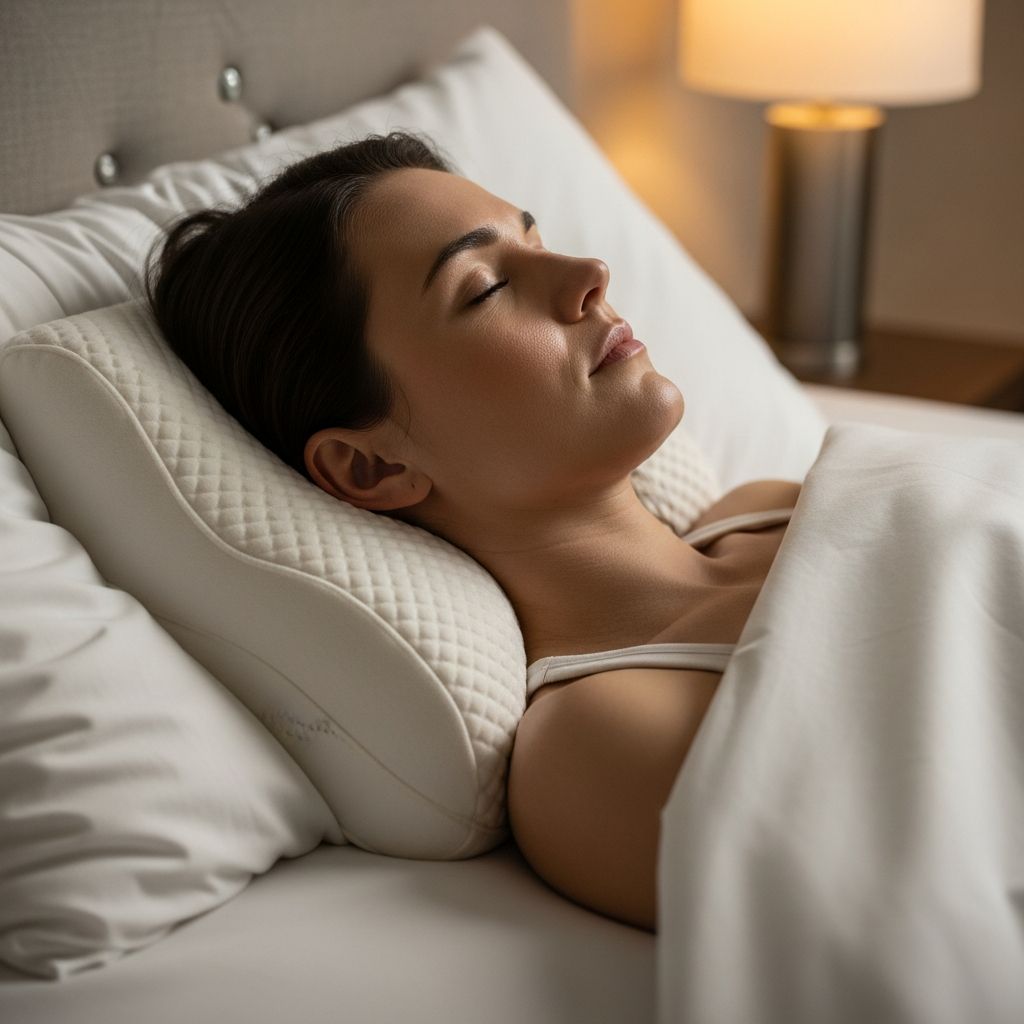
How to Relieve Neck Pain from Sleeping
Waking up with neck pain can significantly impact your entire day, leaving you with stiffness, limited mobility, and discomfort that makes even simple tasks challenging. Many people experience neck pain that stems directly from their sleeping position or sleep environment, creating a frustrating cycle where poor sleep worsens pain, and increased pain disrupts sleep quality. Understanding the connection between your sleep habits and neck health is the first step toward finding relief and preventing future discomfort.
Understanding the Sleep-Neck Pain Connection
The relationship between sleep and neck pain is bidirectional and powerful. When you sleep in positions that strain your cervical spine or lack proper support, your neck muscles and joints become tense and sore overnight. Conversely, poor sleep quality can exacerbate existing neck pain, delay healing of soft tissues, and increase inflammation in the cervical region. This creates what experts call the pain-sleep cycle—a frustrating pattern where neck pain disrupts your sleep, and inadequate rest worsens your neck pain the following day.
Sleep plays a crucial role in tissue repair and healing. During sleep, your body focuses energy on repairing damaged soft tissues and reducing inflammation. However, when sleep is compromised by pain or poor positioning, your body cannot effectively complete these restorative processes, perpetuating discomfort and extending recovery time.
Best Sleeping Positions for Neck Pain Relief
While there is no universally “correct” sleeping position, certain positions offer better support for your cervical spine than others. The key is finding what works best for your body while making strategic adjustments to minimize strain.
Back Sleeping (Supine Position)
Back sleeping is widely recommended by healthcare professionals as an excellent position for neck pain relief. When you sleep on your back, your cervical spine maintains its natural alignment, reducing strain on neck muscles and ligaments. This position also minimizes compression of the spinal cord and nerve roots, allowing your neck to relax fully throughout the night.
To optimize back sleeping for neck pain:
- Use a pillow that provides adequate support for your neck’s natural curve—avoid pancake-flat pillows that can cause muscle tension
- Place a pillow or rolled towel under your knees to reduce pressure on your lumbar spine and allow your neck muscles to relax completely
- Ensure your head and neck are properly aligned with your spine rather than tilted awkwardly
Side Sleeping
Side sleeping is another excellent option for managing neck pain, provided you maintain proper alignment. This position helps maintain the natural curve of your cervical spine and reduces strain on spinal ligaments and soft tissues. Many people find side sleeping particularly comfortable and it can be just as effective as back sleeping when done correctly.
To optimize side sleeping:
- Use a supportive pillow that keeps your neck aligned with your spine, preventing your head from tilting up or down
- Place a pillow between your knees to maintain spinal alignment and reduce tension in your lower back
- Avoid curling into a fetal position, which can compromise neck alignment
Related Stories



Positions to Avoid
Sleeping on your stomach is the least recommended position for neck pain sufferers. This position requires you to turn your head significantly to one side, straining the cervical spine and cervical joints. Over time, stomach sleeping can contribute to chronic neck pain and muscle strain.
Reclined or Upright Sleeping
For individuals with severe neck pain or certain spinal conditions, sleeping in a slightly reclined or upright position can provide significant relief. This position reduces pressure on nerve roots and alleviates compression in the cervical region. Adjustable beds or sleeping in a reclined chair with proper support can be beneficial for those needing extra support.
The Critical Importance of Pillow Selection
Your pillow choice is one of the most influential factors in preventing and relieving neck pain from sleep. An improper pillow can negate the benefits of a good sleeping position, while the right pillow can dramatically improve your comfort and reduce pain.
Pillow Height and Support
Your pillow height should match your sleeping position to maintain proper cervical spine alignment. A pillow that is too high or too low will force your neck into an unnatural position, creating strain on muscles and joints. The pillow should support the natural curve of your neck without tilting your head excessively in any direction.
Memory Foam and Specialized Pillows
Memory foam pillows and cervical pillows are specifically designed to maintain proper neck alignment while you sleep. Horseshoe-shaped pillows can also provide excellent support by cradling your neck and preventing unwanted movement during the night. Finding the right pillow often requires trial and error, but the investment in proper neck support is worthwhile for long-term pain relief.
Pillow Maintenance and Replacement
Even the best pillow loses its supportive properties over time as it compresses and flattens. Replace your pillow every 12-18 months to ensure it continues providing adequate support for your neck. If you wake up regularly with a stiff neck, experimenting with different pillow types or even sleeping without a pillow may be necessary to find your optimal solution.
Mattress Considerations
Your mattress plays a supporting role in neck pain management. A medium-firm mattress typically offers the best support for maintaining proper spinal alignment during sleep. A mattress that is too soft may cause your body to sink unevenly, creating awkward angles for your cervical spine, while a mattress that is too firm can create pressure points that disrupt sleep quality.
If you have chronic neck pain, evaluate whether your current mattress is providing adequate support. Combining a supportive mattress with the right pillow creates an optimal sleep environment for neck pain relief.
Immediate Relief Techniques for Neck Pain
If you wake up with acute neck pain, several techniques can provide rapid relief and reduce inflammation:
Ice and Heat Therapy
Ice therapy is most effective immediately after waking up with acute neck pain. Apply ice for the first 15-20 minutes to reduce inflammation and provide numbness that helps manage discomfort. After the acute inflammation has subsided, switch to heat therapy using a heating pad, warm towel, or warm shower to relax tight muscles and reduce tension. This combination approach—ice followed by heat—can significantly accelerate recovery.
Over-the-Counter Pain Relief
Nonsteroidal anti-inflammatory drugs (NSAIDs) such as ibuprofen or naproxen can help alleviate neck pain and reduce inflammation. These medications work best when combined with other relief strategies like stretching and heat therapy rather than as a standalone solution.
Massage Therapy
Gentle massage of the neck and shoulder muscles can provide immediate relief by releasing muscle tension and improving circulation. Self-massage using your fingers to gently press and massage tight muscles, or using a foam roller, can be particularly helpful before stretching exercises.
Stretching and Gentle Exercise
Incorporating gentle stretching and exercise into your daily routine—especially before bed—is one of the most effective ways to prevent and relieve neck pain from sleeping.
Nighttime Stretching Routine
Gentle exercises as part of your bedtime routine can reduce stress, which makes your muscles less likely to stiffen and tighten during the night. Consider adding these stretches 15-30 minutes before bed:
- Neck Tilts: Slowly tilt your head toward each shoulder, holding the stretch for 30-60 seconds to gently stretch the side neck muscles
- Levator Scapulae Stretch: Tilt your chin downward and hold the stretch on the back of your neck for 30-60 seconds
- Neck Rotations: Slowly turn your head from side to side through your full comfortable range of motion
- Shoulder Rolls: Gently roll your shoulders backward and forward to release tension in the upper back and neck region
Daytime Movement
Gentle movement during the day keeps your neck flexible and relaxed, supporting better sleep at night. Regular breaks from screen time, frequent posture checks, and gentle neck stretches throughout the day reduce muscle tension that might otherwise carry over into your sleep.
Sleep Hygiene and Environmental Factors
Beyond position and pillow selection, overall sleep hygiene significantly impacts neck pain and sleep quality.
Screen Time Management
The blue light emitted by phones, tablets, laptops, and televisions can make it harder to fall asleep and disrupts your natural sleep cycles. Additionally, hunching over devices creates poor posture that strains your neck. Avoid screens for at least 30-60 minutes before bedtime to improve sleep quality and reduce daytime neck strain that might manifest during sleep.
Stress Reduction Techniques
Stress directly contributes to muscle tension and pain. Incorporating relaxation techniques into your bedtime routine—such as deep breathing exercises, meditation, or gentle yoga—can calm your mind and reduce muscular tension. A relaxed body is far more likely to rest comfortably and wake without significant neck pain.
Sleep Environment Optimization
Ensure your bedroom is cool, dark, and quiet to promote restorative sleep. A comfortable sleep environment reduces tossing and turning, which can strain your neck during sleep. Maintaining consistent sleep and wake times also helps regulate your body’s natural healing processes.
Gradual Adjustment to Better Sleep Positions
If you’ve been sleeping in positions that worsen your neck pain, transitioning to healthier positions should happen gradually. Your body has become accustomed to your current sleeping position, and muscles need time to adapt to new alignment.
Start by spending short periods—even just 15-30 minutes—in your new preferred position. Gradually increase the duration as your body adapts and becomes more comfortable. This slow transition prevents additional strain and allows your neck muscles to adjust without causing further discomfort.
When to Seek Professional Help
Most cases of neck pain from sleeping respond well to self-care strategies. However, if your neck pain persists beyond two weeks, worsens despite conservative treatment, or is accompanied by numbness, tingling, or weakness, consult a healthcare professional. Physical therapists can provide customized exercise programs, and physicians can rule out underlying conditions requiring more intensive treatment.
Frequently Asked Questions
Q: How long does it take for neck pain from sleeping wrong to go away?
A: Most cases of acute neck pain from sleeping improve within 24-72 hours with proper treatment including stretching, heat therapy, and position correction. However, chronic neck pain may require several weeks of consistent self-care and habit changes to resolve completely.
Q: Can sleeping without a pillow help neck pain?
A: For some people, sleeping without a pillow can reduce neck strain, especially if they sleep on their back. However, most people benefit from a properly supportive pillow that maintains cervical spine alignment. Experiment to find what works best for your body.
Q: Is back sleeping really better than side sleeping for neck pain?
A: Both back and side sleeping can be excellent for neck pain relief when done with proper support and alignment. There is no universally “best” position—what matters most is maintaining proper cervical spine alignment and avoiding stomach sleeping.
Q: What type of pillow is best for neck pain?
A: Memory foam pillows and cervical pillows designed to support the natural curve of your neck are generally recommended. However, the best pillow for you depends on your sleeping position, personal preferences, and what feels most comfortable.
Q: How can I prevent waking up with a stiff neck?
A: Prevent stiff neck by using a supportive pillow matched to your sleeping position, maintaining proper spinal alignment, doing gentle stretches before bed, managing stress, and ensuring your mattress provides adequate support.
References
- Best Sleeping Positions For Back And Neck Pain Relief — Apex Orthopedic Surgery Network. 2025. https://www.apexosn.com/best-sleeping-positions-for-back-neck-pain-relief/
- Sleeping With Neck Pain: Best Positions and Tips — Hinge Health. 2025. https://www.hingehealth.com/resources/articles/how-to-sleep-with-neck-pain/
- Here’s How to Take Care of Your Stiff Neck — Banner Health. 2025. https://www.bannerhealth.com/healthcareblog/better-me/here-is-what-to-do-when-you-get-a-stiff-neck
- How to Relieve Neck Pain from Sleeping Wrong: Best Remedies — Better Health Physical Therapy. 2025. https://www.betterhealthpt.com/learn/orthopedics/neck-pain-from-sleeping-wrong/
- Sleeping with Neck Pain: What You Need to Know — Spine-Health. 2025. https://www.spine-health.com/blog/sleeping-neck-pain-what-you-need-know
Similar Articles








Read full bio of medha deb