Relieve Urinary Symptoms Without Medication
Natural techniques to manage common urinary symptoms and improve bladder control effectively.

Relieve Urinary Symptoms Without Medication: Evidence-Based Techniques
Urinary symptoms such as frequent urination, urgency, and incontinence can significantly impact daily life and overall quality of well-being. Many men experience these issues at some point, whether due to age, lifestyle factors, or underlying health conditions. While medications are available to address these concerns, numerous non-pharmacological approaches can effectively manage and reduce urinary symptoms. This comprehensive guide explores natural techniques that have been shown to provide relief and improve bladder control without relying on pharmaceutical interventions.
Understanding Common Urinary Symptoms
Before exploring solutions, it’s important to understand what constitutes common urinary symptoms. These include urinary frequency (needing to urinate more than eight times daily), urinary urgency (a sudden, compelling need to urinate), nocturia (waking multiple times at night to urinate), and urinary incontinence (involuntary leakage of urine). These symptoms often stem from various causes, including age-related changes, lifestyle factors, dietary choices, and pelvic floor muscle weakness. Understanding the underlying causes helps in selecting the most appropriate non-medication strategies for symptom relief.
Pelvic Floor Muscle Strengthening Through Kegel Exercises
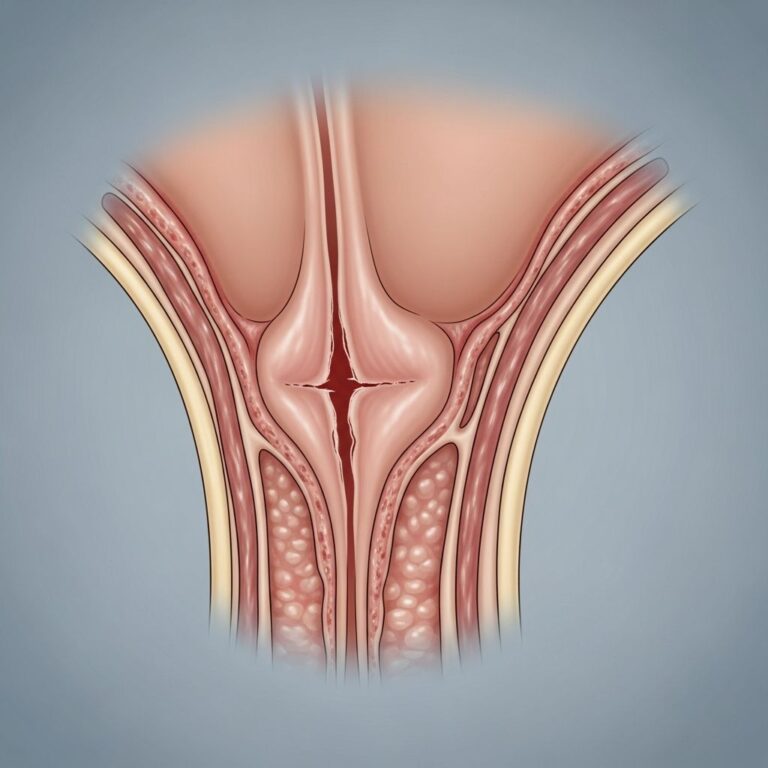
One of the most effective and well-researched techniques for managing urinary symptoms is performing Kegel exercises, which strengthen the pelvic floor muscles responsible for bladder control. The pelvic floor muscles act as a support system for the bladder and urethra, and strengthening these muscles can significantly reduce urinary leakage and improve control.
How to Perform Kegel Exercises Correctly
To begin Kegel exercises, you must first identify the correct muscles. The easiest way to locate these muscles is to stop urine mid-stream while urinating. The muscles you use to accomplish this are your pelvic floor muscles. Once you’ve identified them, you can perform the exercises with an empty bladder.
Here’s the step-by-step process:
– Focus on tightening your pelvic floor muscles when your bladder is empty- Hold this contraction for approximately five seconds- Relax the muscles completely and then repeat the sequence- Perform five repetitions as your starting point- As your muscles strengthen over time, gradually increase the duration of each hold to ten seconds- Increase your repetitions to ten or more per session- Practice these exercises ten or more times daily for optimal results- Maintain normal breathing throughout the exercises- Avoid squeezing your stomach, thighs, or buttocks; focus only on the pelvic floor muscles
Consistency is crucial with Kegel exercises. Most people notice improvements in bladder control within three to six weeks of regular practice. For those uncertain whether they’re engaging the correct muscles, consulting with a physical therapist specializing in pelvic floor health can provide personalized guidance and ensure proper technique.
Bladder Retraining and Behavioral Modification
Bladder retraining is another powerful non-medication approach that helps recondition your bladder and improve control over urination patterns. This technique works by gradually extending the time between urination episodes, helping your bladder hold urine for longer periods and reducing the frequency of bathroom visits.
Implementing a Bladder Retraining Program
Successful bladder retraining requires a structured approach and commitment to the process. Follow these steps to implement an effective program:
– Keep a detailed journal for one week to establish your baseline urination frequency- Document the times you urinate and any urgency sensations you experience- Once you understand your pattern, begin with small delays when you feel the urge to urinate- Try to delay urination by five minutes initially, then gradually increase this delay time- Set scheduled bathroom trips based on your documented patterns- Start with ten-minute intervals between scheduled trips and progressively increase to longer periods- Work toward a goal of waiting three to four hours between bathroom visits, which is considered normal bladder capacity- Combine bladder retraining with regular Kegel exercises for enhanced effectiveness
Related Stories



This gradual approach helps reprogram your bladder’s response to fullness signals, reducing false urgency and improving your ability to control urination timing.
Dietary Modifications and Fluid Management
What you consume significantly affects urinary symptoms. Certain foods and beverages can irritate the bladder and worsen symptoms, while dietary changes can provide substantial relief.
Foods and Beverages to Avoid or Limit
Several common substances are known bladder irritants that can increase urinary frequency and urgency:
– Caffeine, found in coffee, tea, and energy drinks- Alcohol, which acts as a diuretic- Acidic foods and beverages, including citrus fruits and tomato-based products- Artificial sweeteners, which may irritate bladder tissue- Spicy foods that can trigger bladder symptoms- Carbonated beverages and sodas- High-sodium foods that may increase fluid retention
Hydration and Fluid Intake Strategy
While it might seem logical to drink less fluid to reduce urination frequency, this approach is counterproductive. Restricting fluid intake results in more concentrated urine, which further irritates the bladder and actually increases urgency and frequency. Proper hydration remains essential for overall health and bladder function. Instead of reducing overall fluid intake, focus on timing your fluid consumption strategically by drinking most fluids earlier in the day and tapering intake toward evening to minimize nighttime urination.
Weight Management and Exercise
Excess weight places additional pressure on the bladder, contributing to both urinary urgency and stress incontinence. Weight loss through a combination of healthy eating and regular exercise can significantly improve urinary symptoms.
Impact of Weight Loss on Urinary Symptoms
Research demonstrates that modest weight loss produces meaningful improvements in bladder control. Studies show that individuals who lose just ten percent of their body weight experience approximately fifty percent improvement in urinary incontinence episodes. This relationship between weight and bladder function occurs because excess abdominal weight increases intra-abdominal pressure, directly affecting bladder pressure and control.
Exercise Recommendations
Regular physical activity supports weight loss and improves overall pelvic floor strength. Recommended exercise approaches include:
– Aerobic activities such as walking, swimming, or cycling- Strength training to build muscle and boost metabolism- Core stability exercises that support pelvic floor function- Flexibility and stretching routines- Consistency with at least 150 minutes of moderate-intensity exercise weekly
Dietary Strategies to Support Bladder Health
Specific foods and nutrients can support bladder function and reduce irritation.
Pumpkin Seeds for Urinary Health
Pumpkin seeds contain omega-3 fatty acids with anti-inflammatory properties that benefit bladder function. Research indicates that pumpkin seed oil significantly improves abnormal urinary function and reduces overactive bladder symptoms. Studies have shown that pumpkin seed extract, when combined with soybean seed extract and taken regularly, notably reduces incontinence episodes in study participants.
Addressing Constipation
Constipation creates additional pressure on the bladder and can exacerbate urinary symptoms. Preventing constipation through dietary fiber intake supports both bowel and bladder health. A recommended approach is consuming two tablespoons daily of a mixture containing one cup of applesauce, one cup of unprocessed wheat bran, and three-quarter cup of prune juice. This preparation promotes bowel regularity and reduces the pressure that constipation places on the bladder. Additional fiber-rich foods include beans, whole-wheat breads, fresh fruits, and vegetables.
Herbal and Natural Supplements
Certain herbal remedies have demonstrated effectiveness in clinical research for managing urinary symptoms.
Gosha-jinki-gan (GJG)
Gosha-jinki-gan is a traditional Chinese herbal blend containing ten different herbs that has been studied extensively for its effects on urinary symptoms. Research shows that GJG inhibits involuntary bladder contractions and significantly improves daytime urinary frequency. Participants taking 7.5 milligrams of GJG daily reported better scores on the International Prostate Symptom Score, which measures urinary symptom severity. This herbal blend represents a traditional medicine approach with contemporary scientific validation for symptom management.
Lifestyle Habits and Behavioral Strategies
Beyond specific exercises and dietary changes, overall lifestyle modifications contribute to urinary symptom improvement.
Double Voiding Technique
Double voiding involves urinating twice during each bathroom visit. After your initial urination, remain seated, lean forward gently, and rock back and forth while keeping pelvic floor muscles relaxed. This technique helps empty the bladder more completely, reducing residual urine that can contribute to urinary frequency and infections.
Bathroom Scheduling
Establishing a regular bathroom schedule helps train your bladder and provides psychological comfort. Rather than responding to every urge, following a predetermined schedule helps normalize urination patterns and reduces anxiety about finding bathrooms.
Stress Management
Stress and anxiety can exacerbate urinary symptoms through nervous system activation and increased muscle tension. Incorporating stress-reduction techniques such as meditation, deep breathing, yoga, or progressive muscle relaxation supports overall urinary health and symptom management.
Combining Techniques for Maximum Effectiveness
While individual techniques provide benefit, combining multiple approaches yields superior results. For example, pairing Kegel exercises with bladder retraining produces better outcomes than either technique alone. Adding dietary modifications and weight loss efforts amplifies the benefits further. A comprehensive approach addressing pelvic floor strength, bladder retraining, dietary factors, weight management, and lifestyle habits creates a synergistic effect that maximizes symptom relief.
Timeline for Improvement
Patients implementing these non-medication techniques should expect gradual improvement over several weeks to months. Most people notice initial changes within three to six weeks of consistent Kegel exercise practice. Bladder retraining typically requires four to eight weeks to demonstrate significant effects. Weight loss-related improvements may take longer, depending on the amount of weight needing to be lost. Consistency and patience are essential, as these behavioral modifications represent long-term strategies rather than quick fixes.
When to Consult Healthcare Providers
While non-medication techniques are effective for many individuals, certain situations warrant professional medical evaluation. Consult a healthcare provider if symptoms persist despite consistent implementation of these techniques, if symptoms suddenly worsen, if you experience pain with urination, or if urinary symptoms significantly interfere with daily functioning. A healthcare professional can evaluate for underlying conditions, provide personalized guidance, and discuss whether medication or other interventions might be beneficial in conjunction with behavioral techniques.
Frequently Asked Questions (FAQs)
Q: How long does it take for Kegel exercises to work?
A: Most people begin noticing improvements in bladder control within three to six weeks of consistent daily practice. However, continued regular performance is necessary to maintain benefits, as muscles require ongoing strengthening exercises.
Q: Can these techniques help if I’m taking medications for urinary symptoms?
A: Yes, behavioral techniques can complement medication therapy. Many individuals find they can reduce medication doses or discontinue medications entirely once they’ve established consistent behavioral modification practices. Always consult your healthcare provider before adjusting medications.
Q: Is bladder retraining appropriate for everyone with urinary symptoms?
A: Bladder retraining works well for many people, particularly those with overactive bladder symptoms. However, individuals with certain neurological conditions or other specific medical issues should consult healthcare providers before beginning bladder retraining to ensure it’s appropriate for their situation.
Q: How much weight loss is necessary to improve urinary symptoms?
A: Research shows that losing just ten percent of body weight can produce approximately fifty percent improvement in urinary incontinence. Even modest weight loss provides meaningful benefits, so meaningful progress doesn’t require reaching an ideal weight.
Q: Can men perform Kegel exercises effectively?
A: Yes, Kegel exercises are equally effective for men and women. Men can identify the correct muscles by stopping urine mid-stream and can perform the same exercises with identical benefits for bladder control and urinary symptom management.
Q: What foods should I absolutely avoid with urinary symptoms?
A: While caffeine, alcohol, acidic foods, and artificial sweeteners are common irritants, individual responses vary. Keeping a symptom diary helps identify which specific foods trigger symptoms for you personally, allowing targeted dietary modifications.
References
- What Home Remedies Work for an Overactive Bladder? — Healthline, medically reviewed by Debra Rose Wilson, Ph.D., MSN, R.N., IBCLC, AHN-BC, CHT. 2025-06-24. https://www.healthline.com/health/overactive-bladder/home-remedies
- Harvard Health’s Better Bladder and Bowel Control — Harvard Health Publishing, Harvard Medical School. 2024. https://www.health.harvard.edu/bladder-and-bowel
- Overactive Bladder (OAB) with or without Urinary Incontinence (UI) — Brigham and Women’s Hospital, Division of Urogynecology. 2024. https://www.brighamandwomens.org/obgyn/urogynecology/overactive-bladder
Similar Articles








Read full bio of medha deb