Remdesivir: Antiviral Treatment Guide, Dosage And Safety
Comprehensive guide to remdesivir's role in treating COVID-19, from mechanism to administration and safety considerations.

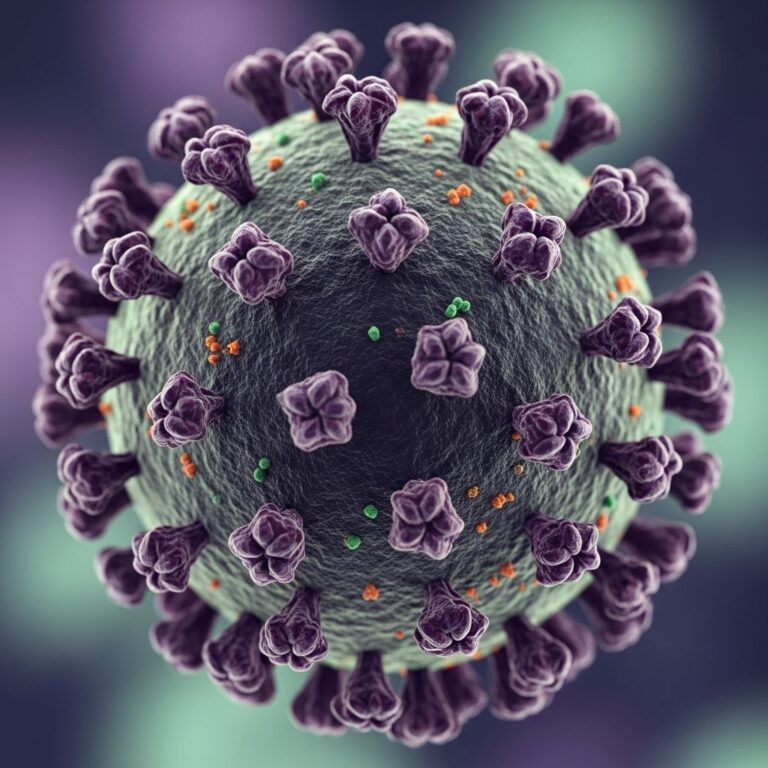
Remdesivir, marketed as Veklury, stands as a pivotal antiviral medication primarily utilized for managing COVID-19 in specific patient populations. Developed by Gilead Sciences, this broad-spectrum agent targets RNA viruses by disrupting their replication processes.
Historical Development and Evolution
Initially researched for hepatitis C, remdesivir’s applications expanded to filoviruses like Ebola and Marburg during outbreaks. Its potential against coronaviruses, including SARS-CoV-2, emerged from extensive in vitro studies demonstrating inhibition of viral replication across multiple strains.
The drug’s journey accelerated during the COVID-19 pandemic, leading to emergency authorizations and full approvals by regulatory bodies such as the FDA. Clinical trials underscored its role in reducing recovery time for hospitalized patients, positioning it as a cornerstone in antiviral therapy.
How Remdesivir Targets Viral Replication
Remdesivir functions as a prodrug, converting intracellularly into its active form, GS-441524 triphosphate. This nucleotide analogue mimics adenosine triphosphate (ATP) and competes for incorporation into the growing viral RNA chain by the viral RNA-dependent RNA polymerase (RdRp).
Unlike traditional chain terminators, remdesivir enables the addition of a few more nucleotides before halting synthesis—a delayed chain termination mechanism. This evades viral proofreading exonucleases, effectively curbing RNA production in viruses like SARS-CoV-2, SARS-CoV, and MERS-CoV.
Biochemical assays confirm high selectivity, with IC50 values around 100 nM against viral RdRp, while sparing human RNA polymerases, minimizing host cell toxicity.
Approved Clinical Applications
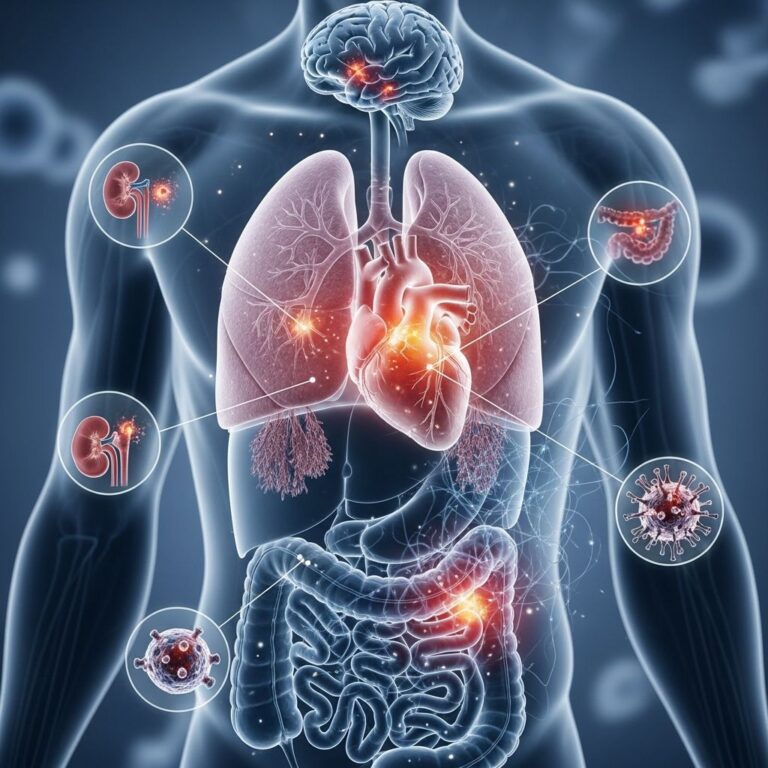
Remdesivir is indicated for treating COVID-19 in hospitalized adults and pediatric patients (from birth, weighing at least 3 kg) requiring oxygen support. It also serves non-hospitalized high-risk individuals with mild-to-moderate disease to prevent progression to severe illness.
In the European Union, approvals extend to adolescents aged 12+ (over 40 kg) with pneumonia needing oxygen, and at-risk adults without supplemental oxygen.
- Hospitalized patients: Those with lower respiratory tract involvement.
- Outpatient use: High-risk for hospitalization or death.
- Pediatric eligibility: Age ≥28 days and weight ≥3 kg.
Dosage Protocols and Administration
Administered intravenously, remdesivir requires dilution and infusion over 30-120 minutes. Treatment regimens vary by setting and patient status.
| Patient Group | Loading Dose | Maintenance Dose | Duration |
|---|---|---|---|
| Hospitalized Adults | 200 mg Day 1 | 100 mg daily | 5-10 days |
| Pediatrics (≥3 kg) | 5 mg/kg Day 1 | 5 mg/kg daily (max 200 mg loading, 100 mg maint.) | 3-10 days |
| Non-Hospitalized High-Risk | 200 mg Day 1 | 100 mg Days 2-3 | 3 days |
Dosing adjustments apply for renal impairment (eGFR <30 mL/min). No oral form exists; hospital monitoring is essential during infusion.
Safety Profile and Common Adverse Effects
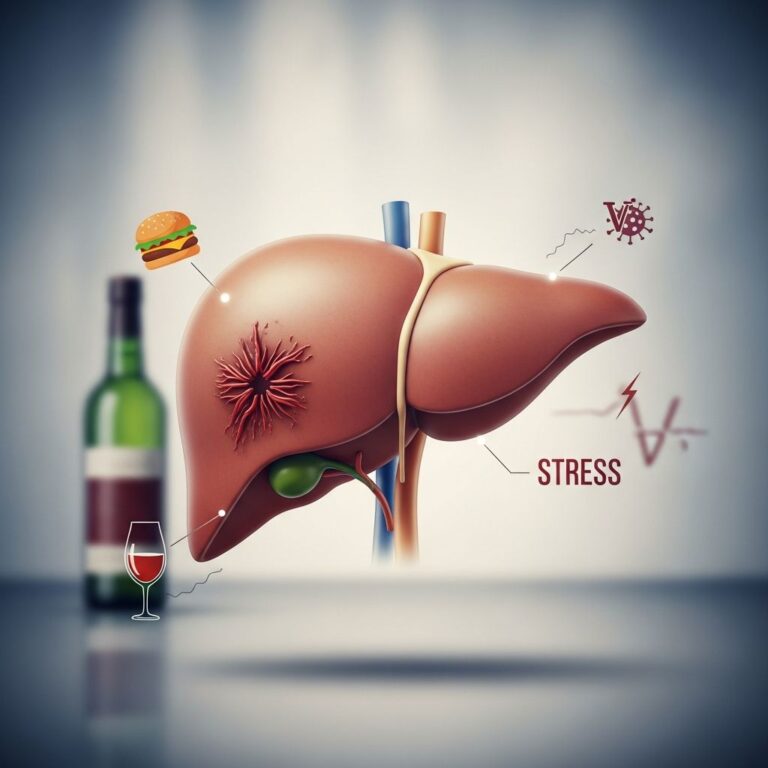
While generally tolerable, remdesivir carries risks including elevated liver enzymes (ALT/AST), nausea, and hypersensitivity reactions. Infusion-related symptoms like hypotension or wheezing occur in some cases.
- Hepatic monitoring: Check LFTs before and during therapy.
- Renal considerations: Avoid in severe impairment; monitor creatinine.
- Contraindications: Hypersensitivity to components.
Sulfobutylether-β-cyclodextrin (SBECD) excipient poses risks in renal dysfunction, accumulating in patients with low eGFR.
Monitoring and Patient Management
Healthcare providers must oversee therapy closely. Baseline assessments include renal function, liver tests, and oxygenation status. During treatment, watch for clinical deterioration or adverse events.
Related Stories



Collaboration among infectious disease specialists, pharmacists, and nurses optimizes outcomes. Early intervention for reactions ensures safety.
Special Populations and Considerations
Pregnancy and Lactation
Limited data exist; use only if benefits outweigh risks. Animal studies show no direct harm, but human trials are ongoing.
Pediatric Use
Approved for neonates and children, with weight-based dosing ensuring efficacy and safety.
Elderly and Comorbidities
Caution in those with hepatic/renal issues; adjust as per guidelines.
Drug Interactions and Precautions
Remdesivir may interact with CYP3A inducers/inhibitors, though primarily metabolized intracellularly. Chloroquine/hydroxychloroquine can reduce efficacy in vitro—avoid co-administration.
No significant food interactions due to IV route.
Clinical Evidence and Efficacy Data
Pivotal trials like ACTT-1 showed reduced recovery time (10 vs. 15 days) in oxygen-supported patients. Meta-analyses confirm modest mortality benefits in early severe disease.
Limitations include lack of robust mortality reduction in all subgroups and need for IV access.
Future Directions in Antiviral Therapy
Ongoing research explores oral formulations and combinations with monoclonal antibodies. Broader applications against emerging RNA viruses remain promising.
Frequently Asked Questions (FAQs)
What is remdesivir used for?
Primarily for COVID-19 in hospitalized patients or high-risk outpatients to prevent severe progression.
How is remdesivir given?
Via IV infusion; not available orally.
Are there side effects?
Yes, including liver enzyme elevations, nausea, and rare hypersensitivity.
Can children receive remdesivir?
Yes, from birth if ≥3 kg.
Does it cure COVID-19?
It shortens recovery but is not a cure; supportive care remains key.
References
- Remdesivir – Wikipedia — Wikimedia Foundation. 2026 (continuously updated). https://en.wikipedia.org/wiki/Remdesivir
- Remdesivir: A Review of Its Discovery and Development Leading to… — PMC (NCBI). 2020-04-29. https://pmc.ncbi.nlm.nih.gov/articles/PMC7202249/
- Remdesivir: Uses, Interactions, Mechanism of Action | DrugBank — DrugBank Online. 2026 (updated). https://go.drugbank.com/drugs/DB14761
- Remdesivir – StatPearls – NCBI Bookshelf — NCBI (NIH). 2026 (updated). https://www.ncbi.nlm.nih.gov/books/NBK563261/
- Remdesivir | Johns Hopkins ABX Guide — Johns Hopkins Medicine. 2026 (updated). https://www.hopkinsguides.com/hopkins/view/Johns_Hopkins_ABX_Guide/540753/all/Remdesivir
- Remdesivir Injection: MedlinePlus Drug Information — MedlinePlus (NIH). 2026 (updated). https://medlineplus.gov/druginfo/meds/a620033.html
- How remdesivir works, and why it’s not the ultimate coronavirus killer — Stanford Medicine. 2020-06. https://med.stanford.edu/news/insights/2020/06/how-remdesivir-works-and-why-its-not-the-ultimate-coronavirus-killer.html
- FDA Approves First Treatment for COVID-19 — U.S. Food and Drug Administration. 2020-10-22. https://www.fda.gov/news-events/press-announcements/fda-approves-first-treatment-covid-19
Similar Articles








Read full bio of medha deb