Remedies for Hand Cramps: Relief and Prevention
Discover effective remedies and prevention strategies for hand cramps and muscle spasms.
Understanding Hand Cramps and Muscle Spasms
Hand cramps are involuntary muscle contractions that can strike suddenly during work, hobbies, or rest, causing significant discomfort and disruption to daily activities. These painful episodes occur when muscles in the hand fail to relax properly, resulting in uncontrollable spasms that can range from mild to severe. Understanding the underlying causes of hand cramps is essential for effective treatment and long-term prevention.
Hand cramps typically result from muscle fatigue, electrolyte imbalances, or repetitive strain injuries. The sudden onset of these spasms can make even simple tasks challenging, affecting productivity and quality of life. For many people, hand cramps are occasional and minor, but for others, they can become a persistent problem requiring medical attention.
Common Causes of Hand Cramps
Hand cramps develop due to various factors, ranging from lifestyle habits to underlying medical conditions. Identifying the root cause is crucial for developing an effective treatment plan.
Muscle Fatigue and Overuse
One of the most common causes of hand cramps is muscle fatigue resulting from prolonged repetitive activities. Activities requiring fine motor control, such as typing, writing, playing musical instruments, painting, or crafting, can strain the hand muscles over extended periods. When muscles are overworked without adequate rest, they become fatigued and prone to cramping.
Dehydration and Electrolyte Imbalances
Proper hydration is essential for optimal muscle function. When the body lacks sufficient fluids, electrolyte balance becomes disrupted, leading to muscle excitability and cramping. Electrolytes—including calcium, magnesium, sodium, and potassium—play critical roles in muscle contraction and relaxation. Dehydration can occur through inadequate fluid intake, excessive sweating during exercise, or fluid loss from illness such as vomiting or diarrhea.
Poor Ergonomics and Hand Positioning
Improper hand and wrist positioning during repetitive tasks can place unnecessary strain on muscles and tendons. Poor ergonomics at work stations, incorrect grip on tools, or awkward hand positioning during activities can trigger muscle tension and eventual cramping. This is particularly common among office workers, musicians, and craftspeople.
Underlying Medical Conditions
Several health conditions are associated with hand cramps. Carpal tunnel syndrome causes nerve compression and reduced blood flow to the hands, potentially triggering cramps. Diabetes can impair circulation, resulting in neuropathy and diabetic stiff hand syndrome, which limits finger movement and causes spontaneous hand contractions. Rheumatoid arthritis and other inflammatory joint conditions can affect muscle function and contribute to cramping.
Immediate Relief Strategies for Hand Cramps
When hand cramps strike, several home remedies can provide quick relief and help restore normal function.
Stop the Triggering Activity
The first step in managing an acute hand cramp is to cease the activity that triggered it. This allows muscles to begin the relaxation process without continued strain or stimulation.
Related Stories



Gentle Stretching Exercises
Slowly bending and straightening the fingers can provide rapid relief from hand cramps. Gentle stretching helps relax contracted muscles and restore flexibility. One effective technique involves slowly extending the fingers fully, holding for a few seconds, then relaxing. This can be repeated several times until the cramp subsides. Additionally, gently pulling each finger backward or extending the wrist can help alleviate cramping.
Massage and Rubbing
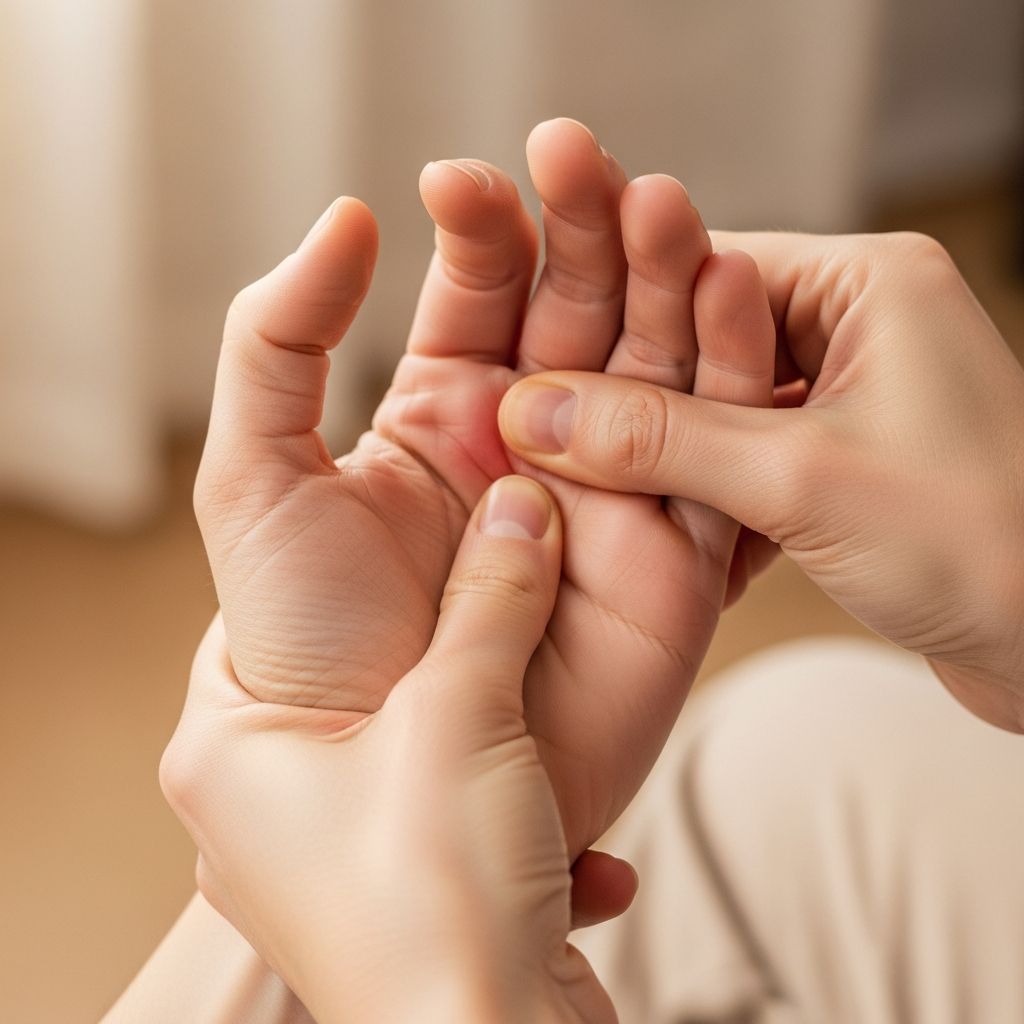
Focused massage of the affected area increases blood flow and promotes muscle relaxation. Gently rubbing the cramped muscles in circular motions can reduce tension and provide comfort. Massage should be performed carefully to avoid adding additional strain to already-stressed muscles.
Apply Heat
Heat therapy is one of the most effective immediate treatments for hand cramps. Using a warm towel or soaking the hand in warm water helps relax muscles and reduces spasms. Heat increases blood circulation to the affected area, facilitating oxygen delivery and promoting healing. A warm bath or heating pad can be applied for 10-15 minutes for maximum benefit.
Increase Fluid Intake
Drinking more water or electrolyte-containing beverages helps address dehydration-related cramping. For individuals who exercise intensely or work in hot environments, consuming fluids with electrolytes may provide additional benefits.
Long-Term Prevention Strategies
While immediate relief techniques address acute symptoms, long-term prevention is more effective for reducing the frequency and severity of hand cramps.
Ergonomic Adjustments
Creating an ergonomic work environment is fundamental to preventing hand cramps. This includes maintaining a properly set-up workstation that supports natural hand and wrist positions. When using keyboards, maintain wrists in a neutral position. Use ergonomic keyboards or wrist supports if needed. Adjust chair height and monitor position to promote proper posture.
Regular Breaks and Rest
Taking short, frequent breaks during repetitive activities significantly reduces the risk of hand muscle overwork. Following the 20-20-20 rule—every 20 minutes, take a 20-second break and look at something 20 feet away—can help prevent strain-related cramps. These breaks allow muscles to recover and prevent fatigue accumulation.
Strength and Stretching Routines
Daily hand strengthening and stretching exercises help maintain muscle health and prevent future cramping. Gentle exercises such as squeezing a soft ball, finger extensions, or wrist rotations can build hand strength and flexibility. These exercises should be performed regularly but carefully to avoid overexertion.
Proper Technique and Posture
Using correct form and posture during repetitive hand movements reduces unnecessary strain. This includes maintaining proper grip pressure on tools—neither too tight nor too loose—and using correct typing technique with relaxed shoulders and neutral wrist position.
Temperature Management
Keeping hands warm prevents muscles from becoming tight and prone to cramping. Wearing gloves in cold environments and maintaining comfortable hand temperature can help prevent cramp episodes. Cold temperatures cause muscle contraction, increasing cramping risk.
Nutritional Support for Hand Health
Proper nutrition plays a vital role in preventing hand cramps by supporting optimal muscle function.
Essential Minerals and Electrolytes
A balanced diet rich in muscle-supporting minerals is crucial for preventing cramps. Key nutrients include:
- Magnesium: Found in leafy greens, nuts, seeds, and whole grains, magnesium supports muscle relaxation and contraction
- Calcium: Chia seeds, yogurt, almonds, and leafy greens provide calcium essential for muscle function
- Potassium: Avocados, citrus fruits, bananas, and sweet potatoes contain potassium needed for muscle contraction
- Sodium: While often over-consumed, adequate sodium is necessary for proper muscle function
Hydration and Electrolyte Supplements
Maintaining adequate hydration is essential for preventing dehydration-related cramps. For those engaging in intense exercise or working in hot environments, adding an electrolyte supplement to water may provide additional benefits. However, consult with a healthcare provider before adding any supplements to your routine.
Vitamins and Additional Supplements
Some research suggests that certain supplements may help prevent muscle cramps, though evidence varies. Supplementing with vitamin B complex, vitamin D, or additional magnesium and calcium may be beneficial for some individuals. Always consult with a healthcare provider before beginning any supplement regimen, as supplements can interact with medications or existing health conditions.
Lifestyle Modifications for Cramp Prevention
Integrating comprehensive lifestyle changes can significantly reduce hand cramp frequency and severity.
Optimal Nutrition and Anti-Inflammatory Diet
An anti-inflammatory diet rich in whole foods, fruits, vegetables, and lean proteins supports overall muscle health. Foods rich in omega-3 fatty acids, antioxidants, and phytonutrients can reduce inflammation and support optimal muscle function.
Daily Movement and Exercise
Regular, varied exercise improves circulation, supports muscle health, and reduces overall muscle tension. Low-impact exercises such as swimming, walking, and cycling are particularly beneficial for those prone to hand cramps, as they improve cardiovascular health without placing excessive strain on hands.
Stress Management and Meditation
Stress and tension contribute to muscle cramping. Regular meditation, deep breathing exercises, and stress-reduction techniques can help relax muscles and reduce cramp frequency. Progressive muscle relaxation techniques specifically targeting hand and forearm muscles may be particularly beneficial.
Adequate Sleep
Quality sleep is essential for muscle recovery and overall health. During sleep, the body repairs muscle tissue and restores electrolyte balance. Aim for 7-9 hours of quality sleep nightly to support optimal muscle function.
Personalized Prevention Approaches
Research demonstrates that personalized prevention strategies are more effective than general approaches. A one-size-fits-all prevention plan may not address the specific causes of an individual’s hand cramps. Instead, tailored strategies that identify and address the particular underlying factors are more likely to succeed. For example, if hand cramps result from dehydration, increasing fluid intake may be the primary focus. If caused by ergonomic issues, workstation modifications become paramount. Working with a healthcare provider or occupational therapist to develop a personalized plan can significantly improve outcomes.
When to Seek Medical Attention
While most hand cramps are minor and manageable with home treatments, certain situations warrant professional medical evaluation. Seek medical attention if:
- Hand cramps are severe, frequent, or disabling
- Cramps persist despite home treatment and prevention measures
- Cramps interfere significantly with daily activities or work
- Accompanying symptoms such as numbness, tingling, or weakness develop
- Hand cramps follow an injury
- You suspect an underlying medical condition
A healthcare provider can properly diagnose the cause of hand cramps and recommend appropriate treatment, which may include physical therapy, prescription medications, or management of underlying conditions.
Advanced Treatment Options
For severe or persistent hand cramps, several advanced treatment options may be considered under medical supervision.
Physical Therapy
Professional physical therapy can address underlying biomechanical issues and muscle imbalances. Therapists can teach specific exercises, provide hands-on treatment, and help optimize ergonomics and movement patterns.
Occupational Therapy
Occupational therapists specialize in helping patients adapt activities and environments to reduce strain and improve function. They can recommend specific tools, splints, or modifications to workstations or activities.
Medication Considerations
For severe hand cramps, healthcare providers may recommend non-prescription pain relievers to manage discomfort. However, research shows that many commonly used medications for muscle cramps have limited evidence of effectiveness or significant side effects. Quinine, once widely used for muscle cramps, is now discouraged for general use due to serious adverse effects occurring in approximately 1 in 25 cases. Other medications such as calcium-channel blockers or anti-epileptic drugs may be considered, though more research is needed to establish their effectiveness.
Emerging Therapies
For specific conditions such as writer’s cramp or musician’s dystonia, Botulinum toxin therapy has shown some improvement in symptoms, though research in this area continues.
Frequently Asked Questions About Hand Cramps
Q: Are hand cramps serious?
A: In most cases, hand cramps are benign and result from minor causes such as muscle fatigue or dehydration. However, frequent or severe cramps can sometimes signal underlying medical conditions requiring professional evaluation. If cramps persist or are accompanied by other symptoms, consult a healthcare provider.
Q: How long do hand cramps typically last?
A: Most hand cramps resolve within minutes, particularly when treated with immediate relief techniques such as stretching, massage, and heat. However, cramping caused by overuse may persist until the underlying strain is addressed and muscles have adequate recovery time.
Q: Can I prevent hand cramps completely?
A: While complete prevention may not always be possible, implementing comprehensive prevention strategies can significantly reduce the frequency and severity of hand cramps. This includes maintaining proper ergonomics, staying hydrated, taking regular breaks, and performing strength and flexibility exercises.
Q: Should I use heat or cold for hand cramps?
A: Heat is generally more effective for acute hand cramps, as it relaxes muscles and increases blood flow. Cold therapy may be appropriate if inflammation is present. Most people find warm water soaks or heating pads most helpful for immediate relief.
Q: Is it safe to use supplements to prevent hand cramps?
A: Many supplements may support muscle health, including magnesium, calcium, and B vitamins. However, always consult with a healthcare provider before beginning any supplement regimen, as some supplements can interact with medications or existing health conditions.
Q: Can dehydration really cause hand cramps?
A: Yes, dehydration is a common cause of hand cramps. When the body lacks sufficient fluids, electrolyte balance becomes disrupted, leading to muscle excitability and cramping. Maintaining adequate hydration helps prevent dehydration-related cramps.
Q: What ergonomic changes can help prevent hand cramps?
A: Key ergonomic adjustments include maintaining a properly positioned workstation, using ergonomic keyboards, taking regular breaks, maintaining neutral wrist position while typing, and using correct posture. An occupational therapist can provide specific recommendations tailored to your individual needs.
Key Takeaways
Hand cramps are often caused by minor, manageable concerns including muscle fatigue, dehydration, and poor ergonomics. Most cases respond well to home treatment strategies including stretching, massage, heat therapy, and increased hydration. Long-term prevention through ergonomic adjustments, regular exercise, proper nutrition, and adequate hydration is highly recommended for reducing cramp frequency and severity. Personalized prevention strategies addressing individual causes are more effective than general approaches. While most hand cramps resolve quickly, severe or frequent cramping warrants professional medical evaluation to rule out underlying conditions. By implementing comprehensive prevention strategies and seeking appropriate care when needed, most people can effectively manage hand cramps and maintain comfortable hand function.
References
- Muscle Cramps in Hands: Diagnosis, Treatment, and Prevention — Rupa Health. 2024. https://www.rupahealth.com/post/muscle-cramps-in-hands-diagnosis-treatment-and-prevention
- Hand Cramps: Symptoms, Causes, and Home Remedies — Medical News Today. 2023. https://www.medicalnewstoday.com/articles/319951
- Review Finds Painfully Few Surefire Treatments for Muscle Cramps — Stanford Medicine News. February 23, 2010. https://med.stanford.edu/news/all-news/2010/02/review-finds-painfully-few-surefire-treatments-for-muscle-cramps.html
- Effective Techniques to Prevent and Relieve Hand Cramps Quickly — DHgate Health & Wellness. 2024. https://smart.dhgate.com/effective-techniques-to-prevent-and-relieve-hand-cramps-quickly/
Similar Articles








Read full bio of Sneha Tete