Renal Scan: Purpose, Procedure, Risks & Results
Complete guide to renal scans: How nuclear medicine imaging detects kidney function and disease.
What Is a Renal Scan?
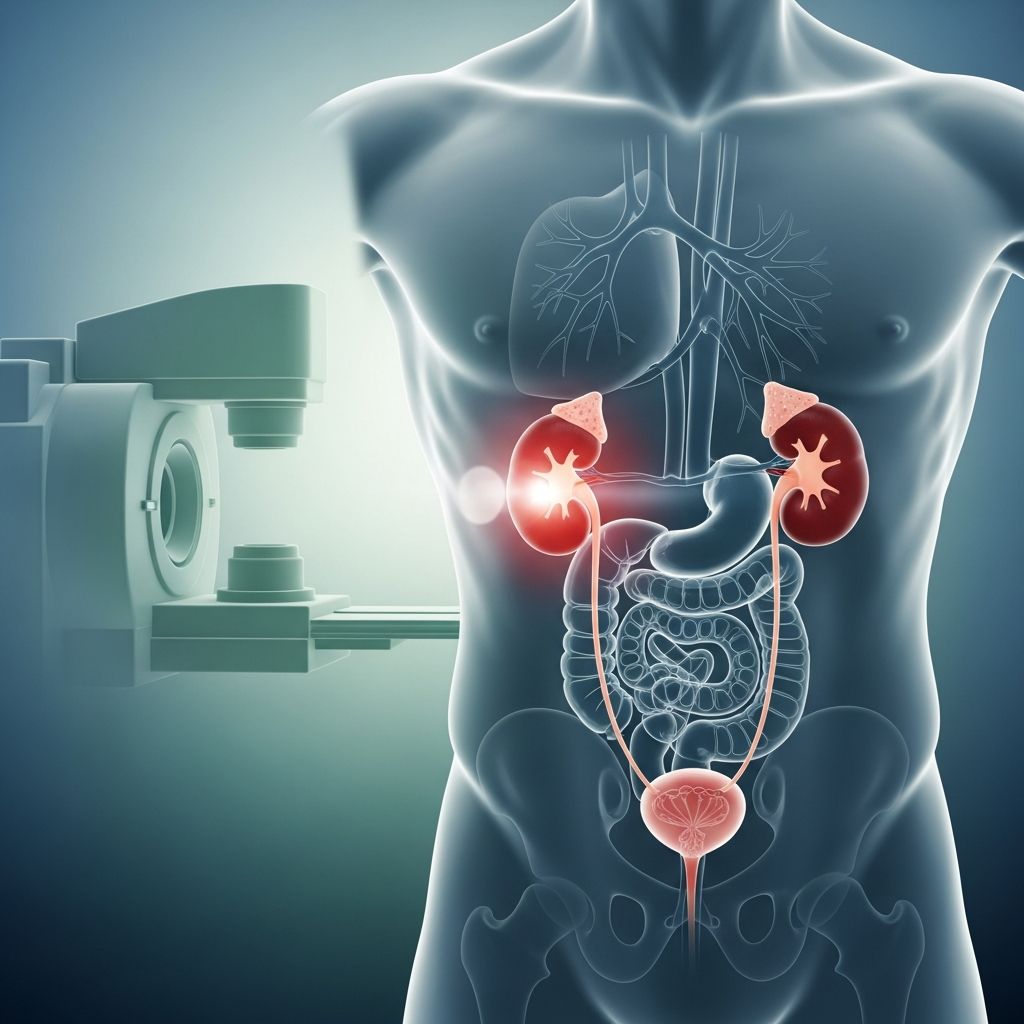
A renal scan, also known as a kidney scan, is a nuclear medicine imaging test that evaluates how well your kidneys function. During this non-invasive procedure, a healthcare provider injects a small amount of radioactive material into your vein. A specialized camera then captures detailed images of your kidneys, allowing physicians to assess kidney function, blood flow patterns, and urine movement through the urinary system. The procedure is generally safe, using significantly less radiation than a standard X-ray.
This diagnostic test provides valuable information about kidney health and helps detect abnormalities that might not be visible on other imaging studies. By visualizing how blood flows into and out of your kidneys and how urine flows between your organs, renal scans offer unique functional insights rather than just structural images.
Why Your Doctor Might Order a Renal Scan
Healthcare providers order renal scans when they suspect kidney dysfunction or need to monitor existing kidney conditions. Common reasons for ordering this test include:
- Detecting reduced kidney function or poor kidney performance
- Identifying blockages in the urinary system
- Evaluating kidney damage from injury or disease
- Monitoring kidneys following transplant surgery
- Assessing kidney perfusion and filtration rates
- Investigating suspected urinary tract obstructions
- Evaluating patients with elevated creatinine levels or proteinuria
Your doctor may order a renal scan after observing signs of reduced kidney function on preliminary tests. This imaging test helps confirm diagnoses and guide treatment decisions.
What Does a Renal Scan Diagnose?
Renal scans are instrumental in diagnosing various kidney conditions and urinary system problems. These include:
- Chronic kidney disease
- Acute kidney injury
- Kidney obstruction or blockage
- Kidney scarring from infection or reflux
- Renovascular hypertension
- Split kidney function assessment
- Renal artery stenosis
- Vesicoureteral reflux complications
- Post-transplant kidney complications
Types of Renal Scans
Nuclear medicine specialists use four primary types of renal scans, each providing different functional information about your kidneys:
MAG3 Scan (Mercaptoacetyltriglycine)
The MAG3 renal scan evaluates tubular secretion and overall kidney function. This test measures how effectively your kidneys filter and process waste, making it particularly useful for assessing kidney perfusion and detecting obstruction. The radiotracer follows the path of urine through your kidneys, ureters, and bladder in real-time.
DMSA Scan (Dimercaptosuccinic Acid)
This scan focuses on kidney cortex imaging and is primarily used to detect scarring and assess individual kidney function. The DMSA tracer binds to kidney tissue, providing detailed images of kidney structure and permanent damage from infections or reflux.
DTPA Scan (Diethylenetriaminepentaacetic Acid)
The DTPA scan measures glomerular filtration rate and tracks how quickly your kidneys filter waste from your blood. This test is valuable for detecting obstruction and evaluating overall kidney filtration capacity.
Related Stories



Lasix Scan
This specialized test combines renal imaging with Lasix (furosemide) injection to differentiate between true obstruction and dilated collecting systems. It helps determine whether apparent blockages require surgical intervention.
Before Your Renal Scan Procedure
Proper preparation ensures accurate results and optimal image quality. Follow these pre-procedure guidelines:
Medication Management
Create a comprehensive list of all medications, including vitamins and herbal supplements. Certain medications can affect your scan results. Specifically, nonsteroidal anti-inflammatory drugs (NSAIDs) such as ibuprofen (Advil®, Motrin®) and aspirin (Bayer®, St Joseph®) may need to be discontinued several days before your appointment. Discuss with your healthcare provider which medications to continue or pause.
Hydration and Scheduling
Stay well-hydrated before your scan unless otherwise instructed. Wear comfortable, loose-fitting clothing and avoid jewelry or metal accessories. Inform your healthcare provider if you’re pregnant, nursing, or have any allergies, particularly to contrast agents.
Patient Instructions
Arrive 15 minutes early for your appointment. Empty your bladder before the procedure begins. If you have claustrophobia or anxiety about medical procedures, inform the nuclear medicine technologist so they can provide appropriate support.
During the Renal Scan Procedure
Understanding what happens during your test can help reduce anxiety and ensure cooperation for the best results.
Tracer Injection
A nuclear medicine technologist inserts an IV line into your arm and injects a small amount of radioactive tracer material. The injection itself causes minimal discomfort—you may feel only a slight pinch. The radioactive dose is very small and poses negligible health risks.
Imaging Phase
After injection, the technologist positions you on an imaging table beneath a gamma camera. The camera detects radiation emitted by the tracer as it moves through your kidneys and urinary system. You must remain still during imaging to ensure clear, artifact-free pictures. The gamma camera does not emit radiation; it only detects the tracer’s emissions.
Procedure Duration
The total procedure length varies by scan type, typically ranging from 30 minutes to two hours. Your healthcare provider will provide a specific timeframe before your appointment. Some scans require delayed imaging 2-4 hours after tracer injection to assess drainage and clearance.
Post-Injection Care
After the IV is removed, you may return to normal activities immediately. The radiotracer gradually leaves your body through urine over the next 24 hours, causing no discomfort or pain.
Safety Precautions After Your Scan
Although radiation exposure from renal scans is minimal, consider these precautions:
- Avoid close contact with children for a few hours after the procedure
- Limit contact with pregnant women for several hours
- Drink extra fluids to help flush the tracer from your system
- Wash your hands after using the bathroom
Understanding Your Renal Scan Results
A nuclear medicine technologist or radiologist interprets your scan images and generates a detailed report sent to your healthcare provider. Your provider will contact you to discuss findings and outline next steps.
Normal Results
Normal results indicate both kidneys are functioning well, with appropriate blood flow and urine drainage. No blockages, scarring, or significant functional differences between kidneys are evident.
Abnormal Results
Abnormal findings may indicate reduced kidney function, obstruction, scarring, perfusion problems, or other kidney pathology. Your healthcare provider may recommend additional diagnostic tests to confirm a specific diagnosis, including:
- CT or MRI imaging
- Ultrasound studies
- Blood and urine tests
- Cystoscopy or other urologic evaluation
Risks and Side Effects
Renal scans carry minimal risk, with complications being exceptionally rare. The radiation exposure is significantly lower than conventional X-ray imaging.
Potential Risks Include:
- Mild allergic reaction to the radiotracer (very uncommon)
- Infection at the IV injection site
- Bruising at the needle puncture site
- Minimal radiation exposure
- Discomfort from remaining still for extended periods
Serious adverse events are exceptionally rare. The benefits of accurate kidney function assessment typically far outweigh the minimal risks associated with this diagnostic procedure.
Who Should Avoid Renal Scans
Certain populations require special consideration:
- Pregnant women (unless absolutely medically necessary)
- Nursing mothers (may need to pump and discard breast milk temporarily)
- Patients with severe contrast allergies
- People with extreme anxiety or claustrophobia (alternative approaches may be available)
Discuss any concerns or special circumstances with your healthcare provider before scheduling.
Advantages of Renal Scans
Renal scans offer several advantages over alternative diagnostic methods:
- Functional assessment rather than just structural imaging
- Real-time visualization of kidney blood flow and drainage
- Detection of early kidney disease and obstruction
- Low radiation exposure compared to CT scans
- Non-invasive procedure with minimal patient preparation
- Excellent for monitoring transplanted kidneys
- Ability to assess individual kidney function separately
Frequently Asked Questions
How long do renal scan results take?
A radiologist typically reviews your images and generates a report within 24-48 hours. Your healthcare provider will contact you with results and discuss any necessary follow-up steps.
Is a renal scan painful?
No, the procedure is painless. You may feel slight discomfort from the IV insertion, but imaging itself causes no pain. You must remain still for extended periods, which some patients find uncomfortable, but this is not painful.
Can I eat or drink before my renal scan?
There are typically no fasting requirements for renal scans. However, stay well-hydrated unless otherwise instructed by your healthcare provider. Confirm any specific pre-procedure instructions when scheduling.
What if I’m claustrophobic?
The gamma camera is not a closed tunnel like an MRI. However, if you have significant anxiety, inform the technologist, who can provide reassurance and support. Some facilities allow family members to remain nearby during the procedure.
How often can you have a renal scan?
Renal scans can be repeated as clinically necessary. The radiation exposure is minimal and comparable to natural background radiation, making repeated procedures generally safe when medically indicated.
Can a renal scan detect cancer?
While renal scans primarily assess kidney function rather than structure, they may detect some abnormalities. Ultrasound, CT, or MRI scans are typically better for detecting kidney masses or tumors. Your physician will recommend appropriate imaging based on your specific clinical situation.
Is the radioactive tracer dangerous?
The radioactive tracer used in renal scans is designed to minimize radiation exposure while providing clear diagnostic images. The amount injected is carefully calculated for your body size and age. Radiation exposure is typically less than you receive from natural background radiation during a year.
Can I return to work after my scan?
Yes, you can return to normal activities immediately after your renal scan. No recovery period is necessary, and you should experience no lingering effects from the procedure.
When to Contact Your Healthcare Provider
Reach out to your healthcare provider if you experience:
- Signs of infection at the injection site (redness, warmth, pus)
- Persistent swelling or bruising that worsens after several days
- Allergic reactions (rash, difficulty breathing, swelling)
- Unexplained fever after your procedure
- Questions about your results or recommended follow-up
- Concerns about interpreting your scan findings
Conclusion
Renal scans represent a valuable diagnostic tool for evaluating kidney function and detecting urinary system abnormalities. With minimal radiation exposure, no serious side effects, and immediate resumption of normal activities, these nuclear medicine tests provide clinically important information to guide treatment decisions. If your healthcare provider recommends a renal scan, you can proceed with confidence, knowing this safe, effective procedure has been used successfully for decades to improve patient outcomes through early disease detection and accurate kidney function assessment.
References
- Renal Scan: Purpose, Procedure, Risks & Results — Cleveland Clinic. 2024. https://my.clevelandclinic.org/health/diagnostics/21976-renal-scan-kidney-scan
- Renal MAG3 Scan: What It Is, Purpose, Procedure & Side Effects — Cleveland Clinic. 2024. https://my.clevelandclinic.org/health/diagnostics/15365-renal-mag3-scan
- Point of care parenchymal volume analyses to estimate split renal function and predict functional outcomes after radical nephrectomy — National Center for Biotechnology Information (NCBI). https://pmc.ncbi.nlm.nih.gov/articles/PMC10110585/
- Kidney Function Tests: Types, Results & Follow Up — Cleveland Clinic. 2024. https://my.clevelandclinic.org/health/diagnostics/21659-kidney-function-tests
- Kidney Ultrasound: Purpose, Procedure & Results — Cleveland Clinic. 2024. https://my.clevelandclinic.org/health/diagnostics/15764-kidney-ultrasound
Similar Articles








Read full bio of Sneha Tete