Renal Vascular Disease: Causes, Symptoms, and Treatment
Comprehensive guide to renal vascular disease: understanding causes, recognizing symptoms, and exploring treatment options.
Understanding Renal Vascular Disease
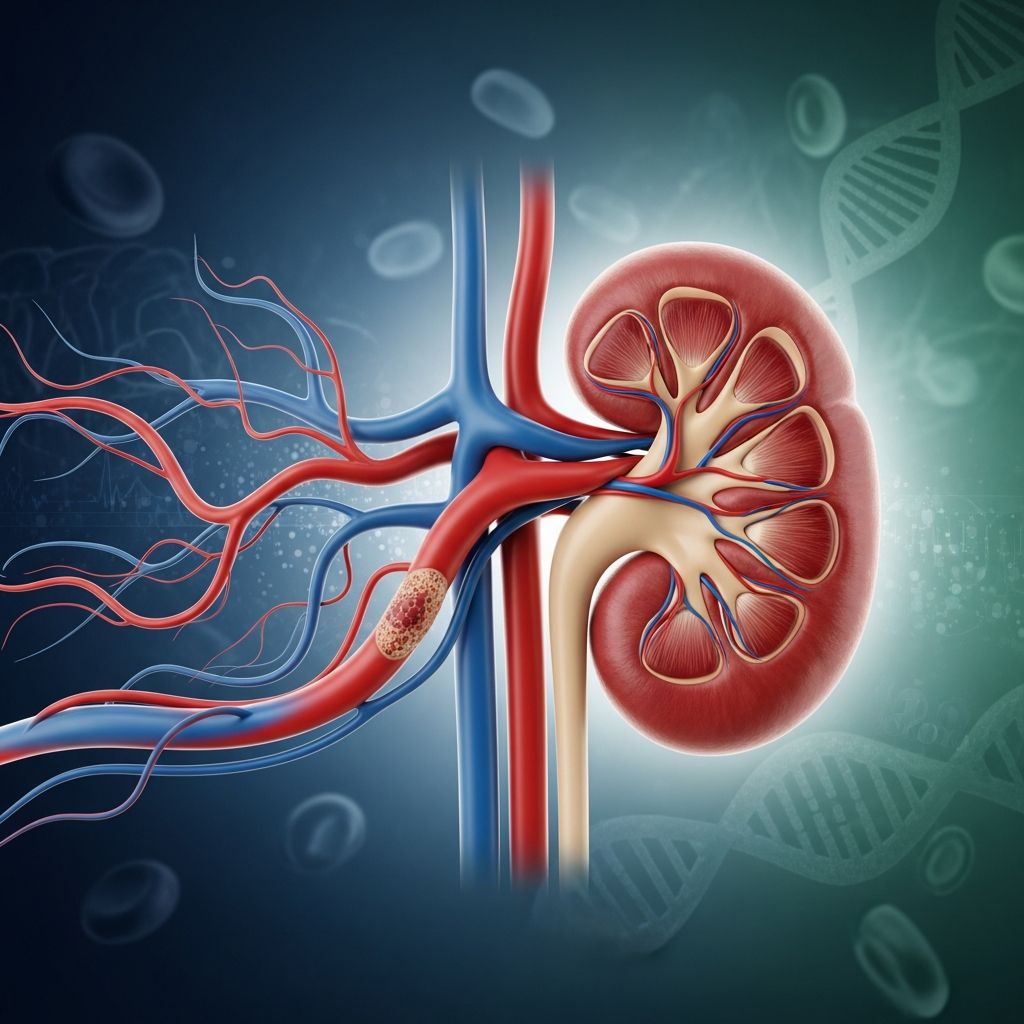
Renal vascular disease encompasses a group of conditions that affect the blood vessels supplying the kidneys, including the renal arteries and veins. This disease can significantly impact kidney function and overall cardiovascular health, potentially leading to kidney damage, kidney failure, and high blood pressure. When the renal arteries become narrowed or blocked, blood flow to the kidneys is reduced, triggering a cascade of complications that require prompt medical attention and management.
The kidneys play a vital role in filtering waste products and excess water from the blood to form urine, as well as regulating blood pressure through complex hormonal mechanisms. When renal vascular disease compromises these functions, patients may experience progressive health deterioration that affects multiple organ systems. Understanding this condition is essential for patients, healthcare providers, and anyone concerned about kidney health and cardiovascular wellness.
Types of Renal Vascular Disease
Renal vascular disease manifests in several distinct forms, each with unique characteristics, causes, and treatment approaches. Healthcare providers classify these conditions based on the specific blood vessels affected and the nature of the vascular obstruction or damage.
Renal Artery Stenosis
Renal artery stenosis (RAS) is a blockage of an artery to the kidneys that may cause kidney failure and hypertension. This condition represents the most common form of renal vascular disease and is the leading cause of secondary hypertension, accounting for a significant percentage of high blood pressure cases. Atherosclerosis, the buildup of plaque in artery walls, causes the majority of renal artery stenosis cases in the United States. Smokers have a greater risk of developing RAS, and it is most common in men between the ages of 50 and 70. High cholesterol, diabetes, being overweight, and having a family history of cardiovascular disease are also significant risk factors for RAS.
Renal Artery Thrombosis
Renal artery thrombosis is the formation of a clot in a renal artery. A thrombosis of a renal artery may cause kidney failure because of blocked blood flow to the kidney. This condition may result from trauma, infection, inflammatory disease, renal artery aneurysm, renal cell cancer, or fibromuscular dysplasia. Thrombosis can develop either acutely (suddenly) or gradually, with gradual or incomplete clots sometimes remaining undetected without causing obvious symptoms.
Renal Artery Aneurysm
A renal artery aneurysm is a bulging, weakened area in the wall of an artery to the kidney. Most of these aneurysms are small (less than two centimeters, or about three-quarters of an inch) and without symptoms. Renal artery aneurysms are uncommon and are generally discovered during diagnostic procedures performed in relation to other conditions. However, larger aneurysms or those that are growing require careful monitoring and potential intervention.
Renal Vein Thrombosis
Renal vein thrombosis involves the formation of a clot in the renal vein, the vessel that carries blood away from the kidney. Conditions associated with renal vein thrombosis include trauma, compression of a renal vein by adjacent structures such as tumors or aneurysms, nephrotic syndrome, pregnancy, administration of steroid medications, and use of oral contraceptives. This condition can develop gradually or suddenly, presenting different clinical pictures based on the rate of clot formation.
Atheroembolic Renal Disease
Atheroembolic renal disease occurs when atherosclerotic material breaks loose and travels through the bloodstream, lodging in the small blood vessels of the kidneys. This can result from atherosclerotic plaque in larger vessels that dislodges and migrates downstream. Treatment depends on the extent of disease and individual circumstances, potentially including both medical and surgical interventions.
Related Stories



Causes and Risk Factors
Understanding the underlying causes of renal vascular disease is crucial for prevention and early intervention. Multiple factors contribute to the development of this condition, ranging from lifestyle choices to genetic predisposition.
Primary Causes
The main cause of renal vascular disease is atherosclerosis, which is the buildup of plaque in the artery wall causing narrowing or blockage. Beyond atherosclerosis, other significant causes include aneurysms, birth defects, certain medications, injury, infections, inflammation or other underlying diseases, pregnancy, surgery, and tumors.
Risk Factors
Several modifiable and non-modifiable risk factors increase the likelihood of developing renal vascular disease:
– Older age- Smoking- High cholesterol- Diabetes- High blood pressure- Morbid obesity- Fibromuscular dysplasia- Coronary artery disease- Heavy alcohol use or substance use- Being a woman (for certain conditions)
Smokers face a particularly elevated risk, as do individuals with multiple cardiovascular risk factors. The presence of one risk factor significantly increases the probability of developing renal vascular disease, while the concurrent presence of multiple risk factors compounds the risk substantially.
Symptoms and Clinical Presentation
Renal vascular disease symptoms vary depending on the type of disease and the degree of vascular involvement present. Many patients may be asymptomatic in early stages, making routine screening important for at-risk populations.
Common Symptoms
When symptoms do manifest, they may include:
– High blood pressure or sudden onset of hypertension- High blood pressure that does not respond to blood pressure medications- Hypertension that becomes worse over time- Pain in the sides of the abdomen, legs, or thighs- Sudden, severe swelling in the leg- Blood in the urine- Protein in the urine- Increased urea in the blood- An enlarged kidney that a physician can feel- Fever, nausea, or vomiting- Difficulty breathing- Weakness or fatigue- Unexplained kidney failure- Diarrhea- Weight loss- Muscle aches- Skin lesions or reddish discoloration- Discolored areas of the toes and feet
Asymptomatic Nature
Importantly, renal vascular disease is generally asymptomatic in many patients, and hypertension may be present in up to 90 percent of persons with the disease. This underscores the importance of regular blood pressure monitoring and screening, particularly for individuals with multiple risk factors. Renovascular conditions typically develop slowly and worsen over time, making early detection crucial for preventing irreversible kidney damage.
Diagnosis and Testing
Accurate diagnosis of renal vascular disease involves a comprehensive approach combining clinical evaluation with advanced diagnostic imaging and laboratory tests.
Diagnostic Methods
Renal vascular disease is diagnosed through one or more of the following approaches:
– Repeat blood pressure measurements to establish hypertension patterns- Blood and urine tests to assess kidney function and identify abnormalities- Diagnostic imaging, including CT and MRI scans for detailed visualization- Vascular ultrasound to evaluate blood flow through renal vessels- Arteriography, an invasive imaging technique that provides detailed vessel visualization
These tests work together to identify the presence, location, and severity of vascular blockages or abnormalities. Laboratory tests may reveal elevated urea levels, proteinuria (protein in urine), or other markers of kidney dysfunction. Imaging studies provide anatomical details necessary for treatment planning.
Treatment Options
Treatment approaches for renal vascular disease vary depending on the specific type of condition present, the severity of the vascular lesion, and individual patient factors.
Medical Treatment
Conservative medical management forms the foundation of treatment for many patients and includes:
– Antihypertensive drugs to control high blood pressure- Cholesterol-lowering medication if atherosclerosis is present- Medications to manage diabetes and other related conditions- Dietary modifications, including reduced sodium and fat intake- Regular exercise and lifestyle modifications- Anticoagulant medications when blood clots are present
Medical therapy aims to manage symptoms, slow disease progression, preserve kidney function, and reduce cardiovascular complications. Blood pressure medications are typically the first-line treatment, with additional agents added as needed to achieve target blood pressure goals.
Surgical and Interventional Treatment
When medical management alone proves insufficient or when specific conditions warrant more aggressive intervention, surgical and endovascular options become appropriate:
Renal Artery Stenosis Treatment
Surgical treatments for renal artery stenosis include endovascular procedures such as angioplasty and stent placement, as well as open surgery to bypass the blocked renal artery. Angioplasty involves balloon inflation within the narrowed vessel to restore blood flow, while stent placement provides structural support to maintain vessel patency.
Renal Artery Thrombosis Treatment
Treatment of renal artery thrombosis depends on whether the thrombosis is acute or chronic and the time elapsed since the thrombosis occurred. In acute situations, thrombolytic (clot-busting) medication may be infused into the renal artery for several hours to several days to break up the clot. Surgery to remove the clot or bypass the artery may be performed in some situations.
Renal Artery Aneurysm Treatment
Larger aneurysms (greater than two centimeters), dissecting aneurysms, aneurysms causing kidney ischemia and hypertension, aneurysms that are growing larger, and aneurysms causing symptoms may be treated surgically. Because of the increased risk for rupture, a renal artery aneurysm in a pregnant woman or a woman of childbearing age will generally be treated surgically.
Renal Vein Thrombosis Treatment
Renal vein thrombosis is generally treated medically with anticoagulant (blood-clot preventing) medication. Anticoagulants may be given intravenously (IV) for several days, then given orally for several weeks up to an indefinite period of time.
Atheroembolic Renal Disease Treatment
Treatment of atheroembolic renal disease depends on the extent of the disease and the individual situation. Medical treatment may include medications to reduce cholesterol, blood pressure, and other related medical conditions, such as diabetes. Surgical treatment may include various interventions tailored to the specific extent and location of disease.
Pediatric Considerations
Renal vascular disease can also affect children, though it is less common in pediatric populations than in adults. At specialized pediatric centers, renal vascular disease in children is treated using interventional cardiac catheterization, specifically angioplasty, which offers a minimally invasive approach to restoring blood flow through narrowed or blocked renal vessels.
Frequently Asked Questions
Q: What is the most common cause of renal vascular disease?
A: Atherosclerosis, the buildup of plaque in artery walls, is the primary cause of renal vascular disease in the United States. This is particularly common in older adults and those with cardiovascular risk factors.
Q: Can renal vascular disease be prevented?
A: While some risk factors like age and genetics cannot be controlled, many modifiable risk factors can be managed through lifestyle modifications, including smoking cessation, maintaining a healthy weight, controlling blood pressure and cholesterol, managing diabetes, limiting alcohol consumption, and regular exercise.
Q: How often should people at risk be screened for renal vascular disease?
A: Individuals with multiple cardiovascular risk factors, persistent hypertension despite medication, or a family history of renal disease should discuss screening with their healthcare provider. Regular blood pressure monitoring and periodic renal function tests are typically recommended for at-risk populations.
Q: Is renal vascular disease curable?
A: While some forms of renal vascular disease can be effectively managed with surgical or endovascular intervention combined with medical therapy, the underlying disease process (such as atherosclerosis) is typically progressive. Early detection and aggressive management of risk factors are essential for preventing disease progression and preserving kidney function.
Q: What is the prognosis for patients with renal vascular disease?
A: Prognosis varies depending on the type and severity of renal vascular disease, the degree of kidney function preservation, and how well patients respond to treatment. Early diagnosis and appropriate management significantly improve outcomes and reduce the risk of kidney failure and cardiovascular complications.
Q: Can renal vascular disease lead to kidney failure?
A: Yes, untreated or progressive renal vascular disease can lead to chronic kidney disease and eventually end-stage renal disease requiring dialysis or transplantation. This underscores the importance of early detection and aggressive management.
References
- Renal Vascular Disease – The University of Kansas Health System — University of Kansas Health System. Accessed December 2025. https://www.kansashealthsystem.com/care/conditions/renal-vascular-disease
- Renal Vascular Disease — Columbia University Medical Center. Accessed December 2025. https://www.columbiadoctors.org/treatments-conditions/renal-vascular-disease
- Renal Vascular Disease — University of Rochester Medical Center. Accessed December 2025. https://www.urmc.rochester.edu/encyclopedia/content?ContentTypeID=85&ContentID=P08261
- Renal Vascular Disease — Barnes-Jewish Hospital. Accessed December 2025. https://www.barnesjewish.org/Medical-Services/Heart-Vascular/Conditions-Treatments/Vascular-Disease/Renal-Vascular-Disease
- Pediatric Renal Vascular Disease – Conditions and Treatments — Children’s National Hospital. Accessed December 2025. https://www.childrensnational.org/get-care/health-library/renal-vascular-disease
- Renovascular Disease: Symptoms, Diagnosis & Treatment — Urology Care Foundation. Accessed December 2025. https://www.urologyhealth.org/urology-a-z/r/renovascular-disease
- Renal Artery Disease — UCSF Department of Surgery. Accessed December 2025. https://surgery.ucsf.edu/condition/renal-artery-disease
Similar Articles








Read full bio of medha deb