Resistance Bands: Essential Eye Safety Guide
Discover how popular home workout tools like resistance bands can lead to severe eye injuries and learn essential safety steps to protect your sight during exercise.
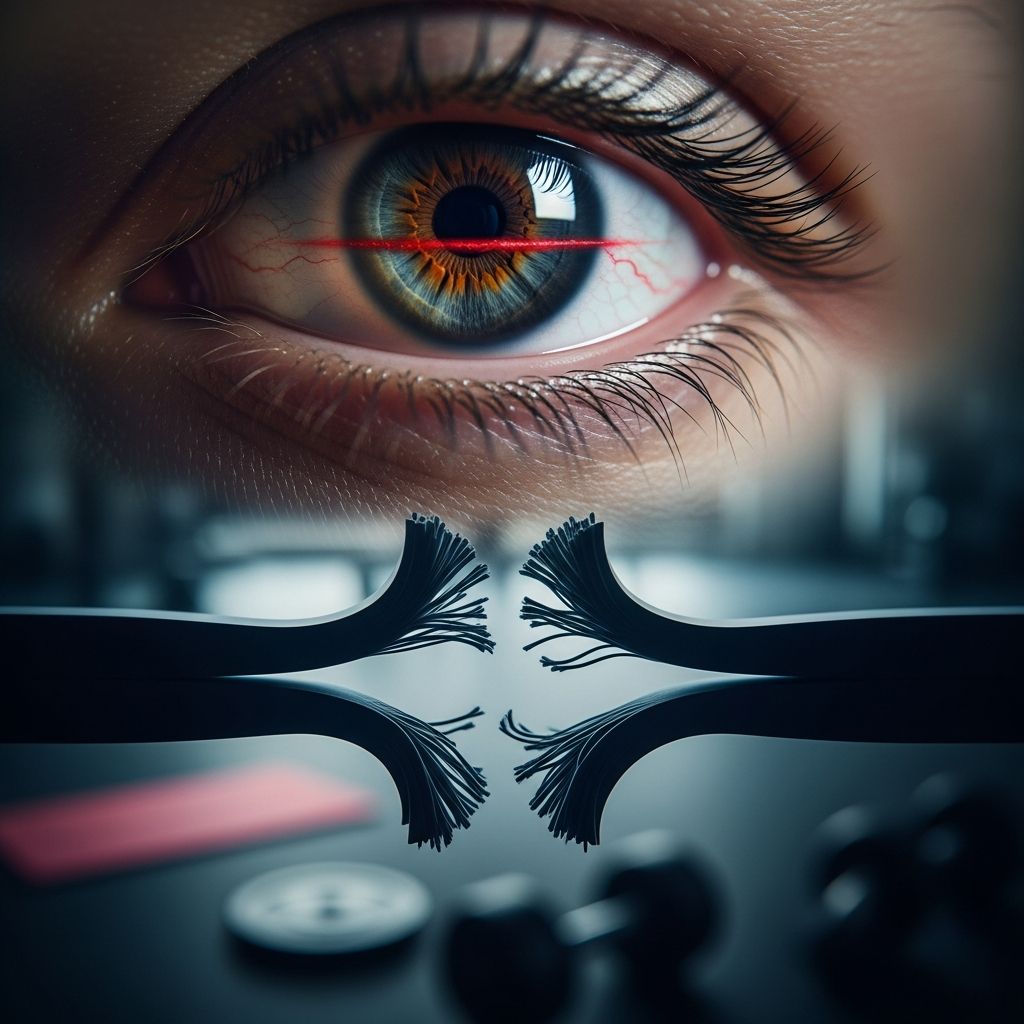
Resistance bands have become a staple in home fitness routines, offering versatile, affordable strength training without bulky equipment. However, their elastic nature hides a dangerous potential: snapping back at high speeds to strike the eye, leading to injuries ranging from temporary discomfort to permanent blindness. Medical reports highlight a sharp rise in such cases since the COVID-19 pandemic, when gym closures drove more people to at-home exercises.
The Surge in Home Workouts and Eye Dangers
Before 2020, resistance band eye injuries were rare, documented mostly as isolated incidents involving lens dislocation or retinal issues. The shift to home-based fitness exploded their use, correlating with increased trauma reports. A key study from Bascom Palmer Eye Institute analyzed 11 patients, all presenting during the pandemic, with injuries including iritis, hyphema, and vision impairment down to 20/100 on average. Energy measurements show bands can release up to 60.7 joules at speeds of 74.3 m/s—enough force to rupture eye structures.
This trend underscores a broader issue in sports medicine: everyday tools can turn hazardous without precautions. Unlike high-risk sports like basketball or paintball, resistance training was not flagged for eye risks until recently.
How Resistance Bands Cause Ocular Trauma
The injury mechanism is blunt force trauma. When overstretched—often three times their resting length—or improperly anchored, bands recoil violently. This mimics contrecoup injuries, where compression and expansion of the eye damage internal tissues.
- Coup injuries: Direct impact causes corneal abrasions, eyelid swelling, and superficial damage.
- Contrecoup effects: Rebound forces lead to retinal edema (commotio retinae), bleeding (hyphema), or inflammation (iritis).
- Severe outcomes: Retinal detachment, macular holes, or globe rupture, potentially causing irreversible vision loss.
A 37-year-old woman exemplified this: during a routine session, a band snapped, hitting both eyes. She experienced blurred vision (0.7 acuity), eyelid edema, corneal defects, and retinal edema in one eye. Follow-ups showed partial recovery, but 33% of cases in larger series retained vision worse than 20/60.
Common Symptoms and When to Act
Eye injuries from bands often start subtly but demand immediate attention. Key signs include:
| Symptom | Severity Level | Potential Cause |
|---|---|---|
| Redness and blurred vision | Mild | Corneal abrasion or initial inflammation |
| Pain, light sensitivity | Moderate | Iritis or hyphema |
| Sudden vision loss, floaters | Severe | Retinal detachment or macular damage |
| Eyelid swelling, bruising | Mild-Moderate | Direct blunt trauma |
Any vision change post-injury warrants an ophthalmologist visit. Delays risk complications like glaucoma from angle damage or long-term acuity loss.
Prevention: Essential Strategies for Safe Training
Protective eyewear is the gold standard. Studies unanimously recommend polycarbonate goggles or glasses, which withstand high-impact forces.
- Select appropriate resistance: Match band strength to your fitness level; avoid over-stretching.
- Secure anchors firmly: Test setups to prevent slippage.
- Wear protection always: Even for low-risk exercises, goggles reduce injury odds dramatically.
- Inspect equipment: Discard frayed or damaged bands.
- Get baseline eye exams: Know your vision health before intensifying workouts.
Trainers and health pros should educate clients. Awareness campaigns can classify band injuries as a distinct sports risk, prompting routine precautions.
Related Stories



Treatment Pathways for Band-Related Eye Injuries
Management varies by severity. Mild cases (e.g., abrasions) heal with lubricating drops and rest. Moderate issues like hyphema or iritis require steroid drops, cycloplegics, and monitoring.
- Initial care: Ice packs for swelling, avoid rubbing eyes.
- Ophthalmic evaluation: Includes acuity tests, tonometry, fundus exam, and imaging if needed.
- Surgical intervention: Rare but critical for detachments or ruptures.
Prognosis improves with prompt care: one series saw acuity rise from 20/100 to 20/40 average, though some faced lasting deficits. Long-term follow-up checks for secondary issues like cataracts.
Real-World Cases and Lessons Learned
Beyond statistics, personal stories drive home the stakes. The aforementioned 37-year-old recovered most vision but endured weeks of treatment. Another series reported ruptured globes and macular holes pre-pandemic, now joined by pandemic-era clusters.
Emergency physician Dr. Troy Madsen notes the oversight: many users never considered eye risks until seeing cases spike. Bascom Palmer’s 11-patient study, largest to date, links injuries directly to home workout booms, with blunt trauma predominant.
Broader Context: Eye Safety in Fitness and Sports
Resistance bands join racquet sports, baseball, and water activities as eye threats. General guidelines emphasize sport-specific gear: polycarbonate lenses for impact sports.
Post-pandemic, hybrid routines persist, amplifying needs for education. Athletic trainers must train on initial assessments, recognizing trauma types (blunt, penetrating).
FAQs: Resistance Bands and Eye Safety
Q: Are resistance band eye injuries common?
A: They rose sharply during COVID-19 due to home workouts, with case series documenting severe outcomes.
Q: What protection works best?
A: Goggles or glasses with polycarbonate lenses; wear them consistently.
Q: How fast do injuries happen?
A: Instantly upon snap-back, with speeds up to 74 m/s.
Q: Can vision fully recover?
A: Often yes with quick treatment, but 33% may have lasting impairment.
Q: Should beginners worry most?
A: All users, as improper technique affects everyone.
Empowering Safe Fitness Habits
Resistance bands enhance strength without gyms, but vigilance safeguards eyes. Prioritize gear checks, protection, and symptom awareness. Consult ophthalmologists for baselines or issues. By integrating these habits, fitness enthusiasts can train confidently, preserving sight amid workout gains.
References
- A sports injury to keep in mind, exercise band-induced ocular injury — Journal of Sports Medicine. 2023. https://journalofsportsmedicine.org/full-text/619/eng
- Exercise Bands and Eye Injuries — University of Utah Health. 2021-04. https://healthcare.utah.edu/the-scope/health-library/all/2021/04/exercise-bands-and-eye-injuries
- Ocular trauma secondary to exercise resistance bands during the COVID-19 pandemic — PMC (PubMed Central). 2020. https://pmc.ncbi.nlm.nih.gov/articles/PMC7716731/
- Protecting Your Eyes During Exercise and Sports — New England College of Optometry. 2023. https://www.neco.edu/news/protecting-your-eyes-during-exercise-and-sports/
- Preventing and treating sports eye injuries — Parkview Health. 2023. https://www.parkview.com/blog/preventing-and-treating-sports-eye-injuries
- Protect Your Eyes from Resistance Bands — University of Miami Health. 2023. https://news.umiamihealth.org/en/protect-your-eyes-from-resistance-bands/
Similar Articles








Read full bio of Sneha Tete