Respiratory Acidosis: Causes, Symptoms & Treatment
Learn about respiratory acidosis, its causes, symptoms, diagnosis, and treatment options.
What Is Respiratory Acidosis?
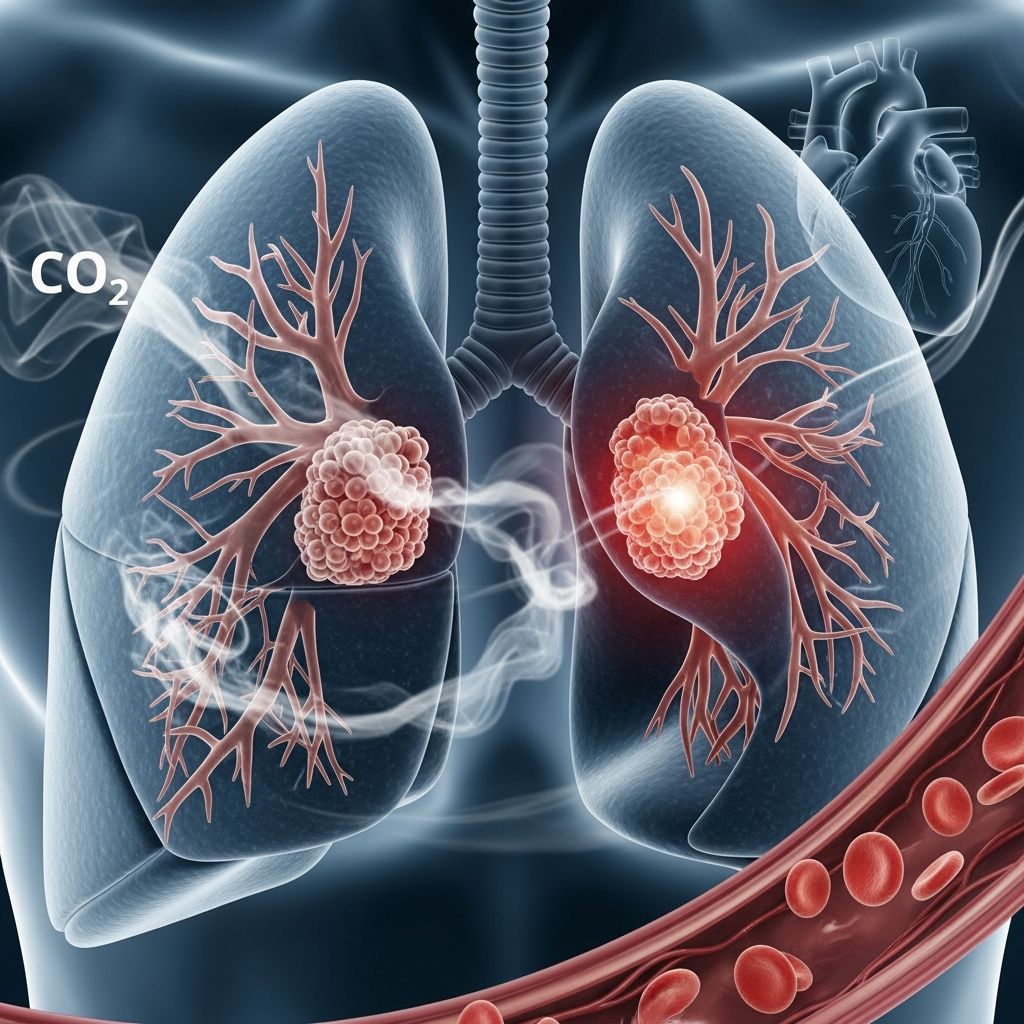
Respiratory acidosis is a medical condition that occurs when the lungs cannot remove enough carbon dioxide (CO₂) from the body, leading to an accumulation of CO₂ in the bloodstream. This excess CO₂ causes the blood to become more acidic, disrupting the body’s acid-base balance. The normal pH of blood is tightly regulated between 7.35 and 7.45. When CO₂ levels rise, the pH drops below 7.35, resulting in acidemia.
Causes of Respiratory Acidosis
Respiratory acidosis is primarily caused by conditions that impair the lungs’ ability to ventilate effectively. Common causes include:
- Chronic Obstructive Pulmonary Disease (COPD): A group of lung diseases, including emphysema and chronic bronchitis, that obstruct airflow and reduce the lungs’ ability to expel CO₂.
- Pneumonia: Infection in the lungs can impair gas exchange and ventilation.
- Asthma: Severe asthma attacks can restrict airflow and reduce CO₂ removal.
- Neuromuscular Disorders: Conditions such as muscular dystrophy or amyotrophic lateral sclerosis (ALS) can weaken respiratory muscles, leading to hypoventilation.
- Drug Overdose: Opioids and sedatives can depress the respiratory center in the brain, reducing breathing rate.
- Obesity Hypoventilation Syndrome: Excess body weight can make it difficult for the lungs to expand and contract properly.
- Central Nervous System Disorders: Brain injuries or strokes can affect the respiratory centers in the brain.
Symptoms of Respiratory Acidosis
The symptoms of respiratory acidosis can vary depending on the severity and underlying cause. Common symptoms include:
- Shortness of breath
- Confusion
- Drowsiness or lethargy
- Headache
- Increased heart rate
- Bluish discoloration of the skin (cyanosis)
- Flushing of the skin
- Arrhythmias (irregular heartbeats)
In severe cases, respiratory acidosis can lead to coma or respiratory failure.
Diagnosis of Respiratory Acidosis
Diagnosing respiratory acidosis involves a combination of clinical evaluation and laboratory tests. The most important test is arterial blood gas (ABG) analysis, which measures the pH, partial pressure of carbon dioxide (PaCO₂), and bicarbonate (HCO₃⁻) levels in the blood.
Arterial Blood Gas (ABG) Analysis
ABG analysis is essential for confirming respiratory acidosis. The typical findings in respiratory acidosis are:
- pH: Low (<7.35), indicating acidemia
- PaCO₂: Elevated (>45 mmHg), indicating CO₂ retention
- HCO₃⁻: May be normal or slightly elevated as the kidneys compensate over time
Other Diagnostic Tests
In addition to ABG analysis, other tests may be performed to identify the underlying cause of respiratory acidosis:
- Serum electrolyte measurements: To assess overall acid-base status
- Chest X-ray: To evaluate lung conditions such as pneumonia or COPD
- Pulmonary function tests: To assess lung function and capacity
- CT scan or MRI: To evaluate central nervous system disorders
Treatment of Respiratory Acidosis
The treatment of respiratory acidosis focuses on addressing the underlying cause and improving ventilation. The specific treatment approach depends on the severity and cause of the condition.
Medical and Pharmacological Interventions
Medical interventions may include:
- Bronchodilators: Medications that help open the airways, such as beta-agonists and anticholinergic drugs, are used in patients with obstructive airway diseases.
- Corticosteroids: Anti-inflammatory drugs that can reduce airway inflammation in conditions like asthma and COPD.
- Antibiotics: Used to treat bacterial infections such as pneumonia.
- Naloxone: Administered in cases of opioid overdose to reverse respiratory depression.
Respiratory Support Techniques
Depending on the severity of respiratory acidosis, respiratory support may be necessary:
Related Stories



- Supplemental Oxygen: Provided to improve oxygen levels in the blood.
- Non-Invasive Ventilation (NIV): Techniques such as continuous positive airway pressure (CPAP) or bilevel positive airway pressure (BiPAP) can assist with breathing.
- Mechanical Ventilation: In severe cases, a ventilator may be required to support breathing.
Lifestyle Modifications
Lifestyle changes can help manage chronic respiratory acidosis:
- Smoking Cessation: Quitting smoking is crucial for patients with COPD or other lung diseases.
- Weight Management: Maintaining a healthy weight can improve lung function in obese individuals.
- Regular Exercise: Physical activity can strengthen respiratory muscles and improve overall lung health.
- Proper Nutrition: A balanced diet supports overall health and immune function.
Complications of Respiratory Acidosis
If left untreated, respiratory acidosis can lead to serious complications, including:
- Respiratory failure
- Cardiac arrhythmias
- Coma
- Death
Prognosis and Outlook
The prognosis for respiratory acidosis depends on the underlying cause and the promptness of treatment. Acute respiratory acidosis can be life-threatening if not treated promptly, while chronic respiratory acidosis may be managed with ongoing treatment and lifestyle modifications. Early diagnosis and intervention are key to improving outcomes.
FAQs About Respiratory Acidosis
What is the difference between respiratory acidosis and metabolic acidosis?
Respiratory acidosis is caused by the lungs’ inability to remove enough CO₂, while metabolic acidosis is caused by an excess of acid in the body due to kidney dysfunction or other metabolic issues.
Can respiratory acidosis be prevented?
Prevention involves managing underlying lung diseases, avoiding smoking, maintaining a healthy weight, and seeking prompt medical attention for respiratory symptoms.
How is respiratory acidosis diagnosed?
Respiratory acidosis is diagnosed through arterial blood gas analysis, which measures pH, PaCO₂, and HCO₃⁻ levels in the blood.
What are the treatment options for respiratory acidosis?
Treatment includes addressing the underlying cause, using medications to improve lung function, and providing respiratory support if needed.
Can respiratory acidosis be cured?
Acute respiratory acidosis can often be reversed with prompt treatment, while chronic respiratory acidosis may require ongoing management.
References
References
- Respiratory Acidosis: Diagnosis and Management in Clinical Practice — Rupa Health. 2023. https://www.rupahealth.com/post/respiratory-acidosis-diagnosis-and-management-in-clinical-practice
- Respiratory Acidosis – StatPearls — NCBI Bookshelf. 2023. https://www.ncbi.nlm.nih.gov/books/NBK482430/
- Respiratory Acidosis – Endocrine and Metabolic Disorders — Merck Manuals. 2023. https://www.merckmanuals.com/professional/endocrine-and-metabolic-disorders/acid-base-regulation-and-disorders/respiratory-acidosis
Similar Articles








Read full bio of Sneha Tete