Respiratory Distress Syndrome: Causes, Symptoms, and Treatment
Understanding respiratory distress syndrome: symptoms, diagnosis, and evidence-based treatment options.
Understanding Respiratory Distress Syndrome
Respiratory distress syndrome (RDS) is a serious medical condition characterized by the rapid onset of severe breathing difficulties and respiratory failure in critically ill patients. This condition, more formally known as acute respiratory distress syndrome (ARDS), represents a significant clinical challenge in intensive care medicine, affecting approximately 10% of all patients admitted to intensive care units worldwide. The condition emerges suddenly and can rapidly progress to life-threatening respiratory failure, requiring immediate medical intervention and often mechanical ventilation to sustain life.
ARDS was first formally described in 1967 when clinicians identified a distinct pattern of acute hypoxemia, noncardiogenic pulmonary edema, and the need for positive-pressure ventilation in critically ill patients. Since its initial recognition, understanding of the condition has evolved substantially, yet it remains a leading cause of respiratory failure in hospitalized patients with mortality rates ranging from 30 to 40% in most clinical studies.
What Causes Respiratory Distress Syndrome?
Respiratory distress syndrome develops when the lungs and respiratory system experience severe injury or stress from various underlying conditions. The condition is not a primary lung disease but rather represents the lungs’ reaction to significant systemic or pulmonary insults.
Common Risk Factors and Triggers
Several clinical conditions and circumstances can precipitate the development of respiratory distress syndrome:
- Severe pneumonia or respiratory tract infections
- Sepsis from any source, a widespread systemic infection
- Aspiration of gastric contents or foreign material
- Severe trauma, including thoracic and non-thoracic injuries
- Near-drowning incidents
- Severe burns
- Blood transfusions, particularly massive transfusions
- Pancreatitis
- Drug reactions or toxin exposure
- Fat embolism syndrome
- Amniotic fluid embolism in pregnant women
These diverse triggers all share a common feature: they cause direct or indirect injury to the delicate structures within the lungs responsible for gas exchange, leading to the characteristic findings of respiratory distress syndrome.
The Underlying Pathophysiology
Lung Injury and Inflammation
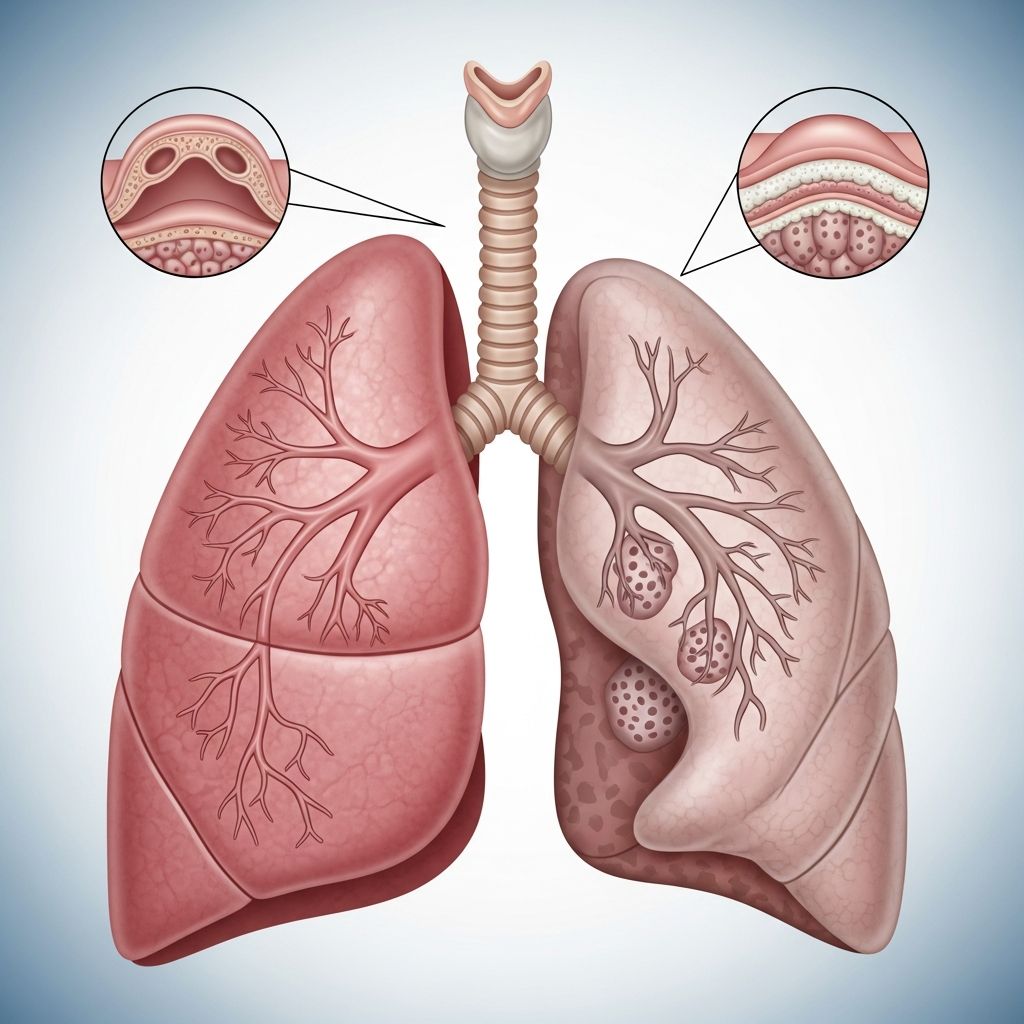
When respiratory distress syndrome develops, the initial injury triggers a complex inflammatory cascade within the lungs. The pathological hallmark of the condition is diffuse alveolar damage, which occurs in distinct phases. During the acute exudative phase, which typically occurs within the first seven days of illness, fluid accumulates in both the alveolar spaces and the lung tissue itself. This accumulation of fluid is not due to elevated hydrostatic pressure from the heart failing to pump blood effectively (as occurs in cardiogenic pulmonary edema), but rather results from increased permeability of the delicate membranes separating the air spaces from the blood vessels.
Microscopic examination of lung tissue from patients with respiratory distress syndrome reveals characteristic eosinophilic deposits known as hyaline membranes, which represent fibrin and cellular debris lining the alveolar walls. These hyaline membranes are the classic histopathological hallmark of diffuse alveolar damage and directly impair the gas exchange process.
Disrupted Gas Exchange
The accumulation of fluid and inflammatory material in the alveoli disrupts the critical gas exchange process. Oxygen cannot efficiently cross from the air spaces into the bloodstream, resulting in hypoxemia (low blood oxygen levels). Additionally, the inflammatory swelling reduces lung compliance, meaning the lungs become stiff and difficult to inflate, requiring greater effort and pressure to breathe. The combination of fluid accumulation, inflammation, and stiffened lung tissue creates ventilation-to-perfusion mismatch and right-to-left intrapulmonary shunting, where blood flows through areas of the lungs that are not being ventilated, further worsening hypoxemia.
Related Stories



Clinical Presentation and Symptoms
Respiratory distress syndrome presents with characteristic symptoms that develop rapidly in previously stable or recently critically ill patients:
- Rapid, labored breathing (tachypnea)
- Severe shortness of breath and respiratory distress
- Use of accessory muscles for breathing (visible effort using neck, shoulder, and abdominal muscles)
- Bluish discoloration of the skin, lips, or nail beds (cyanosis) due to low oxygen levels
- Altered mental status, confusion, or agitation from hypoxemia
- In severe cases, respiratory failure requiring mechanical ventilation
These symptoms typically emerge within one week of the initial insult or trigger event. The severity of symptoms can range from mild respiratory distress to severe, life-threatening respiratory failure requiring intensive medical support.
Diagnostic Criteria and Evaluation
Berlin Definition and Classification
In 2012, an international consensus conference established standardized diagnostic criteria for respiratory distress syndrome, known as the Berlin Definition. This definition improved consistency in diagnosis and patient classification:
Timing: Respiratory failure must occur within one week of a known clinical insult or the onset of new or worsening respiratory symptoms.
Origin: The respiratory failure cannot be fully explained by cardiac dysfunction or fluid overload. Objective criteria such as echocardiography may be needed to exclude heart-related causes if no clear risk factor is present.
Imaging: Bilateral opacities (areas of increased density) must be present on chest X-ray or CT scan that are not fully explained by effusions (fluid collections), collapse (atelectasis), or nodules.
Oxygenation: The severity is classified based on the PaO2/FiO2 ratio (arterial oxygen pressure divided by the fraction of inspired oxygen), defining mild, moderate, or severe categories.
Patient Phenotypes
Research has identified distinct subphenotypes of respiratory distress syndrome that may have different treatment responses. Approximately 30% of patients fall into the hyperinflammatory subphenotype, characterized by high levels of inflammatory markers such as interleukin-6, interleukin-8, and soluble tumor necrosis factor receptor 1, along with low protein C levels, shock, and metabolic acidosis. These patients generally have worse outcomes. In contrast, the remaining 70% of patients represent the hypo-inflammatory subphenotype with lower inflammatory markers, less acidosis, and less vasopressor-dependent shock.
Treatment and Management Strategies
Lung-Protective Ventilation
The cornerstone of respiratory distress syndrome management is lung-protective ventilation strategy. This approach uses mechanical ventilation with specific settings designed to minimize further lung injury while supporting gas exchange:
- Low tidal volumes (approximately 6-8 milliliters per kilogram of predicted body weight)
- Limitation of peak airway pressures to prevent barotrauma
- Appropriate positive end-expiratory pressure (PEEP) settings to maintain alveolar recruitment
- Permissive hypercapnia, allowing slightly elevated carbon dioxide levels to avoid excessive airway pressures
Ventilation Support Adjuncts
Beyond conventional mechanical ventilation, additional supportive strategies have proven beneficial. Prone positioning, where patients are turned face-down, has demonstrated improved oxygenation and mortality outcomes in moderate to severe respiratory distress syndrome. For patients with severe, refractory hypoxemia despite optimal conventional management, extracorporeal life support technologies such as veno-venous extracorporeal membrane oxygenation (VV-ECMO) can provide temporary lung rest and gas exchange while the native lungs heal.
Fluid Management
Careful fluid management is essential in respiratory distress syndrome. A conservative fluid strategy, avoiding unnecessary fluid administration in patients without shock, has been shown to improve outcomes and reduce ventilator days. Clinicians must balance adequate perfusion and organ function against the need to minimize pulmonary edema.
Pharmacological Interventions
Currently, corticosteroids are recommended for patients with respiratory distress syndrome related to COVID-19. A conservative fluid strategy is employed in patients without shock. Ongoing research continues to evaluate other pharmacological agents, with emerging evidence supporting steroids in certain non-COVID-19 related respiratory distress syndrome cases and investigational biological agents targeted at specific patient subphenotypes.
To date, no universally effective pharmacotherapy has been identified that reliably improves outcomes across all respiratory distress syndrome patients, underscoring the importance of lung-protective supportive care as the foundation of treatment.
Long-Term Outcomes and Recovery
Survival and Quality of Life
While mortality remains a significant concern with respiratory distress syndrome, many patients do survive. However, survival does not necessarily mean return to normal function. Many respiratory distress syndrome survivors experience ongoing functional limitations and psychological sequelae, including post-traumatic stress disorder, depression, cognitive impairment, and reduced exercise capacity. These long-term consequences have become increasingly recognized as important considerations in patient care and represent an emerging research focus.
Rehabilitation and Follow-Up
Survivors of respiratory distress syndrome often require extended rehabilitation, including pulmonary rehabilitation, physical therapy, and psychological support. Long-term follow-up assessment helps identify and manage persistent complications and optimize functional recovery.
Special Considerations
Pediatric Respiratory Distress Syndrome
While adult respiratory distress syndrome has been well-characterized, pediatric respiratory distress syndrome presents unique challenges and may require modifications to diagnostic criteria and treatment strategies. Children’s developing lungs and different physiology necessitate age-appropriate management approaches.
Gestational Respiratory Distress Syndrome
Pregnant women can develop respiratory distress syndrome, which represents a complicated clinical problem with potential for serious harm to both mother and fetus. Gestational respiratory distress syndrome requires specialized management that considers both maternal and fetal health and the physiologic changes of pregnancy.
Current Research Directions
Future efforts in respiratory distress syndrome management focus on several key areas. Facilitating earlier recognition of the condition may allow for more timely intervention. Identifying responsive patient subsets through biomarker analysis and phenotyping could enable more targeted, personalized treatment approaches. Ongoing mechanistic research aims to better understand fundamental processes of lung injury and repair, enabling development of specific targeted therapies beyond supportive care.
Frequently Asked Questions
Q: What is the difference between ARDS and regular respiratory distress?
A: Acute respiratory distress syndrome (ARDS) is a specific, severe form of acute respiratory failure with defined diagnostic criteria involving bilateral lung infiltrates, hypoxemia not explained by cardiac causes, and onset within one week of a known trigger. Regular respiratory distress refers more broadly to any difficulty breathing.
Q: How long does it take to recover from ARDS?
A: Recovery varies significantly among patients. While the acute phase typically lasts days to weeks with mechanical ventilation support, full functional recovery may take months to years. Some patients experience persistent functional limitations long-term.
Q: Can ARDS be prevented?
A: While ARDS itself cannot always be prevented, reducing risk factors such as preventing infections, careful fluid management in susceptible patients, and avoiding aspiration can help reduce incidence.
Q: What is the survival rate for ARDS?
A: Mortality rates typically range from 30-40% in most clinical studies, though rates vary based on severity classification, patient age, underlying causes, and treatment received.
Q: Are there new treatments being developed for ARDS?
A: Yes, research continues into novel pharmacological agents, immunomodulatory therapies, and targeted treatments for specific ARDS subphenotypes, though lung-protective ventilation remains the current standard of care.
References
- Acute respiratory distress syndrome — National Center for Biotechnology Information, National Institutes of Health. 2019. https://pmc.ncbi.nlm.nih.gov/articles/PMC6709677/
- Current and evolving standards of care for patients with ARDS — Johns Hopkins University. December 2020. https://pure.johnshopkins.edu/en/publications/current-and-evolving-standards-of-care-for-patients-with-ards
- The high cost of surviving acute respiratory distress syndrome — Science Daily. 2017. https://www.sciencedaily.com/releases/2017/04/170428083341.htm
Similar Articles








Read full bio of medha deb