Respiratory Failure: Causes, Symptoms & Treatment
Understanding respiratory failure: Types, symptoms, diagnosis, and comprehensive treatment options for critical care.
Understanding Respiratory Failure
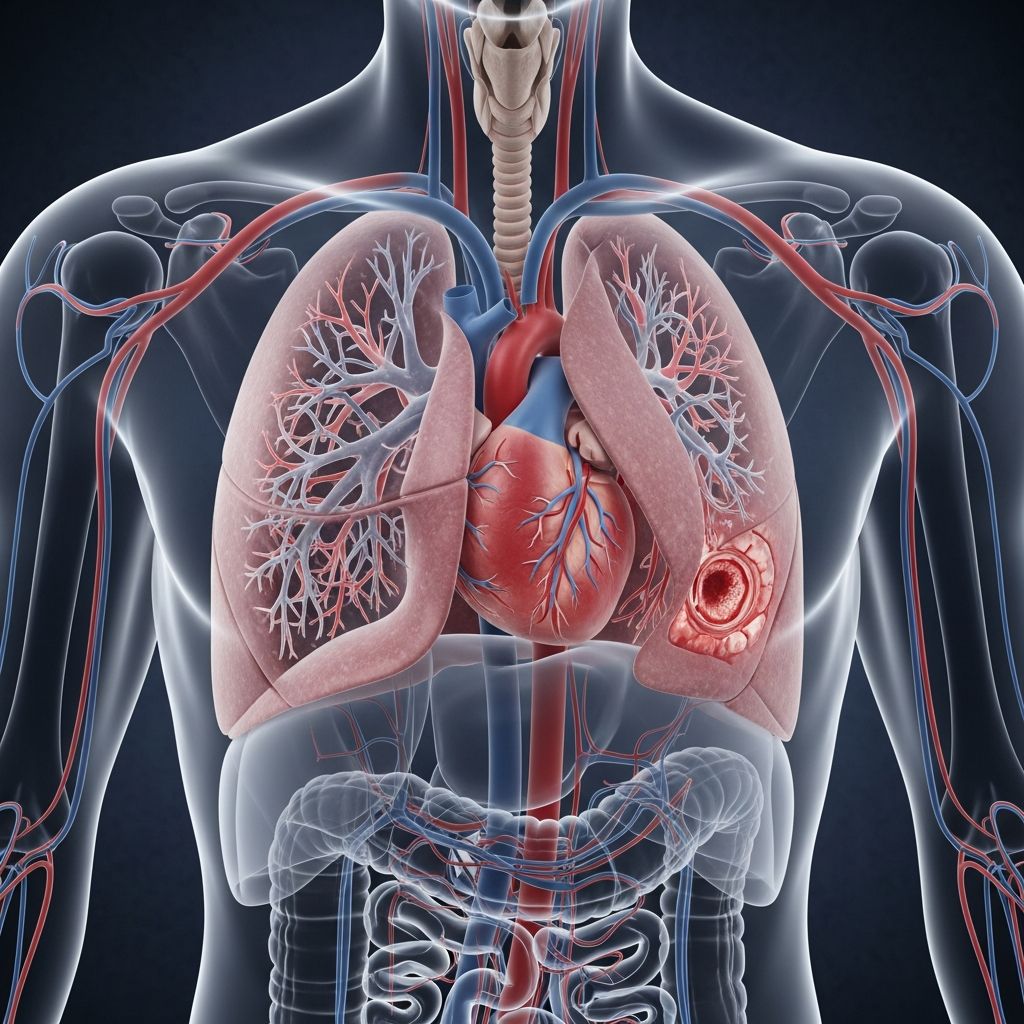
Respiratory failure is a serious medical condition in which your respiratory system cannot adequately oxygenate your blood or remove carbon dioxide efficiently. When any part of the respiratory system fails—whether it’s the lungs, airways, or the muscles that control breathing—your tissues may not receive enough oxygen to function properly. This life-threatening condition requires immediate medical attention and can develop suddenly or progress gradually over time.
What Is Respiratory Failure?
Respiratory failure occurs when the lungs cannot perform their primary function of exchanging oxygen and carbon dioxide. Oxygen enters your bloodstream through the lungs and is transported to tissues throughout your body, while carbon dioxide (a waste product of metabolism) is expelled through exhalation. When this process breaks down, dangerous imbalances develop in your blood chemistry, potentially affecting every organ system.
The condition can manifest as either an acute emergency that develops within hours or days, or as a chronic problem that worsens gradually over weeks, months, or years. Understanding which type of respiratory failure you have is crucial for determining the appropriate treatment strategy.
Types of Respiratory Failure
Medical professionals classify respiratory failure into four distinct types based on underlying causes and physiological mechanisms:
Type 1: Hypoxemic Respiratory Failure
Hypoxemic respiratory failure, also known as oxygenation failure, occurs when your blood oxygen levels become dangerously low despite adequate oxygen availability. In this type, the problem centers on the lungs’ inability to properly transfer oxygen from air into the bloodstream. Common causes include pneumonia, acute respiratory distress syndrome (ARDS), pulmonary embolism, and interstitial lung disease. Patients typically experience rapid, shallow breathing as their body attempts to compensate.
Type 2: Hypercapnic Respiratory Failure
Hypercapnic respiratory failure, also called ventilatory failure, involves the accumulation of carbon dioxide in the blood due to inadequate ventilation. This type results from the respiratory muscles’ inability to move air in and out of the lungs effectively. Causes include chronic obstructive pulmonary disease (COPD), neuromuscular disorders, chest wall abnormalities, and central nervous system depression from medications or brain injuries.
Type 3: Perioperative Respiratory Failure
Perioperative respiratory failure develops in relation to surgical procedures and anesthesia. This type can result from complications during surgery, residual effects of anesthetic medications, or inadequate pain control that prevents effective breathing in the postoperative period.
Type 4: Respiratory Failure Due to Shock
This type occurs when inadequate tissue perfusion and oxygen delivery compromise respiratory function. Shock from various causes—including sepsis, cardiac dysfunction, or severe blood loss—can lead to respiratory failure when tissues cannot meet their oxygen demands.
Risk Factors and Causes
Multiple conditions and factors increase your risk of developing respiratory failure:
Lung and Airway Diseases
Chronic obstructive pulmonary disease, asthma, cystic fibrosis, and interstitial lung disease impair normal lung function and increase vulnerability to respiratory failure. Acute infections like pneumonia and bronchitis can rapidly overwhelm respiratory capacity.
Neurological and Muscular Conditions
Amyotrophic lateral sclerosis (ALS), muscular dystrophy, Guillain-Barré syndrome, and spinal cord injuries weaken the muscles essential for breathing. Stroke and other brain injuries may affect the respiratory control centers in the brain.
Related Stories



Cardiac Problems
Heart failure and other cardiac conditions can cause pulmonary edema, where fluid accumulates in the lungs and prevents proper gas exchange. Severe arrhythmias may reduce oxygen delivery throughout the body.
Chest Wall Abnormalities
Severe scoliosis, flail chest from multiple rib fractures, and obesity can mechanically restrict lung expansion and ventilation.
Additional Risk Factors
Medication overdose, especially opioids and sedatives, can suppress breathing. Advanced age, smoking history, immunosuppression, and critical illness from any cause elevate respiratory failure risk.
Symptoms and Warning Signs
Respiratory failure symptoms vary depending on severity, speed of onset, and which type you’re experiencing. Acute respiratory failure typically presents with sudden, dramatic symptoms:
Common Symptoms
Severe shortness of breath or dyspnea represents the hallmark symptom. Patients often experience rapid, labored breathing (tachypnea) as the body attempts to increase oxygen intake. Anxiety and agitation frequently accompany breathing difficulty. Some individuals report chest pain or pressure with breathing. Confusion, altered mental status, or difficulty concentrating may indicate severe hypoxia affecting the brain.
Additional symptoms include rapid heartbeat (tachycardia), pale or bluish skin tone (cyanosis), excessive sweating, and fatigue. In severe cases, patients may lose consciousness or develop seizures.
Chronic Respiratory Failure
Chronic respiratory failure often develops insidiously with gradually worsening dyspnea, persistent fatigue, and sleep disturbances. Patients may develop a productive cough and ankle swelling. Daytime sleepiness and difficulty concentrating reflect chronic hypoxia’s effects on cognition.
Diagnosis of Respiratory Failure
Accurate diagnosis requires a systematic approach combining clinical evaluation and diagnostic testing.
Initial Assessment
Your healthcare provider begins with a detailed history and physical examination. They’ll assess your breathing pattern, listen to lung sounds, check blood pressure, and observe for signs of respiratory distress. Pulse oximetry using a small finger device provides immediate oxygen saturation measurement.
Arterial Blood Gas (ABG) Analysis
This definitive test measures oxygen and carbon dioxide levels in arterial blood, revealing the specific type and severity of respiratory failure. ABG analysis determines pH, partial pressure of oxygen (PaO2), partial pressure of carbon dioxide (PaCO2), and bicarbonate levels.
Additional Diagnostic Tests
Chest X-ray imaging reveals lung abnormalities, fluid accumulation, or structural problems. Computed tomography (CT) scans provide detailed lung images when pneumonia, pulmonary embolism, or interstitial disease is suspected. Electrocardiography (EKG) assesses heart function and rhythm. Complete blood count and comprehensive metabolic panel evaluate overall health status and organ function.
Specialized Testing
Point-of-care ultrasound (POCUS) provides rapid assessment of lung and heart function at the bedside. Echocardiography evaluates cardiac function when heart disease may contribute to respiratory failure. Pulmonary function testing measures breathing capacity when chronic disease is suspected.
Treatment Approaches
Treatment strategy depends on respiratory failure severity, underlying cause, and how quickly the condition developed. Healthcare providers focus on managing the underlying condition while supporting adequate oxygenation and ventilation.
Oxygen Therapy
Supplemental oxygen delivered through nasal cannula, face mask, or high-flow oxygen systems increases blood oxygen levels. In moderate-to-severe cases, non-invasive positive pressure ventilation (NIPPV) such as continuous positive airway pressure (CPAP) or bilevel positive airway pressure (BiPAP) assists breathing without intubation.
Mechanical Ventilation
When conservative measures fail, mechanical ventilation becomes necessary. Endotracheal intubation places a tube through the mouth or nose into the trachea, allowing a ventilator to control breathing. The ventilator delivers precise oxygen concentrations and breathing support tailored to individual needs. For patients requiring long-term ventilation, tracheostomy (surgical airway) may be performed.
Extracorporeal Membrane Oxygenation (ECMO)
When conventional ventilatory support fails, extracorporeal membrane oxygenation serves as a life-saving intervention for patients with life-threatening heart or lung failure. This advanced technology temporarily assumes the function of lungs and heart, allowing time for recovery or evaluation for transplantation. Cleveland Clinic’s experienced ECMO team provides specialized care for suitable candidates.
Specialized Care Units
Dedicated respiratory care units like Cleveland Clinic’s Acute Respiratory Care Unit (ARCU) provide multidisciplinary management of complex respiratory failure cases. These specialized teams include critical care physicians, pulmonologists, transplant specialists, nurses, respiratory therapists, physical therapists, and pharmacists working collaboratively to optimize outcomes.
Addressing Underlying Causes
Treating infections with appropriate antibiotics, managing heart failure with medications and fluid balance, correcting metabolic abnormalities, and addressing neuromuscular conditions form essential components of comprehensive management. Sedation and analgesia control anxiety and discomfort while mechanical ventilation occurs. Delirium prevention protocols and early mobilization support recovery and reduce complications.
Prevention Strategies
While not all respiratory failure cases are preventable, risk reduction remains possible:
Managing Chronic Conditions
Proper management of COPD, asthma, heart disease, and neurological disorders significantly reduces respiratory failure risk. Regular follow-up with healthcare providers, medication adherence, and lifestyle modifications prove essential.
Lifestyle Modifications
Smoking cessation dramatically improves lung function and reduces respiratory disease risk. Maintaining healthy weight supports proper respiratory mechanics. Regular exercise strengthens respiratory muscles and cardiovascular function. Vaccination against influenza and pneumococcal disease prevents serious infections.
Infection Prevention
Hand hygiene, respiratory etiquette, and appropriate isolation precautions reduce infection transmission. Healthcare-associated infection prevention protocols are particularly important for hospitalized patients.
Prognosis and Outcomes
Respiratory failure prognosis varies considerably based on type, underlying cause, patient age, and overall health status. Acute respiratory failure from treatable causes often carries better outcomes with appropriate intervention, though mortality remains significant—approximately 1 in 3 hospitalized patients with acute respiratory failure do not survive.
Chronic respiratory failure results from progressive underlying conditions and typically worsens over time. However, advances in treatment technology and specialized care have substantially improved survival and quality of life for many patients. Post-ECMO patients receive longitudinal follow-up addressing physical, cognitive, and psychological recovery needs.
Living with Respiratory Failure
Patients recovering from respiratory failure require comprehensive rehabilitation and ongoing medical management. Physical therapy rebuilds strength weakened by critical illness. Occupational therapy restores functional independence. Psychological support addresses trauma and anxiety from the critical illness experience. Pulmonary rehabilitation programs improve exercise tolerance and breathing efficiency.
Close coordination between specialists—including critical care physicians, pulmonologists, cardiologists, and primary care providers—ensures comprehensive ongoing care. Regular monitoring detects complications early, and medication optimization maintains respiratory and cardiovascular stability.
Frequently Asked Questions
Q: What is the difference between acute and chronic respiratory failure?
A: Acute respiratory failure develops suddenly over hours to days, often from infections, trauma, or acute cardiac events, and constitutes a medical emergency. Chronic respiratory failure develops gradually over weeks to months from progressive conditions like COPD or neuromuscular disease, allowing some physiological adaptation.
Q: How long does mechanical ventilation typically last?
A: Duration varies widely depending on underlying cause severity and recovery rate. Some patients require ventilation for days, while others may need weeks or months. Gradual weaning occurs as underlying conditions improve and patients demonstrate adequate breathing ability.
Q: Can someone recover fully from respiratory failure?
A: Many patients do recover, especially those with acute respiratory failure from treatable causes. However, recovery extent varies. Some achieve complete independence from respiratory support, while others may require ongoing oxygen therapy or mechanical ventilation depending on underlying conditions.
Q: What is ECMO, and when is it used?
A: ECMO is a life support technology that temporarily performs lung and heart functions when conventional therapies fail. It’s considered for patients with severe, potentially reversible respiratory or cardiac failure who might benefit from transplantation evaluation or time for recovery.
Q: How can I reduce my respiratory failure risk?
A: Manage chronic lung and heart conditions carefully, quit smoking, maintain healthy weight, exercise regularly, receive appropriate vaccinations, and seek prompt treatment for respiratory infections. Adherence to prescribed medications and regular medical follow-up are essential preventive measures.
Q: What should I expect during recovery from respiratory failure?
A: Recovery typically involves gradual weaning from mechanical ventilation, physical and occupational therapy to rebuild strength and function, psychological support for trauma processing, and close medical monitoring. Recovery duration and completeness depend on the underlying cause and individual factors.
References
- How the Acute Respiratory Care Unit Improves Care for Complex Patients — Cleveland Clinic. 2024. https://consultqd.clevelandclinic.org/how-the-acute-respiratory-care-unit-improves-care-for-complex-patients
- Critical Care Medicine — Cleveland Clinic Respiratory Institute. 2024. https://my.clevelandclinic.org/departments/respiratory/depts/critical-care-medicine
- Respiratory failure in patients infected with SARS-CoV-2 — Cleveland Clinic Journal of Medicine. 2020-08-07. https://www.ccjm.org/content/early/2020/08/07/ccjm.87a.ccc025
- Respiratory Failure: Causes, Symptoms & Treatment — Cleveland Clinic. 2024. https://my.clevelandclinic.org/health/diseases/24835-respiratory-failure
- American Association for Respiratory Care Clinical Practice Guidelines — AARC. 2023. https://www.aarc.org/resources/clinical-practice-guidelines/
Similar Articles








Read full bio of Sneha Tete