RSV Infection Guide: Essential Facts For Parents And Seniors
Understand RSV risks, symptoms, prevention, and treatments for infants, adults, and high-risk groups.
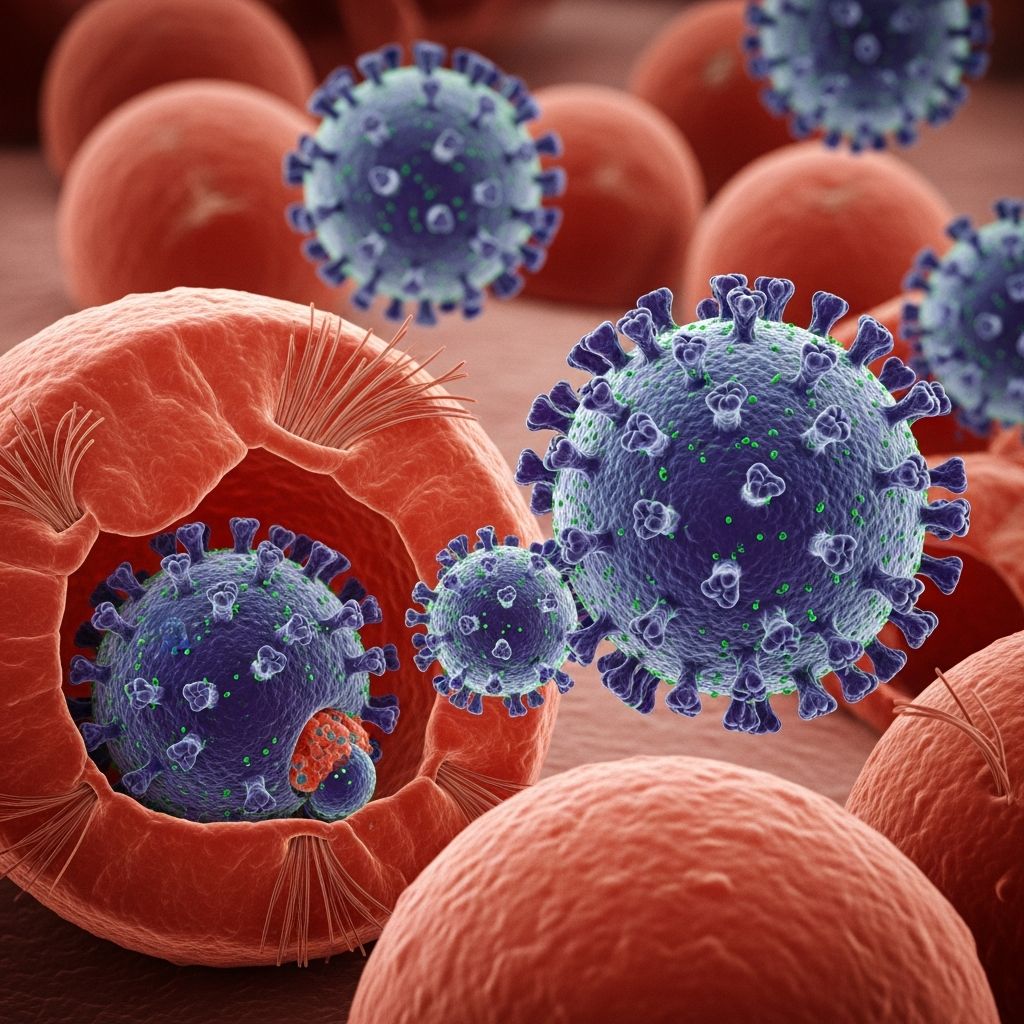
Respiratory Syncytial Virus (RSV) represents a significant public health concern, particularly affecting the respiratory system in vulnerable populations such as infants and older adults. This virus leads to a spectrum of illnesses ranging from mild colds to severe lower respiratory infections like bronchiolitis and pneumonia.
Understanding the RSV Pathogen
RSV belongs to the Pneumoviridae family and exists in two main genotypes, A and B. It specifically targets human respiratory tract cells, starting from the nasal passages and progressing to the lungs. The virus gains entry through attachment proteins like the G protein, which binds to host cell receptors including heparan sulfate proteoglycan and CX3CR1, facilitating viral invasion of epithelial cells.
The F protein on the virus surface enables membrane fusion, allowing intracellular spread. This protein also interacts with Toll-like receptor 4 (TLR-4) on airway cells, triggering inflammatory responses such as cytokine production (IL-6 and TNF-α), which contribute to mucus hypersecretion and impaired ciliary function.
Transmission Pathways
RSV spreads primarily through respiratory droplets generated by coughing, sneezing, or talking from infected individuals. Direct contact, such as kissing, and fomites—contaminated surfaces—also play key roles in transmission. Touching an infected surface and then the face (eyes, nose, or mouth) can introduce the virus.
- Aerial droplets from close contact.
- Fomite transmission via shared objects.
- Direct person-to-person touch.
Contagiousness peaks 3-8 days post-infection, but infants and immunocompromised individuals may shed the virus for up to 4 weeks. Nearly all children encounter RSV by age 2, with reinfections common throughout life, though severity decreases in healthy individuals except in high-risk cases.
Clinical Symptoms Across Age Groups
Symptoms emerge 4-7 days after exposure. Initial upper respiratory signs mimic a common cold: runny nose, sore throat, cough, sneezing, low-grade fever, headache, and fatigue.
Progression to lower respiratory involvement includes wheezing, shortness of breath, rapid breathing, and bronchospasm. In severe cases, hypoxemia, respiratory fatigue, and apnea occur, potentially leading to hospitalization or death.
Symptoms in Infants and Young Children
Infants under 6 months face the highest risk of severe disease. Early signs may be subtle: irritability, reduced feeding, lethargy, and apnea. Bronchiolitis develops with nasal flaring, grunting, retractions, and cyanosis. Premature infants, those with congenital heart or lung disease, are especially vulnerable.
Symptoms in Older Adults
Elderly individuals often experience exacerbated chronic conditions like COPD or heart failure. Common complaints include cough (85-95%), wheezing (33-90%), dyspnea (51-93%), alongside upper respiratory symptoms. Mortality risk rises with comorbidities and immunosuppression.
Healthy Adults and Reinfections
Typically mild, lasting 7 days or less, with cold-like symptoms. However, they can asymptomatically transmit to vulnerable contacts.
High-Risk Populations
| Group | Risk Factors | Potential Complications |
|---|---|---|
| Infants <6 months | Prematurity, CHD, CLD | Bronchiolitis, pneumonia, hospitalization |
| Older adults >65 | Comorbidities, frailty | Exacerbation of COPD/heart disease, death |
| Immunocompromised | Transplants, chemotherapy | Prolonged shedding, severe LRTI |
| Children with neuromuscular disorders | Swallowing issues | Aspiration pneumonia |
Geographic and seasonal factors influence outbreaks, with peaks in fall/winter in temperate regions.
Diagnosis Methods
Clinical assessment suffices for most, but lab confirmation uses rapid antigen tests or RT-PCR from nasal swabs. PCR offers higher sensitivity, distinguishing RSV from flu or COVID-19. Chest X-rays detect pneumonia or hyperinflation in bronchiolitis.
Related Stories



- Rapid antigen: Quick but less sensitive.
- RT-PCR: Gold standard for accuracy.
- Viral culture: Rarely used due to time.
Management and Treatment Approaches
No specific antiviral exists; care is supportive: hydration, oxygen, nasal suctioning for infants. Bronchodilators or steroids show limited benefit except in select cases. Hospitalization criteria include apnea, severe distress, or hypoxia.
Ribavirin is reserved for severe immunocompromised cases due to toxicity. Antibiotics address secondary bacterial infections only.
Prevention Strategies
Non-pharmacologic measures are cornerstone:
- Hand hygiene with soap/water or sanitizer.
- Avoiding close contact with sick individuals.
- Cleaning high-touch surfaces.
- Limiting daycare exposure during peaks.
- Masking in crowded settings.
Pharmacologic advances include:
- Maternal RSVpreF vaccine: Administered late pregnancy to pass antibodies to newborn.
- Nirsevimab (monoclonal antibody): Long-acting for infants entering first RSV season.
- Adult vaccines: Approved for >60 years, reducing severe disease.
Seasonal Patterns and Public Health
RSV circulates predictably in cooler months, overlapping with flu. Surveillance aids timing of interventions. Low SDI regions see higher burdens due to crowding and limited care access.
Long-Term Consequences
Early severe RSV links to recurrent wheezing, asthma, and diminished lung function into adulthood. Elderly infections worsen chronic diseases.
Frequently Asked Questions (FAQs)
What is the incubation period for RSV?
Typically 4-6 days, up to 7 days.
Can healthy adults spread RSV without symptoms?
Yes, they can transmit even with mild or no symptoms.
Is there a vaccine for infants?
No direct vaccine for infants yet; nirsevimab provides passive protection, and maternal vaccination helps.
How long is someone contagious with RSV?
3-8 days usually, longer in infants/immunocompromised.
Does RSV cause pneumonia?
Yes, particularly in high-risk groups.
Virulence Mechanisms Table
| Virulence Factor | Key Mechanisms |
|---|---|
| G Protein | Cell attachment via heparan sulfate, annexin II, CX3CR1; evades antibodies. |
| F Protein | Fusion, TLR-4 activation leading to inflammation and mucus excess. |
References
- Respiratory Syncytial Virus (RSV) – NFID — National Foundation for Infectious Diseases. 2023. https://www.nfid.org/infectious-disease/rsv/
- Respiratory syncytial virus (RSV) — World Health Organization. 2023-11-07. https://www.who.int/news-room/fact-sheets/detail/respiratory-syncytial-virus-(rsv)
- RSV: an overview of infection in adults — PMC – NIH. 2024. https://pmc.ncbi.nlm.nih.gov/articles/PMC12188668/
- Respiratory Syncytial Virus Infections | RSV — MedlinePlus. 2024. https://medlineplus.gov/respiratorysyncytialvirusinfections.html
- About RSV — Centers for Disease Control and Prevention. 2024. https://www.cdc.gov/rsv/about/index.html
- Clinical Overview of RSV — Centers for Disease Control and Prevention. 2024. https://www.cdc.gov/rsv/hcp/clinical-overview/index.html
Similar Articles








Read full bio of Sneha Tete