Respiratory System: Organs, Facts, Anatomy & Function
Complete guide to respiratory system anatomy, function, and how your body breathes.
Understanding Your Respiratory System
Your respiratory system is a complex network of organs and structures that allows you to breathe. It consists of your lungs, nose, mouth, and the tubelike structures called airways that connect them together. Beyond these primary components, your respiratory system also includes muscles and blood vessels that provide essential support, along with ribs that offer protection. All these parts work in harmony to bring oxygen into your body when you inhale and remove carbon dioxide when you exhale.
The respiratory system is fundamental to human survival. Without it, your cells would lack the oxygen needed to create energy, and waste products would accumulate in your body, leading to serious health complications. Understanding how your respiratory system works and how to keep it healthy is crucial for maintaining overall wellness.
What Are the Main Functions of Your Respiratory System?
The primary function of your respiratory system is to pull in oxygen for your body’s cells and get rid of carbon dioxide, a waste product created during cellular metabolism. This process, known as gas exchange, occurs continuously throughout the day and night.
Beyond oxygen delivery, your respiratory system performs several other vital functions:
- Protects your body from harmful particles, dust, and germs that you breathe in
- Enables you to smell through olfactory receptors in your nasal passages
- Allows you to speak by facilitating air movement through your voice box
- Helps regulate your body’s pH balance through carbon dioxide removal
- Filters and moisturizes incoming air
The Anatomy of Your Respiratory System
Your respiratory system has many different parts that work together to help you breathe effectively. Understanding the anatomy of each component helps you appreciate how this remarkable system functions.
Upper Respiratory Tract
Your upper respiratory tract brings air into your body and helps move it toward your lungs. It adds moisture to the air you breathe in, preparing it for the delicate structures deeper within your respiratory system.
Key components of your upper respiratory tract include:
- Nose and mouth – Where you pull air into your body, containing sensory receptors for smell
- Nasal cavity – Lined with mucous membranes that warm and humidify incoming air
- Sinuses – Hollow areas in your cheeks and forehead that help lighten your skull and contribute to vocal resonance
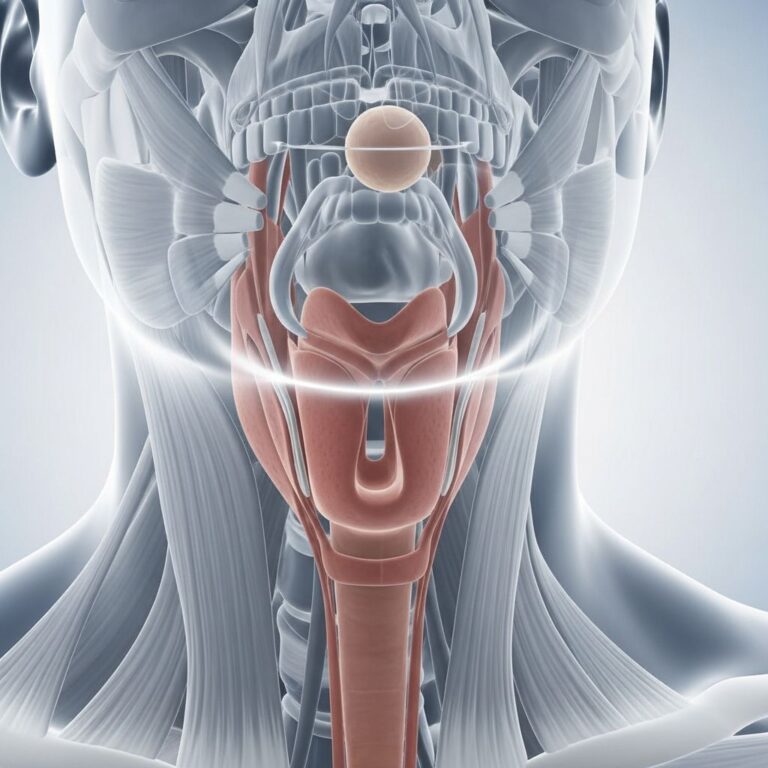
- Larynx – Your voice box, which protects your airway and produces sound
Lower Respiratory Tract
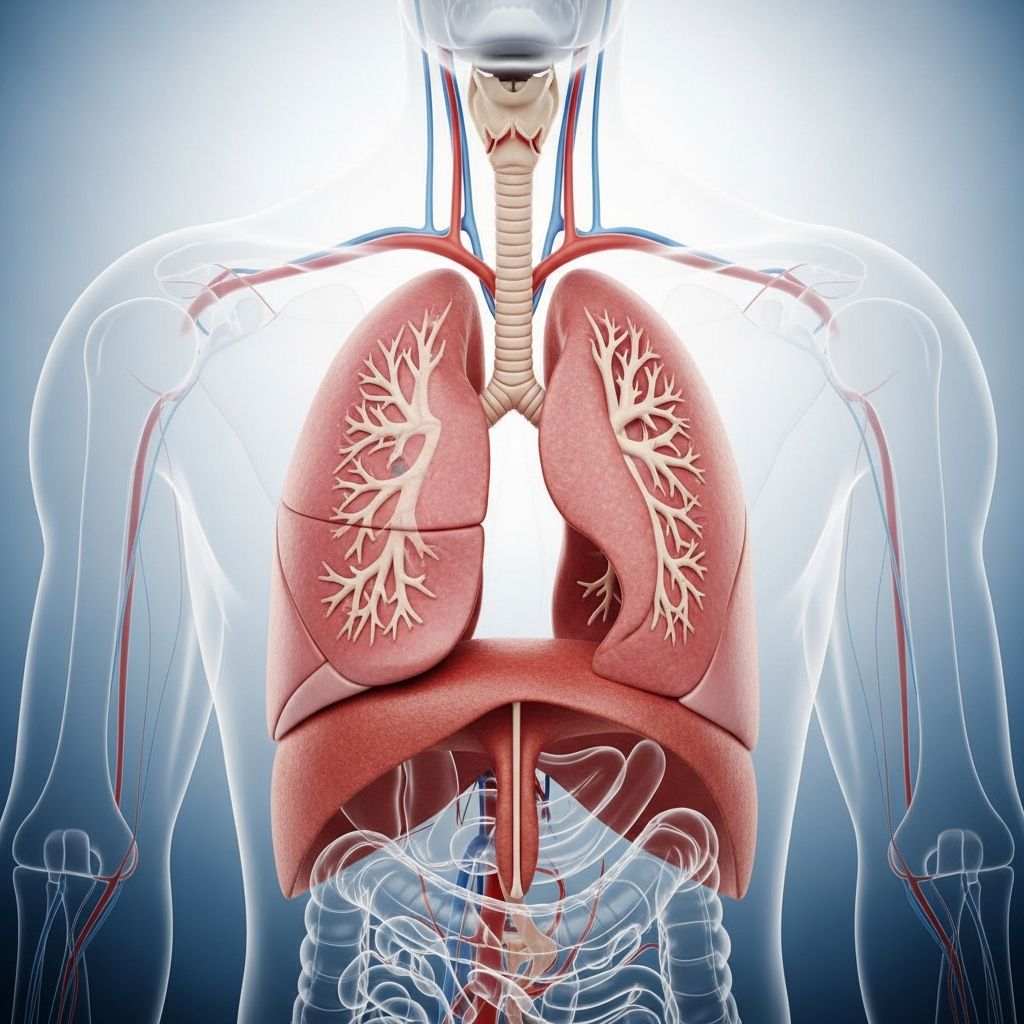
Your lower respiratory tract consists of your trachea, bronchi, and lungs—the structures most critical for gas exchange. These components make up your tracheobronchial tree, a series of increasingly smaller tubes that transport air from your upper respiratory tract to small air sacs in your lungs.
The Trachea (Windpipe)
The trachea is the tube connecting your voice box to your bronchi, and it’s often called your windpipe. Its main function is to carry air in and out of your lungs. Because it’s a stiff, flexible tube, it provides a reliable pathway for oxygen to enter your body without collapsing.
Related Stories



The Bronchi
Your bronchi work as passageways that carry air to and from your lungs. As you breathe and your lungs expand, your bronchi distribute the air within your lungs. Your bronchi are lined with mucus, which moisturizes the air along the way and traps foreign particles like viruses, bacteria, and dust. Cilia in your bronchi push trapped germs and other particles out of your body when you cough or sneeze.
The Lungs
Your lungs are the main organs of your respiratory system. Located in your chest cavity and protected by your ribcage, your lungs are responsible for the critical process of gas exchange. Each lung contains millions of tiny air sacs called alveoli, where oxygen moves from the air into your blood and carbon dioxide moves from your blood into the air for exhalation.
The Diaphragm
The diaphragm is the muscle at the bottom of your rib cage that controls breathing. When you inhale, your diaphragm contracts and moves downward, expanding your chest cavity and allowing air to flow into your lungs. When you exhale, your diaphragm relaxes and moves upward, helping to push air out of your lungs.
How Gas Exchange Works
Gas exchange is the fundamental process that keeps your body alive. Your cells need oxygen to create energy, and this process of creating energy releases carbon dioxide as a waste product, which can harm your body if too much builds up. The main job of your respiratory system is to bring oxygen into your lungs and move carbon dioxide out of them.
The Journey of Oxygen
Think of the oxygen in the air as passengers on millions of planes flying into your lungs every time you breathe in. Here’s how the process works:
- Your diaphragm pulls down, creating more space in your chest, which pulls air (and its tiny oxygen cargo) into your lungs
- The air travels through your mouth or nose and down your trachea, bronchi, and bronchioles, like airport runways
- The “passengers” arrive at the “airport gates”—your alveoli, the small air sacs in your lungs
- Oxygen moves through the membranes surrounding your lungs into small blood vessels called capillaries
- Your blood carries the oxygen to your tissues, where it provides your cells with the energy they need
The Return Journey of Carbon Dioxide
After your cells use oxygen to create energy, they produce carbon dioxide as a waste product. This carbon dioxide travels through your blood back to your lungs, where it’s expelled during exhalation. This continuous cycle ensures that waste products don’t accumulate in your body.
How Your Respiratory System Protects You
Beyond delivering oxygen, your respiratory system has sophisticated defense mechanisms to protect you from harmful invaders.
Filtration and Mucus Trapping
As air moves through your nostrils and down your airways, tiny hairs called cilia filter out dust, germs, and other irritants to keep them from getting into your airways and lungs. When irritants or germs do find their way in, your respiratory system traps them in mucus. Cilia in your airways then move in a wavelike motion to push the mucus out of your body when you cough or sneeze. This remarkable self-cleaning system works continuously to maintain the health of your lungs.
Supporting Systems
Your respiratory system works closely with your circulatory system—your heart, blood, and blood vessels—to deliver oxygen throughout your body. This partnership is essential for the efficient function of every organ system in your body.
Common Respiratory Conditions
Several conditions can affect your respiratory system’s ability to function properly.
Respiratory Failure
Respiratory failure is a condition where there’s not enough oxygen or too much carbon dioxide in your body, and it can be a life-threatening emergency. There are two common types: hypoxemic respiratory failure (type 1), which occurs when you don’t have enough oxygen in your blood, and hypercapnic respiratory failure (type 2), which occurs when you have too much carbon dioxide in your blood. The most common causes include heart, lung, muscle, and neurological conditions, as well as certain medications.
Bronchitis and COPD
Damage and inflammation in your bronchi can lead to conditions like bronchitis and chronic obstructive pulmonary disease (COPD). To keep your bronchi healthy, avoid smoking or vaping and avoid breathing in anything that can harm your lungs.
Keeping Your Respiratory System Healthy
Your respiratory system works tirelessly to keep you alive and healthy. You can support its function through several lifestyle choices:
- Avoid smoking and vaping – These habits damage airways and reduce lung function
- Exercise regularly – Physical activity strengthens respiratory muscles and improves oxygen utilization
- Practice deep breathing exercises – These techniques help maximize lung capacity and oxygen intake
- Maintain good air quality – Avoid prolonged exposure to pollutants and allergens
- Stay hydrated – Proper hydration helps keep mucous membranes healthy
- Get vaccinated – Vaccines protect against respiratory infections like flu and pneumonia
- Manage stress – Stress can affect breathing patterns and respiratory function
Respiratory Care and Treatment
When respiratory issues arise, various treatment options are available to help manage symptoms and improve breathing. Respiratory care includes breathing exercises, using specialized devices to clear mucus, and medications to open airways. For patients recovering from surgery or dealing with respiratory complications, healthcare providers may recommend techniques such as PEP (positive expiratory pressure) devices or Acapella devices to help clear secretions and maintain lung function.
Frequently Asked Questions
Q: What is the primary function of the respiratory system?
A: The primary function of the respiratory system is to bring oxygen into your body for your cells to use and to remove carbon dioxide, a waste product of cellular metabolism. This gas exchange occurs in the tiny air sacs of your lungs called alveoli.
Q: How does the diaphragm work during breathing?
A: Your diaphragm is a muscle at the bottom of your rib cage that controls breathing. When you inhale, it contracts and moves downward, creating more space in your chest and pulling air into your lungs. When you exhale, it relaxes and moves upward to help push air out.
Q: What role do cilia play in the respiratory system?
A: Cilia are tiny hairlike structures in your airways and bronchi that filter out dust, germs, and other irritants. They move in a wavelike motion to push trapped particles and mucus out of your body when you cough or sneeze.
Q: How does your respiratory system protect you from infections?
A: Your respiratory system protects you through multiple mechanisms: cilia filter out harmful particles, mucus traps germs and irritants, and your airways have natural defense systems. Additionally, your nose and upper respiratory tract add moisture to air and help warm it before it reaches your lungs.
Q: What is the tracheobronchial tree?
A: The tracheobronchial tree is a series of increasingly smaller tubes that transport air from your upper respiratory tract to the small air sacs in your lungs. It includes your trachea, bronchi, and bronchioles, and it resembles an upside-down tree when visualized.
Q: What conditions can affect the bronchi?
A: Damage and inflammation in the bronchi can lead to conditions like bronchitis and COPD (chronic obstructive pulmonary disease). Avoiding smoking, vaping, and other airborne irritants can help keep your bronchi healthy.
Q: How does the respiratory system work with the circulatory system?
A: Your respiratory system works closely with your circulatory system (heart, blood, and blood vessels) to deliver oxygen throughout your body. Oxygen moves from your lungs into blood vessels, where it travels through your bloodstream to reach your tissues and organs.
References
- Respiratory Care — Cleveland Clinic. 2024. https://my.clevelandclinic.org/departments/heart/patient-education/recovery-care/surgery/respiratory
- Respiratory System: Organs, Facts, Anatomy & Function — Cleveland Clinic. 2024-04-09. https://my.clevelandclinic.org/health/body/21205-respiratory-system
- Respiratory Failure: Causes, Symptoms & Treatment — Cleveland Clinic. 2023-03-15. https://my.clevelandclinic.org/health/diseases/24835-respiratory-failure
- Bronchi: What Are They, Function, Anatomy & Conditions — Cleveland Clinic. https://my.clevelandclinic.org/health/body/21607-bronchi
- Trachea (Windpipe): Function and Anatomy — Cleveland Clinic. https://my.clevelandclinic.org/health/body/21828-trachea
- Lungs: Location, Anatomy, Function & Complications — Cleveland Clinic. 2022-08-15. https://my.clevelandclinic.org/health/body/8960-lungs
Similar Articles








Read full bio of Sneha Tete