Respiratory Tract Infections: Symptoms, Causes, Treatment
Understand causes, symptoms, treatments, and prevention strategies for infections affecting your airways and lungs.
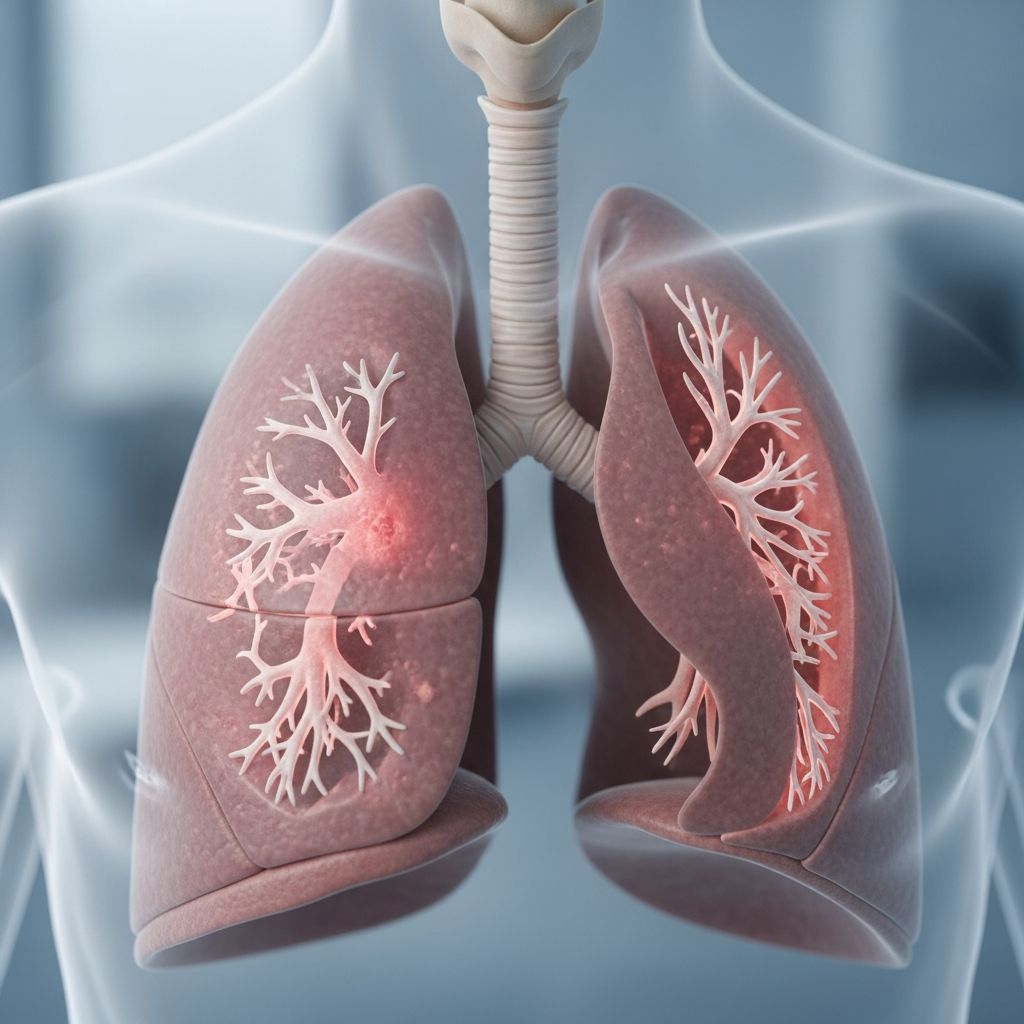
Respiratory tract infections (RTIs) represent a broad category of illnesses that target the body’s breathing system, from the nasal passages to the deepest parts of the lungs. These conditions can range from mild annoyances like the common cold to life-threatening diseases such as pneumonia. Most RTIs are caused by viruses and resolve without specific medical intervention, but bacterial cases may require targeted treatments. Recognizing the differences between upper and lower RTIs is essential for appropriate care.
Dividing the Respiratory System: Upper vs. Lower Infections
The respiratory tract is divided into upper and lower sections based on anatomy. Upper RTIs involve areas above the vocal cords, including the sinuses, nose, throat, and larynx. Lower RTIs affect the trachea, bronchi, bronchioles, and lungs below this level. This distinction guides symptom expectations and treatment approaches.
Upper infections often spread easily in close-contact settings and cause discomfort but rarely lead to hospitalization. Lower infections, however, can impair oxygen exchange, leading to more severe outcomes, especially in vulnerable groups like infants, elderly individuals, and those with chronic illnesses.
Common Culprits Behind Respiratory Infections
Viruses dominate as the primary cause of RTIs, responsible for the majority of cases across both upper and lower tracts. Key viral players include rhinoviruses (triggering most colds), influenza viruses, respiratory syncytial virus (RSV), parainfluenza, adenoviruses, enteroviruses, and coronaviruses like those causing COVID-19.
Bacterial pathogens play a secondary role, often complicating viral illnesses or causing standalone lower tract issues. Streptococcus pneumoniae leads in community-acquired pneumonia, while Haemophilus influenzae, Moraxella catarrhalis, and Mycoplasma pneumoniae contribute to bronchitis and atypical pneumonias. In healthcare settings, Pseudomonas aeruginosa and methicillin-resistant Staphylococcus aureus (MRSA) pose risks.
Factors like weakened immunity, smoking, or underlying conditions such as asthma or COPD increase susceptibility to both types.
Recognizing Symptoms Across the Tract
Symptoms vary by infection location and cause but often overlap. Upper RTI signs typically emerge first and include:
- Runny or congested nose
- Sore or scratchy throat
- Sneezing and watery eyes
- Mild fever or headache
- Loss of taste or smell in some viral cases
Lower RTI symptoms signal deeper involvement and demand closer monitoring:
- Persistent cough with phlegm
- Shortness of breath or wheezing
- High fever and chills
- Chest pain on breathing
- Fatigue and rapid breathing
Progression from upper to lower symptoms occurs when viruses like influenza or RSV descend into the lungs, potentially causing pneumonia. Children may show irritability or poor feeding, while adults report myalgias and exhaustion.
Diagnosis: From Clinical Assessment to Testing
Healthcare providers start with history and physical exams, listening for abnormal lung sounds and checking oxygen levels. Most viral upper RTIs need no further tests and are managed symptomatically.
For suspected bacterial or severe lower RTIs, diagnostics include:
Related Stories



| Test | Purpose | When Used |
|---|---|---|
| Chest X-ray | Detects pneumonia or consolidation | Severe cough, fever >5 days |
| Sputum culture | Identifies bacteria | Purulent sputum, no improvement |
| Rapid antigen tests | Confirms flu, RSV, strep | Outbreak seasons, high-risk patients |
| PCR panels | Detects multiple viruses/bacteria | Hospitalized cases |
| Blood tests (CRP, procalcitonin) | Differentiates viral vs. bacterial | Ambiguous presentations |
These tools help avoid antibiotic overuse, as biomarkers like procalcitonin favor bacterial infections when elevated.
Treatment Strategies Tailored to Cause
Viral RTIs, comprising 80-90% of upper cases and many lower ones, rely on supportive care: rest, hydration, over-the-counter pain relievers, and humidified air. Symptoms peak in 2-3 days and resolve in 1-2 weeks.
Antivirals are reserved for high-risk influenza or COVID-19 patients if started early (within 48 hours for flu, 5 days for COVID). Bacterial infections warrant antibiotics like amoxicillin for strep throat or pneumococcus, or macrolides for atypicals. Full courses prevent resistance.
Hospital care for severe cases includes oxygen, IV fluids, and ventilatory support. Chronic conditions like COPD exacerbations may need bronchodilators and steroids.
High-Risk Groups and Complications
Infants under 6 months, adults over 65, pregnant people, and those with comorbidities face higher hospitalization risks. CDC data shows over 1 million annual U.S. respiratory virus hospitalizations and 70,000 deaths.
Complications include secondary bacterial pneumonia, sinusitis from unresolved colds (1-2% bacterial overlay), otitis media, and rare sequelae like rheumatic fever from untreated group A strep. RSV epidemics peak seasonally, hitting young children hardest.
Prevention: Your Best Defense
Vaccinations form the cornerstone: annual flu shots, pneumococcal vaccines for at-risk groups, pertussis boosters, and COVID/RSV shots where available. Hand hygiene, covering coughs, staying home when sick, and avoiding crowds during peaks reduce transmission.
Air quality matters—quit smoking, use masks in poor ventilation, and ensure good indoor airflow. High-risk households benefit from post-exposure prophylaxis like oseltamivir for flu.
Living with Recurrent or Chronic RTIs
People with bronchiectasis, cystic fibrosis, or immunodeficiencies experience frequent episodes. Management involves airway clearance, prophylactic antibiotics, and specialist input. Viral triggers exacerbate COPD, emphasizing vaccination.
Frequently Asked Questions (FAQs)
Do I need antibiotics for a cold?
No, colds are viral. Antibiotics target bacteria only and won’t help, risking resistance.
How long does bronchitis last?
Acute viral bronchitis resolves in 1-3 weeks; persistent cough may linger.
Can RTIs be prevented entirely?
Not completely, but vaccines and hygiene slash risks significantly.
When should I see a doctor for cough?
If lasting >10 days, with fever, bloody sputum, or breathing difficulty.
Are lower RTIs always more serious?
They tend to be, especially in vulnerable people, but many are mild.
References
- Respiratory infections: Your prevention guide — MySanitas. 2023. https://www.mysanitas.com/en/blog/respiratory-infections-your-prevention-guide
- About Respiratory Illnesses — Centers for Disease Control and Prevention (CDC). 2025-02-01. https://www.cdc.gov/respiratory-viruses/about/index.html
- Respiratory tract infections (RTIs) — National Health Service (NHS). 2024-12-23. https://www.nhs.uk/conditions/respiratory-tract-infection/
- Respiratory Tract Infections: A Clinical Approach — National Center for Biotechnology Information (PMC). 2020-04-01. https://pmc.ncbi.nlm.nih.gov/articles/PMC7149513/
- Overview of Viral Respiratory Infections — Merck Manuals. 2025. https://www.merckmanuals.com/professional/infectious-diseases/respiratory-viruses/overview-of-viral-respiratory-infections
Similar Articles








Read full bio of Sneha Tete