Resting Heart Rate: A Key Health Signal Worth Monitoring
Learn why changes in your resting heart rate may indicate important health concerns.
Understanding Resting Heart Rate: A Vital Health Indicator
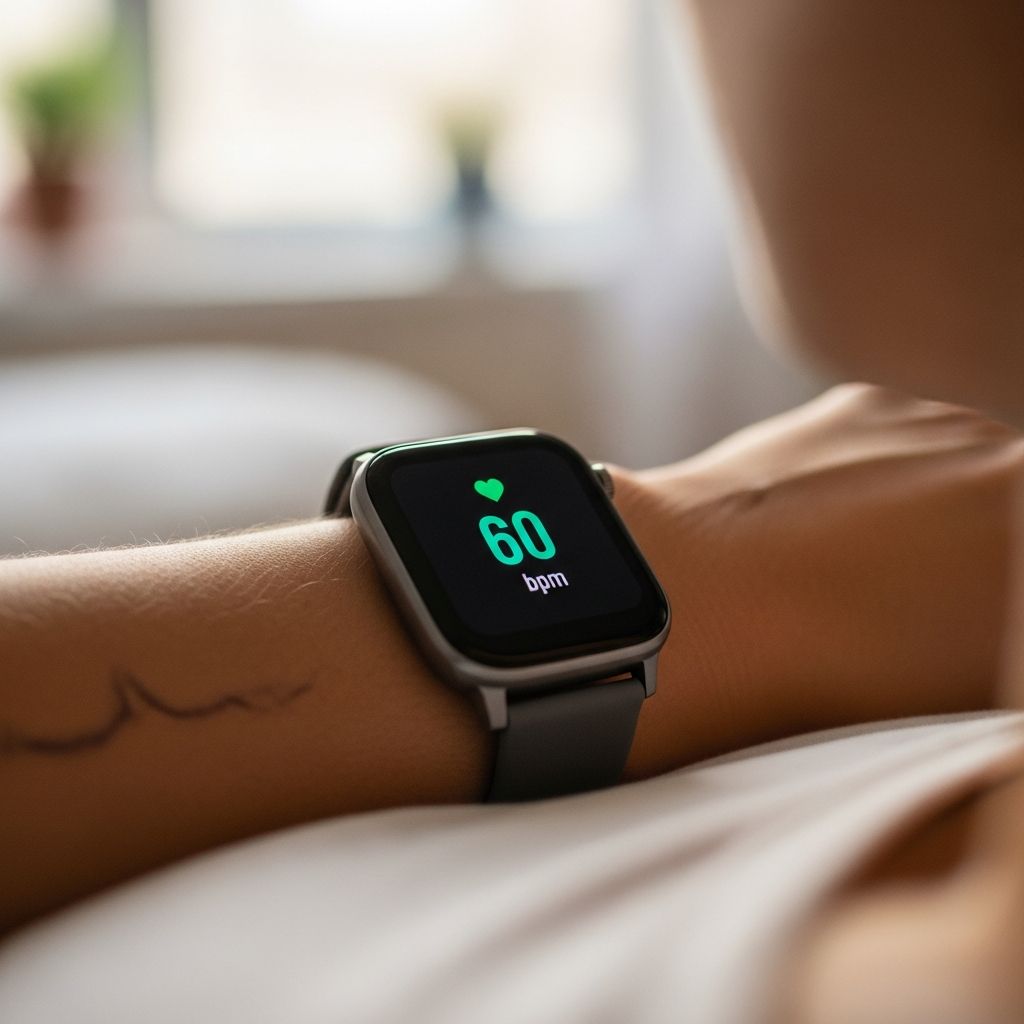
Your resting heart rate is more than just a number—it’s a window into your cardiovascular health and overall fitness level. The resting heart rate represents the number of times your heart beats per minute when you are at complete rest, typically measured first thing in the morning before getting out of bed or after sitting quietly for at least five minutes. While many people rarely think about their heart rate, monitoring this vital sign can provide valuable insights into your health status and help identify potential medical concerns before they become serious.
In recent years, health professionals have increasingly recognized that changes in resting heart rate can signal important shifts in health status. An increase in resting heart rate that persists over time may indicate underlying health issues ranging from minor lifestyle factors to more serious cardiovascular or metabolic conditions. Understanding what constitutes a normal resting heart rate and recognizing when changes warrant medical attention is essential for proactive health management.
What is a Normal Resting Heart Rate?
For most healthy adults, a normal resting heart rate ranges between 60 and 100 beats per minute. However, this range can vary significantly based on individual factors including age, physical fitness level, overall health status, medications, and even emotional state. Athletes and highly trained individuals often have resting heart rates well below 60 beats per minute—sometimes as low as 40 to 50 beats per minute—because their cardiovascular systems have adapted to work more efficiently with each heartbeat.
Conversely, sedentary individuals or those with certain health conditions may have resting heart rates at the higher end of the normal range or even above it. Rather than focusing solely on whether your resting heart rate falls within the standard 60-100 range, what matters most is understanding your personal baseline and recognizing significant changes from that baseline over time.
The Significance of Increasing Resting Heart Rate
A persistent increase in your resting heart rate—even if it remains within the normal range—can be a meaningful health signal. If your baseline resting heart rate has been consistently around 70 beats per minute and you notice it has gradually increased to 85 or 90 beats per minute over several weeks or months, this change warrants investigation. Such increases can reflect changes in your health status or life circumstances that deserve medical attention.
Why Resting Heart Rate Increases Matter
An elevated resting heart rate means your heart must work harder to pump blood throughout your body, even at rest. This increased workload can strain the cardiovascular system over time and may indicate that something in your body’s physiology has shifted. The body maintains resting heart rate through a complex interplay of nervous system activity, hormonal influences, and cardiovascular efficiency, so changes in this rate often reflect underlying biological changes.
Common Causes of Increased Resting Heart Rate
Several factors can cause an increase in resting heart rate. Understanding these causes helps distinguish between temporary elevations and those requiring medical evaluation:
Related Stories



Lifestyle and Environmental Factors
- Stress and Anxiety: Psychological stress triggers the release of adrenaline and cortisol, elevating heart rate. Chronic stress can lead to persistently elevated resting heart rate.
- Sleep Deprivation: Insufficient sleep increases sympathetic nervous system activity, raising resting heart rate. Poor sleep quality consistently correlates with higher baseline heart rates.
- Caffeine and Stimulant Consumption: Caffeine, energy drinks, and other stimulants directly increase heart rate by stimulating the central nervous system.
- Physical Inactivity: Sedentary lifestyles weaken cardiovascular efficiency, requiring the heart to beat more frequently to maintain adequate circulation.
- Excessive Heat Exposure: High ambient temperatures force the heart to work harder to maintain body temperature through increased circulation.
- High Altitude: Reduced oxygen availability at higher elevations causes the heart to beat faster to maintain oxygen delivery to tissues.
Medical Conditions and Medications
- Thyroid Disorders: Hyperthyroidism, where the thyroid produces excessive hormones, consistently elevates resting heart rate by increasing metabolic demand.
- Anemia: Low red blood cell counts reduce oxygen-carrying capacity, forcing the heart to beat faster to maintain adequate oxygen delivery.
- Infection and Fever: Infections trigger inflammatory responses and fever, both of which elevate heart rate significantly.
- Cardiovascular Disease: Heart conditions, valve problems, or arrhythmias can present with increased resting heart rate.
- Diabetes and Metabolic Syndrome: These conditions impair cardiovascular regulation and efficiency.
- Medications: Certain medications, including decongestants, some asthma medications, and stimulant-based drugs, directly increase heart rate.
When to Be Concerned About Resting Heart Rate Changes
While occasional temporary increases in resting heart rate are normal and usually not concerning, persistent elevations warrant medical evaluation. You should consider contacting a healthcare provider if you experience:
- A sustained increase in resting heart rate of 10 or more beats per minute compared to your established baseline
- Resting heart rate persistently exceeding 100 beats per minute
- Resting heart rate that continues elevated for more than a few weeks despite addressing obvious lifestyle factors
- Increased resting heart rate accompanied by other symptoms such as shortness of breath, chest discomfort, dizziness, or fatigue
- Sudden unexplained increases in heart rate without clear precipitating factors
The Relationship Between Resting Heart Rate and Cardiovascular Health
Research has demonstrated that elevated resting heart rate correlates with increased cardiovascular risk. Studies have found that individuals with persistently elevated resting heart rates have higher risks of developing heart disease, experiencing heart attacks, and experiencing other cardiovascular events. This relationship exists independently of other traditional risk factors like blood pressure and cholesterol levels, suggesting that resting heart rate serves as a distinct indicator of cardiovascular health and fitness.
The mechanism behind this relationship involves the increased workload placed on the heart. A consistently elevated resting heart rate indicates that the heart is working inefficiently, requiring more beats to accomplish the same circulation as a person with a lower resting heart rate. This increased mechanical stress can accelerate wear on the cardiovascular system and increase inflammation throughout the body, both of which contribute to heart disease development.
Resting Heart Rate as a Fitness Indicator
Beyond disease prediction, resting heart rate serves as an accessible marker of cardiovascular fitness. As cardiovascular fitness improves through regular aerobic exercise, the heart becomes more efficient, and resting heart rate typically decreases. Athletes and individuals who exercise regularly typically maintain lower resting heart rates because their hearts have adapted to pump more blood with each beat, reducing the number of beats needed to maintain circulation.
This relationship makes resting heart rate a useful tool for tracking fitness improvements. As you implement cardiovascular exercise programs, gradually decreasing resting heart rate provides objective evidence that your heart is becoming more efficient and your fitness level is improving.
How to Measure Your Resting Heart Rate Accurately
Proper measurement technique ensures accurate resting heart rate assessment. Follow these steps for reliable measurement:
- Timing: Measure your resting heart rate immediately upon waking, before getting out of bed, or after sitting quietly for at least five minutes in a relaxed state.
- Location: Find your pulse at the wrist (radial artery) or neck (carotid artery). Using two fingers (index and middle finger), apply gentle pressure until you feel the pulse.
- Duration: Count the number of beats in 60 seconds, or count beats for 15 seconds and multiply by four for faster measurement.
- Consistency: Measure at the same time each day for several consecutive days to establish an accurate baseline.
- Technology: Heart rate monitors, smartwatches, and fitness trackers provide convenient measurements, though traditional manual pulse-checking remains reliable.
Strategies for Lowering an Elevated Resting Heart Rate
If you’ve identified an elevated resting heart rate and medical evaluation has ruled out serious underlying conditions, several lifestyle modifications can help normalize it:
Cardiovascular Exercise
Regular aerobic exercise provides the most effective method for improving cardiovascular efficiency and lowering resting heart rate. Aim for at least 150 minutes of moderate-intensity aerobic activity weekly, or 75 minutes of vigorous-intensity activity. Activities including brisk walking, jogging, cycling, swimming, and dancing effectively build cardiovascular fitness.
Stress Management
Implementing stress-reduction techniques helps normalize resting heart rate by reducing sympathetic nervous system activation. Meditation, deep breathing exercises, yoga, and progressive muscle relaxation effectively lower stress-related heart rate elevation.
Sleep Optimization
Prioritizing adequate, quality sleep supports cardiovascular regulation. Most adults require 7-9 hours nightly. Establishing consistent sleep schedules, creating dark, cool sleep environments, and limiting evening screen time promote better sleep quality.
Caffeine Reduction
Decreasing or eliminating caffeine consumption, particularly in the morning, can significantly reduce resting heart rate in sensitive individuals.
Weight Management
Maintaining a healthy body weight reduces cardiovascular demand and typically correlates with lower resting heart rates.
When to Seek Medical Evaluation
Certain situations require prompt medical attention regarding resting heart rate changes. Schedule an appointment with your healthcare provider if you notice sustained increases in resting heart rate, particularly if accompanied by symptoms or if you cannot identify an obvious cause. During your appointment, your doctor may perform additional testing including electrocardiograms (EKGs), blood tests to evaluate thyroid function and other metabolic parameters, or other cardiovascular assessments depending on clinical presentation.
Frequently Asked Questions
Q: What is the difference between resting heart rate and heart rate during exercise?
A: Resting heart rate is measured during complete rest, while exercise heart rate increases significantly during physical activity. Heart rate can increase two to three times above resting levels during moderate exercise and even higher during intense exertion. Recovery time—how quickly heart rate returns to resting levels after exercise—also indicates cardiovascular fitness.
Q: Can medications affect resting heart rate?
A: Yes, many medications influence resting heart rate. Stimulant medications, decongestants, and some asthma treatments increase heart rate, while beta-blockers and some other blood pressure medications decrease it. Always inform your healthcare provider about resting heart rate changes when starting new medications.
Q: Is a very low resting heart rate always beneficial?
A: While lower resting heart rates generally indicate better cardiovascular fitness, extremely low rates can sometimes indicate heart rhythm abnormalities or other conditions requiring evaluation. Athletes’ low resting rates typically reflect efficiency rather than pathology, but very low rates warrant medical assessment.
Q: How long does it take to lower an elevated resting heart rate through exercise?
A: Improvements typically appear within 4-8 weeks of consistent aerobic exercise, with more substantial decreases occurring over several months as cardiovascular fitness improves.
Q: Does age affect resting heart rate?
A: While resting heart rate can remain stable throughout adulthood with maintained fitness, fitness levels typically decline with age, potentially resulting in higher resting heart rates in less active older adults compared to younger individuals.
References
- Resting Heart Rate and Health — American Heart Association. 2024. https://www.heart.org/en/healthy-living/fitness/fitness-basics/target-heart-rates
- Elevated Resting Heart Rate and Cardiovascular Risk — National Institutes of Health, National Heart, Lung, and Blood Institute. 2023. https://www.nhlbi.nih.gov/health-topics/heart-rate
- Resting Heart Rate as a Health Indicator — Centers for Disease Control and Prevention. 2024. https://www.cdc.gov/physicalactivity/basics/index.htm
- Cardiovascular Fitness and Heart Rate Response — Mayo Clinic. 2024. https://www.mayoclinic.org/healthy-lifestyle/fitness/expert-answers/heart-rate/faq-20057979
- Stress, Sleep, and Cardiovascular Health — American Psychological Association. 2023. https://www.apa.org/science/about/psa/stress-heart-health
Similar Articles








Read full bio of medha deb