Restless Legs Syndrome Overview: Causes, Symptoms, Treatments
Understand restless legs syndrome: symptoms, causes, diagnosis, treatments, and lifestyle tips for better sleep and relief.
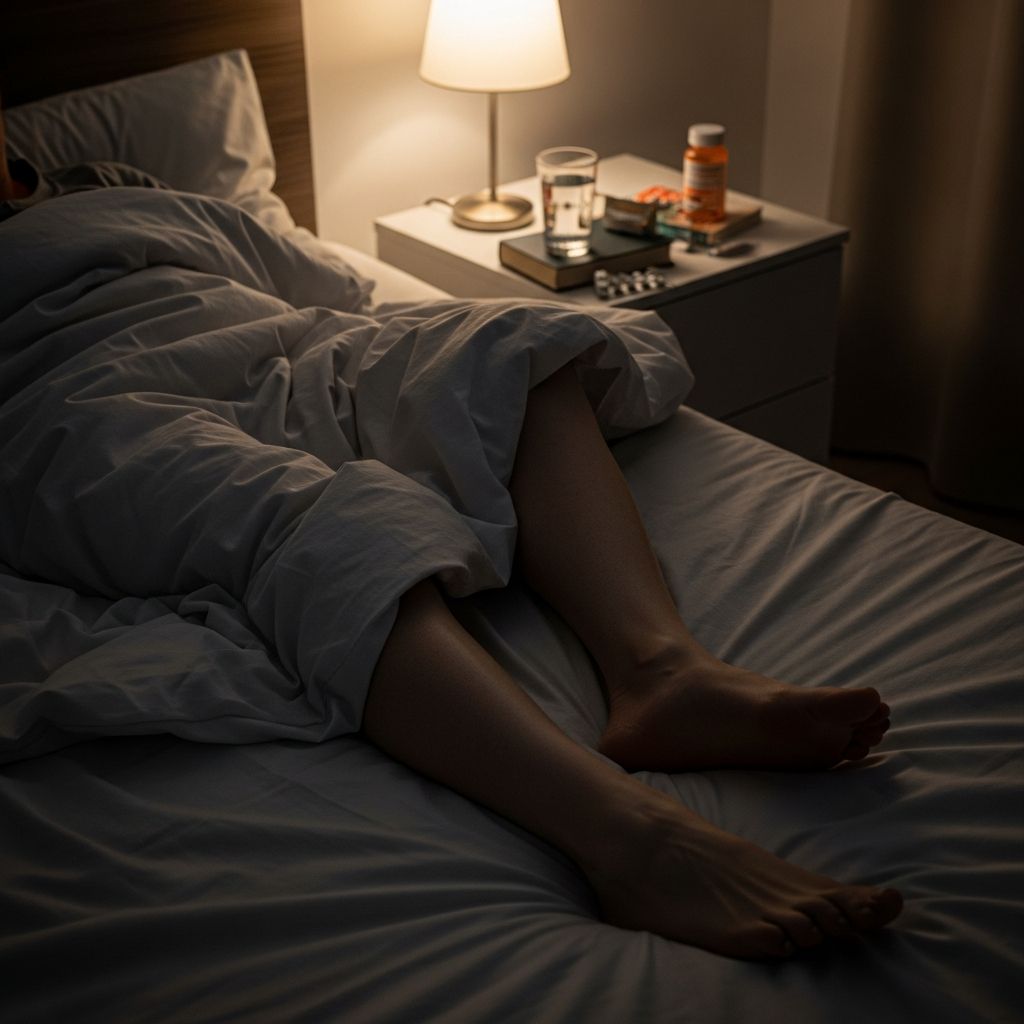
Restless legs syndrome (RLS), also known as Willis-Ekbom disease, is a neurological disorder characterized by an overwhelming urge to move the legs, often accompanied by uncomfortable sensations. These symptoms typically worsen during periods of rest, especially in the evening or night, disrupting sleep and daily life. Affecting up to 10% of the population, RLS can range from mild to severe, with no cure but effective management strategies available.
What Is Restless Legs Syndrome?
Restless legs syndrome is a sensorimotor disorder that triggers a strong, nearly irresistible urge to move the legs when at rest. This urge is usually paired with peculiar sensations such as crawling, creeping, pulling, throbbing, aching, itching, or electric shocks deep within the legs rather than on the skin surface. Symptoms predominantly affect the legs but can extend to arms or other body parts in severe cases.
The condition interferes with relaxation and sleep because symptoms intensify when lying down or sitting for extended periods, like during long car rides, flights, or movie watching. Moving the legs—through walking, stretching, jiggling, or pacing—provides temporary relief, but sensations often return upon resuming rest. RLS is distinct from muscle cramps or numbness; patients consistently describe an internal compulsion to move.
RLS often coexists with periodic limb movement disorder (PLMD), where legs twitch or kick involuntarily during sleep, further fragmenting rest. This can lead to daytime fatigue, insomnia, and reduced quality of life. While not life-threatening, severe RLS significantly impacts wellness by causing chronic sleep deprivation.
Symptoms of Restless Legs Syndrome
Core symptoms of RLS follow four essential criteria established by experts:
- An
urge to move the legs
, usually accompanied by uncomfortable sensations. - Symptoms
begin or worsen during rest or inactivity
, such as lying or sitting. - Sensations are
partially or totally relieved by movement
like walking or stretching, as long as the activity persists. - Symptoms
occur exclusively or worsen in the evening or night
compared to daytime.
Common descriptions of sensations include:
- Crawling or creeping feelings.
- Pulling or throbbing.
- Aching or itching.
- Electric or buzzing sensations.
Symptoms affect both legs equally most often, though one side or arms may be involved. They fluctuate in intensity, sometimes remitting for weeks before recurring. Nighttime leg twitching (PLMs) occurs in many cases, with movements lasting 0.5-10 seconds, repeating every 10-90 seconds in sequences of at least four. This autonomic activation can elevate nocturnal blood pressure, linking RLS to cardiovascular risks like hypertension.
Sleep disruption is profound: difficulty falling asleep leads to insomnia, daytime somnolence, and fatigue. In children, symptoms may manifest as growing pains.
Causes and Risk Factors for Restless Legs Syndrome
The exact cause of RLS remains unclear, but evidence points to brain dysfunction in the basal ganglia, which relies on dopamine to regulate movement. Dopamine imbalance impairs motor control, mimicking Parkinson’s disease features. Genetic factors play a role; RLS often runs in families, with chromosomal sites identified, especially if onset is before age 40.
Secondary RLS links to underlying conditions:
- Iron deficiency: Low iron levels, even without anemia, disrupt dopamine production. Common in heavy menstruators, blood donors, or those with gastrointestinal bleeding.
- Peripheral neuropathy: Nerve damage from diabetes or alcohol use.
- Kidney failure: Alters iron metabolism and body chemistry.
- Spinal cord issues or Parkinson’s disease: Increase risk.
- Pregnancy: Worsens symptoms, especially in the third trimester, resolving post-delivery.
Related Stories



Other triggers include certain medications (antidepressants, antihistamines), caffeine, alcohol, and nicotine. Symptoms progress with age, affecting women twice as often as men. Emerging research associates RLS with hypertension and cardiovascular disease due to PLMs-induced blood pressure surges.
Restless Legs Syndrome Diagnosis
Diagnosis relies on clinical history and symptom criteria, as no single test confirms RLS. Healthcare providers conduct:
- A detailed
symptom questionnaire
matching the four essential criteria. - **Physical and neurological exams** to rule out mimics like cramps or neuropathy.
- **Blood tests** for iron/ferritin levels, kidney function, and diabetes.
- **Sleep studies** (polysomnography) if PLMD or other disorders suspected, monitoring leg movements.
Differential diagnosis excludes arthritis, muscle pain, or venous issues. Family history aids in identifying primary vs. secondary RLS. Early diagnosis is key, as treating underlying causes like iron deficiency can alleviate symptoms.
Treatment for Restless Legs Syndrome
While incurable, RLS is highly treatable. Management combines lifestyle changes, addressing triggers, and medications tailored to severity.
Lifestyle and Home Remedies
For mild cases:
- Establish
regular sleep hygiene
: Consistent bedtime, cool/dark room, avoid screens. - **Exercise moderately** earlier in the day; avoid evening workouts.
- **Leg massages, warm/cold baths, stretching** before bed.
- Reduce
caffeine, alcohol, tobacco
; follow a balanced diet rich in iron (spinach, red meat) with vitamin C for absorption. - Use
distraction techniques
like puzzles during symptom onset.
Medications
For moderate-severe RLS:
| Medication Type | Examples | Purpose |
|---|---|---|
| Dopamine Agonists | Pramipexole, Ropinirole | Mimic dopamine to reduce urges |
| Alpha-2 Delta Ligands | Gabapentin, Pregabalin | Control sensations and PLMs |
| Iron Supplements | Ferrous sulfate (if deficient) | Correct low ferritin levels |
| Benzodiazepines | Clonazepam | Aid sleep in low doses |
| Opioids | Low-dose for refractory cases | Last resort due to addiction risk |
Treat secondary causes first (e.g., kidney dialysis adjustments). Monitor for augmentation, where meds worsen symptoms long-term.
Living With Restless Legs Syndrome
RLS demands ongoing management. Track symptoms in a journal to identify triggers. Support groups offer coping strategies. Most find relief balancing lifestyle and meds, improving sleep and vitality. Consult providers for personalized plans, especially if pregnant or with comorbidities. Regular follow-ups prevent complications like cardiovascular strain from chronic PLMs.
Frequently Asked Questions (FAQs)
Is restless legs syndrome serious?
RLS isn’t life-threatening but can severely disrupt sleep and quality of life, potentially raising cardiovascular risks.
Does RLS go away?
Primary RLS is chronic but manageable; secondary forms often resolve with cause treatment.
Can children have RLS?
Yes, often misdiagnosed as growing pains; genetic links common.
Is RLS hereditary?
Frequently, especially early-onset cases with identified gene loci.
What foods help RLS?
Iron-rich foods (leafy greens, lean meats) paired with vitamin C; avoid caffeine/alcohol.
References
- Restless Legs Syndrome (RLS): Causes, Symptoms & Treatment — Cleveland Clinic. 2023-10-01. https://my.clevelandclinic.org/health/diseases/9497-restless-legs-syndrome
- Restless legs syndrome – Symptoms and causes — Mayo Clinic. 2024-05-15. https://www.mayoclinic.org/diseases-conditions/restless-legs-syndrome/symptoms-causes/syc-20377168
- Restless Legs Syndrome, Periodic Leg Movements, Hypertension — American Heart Association Journals. 2025-09-01. https://www.ahajournals.org/doi/10.1161/CIRCRESAHA.125.325677
- Restless Legs Syndrome (RLS) — University of Rochester Medical Center. 2023-01-10. https://www.urmc.rochester.edu/encyclopedia/content?contenttypeid=85&contentid=p01324
Similar Articles








Read full bio of medha deb