Retained Products of Conception: Causes, Symptoms & Treatment
Understanding RPOC: Diagnosis, complications, and treatment options for retained pregnancy tissue.
What Are Retained Products of Conception?
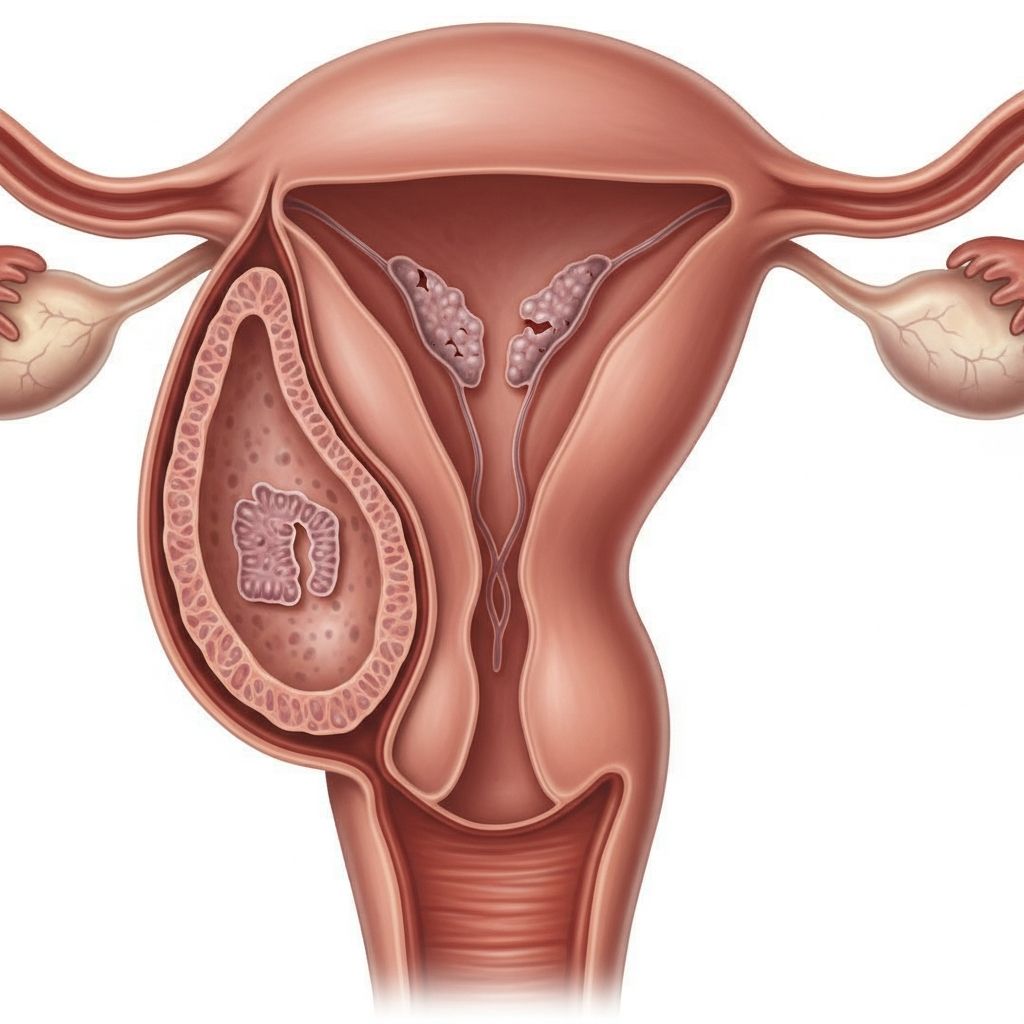
Retained products of conception (RPOC) refers to placental, fetal, or membranous tissue that remains in the uterus after a pregnancy has ended. This condition can occur following various types of pregnancy outcomes, including spontaneous miscarriage, induced abortion, vaginal delivery, or cesarean section delivery. The retained tissue is typically placental material, though fetal tissue may also be involved in some cases.
RPOC represents an important clinical consideration because any tissue left behind in the uterus can lead to significant complications if not properly managed. The condition distinguishes an incomplete miscarriage from a complete one, where all pregnancy-related material has been successfully expelled from the uterus. Understanding RPOC is essential for both healthcare providers and patients, as early recognition and appropriate treatment can prevent serious health consequences.
Symptoms and Warning Signs
Patients with retained products of conception may experience a variety of symptoms that warrant medical attention. Recognizing these signs early can help facilitate timely diagnosis and treatment:
- Heavy or irregular vaginal bleeding that persists beyond the expected recovery period
- Passing of blood clots or tissue fragments
- Abnormal or foul-smelling vaginal discharge
- Enlarged or tender uterus upon physical examination
- Fever and elevated body temperature
- Pelvic pain or cramping that does not resolve with standard pain management
- General malaise or feeling unwell
- Delayed or absent menstrual period when pregnancy tissue is still present
- Difficulty breathing in severe cases with systemic involvement
The severity and combination of symptoms can vary significantly among patients. Some women may experience mild symptoms such as light spotting and minimal cramping, while others may present with severe bleeding, high fever, and signs of systemic infection. It is crucial for patients to contact their healthcare provider if they notice any of these symptoms, particularly if they are accompanied by signs of infection or severe bleeding.
Risk Factors for RPOC
Certain patient characteristics and clinical circumstances increase the likelihood of developing retained products of conception. Understanding these risk factors helps healthcare providers identify patients who may require closer monitoring and more aggressive management strategies.
Patients at higher risk of RPOC include those with:
- Placenta accreta or other abnormal placental attachment conditions
- Advanced maternal age
- History of assisted vaginal delivery using vacuum or forceps
- Delivery in the second trimester
- Failure to progress during labor
- Nulliparity (first pregnancy)
- Previous uterine surgeries, including dilation and curettage (D&C) or cesarean sections
- Irregularly shaped uterus or anatomical abnormalities
- Medical or surgical termination of pregnancy, particularly in early trimester
Among all pregnancy outcomes, the risk of RPOC varies considerably. Research indicates that RPOC occurs in approximately 17 percent of first-trimester miscarriages and up to 40 percent of late second-trimester miscarriages, compared to less than 3 percent of full-term deliveries. The significantly higher incidence following miscarriage and abortion reflects the difficulty in determining whether all pregnancy tissue has been completely expelled in these circumstances.
Related Stories



Diagnosis and Imaging
Accurate diagnosis of retained products of conception is essential for implementing appropriate treatment. Healthcare providers employ several diagnostic methods to confirm the presence of retained tissue and rule out other potential causes of symptoms.
Transvaginal Ultrasound
Transvaginal ultrasound is the primary diagnostic tool for identifying RPOC. During this procedure, an ultrasound probe is gently inserted into the vagina to obtain high-resolution images of the uterus and endometrium. The presence of hyperechoic or heterogeneous material within the endometrial cavity suggests the diagnosis of RPOC. Healthcare providers also use color Doppler imaging to assess blood flow within the retained tissue, which can help distinguish RPOC from blood clots or other benign findings.
On ultrasound examination, retained products of conception typically appear as echogenic material with variable texture and density within the uterine cavity. The endometrial thickness may be increased, and the material may demonstrate vascularity on Doppler assessment. A previous ultrasound confirming the presence of an intrauterine pregnancy is typically required to establish the diagnosis definitively.
Laboratory Testing
Human chorionic gonadotropin (HCG) testing plays an important role in diagnosing and monitoring RPOC. When placental tissue remains in the uterus, the HCG level typically remains positive and may be elevated. Serial HCG measurements help determine whether tissue is actively producing hormone, indicating viable retained tissue. A positive HCG combined with ultrasound findings suggestive of retained tissue strongly supports the diagnosis of RPOC.
Physical Examination
A thorough physical examination, including inspection of the cervix with a speculum and bimanual palpation of the uterus, provides additional diagnostic information. The healthcare provider assesses for signs of infection, degree of uterine tenderness, and evidence of ongoing bleeding. Samples may be obtained for culture if infection is suspected.
Complications of RPOC
Untreated or inadequately managed retained products of conception can lead to serious health complications. These complications range from troublesome but manageable conditions to life-threatening emergencies requiring urgent intervention.
The major complications associated with RPOC include:
- Anemia: Prolonged heavy bleeding can result in significant blood loss and iron-deficiency anemia, requiring transfusion in severe cases
- Infection and Sepsis: Retained tissue provides a culture medium for bacterial growth, potentially leading to uterine infection, pelvic inflammatory disease, or systemic sepsis
- Chronic Pelvic Pain: Some patients develop persistent pelvic pain and discomfort that affects quality of life
- Asherman’s Syndrome: Scarring of the uterine cavity can result from infection or multiple instrumentation procedures, potentially affecting future fertility
- Hemorrhage: Severe bleeding may require emergency intervention and blood transfusion
- Disseminated Intravascular Coagulation: In rare cases, severe infection can trigger abnormal blood clotting
These complications underscore the importance of timely diagnosis and appropriate treatment of RPOC.
Treatment Options
Management of retained products of conception depends on the clinical presentation, stability of the patient, and patient preferences. Healthcare providers tailor treatment plans based on individual circumstances and may employ medical, surgical, or combined approaches.
Medical Management
Misoprostol is a prostaglandin analog frequently used as first-line medical therapy for RPOC. This medication stimulates uterine contractions and promotes expulsion of retained tissue. Misoprostol can be administered orally, vaginally, or sublingually, with varying dosing schedules. Many patients respond favorably to misoprostol, particularly when tissue burden is minimal. Treatment success rates vary, and some patients may require repeat doses or escalation to surgical management if medical therapy fails.
Antibiotics may be prescribed if infection is suspected or confirmed. Antipyretics and analgesics help manage fever and pain while awaiting tissue expulsion or definitive treatment.
Surgical Management
When medical management fails or the clinical situation demands more rapid resolution, surgical evacuation of retained products becomes necessary. Two primary surgical approaches are employed:
Dilation and Curettage (D&C): This procedure involves dilating the cervix and using a curette to gently scrape the uterine lining, removing retained tissue. D&C remains a widely used, effective treatment with high success rates. However, repeated curettage procedures increase the risk of uterine scarring and Asherman’s syndrome.
Hysteroscopy: This minimally invasive procedure allows direct visualization of the uterine cavity using a thin telescope-like instrument. The hysteroscope enables precise identification and removal of retained tissue under direct visualization, potentially reducing uterine trauma compared to blind curettage. Hysteroscopy may be combined with gentle suction or instrumentation to remove tissue.
Surgical management is particularly appropriate for hemodynamically unstable patients, those with signs of serious infection, or patients who have failed medical therapy.
Differential Diagnosis
Several other conditions can mimic the presentation of retained products of conception, and healthcare providers must consider these alternatives during evaluation:
- Normal postpartum or post-abortion uterine appearance with expected endometrial changes
- Blood clot within the uterine cavity without retained tissue
- Endometritis (infection of the uterine lining) without retained tissue
- Gestational trophoblastic disease or molar pregnancy
- Uterine arteriovenous malformation causing abnormal bleeding
- Other causes of abnormal uterine bleeding
Integrating ultrasound findings with clinical symptoms, HCG levels, and patient history helps establish the correct diagnosis and guide appropriate management.
Follow-Up and Monitoring
After initial treatment for RPOC, appropriate follow-up ensures complete resolution and identifies any complications requiring additional intervention. Healthcare providers typically recommend:
– Home pregnancy testing approximately three weeks after treatment to confirm HCG negativity
– Repeat ultrasound examination if symptoms persist or worsen
– Close observation for signs of infection, including fever, foul-smelling discharge, or increasing pain
– Contact with healthcare providers if heavy bleeding develops or symptoms of sepsis appear
– Contraceptive counseling and provision when appropriate for future pregnancy planning
Frequently Asked Questions
What exactly are retained products of conception?
Retained products of conception refer to any pregnancy-related tissue, most commonly placental material, that remains in the uterus after pregnancy has ended through miscarriage, abortion, or delivery. This tissue must be removed to prevent complications.
How common is RPOC?
RPOC occurs in approximately 17 percent of first-trimester miscarriages and 40 percent of second-trimester miscarriages, but in less than 3 percent of full-term deliveries. It is more common after miscarriage or abortion than after vaginal or cesarean delivery.
What should I do if I think I have RPOC?
Contact your healthcare provider immediately if you experience prolonged heavy bleeding, fever, severe pelvic pain, foul-smelling discharge, or other concerning symptoms after pregnancy loss or delivery. Early medical evaluation is essential for diagnosis and treatment.
Can RPOC affect future pregnancies?
If untreated or if multiple surgical procedures are required, RPOC can lead to Asherman’s syndrome (uterine scarring), which may affect future fertility. Proper treatment and follow-up minimize this risk.
Will I need surgery to treat RPOC?
Not all cases require surgery. Many patients respond to medical management with misoprostol. However, if medical therapy fails, you have severe symptoms, or show signs of infection, surgical intervention such as D&C or hysteroscopy may be necessary.
How long does recovery take after RPOC treatment?
Recovery timeline varies depending on the treatment method used. Most patients recover within one to two weeks after medical management or surgery. However, you should follow your healthcare provider’s specific post-treatment instructions and attend all follow-up appointments.
References
- Retained Products of Conception (RPOC) — Right Decisions (NHS Scotland). 2024. https://rightdecisions.scot.nhs.uk/maternity-gynaecology-guidelines/gynaecology/gynaecology-guidelines/guidelines-a-z-all-gynaecology-guidelines/retained-products-of-conception-rpoc-677/
- Definition and diagnostic criteria of retained products of conception: A systematic review — PubMed Central (NIH). 2024. https://pubmed.ncbi.nlm.nih.gov/40625283/
- Retained Placenta: Signs & Symptoms — Tommy’s National Centre for Miscarriage Research. 2024. https://www.tommys.org/pregnancy-information/pregnancy-complications/retained-placenta
- Retained products of conception: risk factors and complications following pregnancy — Penningtons Manches Cooper LLP. 2020-10-21. https://www.penningtonslaw.com/news-publications/latest-news/2020/retained-products-of-conception-risk-factors-and-complications-following-pregnancy
- Evacuation of Retained Products of Conception (ERPC) — Chelsea and Westminster NHS Trust. 2024. https://www.chelwest.nhs.uk/your-visit/patient-leaflets/womens-services/evacuation-of-retained-products-of-conception-erpc
Similar Articles








Read full bio of Sneha Tete