Rethinking Osteoarthritis: Modern Management Strategies
Discover innovative approaches to understanding and managing osteoarthritis for better outcomes.
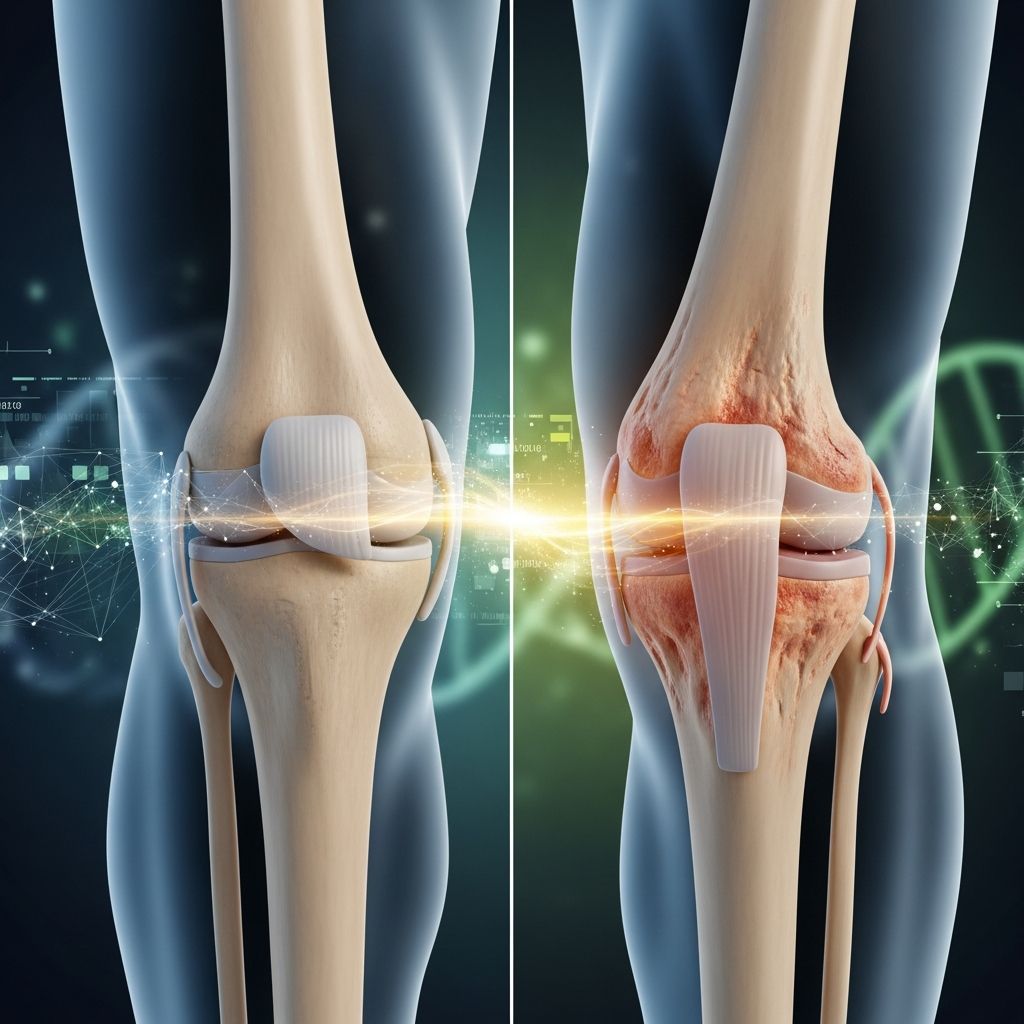
Osteoarthritis (OA) affects millions of people worldwide and remains the most common form of arthritis. For decades, the condition was understood as simple wear-and-tear associated with aging. However, modern research has fundamentally changed how medical professionals and patients approach this complex joint disease. Today’s understanding recognizes osteoarthritis as a disease affecting the entire joint system, including bone, cartilage, ligaments, fat, and the synovial tissues that line the joint. This shift in perspective has led to innovative management strategies that go beyond traditional pain relief, focusing instead on slowing disease progression and improving overall quality of life.
Understanding Osteoarthritis: Beyond the Wear-and-Tear Model
Historically, osteoarthritis was characterized as a degenerative condition resulting from mechanical wear on joints over time. This limited understanding led to passive management approaches where patients were often advised to rest and reduce activity. Modern research has revealed a far more complex picture. Osteoarthritis involves multiple factors including age, genetics, sex, obesity, joint injuries, and physical inactivity. The disease develops through interconnected compositional, structural, and biomechanical alterations that progressively damage cartilage, change bone shape, and trigger inflammation throughout the joint.
The recognition of osteoarthritis as a multifactorial disease has important implications for treatment. Rather than a single cause requiring a single solution, OA requires comprehensive, multifaceted approaches that address its various contributing factors. This understanding has sparked a fundamental rethinking of how clinicians and patients should approach osteoarthritis management from the earliest stages of the disease.
The Importance of Early Intervention
One of the most significant shifts in osteoarthritis management is the emphasis on early intervention. Research demonstrates that the window for preventing or slowing osteoarthritis progression is often much earlier than previously believed. For example, when someone sustains an ACL injury, the process of post-traumatic osteoarthritis begins immediately, even though structural changes may not be visible on standard imaging for years. By identifying and intervening in these early stages, healthcare providers may be able to change the disease trajectory before significant damage occurs.
This paradigm shift toward prevention and early treatment represents a departure from traditional approaches that often focused on managing symptoms in advanced disease stages. Early intervention strategies may include:
- Identifying risk factors and implementing preventive measures
- Using advanced imaging techniques to detect early joint changes
- Establishing appropriate physical activity and exercise routines
- Managing weight and lifestyle factors
- Considering strategic use of chondroprotective agents
Comprehensive Management Approach
Modern osteoarthritis management requires integration of multiple therapeutic dimensions rather than reliance on single interventions. This comprehensive approach combines lifestyle modifications, physical activity, exercise science principles, and pharmacological treatments in a coordinated manner. Unlike fragmented approaches where patients receive disconnected recommendations, comprehensive management views all components as working together synergistically to promote cartilage preservation and slow disease progression.
The pillars of comprehensive osteoarthritis management include:
| Management Component | Key Focus Areas | Expected Outcomes |
|---|---|---|
| Physical Activity | Regular exercise, joint movement, activity levels | Enhanced nutrient exchange, improved mobility |
| Lifestyle Modifications | Weight management, injury prevention, sleep quality | Reduced joint stress, improved overall health |
| Pharmacological Therapy | Chondroprotective agents, anti-inflammatory medications | Slowed cartilage degradation, pain reduction |
| Biological Rhythm Alignment | Circadian-synchronized interventions and activity timing | Enhanced treatment effectiveness, tissue repair |
The Role of Physical Activity and Exercise
Physical activity has emerged as one of the most important components of osteoarthritis management. Contrary to outdated advice to avoid movement, current evidence strongly supports strategic, appropriately-timed exercise as essential for maintaining joint health and slowing disease progression. Regular movement enhances nutrient and waste exchange within the joint, supports cellular metabolism, mitigates mitochondrial dysfunction, and promotes overall tissue maintenance.
Related Stories



The timing of exercise also matters significantly. Research in circadian biology suggests that strategically timed joint activity during waking hours optimizes these beneficial processes, while nighttime rest promotes cartilage rehydration and repair. This time-sensitive approach to physical activity represents a sophisticated understanding of how the body’s natural rhythms interact with mechanical joint loading.
Circadian Rhythm-Based Management
An emerging framework in osteoarthritis management involves aligning therapeutic interventions with the body’s circadian rhythms. The joint cartilage responds differently to treatment and activity at different times of day based on natural biological patterns. This chronobiology approach suggests that synchronizing medications, exercise, and other interventions with biological rhythms can significantly enhance their effectiveness.
For example, chondroprotective agents may work more effectively when administered at specific times that align with the joint’s natural metabolic cycles. Similarly, exercise performed during optimal circadian windows may provide greater benefits for cartilage nutrition and repair than the same exercise performed at other times. This precision medicine approach represents cutting-edge thinking in how to maximize the impact of all management strategies.
Redefining Success: Beyond Traditional Measurements
Traditional approaches to measuring osteoarthritis progression relied primarily on X-ray imaging to assess joint space narrowing—the reduction in space between bones indicating cartilage loss. While these measurements remain useful, they tell only part of the story and may not capture meaningful changes in the early stages of disease when intervention is most promising.
Modern clinical trials and research now employ multiple measurement approaches to better capture the full impact of osteoarthritis on patients:
- Biomarkers that detect early molecular changes in joint tissue
- Advanced MRI imaging that reveals structural changes before they appear on X-rays
- Functional assessments measuring mobility and joint performance
- Patient-reported outcomes including pain quality, stiffness duration, and sleep impact
- Quality of life metrics assessing mental health and overall well-being
This broader measurement approach ensures that research and clinical practice focus on outcomes that truly matter to patients, including their ability to function, maintain independence, and enjoy an active lifestyle.
Patient-Centered Research and Clinical Trials
A crucial shift in osteoarthritis research involves centering patient perspectives and priorities in clinical trial design. For too long, research focused on laboratory models and imaging changes without adequately considering how treatments affected patients’ daily lives. Today’s patient-focused clinical trials explicitly include measurements of function, stiffness, sleep quality, mental health, and pain characteristics that matter most to people living with osteoarthritis.
This patient-centered approach has revitalized osteoarthritis research. After a period when major pharmaceutical companies reduced investment in this area, renewed interest in developing effective disease-modifying therapies has returned. Researchers and clinicians now collaborate with patient advocacy groups and incorporate patient input from the earliest stages of study design through implementation and interpretation of results.
Addressing the Knowledge-Practice Gap
Despite decades of research advancing our understanding of osteoarthritis pathogenesis, a troubling paradox persists: OA incidence continues to rise rather than decline. This disconnect between expanding knowledge and declining disease rates highlights a critical challenge in translating research into effective public health and clinical practice strategies.
Several factors contribute to this gap. Pre-clinical research using animal models often fails to translate effectively to human patients. Fragmented clinical approaches fail to integrate multiple therapeutic components in coordinated fashion. Healthcare systems and public health strategies have not adequately adapted to emphasize early intervention and prevention. Addressing this paradox requires more effective integration of scientific understanding into practical clinical application and public health initiatives.
Chondroprotective Agents and Individualized Treatment
Chondroprotective agents such as glucosamine and chondroitin sulfate remain controversial in osteoarthritis management, with mixed evidence regarding their clinical efficacy. Despite this uncertainty, these agents persist in clinical practice because patients and providers recognize the need for more effective disease-modifying therapies. Recent research suggests that the effectiveness of these agents may depend significantly on physical activity levels and timing of administration.
This finding underscores the importance of individualized approaches to osteoarthritis management. Different patients may respond differently to various interventions based on their unique combination of risk factors, disease characteristics, physical activity patterns, and circadian profiles. Future osteoarthritis management will likely involve patient stratification and matching individuals to specific treatment approaches most likely to benefit their particular disease presentation.
Building a Sustainable Future in Osteoarthritis Management
The long-term goal of rethinking osteoarthritis management is to reduce the burden of this disease on individuals and healthcare systems. By implementing comprehensive, evidence-based strategies that emphasize early intervention and prevention, the medical field can potentially slow disease progression, reduce the need for invasive surgical procedures, and significantly improve quality of life for millions of people.
However, realizing this vision requires rigorous validation of new approaches through large-scale, randomized clinical trials. It also demands integration of innovative thinking into routine clinical practice, changes in public health messaging and prevention strategies, and sustained commitment from researchers, clinicians, patient advocates, and healthcare systems.
Frequently Asked Questions About Osteoarthritis Management
Q: Is osteoarthritis just a wear-and-tear disease caused by aging?
A: No. While aging is one risk factor, osteoarthritis is a complex disease influenced by multiple factors including genetics, injury history, weight, activity levels, and joint structure. It affects the entire joint system, not just cartilage, and can develop at any age.
Q: Should I rest and avoid activity if I have osteoarthritis?
A: No. Modern evidence strongly supports regular, appropriately-timed physical activity as essential for managing osteoarthritis. Strategic exercise enhances joint nutrition, maintains mobility, and can slow disease progression.
Q: Can osteoarthritis be reversed or prevented?
A: There is currently no cure for osteoarthritis. However, early intervention and comprehensive management strategies can slow progression, reduce symptoms, and delay or prevent the need for surgical intervention in many cases.
Q: What role do chondroprotective agents play in osteoarthritis management?
A: Chondroprotective agents like glucosamine and chondroitin sulfate have mixed evidence for effectiveness. Their impact may depend on physical activity levels and timing of administration, suggesting they work best as part of comprehensive treatment approaches rather than as standalone therapies.
Q: How is osteoarthritis progression measured in modern clinical trials?
A: Rather than relying solely on X-rays, modern trials use multiple measurements including biomarkers, advanced MRI imaging, functional assessments, and patient-reported outcomes that capture the full impact of osteoarthritis on daily life.
Q: What does circadian-aligned osteoarthritis management mean?
A: This approach synchronizes treatments and activities with the body’s natural biological rhythms. Research suggests that medications, exercise, and other interventions may work more effectively when timed to align with the joint’s natural metabolic patterns.
References
- Rethinking Osteoarthritis Management: Synergistic Effects of Exercise, Circadian Rhythm Regulation, and Chondroprotective Agents — National Center for Biotechnology Information (NCBI). 2024. https://pmc.ncbi.nlm.nih.gov/articles/PMC11940269/
- Leading the Way in Osteoarthritis Research — Arthritis Foundation. 2024. https://www.arthritis.org/science/impact/leading-the-way-in-osteoarthritis-research
- Re-thinking osteoarthritis pathogenesis: what can we learn from differences between animal models and humans? — National Center for Biotechnology Information (NCBI). 2023. https://pmc.ncbi.nlm.nih.gov/articles/PMC10100340/
- Osteoarthritis: Symptoms, Diagnosis, and Treatment — Arthritis Foundation. 2024. https://www.arthritis.org/diseases/osteoarthritis
- Slowing Osteoarthritis Progression — Arthritis Foundation. 2024. https://www.arthritis.org/diseases/more-about/slowing-osteoarthritis-progression
Similar Articles








Read full bio of Sneha Tete