Reticular Erythematous Mucinosis: Symptoms, Diagnosis & Treatment
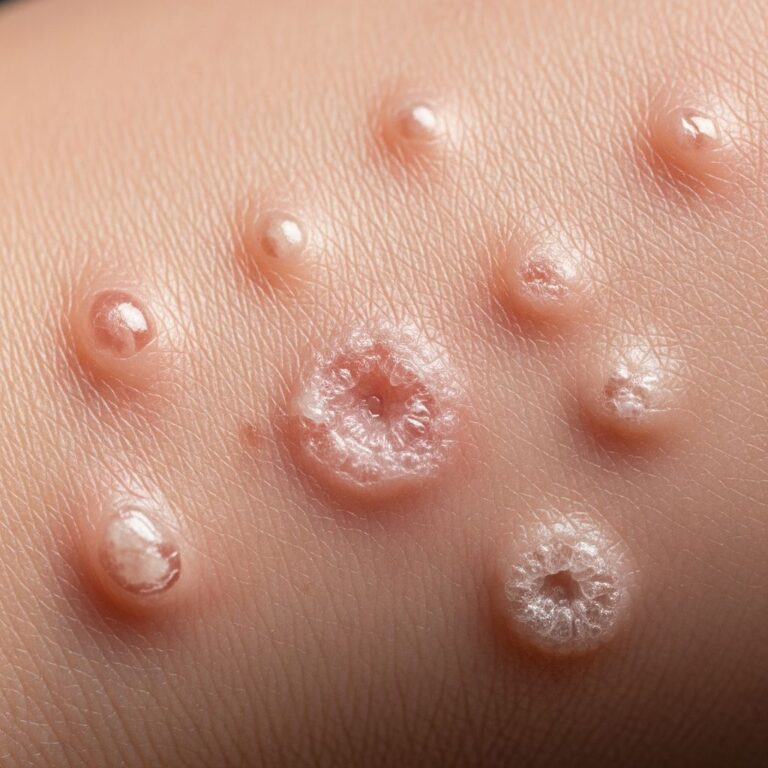
Understanding REM: A rare skin condition affecting the dermis with mucin accumulation.
Reticular Erythematous Mucinosis: A Comprehensive Overview
Reticular erythematous mucinosis (REM) is a rare form of cutaneous mucinosis characterized by the abnormal accumulation of mucopolysaccharides in the dermis. Also referred to as plaque-like mucinosis or midline mucinosis, REM most often affects middle-aged women and presents as distinctive erythematous lesions that typically appear on the upper trunk. The condition is marked by an unknown etiology, though sunlight exposure has been identified as a potential contributing factor. While REM is generally not associated with systemic diseases, it can closely resemble mucinosis that develops in connection with systemic lupus erythematosus, making accurate diagnosis essential.
Clinical Presentation and Symptoms
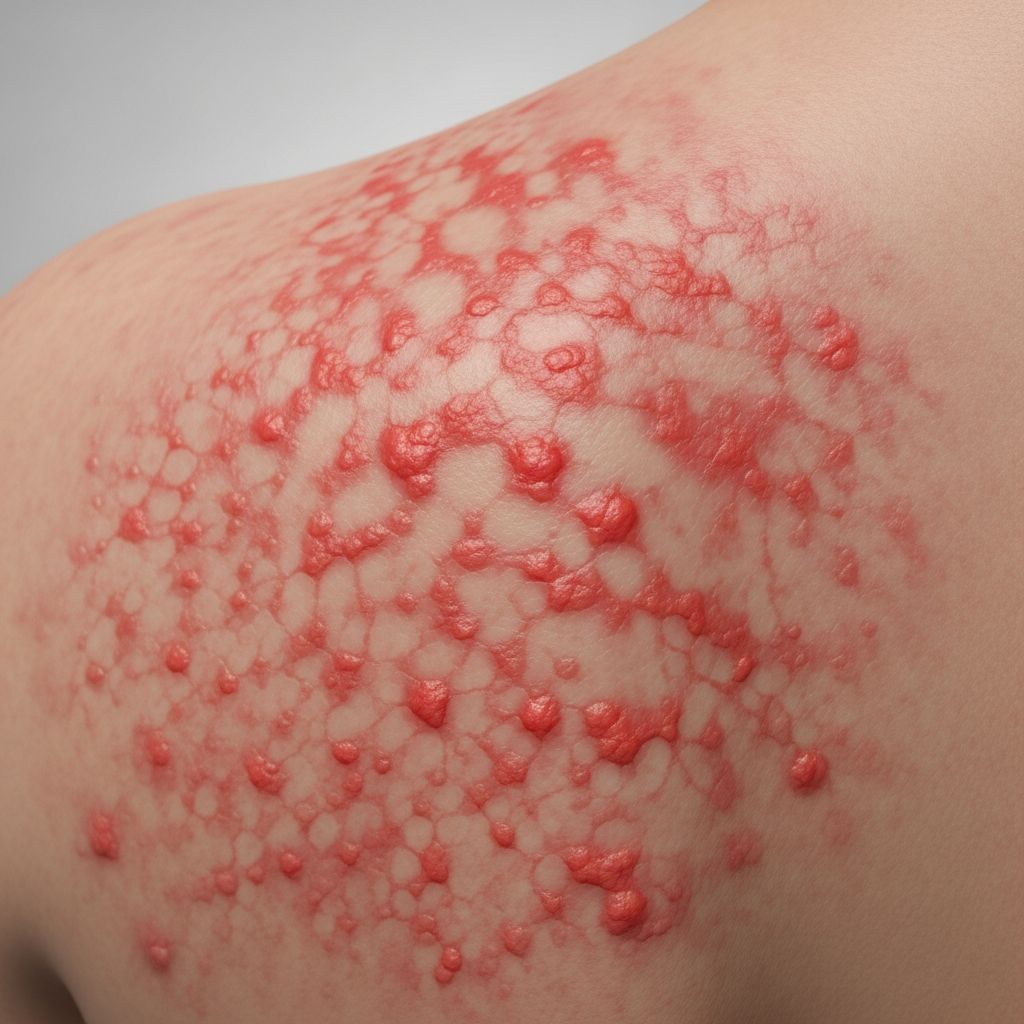
REM presents with characteristic clinical features that develop progressively over time. The condition typically manifests as erythematous macules and papules that gradually coalesce into distinctive patterns. These lesions display a reticular (net-like) appearance and are most commonly located on the midline of the chest or upper back. However, lesions have also been documented on less typical sites including the face, arms, legs, and abdomen.
The appearance of REM lesions is distinctive: they typically present as pink to red macules that eventually combine to form annular and reticulated patterns. Some lesions may be accompanied by telangiectasias (dilated blood vessels) and are often mildly pruritic. The condition tends to be chronic in nature, with lesions persisting over extended periods.
Photosensitivity is an important clinical consideration in REM management. While sun exposure has occasionally been beneficial in some cases, it generally exacerbates the eruption in most patients. Provocative phototesting with UVA and/or UVB radiation has been shown to replicate REM lesions in some individuals, confirming the photosensitive nature of this condition.
Pathophysiology and Etiology
The underlying cause of REM remains unknown. However, research has identified several factors associated with the condition’s development and progression. The primary pathological feature involves fibroblasts producing abnormally large amounts of mucopolysaccharides, which accumulate within the dermis. This mucin deposition is the hallmark finding that distinguishes REM from other dermatological conditions.
REM has been associated with altered states of immune function, including the presence of circulating immune complexes. Additionally, the condition has been found to correlate with idiopathic thrombocytopenic purpura, diabetes mellitus, thyroid disease, and in some cases, neoplasia. However, these associations are not consistent across all REM cases, and the condition can occur independently without systemic disease involvement.
Histopathological Findings
Accurate diagnosis of REM relies heavily on histopathological examination of skin biopsy specimens. The characteristic microscopic features provide definitive confirmation of the condition. Understanding these findings is crucial for clinicians differentiating REM from other mucinotic and inflammatory dermatoses.
Key Histological Features
- Perivascular infiltrates: REM is associated with mild, predominantly lymphocytic infiltrates with variable deep perivascular extension in the superficial and mid-dermal layers
- Lymphocytic composition: The infiltrates consist primarily of lymphocytes, with admixed histiocytes, factor XIIIa-positive dendrocytes, and mast cells
- Mucin deposition: Copious amounts of mucin are deposited between collagen fiber bundles in the dermis, representing the pathological hallmark of REM
- Collagen changes: Characteristic separation and thickening of dermal collagen bundles with rupturing of fiber bundles occurs
- Epidermal findings: The epidermis is typically normal or minimally involved, though mild spongiosis and focal lichenoid inflammation have been reported in some cases
- Vascular changes: Slight vascular dilation may be present in the papillary dermis, occasionally with mild focal hemorrhage
- Elastic fiber changes: Focal fragmentation of elastic fibers and expanding intercollagenous spaces may be observed
Related Stories



The mucin present in REM is most prominent around infiltrates, appendages, and the upper dermis. Special staining techniques significantly aid in visualizing and confirming mucin deposition. Alcian blue staining demonstrates excess mucin in the upper dermis and can confirm diagnosis. Additional useful stains include colloidal iron and hyaluronic acid stains, which help highlight the characteristic mucin deposits that may be difficult to appreciate on routine hematoxylin and eosin (H&E) sections.
Dermoscopic Findings
Recent advances in diagnostic methodology have incorporated dermoscopy as a valuable tool for REM diagnosis. Dermoscopic examination reveals specific features that correlate directly with underlying histopathological changes, offering a non-invasive diagnostic perspective.
The primary dermoscopic findings in REM include:
- Dotted vessels: These correspond histopathologically to vessels located at the tips of dermal papillae
- Uniform structureless yellowish-white spots and patches: These dermoscopic findings correlate with the thickening, rupture of collagen and fiber bundles, and mucin deposition visible on histology
The correlation between dermoscopic and histopathological findings has significant clinical implications. Dermoscopic diagnosis without additional unnecessary testing can benefit both clinicians and patients by expediting diagnosis while reducing the need for extensive laboratory investigations.
Differential Diagnosis
REM can closely resemble other conditions, particularly those affecting the dermis with similar clinical presentations. The most important differential diagnosis is tumid lupus, a manifestation of systemic lupus erythematosus. The remarkable overlap between REM and tumid lupus in both clinical and histopathological features has led some researchers to suggest the two conditions may actually represent the same disease process, though this remains controversial.
Direct immunofluorescence testing can help differentiate REM from lupus-associated mucinosis. In REM cases, direct immunofluorescence has demonstrated the accumulation of immunoglobulins, specifically IgM, along the basal layer in multiple instances. This immunological pattern aids in establishing the diagnosis and excluding systemic lupus erythematosus.
Laboratory investigations are typically normal in primary REM, helping to rule out various autoimmune disorders. However, when systemic associations are suspected, appropriate serological testing for lupus and other autoimmune conditions should be performed.
Treatment Options
REM typically responds well to treatment, with multiple therapeutic approaches demonstrating efficacy. Treatment selection should be individualized based on disease severity, patient tolerance, and treatment response.
First-Line Treatments
Antimalarial medications are considered the cornerstone of REM therapy. Hydroxychloroquine and chloroquine have demonstrated effectiveness in managing the condition. Hydroxychloroquine is often initiated at doses of 400 mg daily, with many patients experiencing lesion resolution within 8 weeks without recurrence.
Second-Line and Alternative Therapies
- Quinacrine: May be used as an alternative antimalarial for patients with allergies to conventional drugs or those with certain eye diseases
- Tetracycline antibiotics: Including minocycline and doxycycline, utilized for their anti-inflammatory properties
- Topical corticosteroids: Applied directly to affected areas for symptomatic relief
- Systemic corticosteroids: Reserved for more severe presentations
- Topical tacrolimus: A calcineurin inhibitor option for localized lesions
- Topical pimecrolimus: Another calcineurin inhibitor, though some patients may develop tolerability issues
- Oral antihistamines: For pruritus management
- Cyclosporine: Used in cases resistant to conventional therapies
Phototherapy and Laser Treatments
Novel therapeutic approaches have shown promising results in REM management:
- UVA1 irradiation: Represents a promising phototherapy approach
- UVB irradiation: Another phototherapeutic option
- Pulsed dye laser (PDL): Demonstrates promising therapeutic results, particularly for vascular components of REM lesions
Given the photosensitive nature of REM, careful patient counseling regarding sun protection is essential. Patients should be advised to use broad-spectrum sunscreens and protective clothing, even when phototherapy is being employed for therapeutic purposes.
Diagnostic Approach
Diagnosis of REM is definitively established through skin biopsy. The biopsy should be taken from an active lesion to maximize diagnostic yield. Histopathological examination demonstrating characteristic mucin deposition between collagen bundles in the dermis, combined with appropriate clinical presentation, confirms the diagnosis.
The diagnostic workup typically includes:
- Clinical evaluation of lesion distribution and characteristics
- Dermoscopic examination
- Skin biopsy with routine H&E staining
- Special staining for mucin (Alcian blue, colloidal iron, or hyaluronic acid stains)
- Direct immunofluorescence to evaluate for IgM deposition and help exclude lupus
- Laboratory investigations to rule out systemic diseases and autoimmune disorders
Prognosis and Course
REM is typically a chronic condition, with lesions persisting over extended periods without treatment. However, the condition generally responds favorably to appropriate therapy. Many patients experience significant improvement or resolution of lesions with antimalarial therapy, though some may require long-term maintenance treatment or combination therapy for optimal control.
The chronic nature of REM necessitates ongoing dermatological monitoring and patient education regarding sun protection and treatment adherence. Some patients may experience fluctuations in disease activity, with lesions becoming more pronounced during certain seasons or after sun exposure.
Frequently Asked Questions
Q: Is reticular erythematous mucinosis a sign of systemic disease?
A: While REM is generally not associated with systemic diseases, it can appear similar to mucinosis developing with systemic lupus erythematosus. However, primary REM typically occurs independently. Laboratory investigations and serological testing can help exclude systemic associations when needed.
Q: What causes reticular erythematous mucinosis?
A: The exact cause of REM remains unknown. However, sunlight exposure is recognized as a contributing factor that may precipitate or exacerbate the condition in susceptible individuals. Altered immune function and circulating immune complexes have also been associated with REM development.
Q: How is REM diagnosed?
A: REM is definitively diagnosed through skin biopsy showing characteristic mucin deposition between collagen bundles in the dermis. Special staining for mucin and direct immunofluorescence can confirm the diagnosis and help exclude other conditions like systemic lupus erythematosus.
Q: Can REM be cured?
A: REM is a chronic condition that typically responds well to treatment but may not be permanently cured. Most patients experience significant improvement with antimalarial therapy or alternative treatments, though some may require ongoing maintenance therapy.
Q: What is the best treatment for reticular erythematous mucinosis?
A: Antimalarial medications, particularly hydroxychloroquine, are considered first-line treatment. Treatment should be individualized, and if antimalarials are ineffective or not tolerated, alternative options include tetracyclines, topical corticosteroids, pulsed dye laser, or UVA1 phototherapy.
Q: Is sun exposure harmful for people with REM?
A: Generally, sun exposure worsens REM lesions in most patients. While occasional cases have improved with sunlight, the condition is typically photosensitive, and affected individuals should practice rigorous sun protection using broad-spectrum sunscreens and protective clothing.
Q: How long does REM treatment take to work?
A: With hydroxychloroquine therapy, many patients experience lesion resolution within 8 weeks. However, treatment timelines vary among individuals, and some patients may require longer periods to achieve optimal results or may need adjustment of therapy.
References
- Reticular erythematous mucinosis: Relationship between its dermoscopic and histopathological findings — National Institutes of Health. 2023. https://pmc.ncbi.nlm.nih.gov/articles/PMC10509337/
- Reticular Erythematous Mucinosis as Differential Diagnosis of Recurrent Cellulitis — Actas Dermo-Sifiliográficas. 2024. https://actasdermo.org/es-reticular-erythematous-mucinosis-as-articulo-S0001731024008573
- Reticular erythematous mucinosis — Wikipedia. https://en.wikipedia.org/wiki/Reticular_erythematous_mucinosis
- Reticular erythematous mucinosis – a review — Journal of Dermatology. 2011. https://onlinelibrary.wiley.com/doi/10.1111/j.1365-4632.2011.05292.x
- Advances in the Treatment of Reticular Erythematous Mucinosis — Practical Dermatology. https://practicaldermatology.com/youngmd-connect/resident-resource-center/advances-in-the-treatment-of-reticular-erythematous-mucinosis/23491/
- Reticular Erythematous Mucinosis (REM) pathology — DermNet. https://dermnetnz.org/topics/reticular-erythematous-mucinosis-pathology
- Reticular erythematous mucinosis — DermNet. https://dermnetnz.org/topics/reticular-erythematous-mucinosis
Similar Articles








Read full bio of Sneha Tete