Retinal Angiography: 7-Step Procedure Guide For Patients
Discover how retinal angiography reveals hidden eye vessel issues for better diagnosis and treatment of retinal diseases.
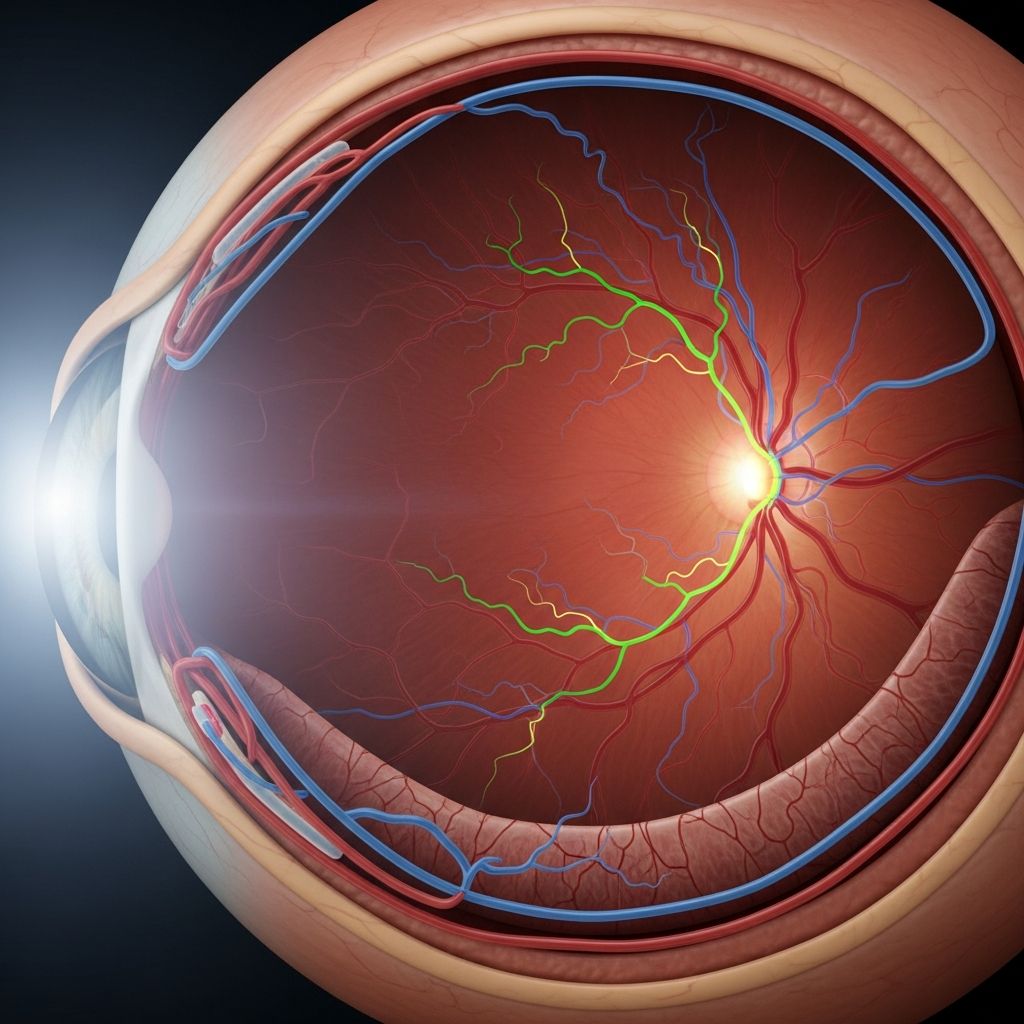
Retinal angiography stands as a cornerstone in modern ophthalmology, offering detailed insights into the intricate network of blood vessels at the back of the eye. This imaging technique employs a fluorescent dye to illuminate and map retinal circulation, enabling eye specialists to pinpoint abnormalities that could otherwise remain hidden. By capturing dynamic images of blood flow, it plays a crucial role in diagnosing and managing a spectrum of retinal conditions, from vascular blockages to degenerative diseases.
The Fundamentals of Retinal Blood Flow Imaging
The retina, a thin layer of light-sensitive tissue lining the eye’s interior, relies on a delicate vascular system to deliver oxygen and nutrients. Disruptions in this system—whether from leakage, blockages, or abnormal growth—can lead to vision loss. Retinal angiography addresses this by using specialized dyes that glow under blue light, making blood vessels stand out vividly against the retinal backdrop. Unlike standard retinal photography, this method reveals not just structure but function, showing how blood moves and where problems occur.
Two primary dyes dominate the field: fluorescein, which targets retinal vessels with its bright yellow-orange fluorescence, and indocyanine green (ICG), which penetrates deeper to visualize the choroid beneath the retina. Fluorescein angiography excels at highlighting surface-level issues like leaks or swelling, while ICG is preferred for choroidal pathologies due to its ability to pass through pigmented layers.
Clinical Applications in Eye Disease Management
This procedure proves invaluable across numerous retinal disorders. In diabetic retinopathy, it identifies neovascularization and microaneurysms that threaten vision. For age-related macular degeneration (AMD), angiography maps leakage from drusen or abnormal vessels in wet AMD, guiding anti-VEGF injections or laser therapy.
- Retinal vascular occlusions: Detects blockages in arteries or veins, assessing ischemia and collateral circulation.
- Inflammatory conditions: Reveals uveitis-related vessel changes or cystoid macular edema.
- Tumors and anomalies: Differentiates benign from malignant growths by their vascular patterns.
- Treatment planning: Pinpoints exact sites for photocoagulation or photodynamic therapy.
Beyond diagnosis, serial angiograms monitor disease progression and treatment efficacy, providing objective data on vascular health.
Step-by-Step Procedure Guide
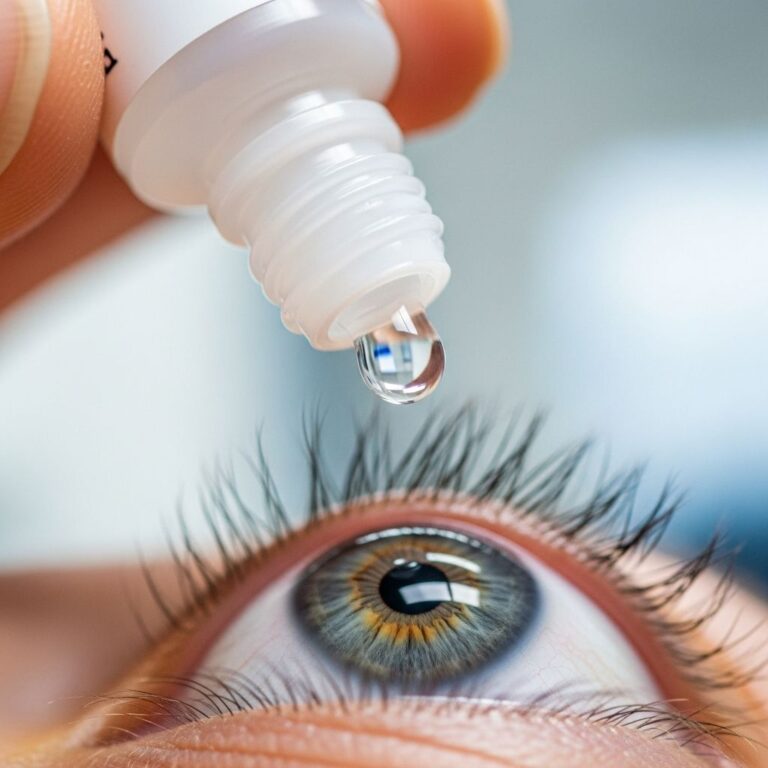
Undergoing retinal angiography is straightforward, typically lasting 10-20 minutes in a clinical setting. Patients begin with pupil-dilating drops, which take 20-30 minutes to fully effect, ensuring optimal retinal exposure.
- Pre-procedure consultation: The ophthalmologist discusses indications, risks, and benefits, securing informed consent.
- Positioning: Patient rests chin and forehead against a specialized camera apparatus for stability.
- Baseline imaging: Initial photos capture the undyed retina for comparison.
- Dye injection: Via an arm vein using a butterfly needle, 5-10 mL of fluorescein (or ICG) is administered rapidly.
- Dynamic imaging: As dye perfuses the retina (within seconds), high-speed photography ensues—early phases show arterial filling, mid-phases venous circulation, and late phases leakage or staining.
- Late-phase captures: Additional images 5-10 minutes post-injection detect pooling or diffusion.
- Completion: Band-aid applied; patient observed for 15-30 minutes.
Advanced systems offer ultra-widefield views, capturing over 200 degrees of the retina for comprehensive assessment.
Preparation Essentials for Patients
Adequate preparation minimizes discomfort and ensures quality results. Key advice includes:
- Arrange transportation, as dilation impairs driving for 4-6 hours.
- Wear sunglasses to counter light sensitivity.
- Fast lightly if prone to nausea, though not always required.
- Disclose allergies (especially to iodine for ICG) or kidney issues, as dyes are renally cleared.
- Avoid caffeine or heavy meals pre-procedure to reduce nausea risk.
Pregnant patients or those with severe allergies may require alternatives like optical coherence tomography angiography (OCTA), a dye-free option.
Potential Side Effects and Safety Profile
Related Stories



While generally safe, side effects stem mainly from the dye. Fluorescein causes temporary yellowing of skin and urine (lasting 24-48 hours), mild nausea in 10-20% of cases, and rare allergic reactions (0.1-1%). ICG risks include iodine-related issues but offers superior choroidal imaging.
| Side Effect | Frequency | Management |
|---|---|---|
| Yellow discoloration | Common (>90%) | Self-resolves in 1-2 days |
| Nausea/vomiting | 10-20% | Anti-emetics if needed |
| Allergic reaction | <1% | Pre-medication for at-risk patients |
| Vein irritation | Rare | Local care |
Serious complications like anaphylaxis or thrombophlebitis occur in <0.01% of procedures. No radiation exposure distinguishes it from traditional angiography.
Post-Procedure Care and Recovery
Recovery is swift; most resume normal activities immediately, though vision remains blurry until pupils constrict. Drink plenty of fluids to expedite dye clearance. Monitor for hives, breathing difficulty, or severe nausea—seek care if present. Follow-up discusses findings, often same-day.
Technological Advances Shaping the Future
While traditional dye-based angiography remains gold-standard, innovations like OCTA provide non-invasive vascular mapping using motion contrast. Widefield and ultra-widefield systems expand visualization, and AI algorithms enhance abnormality detection. These complement rather than replace dye studies, especially for leakage assessment.
Common Questions About Retinal Angiography
What conditions does retinal angiography diagnose?
It excels in evaluating diabetic retinopathy, AMD, vascular occlusions, and inflammatory diseases by revealing leakage, blockages, or neovascularization.
Is the procedure painful?
Minimal discomfort from the IV needle; no eye contact involved.
How long does dye affect appearance?
Skin yellows for 12-24 hours, urine for 24-48 hours.
Can I drive after?
No, due to dilation; bring a companion.
Is it safe for kidney patients?
Use cautiously; consult nephrologist as dyes are excreted renally.
What’s the difference between FA and ICG?
FA for retina, ICG for choroid due to deeper penetration.
Retinal angiography empowers precise, vision-preserving interventions, underscoring its enduring value in eye care.
References
- Angiography – White Eye Associates PA — White Eye Associates. Accessed 2026. https://whiteeye.net/specialties/retina-vitreous-disorders/angiography/
- A Closer Look at Fluorescein Angiography — Retina Associates of Western NY. Accessed 2026. https://retinaassociatesofwny.com/a-closer-look-at-fluorescein-angiography/
- Fluorescein angiography | Health Encyclopedia — Florida Health Finder. Accessed 2026. https://quality.healthfinder.fl.gov/health-encyclopedia/HIE/1/003846
- Retinal angiogram — Sunshine Eye Surgeons. Accessed 2026. https://www.sunshineeyesurgeons.com.au/retinal-angiogram
- Retinal Angiography – YouTube — Doctor Eye Health. Accessed 2026. https://www.youtube.com/watch?v=-4k8wJYThJA
Similar Articles








Read full bio of Sneha Tete