Retinal Detachment: 5 Early Symptoms, Diagnosis And Treatment
Learn to spot the urgent signs of retinal detachment and understand treatments to safeguard your vision from permanent harm.
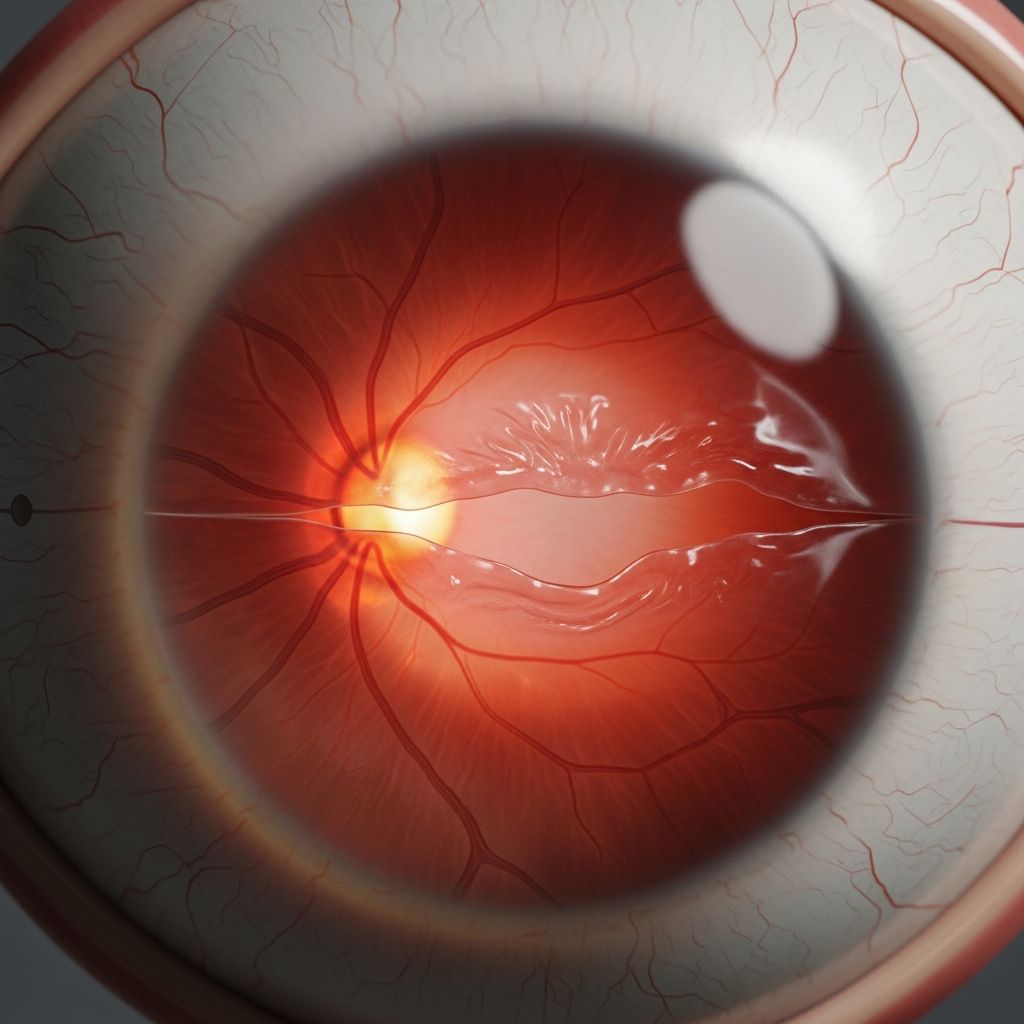
The retina, a vital light-sensitive layer at the eye’s back, can detach from its supportive tissues, disrupting vision signals to the brain. This medical emergency demands swift intervention to avert irreversible blindness.
Understanding the Retina’s Function
The retina converts light into electrical impulses via photoreceptor cells, transmitting them through the optic nerve for image processing. Nourished by blood vessels and the underlying retinal pigment epithelium, any separation starves it of oxygen and nutrients, rapidly impairing function.
Primary Symptoms to Watch For
Recognizing early indicators is crucial for timely care. Common signs include:
- Sudden bursts of
flashes of light
(photopsia), often in peripheral vision, signaling vitreous traction on the retina. - A surge in
floaters
—dark specks, lines, or webs drifting in view—due to vitreous debris or minor bleeding. - A
dark shadow or curtain
advancing across the visual field, typically from periphery inward, as detachment spreads. - Unexpected
blurred or distorted vision
, especially if central areas like the macula are affected. - Progressive
loss of side vision
, narrowing the field as more retina lifts.
These symptoms often arise abruptly and unilaterally, though bilateral cases occur rarely. Small detachments may be asymptomatic initially.
Types of Retinal Separation
Detachments classify into three main categories based on mechanism:
| Type | Description | Common Causes |
|---|---|---|
| Rhegmatogenous | Fluid passes through retinal tears, accumulating beneath and lifting tissue. | Vitreous shrinkage, trauma, high myopia. |
| Tractional | Scar tissue contracts, pulling retina away without tears. | Diabetic retinopathy, inflammation. |
| Exudative | Fluid leaks under retina sans tears or traction. | Tumors, uveitis, vascular issues. |
Rhegmatogenous is most prevalent, particularly in aging populations as the vitreous gel liquefies and tugs.
Risk Factors and Vulnerabilities
Certain profiles heighten susceptibility:
- Age over 50: Vitreous changes peak here.
- High nearsightedness: Elongated eyeballs strain peripheral retina.
- Prior eye surgery or trauma: Lattice degeneration or tears predispose.
- Family history: Genetic stickler syndrome links.
- Diabetes or inflammation: Promote tractional forms.
Posterior vitreous detachment (PVD), common after 60, precedes many cases but resolves harmlessly in most.
Diagnostic Approaches
Eye specialists employ:
- Dilated fundus exam: Ophthalmoscopy reveals tears, detachments, or fluid.
- Ultrasound (B-scan): Visualizes retina through hazy media like cataracts.
- Optical coherence tomography (OCT): High-resolution imaging of retinal layers.
Urgency dictates same-day evaluation if symptoms suggest progression.
Treatment Options Overview
Surgery restores retinal apposition promptly. Methods vary by case severity:
- Laser photocoagulation: Seals tears by thermal burns, preventing fluid ingress. Outpatient, for early tears.
- Cryopexy: Freezes tear edges externally for adhesion.
- Pneumatic retinopexy: Gas bubble injected to press retina; laser/cryo follows. Minimally invasive.
- Scleral buckle: Silicone band indents eye wall, relieving traction. Effective for tears.
- Vitrectomy: Removes vitreous, repairs from inside; ideal for complex cases.
Choice hinges on detachment extent, location, patient factors. Success exceeds 90% with prompt action.
Post-Treatment Recovery Process
Positioning (face-down for bubbles) lasts days to weeks. Vision stabilizes over months; complications like cataracts or reproliferation possible but manageable. Follow-up monitors reattachment.
Related Stories



Preventive Strategies and Monitoring
Annual dilated exams for at-risk individuals catch lattice degeneration or tears early. Protective eyewear curbs trauma. Myopia control in youth reduces lifelong risk.
Potential Complications if Untreated
Proliferative vitreoretinopathy (PVR) scars retina, complicating repair. Macula involvement yields central scotomas; full detachment blinds.
Frequently Asked Questions
Is retinal detachment painful?
No, it’s painless, relying on visual cues for detection.
How quickly must I seek help?
Within hours of symptoms; delays risk permanent loss.
Can it affect both eyes?
Yes, sequentially in 10-15% cases.
What lifestyle changes aid recovery?
Avoid straining, follow positioning, attend checkups.
Does surgery fully restore vision?
Often yes if macula spared; partial recovery otherwise.
Proactive vigilance preserves sight. Consult ophthalmologists promptly on symptom onset.
References
- Detached retina (retinal detachment) – NHS — NHS. 2023. https://www.nhs.uk/conditions/detached-retina-retinal-detachment/
- Detached Retina Symptoms – PromiseCare — PromiseCare. 2024. https://promisecare.com/symptoms/detached-retina-symptoms/
- Understanding Retinal Detachment: Symptoms, Treatment, and Urgency — Palmetto Retina Center. 2023-10-01. https://www.palmettoretina.com/blog/understanding-retinal-detachment-symptoms-treatment-and-urgency
- Retinal Detachment | National Eye Institute – NIH — National Eye Institute (NIH). 2023-05-01. https://www.nei.nih.gov/eye-health-information/eye-conditions-and-diseases/retinal-detachment
- What Are the Early Warning Signs of a Detached Retina? — Gulf Coast Retina Center. 2024. https://www.gulfcoastretinacenter.com/blog/what-are-the-early-warning-signs-of-a-detached-retina.html
- Detached Retina (Retinal Detachment) | University of Michigan Health — University of Michigan Health (.edu). 2024. https://www.uofmhealth.org/our-care/specialties-services/detached-retina-retinal-detachment
- Retinal Detachment: Symptoms & Causes – Cleveland Clinic — Cleveland Clinic. 2024-01-24. https://my.clevelandclinic.org/health/diseases/10705-retinal-detachment
Similar Articles








Read full bio of Sneha Tete