Understanding Retinal Swelling: Causes and Management Approaches
Complete guide to recognizing, diagnosing, and treating retinal swelling conditions
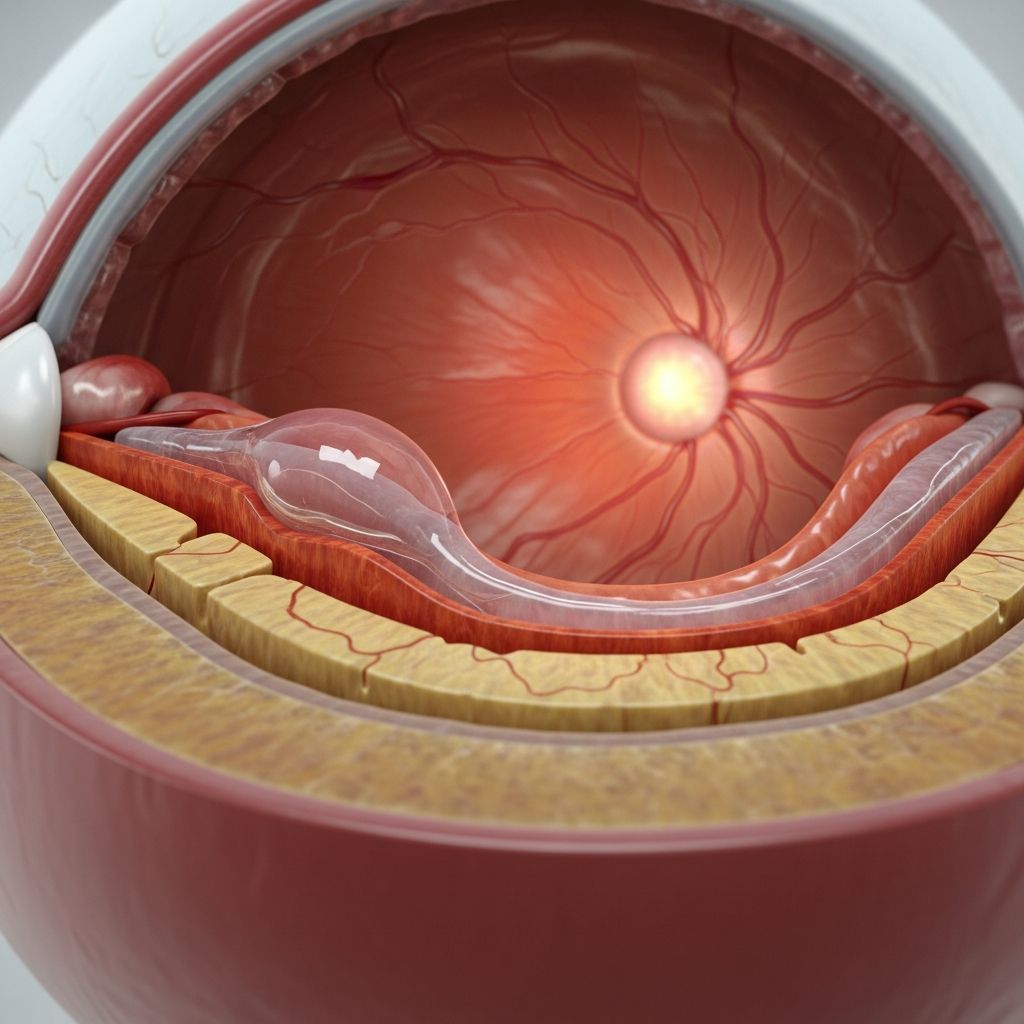
Retinal swelling, commonly referred to as macular edema when it affects the central retina, represents a significant concern for eye health and vision quality. This condition develops when fluid accumulates abnormally within the retinal layers, creating a blister-like swelling that distorts visual perception and can progressively compromise sight. Understanding the mechanisms behind retinal swelling, recognizing its manifestations, and exploring available treatment options empowers patients to seek timely intervention and preserve their visual function.
The Anatomy of Retinal Fluid Accumulation
The retina functions as a specialized tissue lining the back of the eye, responsible for converting light signals into neural impulses that travel to the brain. When blood vessels supplying the retina become compromised, they may leak fluid into the retinal layers. Macular edema occurs when this fluid accumulation specifically affects the macula, the central region of the retina responsible for detailed, sharp vision needed for reading, driving, and facial recognition. The macula’s specialized structure makes it particularly vulnerable to vision disruption when swelling develops. Unlike a simple accumulation of fluid, retinal swelling creates a distortion effect similar to how water droplets on a camera lens blur the image—the thickened, swollen tissue bends and scatters light rays before they reach the photoreceptor cells, resulting in visual distortion rather than simple blurriness.
Primary Causes of Retinal Swelling
Retinal swelling rarely occurs as an isolated condition; rather, it emerges as a secondary manifestation of underlying eye or systemic diseases. Understanding these causative factors is essential for developing targeted treatment approaches.
Metabolic and Vascular Conditions
Diabetes mellitus represents the most common cause of retinal swelling, particularly in developed nations. When blood glucose levels remain elevated over extended periods, the small blood vessels throughout the retina sustain cumulative damage. This vascular injury initiates a cascade of pathological changes: vessel walls weaken, permeability increases, and abnormal new blood vessels may proliferate. The resulting diabetic macular edema (DME) affects an estimated 10-15% of diabetic patients and constitutes a leading cause of vision impairment in working-age adults. Hypertension similarly compromises retinal vascular integrity by increasing pressure within blood vessel walls, promoting fluid leakage into surrounding tissues. High blood pressure-induced vascular changes can occur independently or compound damage from other conditions.
Retinal vein occlusion develops when blood clots or vessel wall thickening obstructs blood drainage from the retina. When venous drainage becomes blocked, normal fluid reabsorption cannot occur, and pressure gradients force fluid to leak into the macula. This mechanical obstruction creates one of the most visually significant causes of retinal swelling, often producing sudden vision loss that prompts urgent ophthalmologic evaluation.
Inflammatory and Immunological Disorders
Uveitis, characterized by immune system-mediated inflammation of intraocular tissues, triggers retinal swelling through direct inflammatory mechanisms. The activated immune cells release inflammatory mediators that increase vascular permeability and promote fluid leakage. This condition can develop from infection, autoimmune disease, or occur idiopathically. The inflammatory process in uveitis differs mechanistically from vascular leakage in diabetes, requiring distinct anti-inflammatory treatment approaches. Wet age-related macular degeneration (AMD) involves abnormal neovascularization—the growth of fragile, immature blood vessels beneath the retina. These pathological vessels lack the normal structural integrity of healthy retinal vasculature, making them prone to leaking fluid and blood, thereby causing retinal thickening and vision loss.
Genetic, Post-Surgical, and Other Contributing Factors
Retinitis pigmentosa (RP), a progressive genetic disorder affecting photoreceptor cells, may include secondary macular edema as the photoreceptor degeneration advances. Post-operative swelling frequently develops after cataract surgery, vitreous procedures, or other intraocular interventions due to surgical trauma-induced inflammation. In most cases, post-surgical swelling resolves spontaneously with appropriate anti-inflammatory treatment, though persistent cases require closer monitoring. Certain medications, particularly some glaucoma therapies, can precipitate retinal swelling as a dose-dependent or idiosyncratic adverse effect. Eye trauma and other causes such as neoplastic conditions represent less common but important etiologies to consider during diagnostic evaluation.
Clinical Presentation and Symptom Recognition
Related Stories



The subjective experience of retinal swelling varies with the extent, thickness, and location of the accumulated fluid. Blurry vision represents the hallmark symptom, often described as progressive deterioration over days to weeks. Patients frequently report that their sight gradually becomes more obscured despite no change in their eyeglasses prescription. Visual distortion, where straight lines appear wavy or bent, occurs because the swollen retinal tissue distorts the optical path of incoming light. Reading becomes increasingly difficult as central vision clarity diminishes. Some patients perceive blank spots or scotomas in their visual field, particularly when swelling concentrates in specific retinal regions. The severity of symptoms correlates imperfectly with objective swelling measurements; some patients with extensive subclinical swelling remain asymptomatic, while others with relatively mild swelling report significant visual dysfunction. This variable presentation underscores why regular eye examinations prove essential for detecting retinal swelling before substantial vision loss occurs.
Diagnostic Evaluation and Assessment Techniques
Ophthalmologic examination combines clinical observation with advanced imaging to characterize retinal swelling. Dilated retinal examination permits direct visualization of any macular thickening or fluid accumulation. However, modern diagnostic confirmation relies on optical coherence tomography (OCT), a non-invasive imaging modality providing cross-sectional retinal visualization with micrometer-level resolution. OCT precisely measures macular thickness, identifies fluid pockets, and monitors treatment response. Fluorescein angiography documents vascular leakage patterns and helps identify the specific vessels contributing to fluid accumulation, guiding treatment decisions. These diagnostic tools not only confirm retinal swelling but also characterize its etiology—diabetic leakage patterns differ from vein occlusion patterns, which differ from inflammatory-mediated leakage—thereby directing targeted therapy selection.
Modern Treatment Strategies
Effective retinal swelling management addresses both the underlying causative condition and the excess fluid accumulation itself. Contemporary treatment approaches employ multiple modalities, often in combination, tailored to the specific etiology and severity.
Pharmacologic Interventions
Intravitreal injections represent the mainstay of contemporary retinal swelling management. This technique involves injecting medication directly into the vitreous cavity, the gel-like space filling the eye’s interior, permitting high local drug concentrations while minimizing systemic side effects. Anti-VEGF medications (vascular endothelial growth factor inhibitors) reduce pathological neovascularization and vascular permeability by blocking growth factors driving abnormal vessel formation. Anti-VEGF agents effectively treat swelling associated with wet AMD, diabetic macular edema, and vein occlusion. Corticosteroid injections suppress inflammatory pathways and reduce vascular permeability, proving particularly effective for inflammation-related swelling from uveitis or post-surgical causes. Steroid therapy carries risks of elevated intraocular pressure and cataract formation, necessitating careful monitoring.
Topical anti-inflammatory eye drops, particularly nonsteroidal anti-inflammatory drugs (NSAIDs), provide supplementary benefit, especially for post-surgical swelling management. These drops address surface inflammation and may help prevent or reduce mild edema when used alone or combined with injections. Oral medications such as carbonic anhydrase inhibitors and other systemic agents offer adjunctive benefits in select cases, though intravitreal therapies typically provide superior outcomes for established retinal swelling.
Laser Therapeutic Approaches
Focal laser photocoagulation delivers thermal energy to damaged blood vessels causing localized leakage, sealing the vessel perforations and preventing continued fluid accumulation. This technique works optimally when leakage concentrates in discrete retinal locations away from the foveal center (the retina’s most light-sensitive point). Laser treatment benefits patients with diabetic macular edema, retinal vein occlusion, and other conditions with identifiable leaking vessels. Panretinal photocoagulation, applying laser burns across broader retinal areas, reduces ischemic-driven neovascularization in advanced diabetic retinopathy, thereby preventing progression to swelling and vision loss.
Surgical Interventions
Vitrectomy, a microsurgical procedure removing the vitreous gel and associated scar tissue, benefits retinal swelling in specific circumstances. By eliminating vitreous traction and removing inflammatory mediators concentrated within the gel, vitrectomy reduces edema in certain post-surgical cases and advanced diabetic disease. Modern vitrectomy techniques utilizing small incisions (23-gauge or 25-gauge instruments) minimize surgical trauma while improving access to intraocular pathology.
Treatment Selection and Individualized Management
| Primary Cause | First-Line Treatment | Alternative Approaches |
|---|---|---|
| Diabetic Macular Edema | Anti-VEGF Injections | Focal Laser, Steroids, Oral Agents |
| Retinal Vein Occlusion | Anti-VEGF or Steroid Injections | Laser Treatment, Observation |
| Uveitis-Related Swelling | Steroid Therapy, Anti-inflammatory Drops | Systemic Immunosuppressants, Vitrectomy |
| Post-Surgical Swelling | NSAIDs, Topical Steroids | Oral Carbonic Anhydrase Inhibitors |
| Wet AMD | Anti-VEGF Injections | Photodynamic Therapy, Laser |
Optimal treatment decisions require comprehensive evaluation of the underlying etiology, swelling severity and location, baseline vision, and patient-specific factors including age, comorbidities, and treatment tolerance. Many patients benefit from combination therapy—for instance, anti-VEGF injections combined with laser treatment or oral medications—providing superior outcomes compared to monotherapy approaches. Treatment frequency varies considerably: some patients require monthly injections initially, then transition to longer intervals as swelling resolves, while others achieve stability on quarterly treatments. Individualized treatment plans, developed collaboratively between ophthalmologists and retina specialists, optimize vision preservation and quality-of-life outcomes.
Prognosis and Long-Term Outcomes
Vision outcomes following retinal swelling treatment depend substantially on treatment timeliness and adherence. Early intervention, before substantial photoreceptor damage occurs, typically yields better visual recovery compared to delayed treatment. Contemporary anti-VEGF and anti-inflammatory therapies demonstrate the capacity to stabilize or reverse swelling in many patients when underlying causes receive appropriate management. However, chronic or inadequately treated retinal swelling risks progressive vision loss through photoreceptor degeneration. Long-term management often requires ongoing monitoring and periodic treatment adjustments as the underlying disease evolves. Patients with diabetic or vascular causes require concurrent systemic disease optimization—blood glucose control in diabetes, blood pressure management in hypertensive patients—to address root pathology and prevent recurrent swelling.
Prevention and Lifestyle Considerations
While established retinal swelling requires professional treatment, reducing swelling development risk emphasizes disease prevention. Maintaining rigorous blood glucose and blood pressure control substantially reduces diabetic and hypertensive retinal complications. Regular comprehensive eye examinations, particularly for patients with diabetes or other risk factors, enable early swelling detection before vision loss occurs. Protecting eyes from trauma, following post-operative instructions carefully after eye surgery, and maintaining medication compliance support long-term retinal health. Patients with family histories of retinal genetic disorders should pursue genetic counseling and proactive ophthalmologic surveillance.
Frequently Asked Questions
How quickly does retinal swelling develop?
Retinal swelling onset varies with causation. Post-surgical swelling may appear within days, while diabetic-related swelling typically develops gradually over weeks to months. Acute retinal vein occlusion can cause rapid swelling with sudden vision loss.
Can retinal swelling resolve without treatment?
Some mild post-surgical swelling resolves spontaneously with anti-inflammatory eye drops. However, swelling from diabetes, vein occlusion, or other chronic conditions rarely resolves without targeted treatment and typically progresses without intervention.
How often do retinal swelling treatments require repetition?
Treatment frequency depends on the underlying cause and individual response. Many patients initially receive monthly injections, then transition to longer intervals (6-8 weeks) as swelling improves. Some achieve stability on quarterly or even less frequent treatments.
Do injections for retinal swelling cause pain?
Intravitreal injections involve minimal discomfort for most patients. The eye receives numbing drops and anesthetic, though patients typically experience mild pressure sensation during injection. Post-injection mild irritation may occur but usually resolves within hours.
Can retinal swelling recur after successful treatment?
Yes, particularly if the underlying disease continues or remains inadequately controlled. Diabetic patients with poor glucose control, or patients with ongoing inflammatory conditions, frequently experience recurrent swelling requiring continued treatment vigilance.
References
- Spotlight on Macular Edema: Causes, Symptoms, and Treatment Options — Retina Consultants Texas. https://www.retinaconsultantstexas.com/blog/spotlight-on-macular-edema-causes-symptoms-and-treatment-options
- Macular Edema — National Eye Institute, National Institutes of Health. https://www.nei.nih.gov/eye-health-information/eye-conditions-and-diseases/macular-edema
- Macular Edema — American Society of Retina Specialists. https://www.asrs.org/patients/retinal-diseases/20/macular-edema
- Treatment and Prognosis of Macular Edema — Retina Nevada. https://retinanevada.com/our-services/macular-edema/
Similar Articles








Read full bio of medha deb