Retinal Tears: 4 Warning Signs And 5 Treatment Options
Discover the warning signs of retinal tears, understand the risks of progression to detachment, and learn about effective treatments to safeguard your vision.
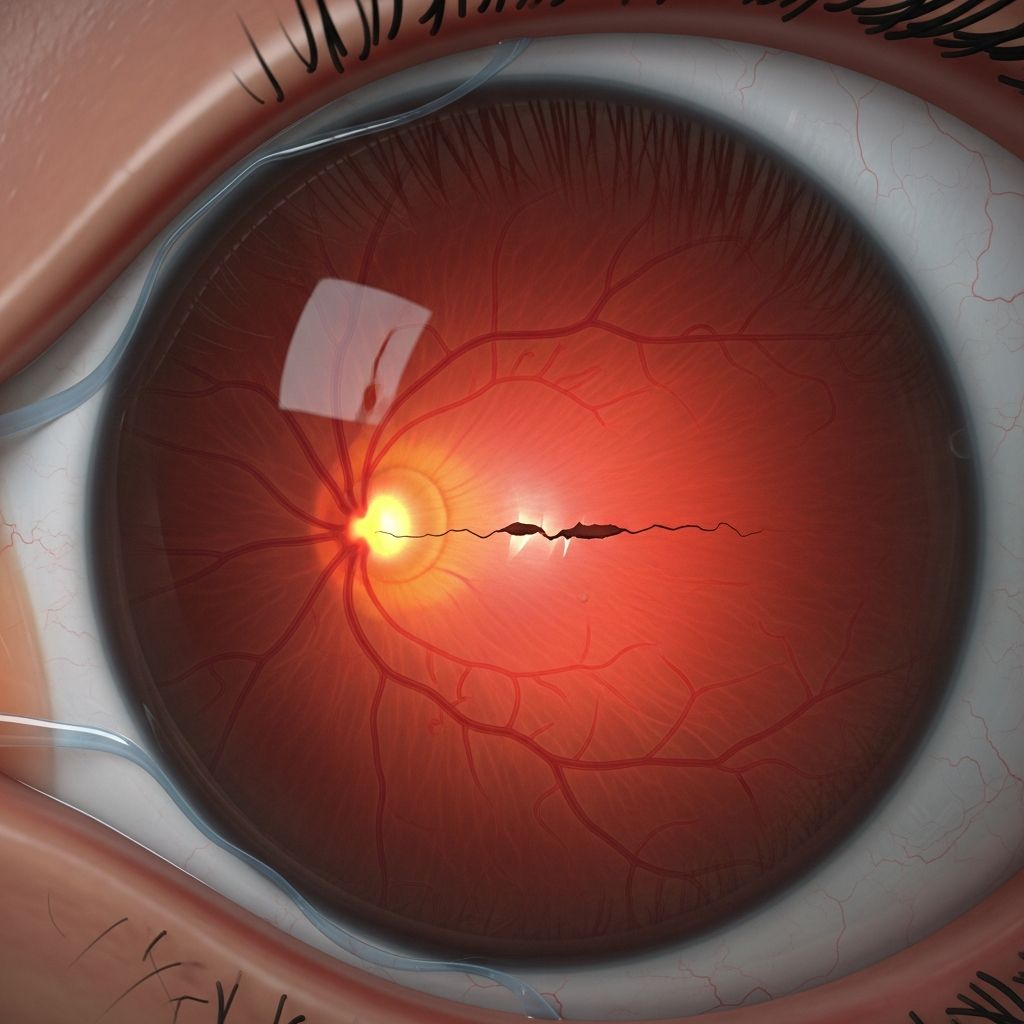
The retina, a thin layer of light-sensitive tissue lining the back of the eye, plays a crucial role in vision by converting light into electrical signals sent to the brain. A retinal tear occurs when this delicate layer develops a rip or hole, often due to mechanical stress from the eye’s internal structures. If fluid seeps through the tear, it can lift the retina away, leading to retinal detachment—a potentially blinding condition. Early detection and intervention are vital, as timely treatment can prevent permanent vision loss.
Understanding the Anatomy Behind Retinal Tears
Inside the eye, the vitreous humor—a gel-like substance—fills the space between the lens and retina. As people age, this vitreous can shrink and pull away from the retina, a process called posterior vitreous detachment (PVD). During PVD, the vitreous may tug forcefully enough to create a tear in the retina. Other factors like eye trauma or high nearsightedness weaken the retina, making tears more likely. Unlike full detachment, a tear alone may not cause pain but serves as a critical warning sign.
Recognizing Critical Warning Signs
Retinal tears often announce themselves through distinct visual disturbances that demand immediate attention. These symptoms typically arise suddenly in one eye and can progress rapidly.
- Sudden increase in floaters: These appear as dark specks, threads, or cobweb-like shapes drifting across your field of view, resembling pepper shaken into your vision. They result from debris in the vitreous casting shadows on the retina.
- Flashes of light (photopsia): Brief bursts of light, like lightning streaks, especially in peripheral vision, occur when the retina is mechanically stimulated.
- Blurred or shadowy vision: A dark curtain or veil may descend over parts of your visual field, signaling fluid accumulation under the retina.
- Peripheral vision loss: Darkening or narrowing at the edges of sight, as if side vision is fading.
Not all tears produce symptoms; small ones might go unnoticed until they worsen. However, any combination of these signs warrants urgent evaluation, as delays can escalate to detachment within hours or days.
Risk Factors That Heighten Vulnerability
Certain conditions and histories elevate the chances of retinal tears. Awareness of these can prompt proactive monitoring.
| Risk Factor | Description |
|---|---|
| Age over 50 | Vitreous shrinkage is common, increasing PVD-related tears. |
| High myopia (nearsightedness) | Elongated eyeballs stretch the retina, making it prone to breaks. |
| Prior eye surgery | Procedures like cataract removal alter vitreous dynamics. |
| Eye trauma or inflammation | Injuries or conditions like uveitis weaken retinal integrity. |
| Family history | Genetic predispositions to lattice degeneration, a retinal thinning. |
| Previous tears or detachments | Recurrence risk is significantly higher. |
Individuals with these factors should undergo regular dilated eye exams to catch issues early.
From Tear to Detachment: The Progression Explained
A retinal tear becomes dangerous when vitreous fluid passes through it, accumulating beneath the retina and causing separation—known as rhegmatogenous retinal detachment (RRD), the most prevalent type. RRD accounts for most cases, where tears allow fluid to dissect between retinal layers. Other detachments include tractional (scar tissue pulling) and exudative (fluid leakage without tears), but tears primarily lead to RRD. Without repair, detached retina loses blood supply, leading to cell death and irreversible blindness. Symptoms intensify as the detachment spreads centrally toward the macula, the sharp-vision center.
Related Stories



Diagnostic Approaches for Accurate Assessment
Ophthalmologists diagnose tears via comprehensive exams. Key methods include:
- Dilated fundus exam: Drops widen pupils for binocular indirect ophthalmoscopy, revealing tears or detachments.
- Optical coherence tomography (OCT): High-resolution imaging cross-sections the retina to detect subtle elevations or holes.
- Ultrasound (B-scan): Used if media opacity like hemorrhage obscures views, bouncing sound waves to map retinal position.
These non-invasive tests confirm the extent and type, guiding treatment urgency.
Treatment Strategies: Sealing Tears Before Detachment
Treatment hinges on whether detachment has occurred. Isolated tears are often repaired outpatient to prevent progression.
Laser Photocoagulation
A laser creates precise burns around the tear, forming scar tissue that adheres the retina to the underlying layer. Performed in-office, it’s quick, painless post-anesthesia, with high success rates.
Cryotherapy
Freezing probe applied externally induces scarring to seal the tear. Effective for peripheral lesions.
Surgical Interventions for Advanced Cases
If detachment ensues, surgery is imperative:
- Pneumatic retinopexy: Gas bubble injected into the eye pushes retina back; laser/cryo seals tear. Outpatient, minimal invasion.
- Scleral buckling: Silicone band encircles the eye, countering vitreous traction. Ideal for younger patients.
- Pars plana vitrectomy: Removes vitreous gel, repairs tear, and adds tamponade (gas/oil) to reposition retina. Common for complex cases.
Success rates exceed 90% with prompt intervention, though multiple procedures may be needed. Post-op, patients position face-down and avoid air travel until gas absorbs.
Post-Treatment Care and Recovery Expectations
Recovery varies: laser patients resume normalcy quickly, while surgical ones face weeks of restrictions—no heavy lifting, straining, or high altitudes. Vision stabilizes over months as retina heals. Regular follow-ups monitor for reproliferation or new tears. Complications like cataract formation or glaucoma are possible but manageable.
Prevention: Safeguarding Your Retinal Health
While not all tears are avoidable, strategies reduce risk:
- Annual dilated exams, especially if high-risk.
- Protect eyes from trauma with safety gear.
- Manage systemic conditions like diabetes controlling vascular health.
- Report new floaters/flashes immediately—early sealing prevents 90% of detachments.
Frequently Asked Questions (FAQs)
Is a retinal tear an emergency?
Yes, seek care within hours; untreated tears lead to detachment rapidly.
Can retinal tears heal on their own?
No, they require intervention to seal; spontaneous closure is rare.
What does a retinal tear feel like?
Painless, but visual symptoms like floaters and flashes are prominent.
How long after a tear can detachment occur?
Hours to weeks; monitor closely post-PVD.
Will I need surgery for every tear?
No, many are laser-treated; surgery for detachments.
Maintaining vigilance for symptoms and routine eye care empowers proactive defense against this sight-threatening issue. Consult a retina specialist promptly at onset of signs.
References
- Retinal Tears – Patients — The American Society of Retina Specialists. Accessed 2026. https://www.asrs.org/patients/retinal-diseases/26/retinal-tears
- Symptoms of Retinal Tears: Key Warning Signs and Risk Factors — KC Retina. Accessed 2026. https://www.kcretina.com/blog/symptoms-of-retinal-tears-key-warning-signs-and-risk-factors
- Detached & Torn Retina Symptoms & Treatment — Aurora Health Care. Accessed 2026. https://www.aurorahealthcare.org/services/eye-care/detached-torn-retina
- How Can I Tell if I Have a Torn or Detached Retina? — Retina Consultants of Nevada. Accessed 2026. https://retinanevada.com/how-can-i-tell-if-i-have-a-torn-or-detached-retina/
- Retinal Detachment — National Eye Institute (NIH). Accessed 2026. https://www.nei.nih.gov/eye-health-information/eye-conditions-and-diseases/retinal-detachment
- Retinal Tears and Detachments — ColumbiaDoctors. Accessed 2026. https://www.columbiadoctors.org/specialties/ophthalmology/our-services/retinal-disorders/conditions-we-treat/retinal-tears-and-detachments
- Retinal Tear: Symptoms, Causes & Treatment — Cleveland Clinic. Accessed 2026. https://my.clevelandclinic.org/health/diseases/25107-retinal-tear
Similar Articles








Read full bio of medha deb