Retinal Vein Occlusion: 3 Types And 5 Treatment Options
Comprehensive insights into retinal vein occlusion: from risk factors and symptoms to advanced treatments and prevention strategies for preserving vision.
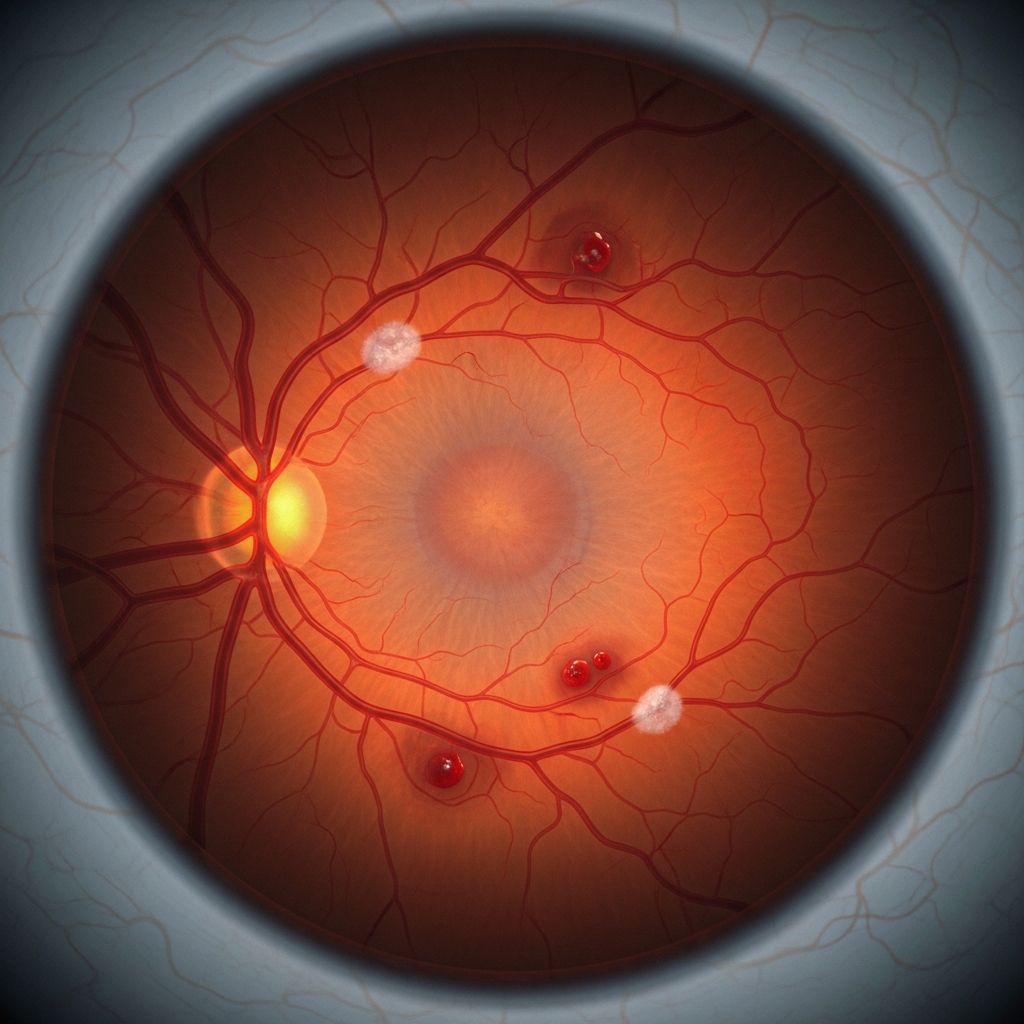
Retinal vein occlusion (RVO) represents a critical vascular disorder affecting the retina, the vital tissue responsible for vision at the back of the eye. This condition arises when a retinal vein becomes blocked, disrupting blood flow and potentially leading to significant vision impairment. As one of the primary causes of retinal vision loss in adults over 50, understanding RVO is essential for timely intervention and management.
Understanding the Types of Retinal Vein Occlusion
RVO manifests in distinct forms, each with unique implications for vision. Central retinal vein occlusion (CRVO) involves blockage of the main vein draining the entire retina, often resulting in widespread retinal hemorrhages across all quadrants. Branch retinal vein occlusion (BRVO), conversely, affects a smaller vein branch, confining damage to a specific retinal sector. Hemiretinal vein occlusion (HRVO) strikes a middle ground, impacting either the upper or lower retinal hemisphere.
These classifications guide diagnosis and treatment, as CRVO tends to pose greater risks of severe complications compared to BRVO.
Risk Factors and Underlying Causes
The precise etiology of RVO remains elusive, but it typically stems from a blood clot or diminished flow within the retinal vein. Atherosclerosis, characterized by arterial hardening and narrowing, compresses adjacent veins, exacerbating blockage. Systemic conditions amplify susceptibility:
- Hypertension: Chronically elevates vascular pressure, damaging vessel walls.
- Diabetes: Accelerates retinopathy and vascular fragility.
- High cholesterol: Promotes plaque accumulation in retinal arteries.
- Glaucoma: Raises intraocular pressure, straining retinal circulation.
- Smoking: Induces endothelial dysfunction and clot formation.
Additional hypercoagulable states, such as thrombophilias, may contribute, though their direct link requires further substantiation. Most cases affect one eye, underscoring the importance of holistic cardiovascular health assessment.
Recognizing the Symptoms
Symptoms of RVO emerge suddenly and painlessly, prompting urgent evaluation. Common presentations include:
- Blurred or distorted central vision due to macular involvement.
- Sudden, unilateral vision loss ranging from partial to profound.
- Floaters or dark spots from intraretinal hemorrhages.
- Relative visual field defects in BRVO cases.
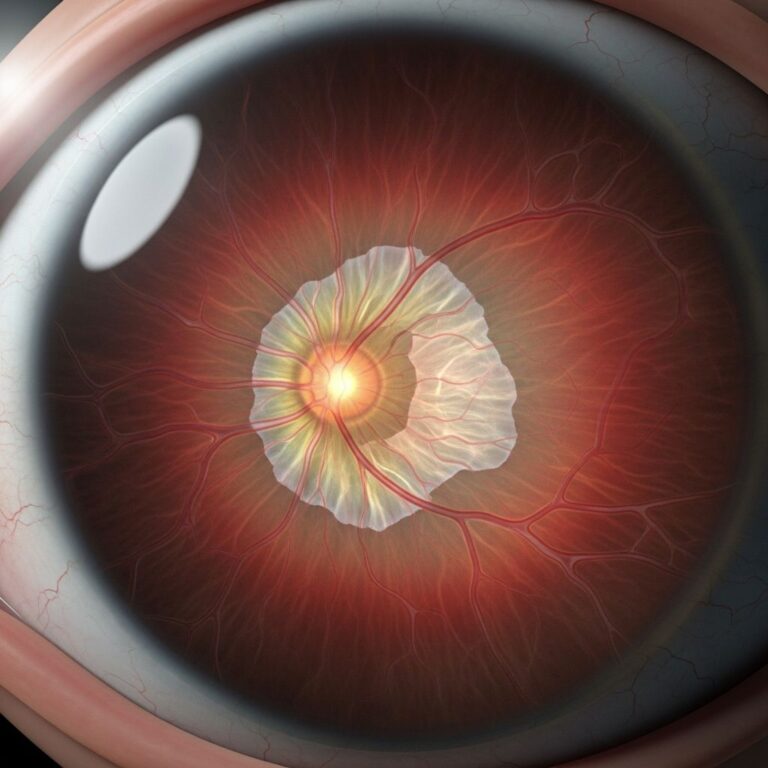
Fundoscopic examination reveals hallmark signs: dilated tortuous veins, blot and flame-shaped hemorrhages, cotton-wool spots, optic disc edema, and macular edema. In CRVO, hemorrhages span all retinal quadrants; BRVO localizes to the affected branch drainage area.
Pathophysiological Mechanisms
Blockage triggers venous congestion, elevating intraluminal pressure and causing capillary leakage, hemorrhages, and retinal edema. Macular edema, the predominant vision thief, results from fluid accumulation in the central retina. Ischemia ensues as oxygen-deprived retinal cells release vascular endothelial growth factor (VEGF), fostering neovascularization—fragile vessels prone to leakage and hemorrhage.
Ischemic RVO, marked by extensive capillary non-perfusion, heightens neovascular glaucoma risk, with abnormal iris or retinal vessel growth in about 30% of severe CRVO cases. Non-ischemic forms may progress to ischemic, necessitating vigilant monitoring.
Diagnostic Approaches
Diagnosis hinges on comprehensive ophthalmologic assessment. Key tools include:
| Method | Purpose |
|---|---|
| Fundus Photography | Documents hemorrhages, edema, and vascular changes. |
| Optical Coherence Tomography (OCT) | Quantifies macular thickness and edema. |
| Fluorescein Angiography | Assesses perfusion, ischemia extent, and neovascularization. |
| Tonometry | Monitors intraocular pressure for glaucoma risk. |
Related Stories



Systemic workup evaluates cardiovascular risks via blood pressure, lipid profiles, and glucose levels.
Current Treatment Strategies
Treatment targets edema resolution, neovascularization prevention, and underlying risk mitigation. No cure restores pre-occlusion vision universally, but interventions stabilize or enhance acuity.
Anti-VEGF Injections
Intravitreal anti-VEGF agents—bevacizumab (Avastin), ranibizumab (Lucentis), aflibercept (Eylea)—counter VEGF-driven edema and angiogenesis. Administered monthly initially, then as needed, they yield significant visual gains, particularly in BRVO. Randomized trials affirm their efficacy in reducing central retinal thickness.
Corticosteroid Therapy
Intraocular steroids like triamcinolone or dexamethasone implant (Ozurdex) curb inflammation and leakage, offering months-long effects. Risks include elevated intraocular pressure and cataract acceleration.
Laser Photocoagulation
Focal laser seals leaking vessels in macular edema; panretinal photocoagulation ablates ischemic retina to regress neovascularization. Laser provides durable outcomes in select cases.
Surgical Options
Vitrectomy clears vitreous hemorrhage in advanced cases. Experimental procedures like radial optic neurotomy or vein cannulation aim to restore flow but lack robust evidence.
Systemic Management
Aggressive control of hypertension, diabetes, and hyperlipidemia prevents progression and contralateral involvement.
Prognosis and Potential Complications
Prognosis varies: mild non-ischemic cases may spontaneously improve (10-20% severe recovery), but macular ischemia portends permanence. Complications encompass neovascular glaucoma, vitreous hemorrhage, and tractional retinal detachment. Regular monitoring detects progression early.
Lifestyle Modifications for Prevention
Proactive steps mitigate RVO risk:
- Maintain blood pressure below 120/80 mmHg.
- Achieve glycemic control (HbA1c <7%).
- Adopt a heart-healthy diet low in saturated fats.
- Exercise 150 minutes weekly.
- Quit smoking to preserve vascular integrity.
- Undergo annual dilated eye exams, especially post-50.
Recent Advances and Future Directions
Ongoing trials refine anti-VEGF regimens and explore sustained-release implants to lessen injection frequency. Gene therapies targeting VEGF pathways and novel anti-inflammatory agents hold promise. Personalized medicine, leveraging genetic profiling, may optimize outcomes.
Frequently Asked Questions (FAQs)
What is the most common cause of vision loss in RVO?
Macular edema, where fluid accumulates in the retina’s central area, blurs vision.
How often are anti-VEGF injections needed?
Typically monthly for loading, then every 4-12 weeks based on response.
Can RVO affect both eyes?
Primarily unilateral, but 10-15% develop bilateral involvement over time.
Is laser treatment permanent?
It offers lasting effects for neovascularization control but may require adjunct therapies.
Does RVO always cause permanent blindness?
No; early treatment preserves vision in many, though severe ischemia may limit recovery.
References
- Central Retinal Vein Occlusion – Patients — American Society of Retina Specialists. 2023. https://www.asrs.org/patients/retinal-diseases/22/central-retinal-vein-occlusion
- Understanding Retinal Vein Occlusion: Causes, Symptoms — Retina Associates of Western New York. 2024. https://retinaassociatesofwny.com/retinal-vein-occlusion/
- Retinal vein occlusion: pathophysiology and treatment options — National Center for Biotechnology Information (PMC). 2010-07-14. https://pmc.ncbi.nlm.nih.gov/articles/PMC2915868/
- Retinal Vein Occlusion Causes, Symptoms, and Treatments — UPMC. 2024. https://www.upmc.com/services/eye/conditions/retinal-vein-occlusion
- Treatments for Central Retinal Vein Occlusion (CRVO) — Hull University Teaching Hospitals NHS Trust. 2023. https://www.hey.nhs.uk/patient-leaflet/treatment-central-retinal-vein-occlusion-crvo/
- Understanding Retinal Vein Occlusion and Treatment — Colorado Retina & Macula Institute. 2024. https://www.crmd.net/understanding-retinal-vein-occlusion-causes-symptoms-and-treatment-options/
Similar Articles








Read full bio of medha deb