Retinoblastoma: Eye Cancer in Young Children
Understand this rare retinal tumor affecting infants: key signs, genetic factors, diagnosis methods, and life-saving treatments for optimal outcomes.
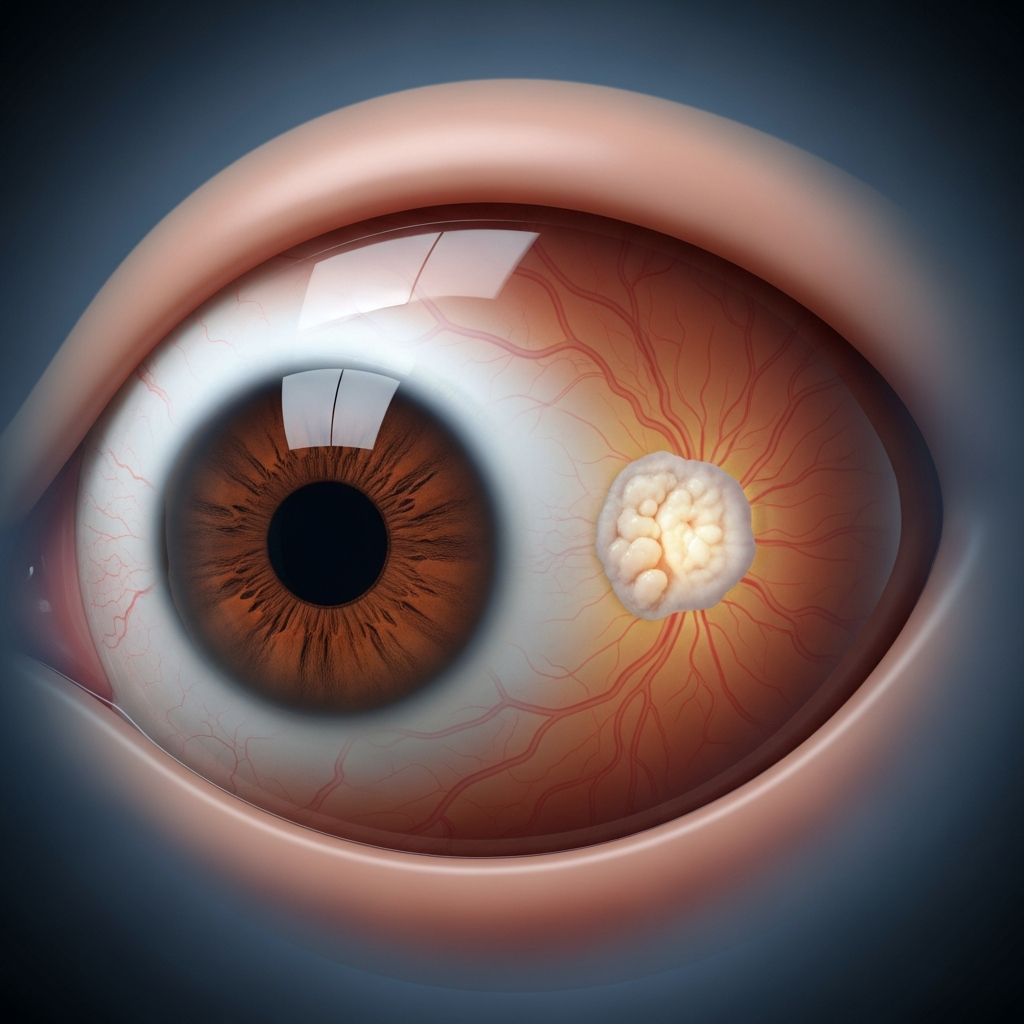
Retinoblastoma represents a serious yet highly treatable form of eye cancer primarily affecting infants and toddlers, originating in the retina’s immature cells. This condition demands prompt recognition because early intervention can safeguard both vision and life, with survival rates exceeding 95% in developed regions when detected timely.
The Retina and Origins of Retinoblastoma
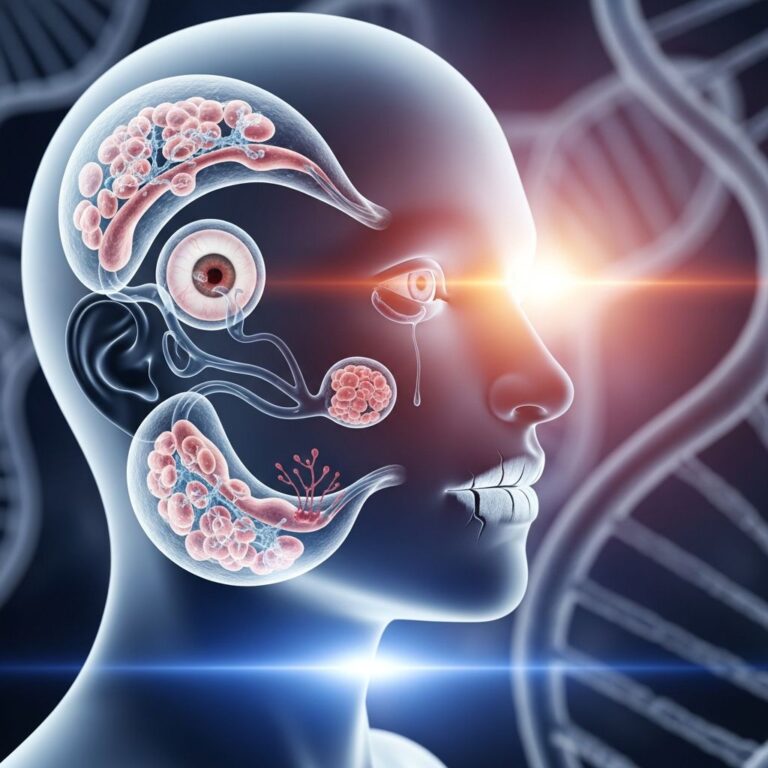
The retina, a thin layer of light-sensitive tissue lining the eye’s back, converts incoming light into neural signals for brain interpretation, enabling vision. In retinoblastoma, mutations disrupt retinal precursor cells called retinoblasts, causing uncontrolled proliferation into tumors. These growths can manifest unilaterally in one eye or bilaterally, with bilateral cases often signaling a hereditary component.
Most diagnoses occur before age 5, peaking around 18 months, impacting boys and girls equally. While rare—striking about 1 in 15,000 to 20,000 children annually—awareness of its mechanisms empowers parents and caregivers.
Recognizing Critical Early Indicators
Subtle changes in a child’s eye can signal retinoblastoma’s presence. The hallmark sign,
leukocoria
—a white pupillary reflex—appears when light, such as a camera flash, reflects off the tumor instead of the retina’s blood vessels, yielding a white glow rather than the typical red. Parents frequently spot this first in photographs, especially in low light.- Strabismus: Misaligned eyes, where one drifts inward or outward, occurs as the tumor disrupts normal vision and eye coordination.
- Eye irritation: Persistent redness, swelling, or pain from tumor-induced pressure or inflammation.
- Vision deficits: Infants may bump into objects, hold toys too close, or show poor fixation on moving stimuli.
- Other changes: Iris color variation (heterochromia), excessive tearing, or an enlarged eye in advanced cases.
Advanced progression might involve glaucoma symptoms like severe pain or vomiting if pressure builds. If the tumor spreads beyond the eye—to bones, brain, or lymph nodes—systemic signs emerge, such as weight loss or facial lumps.
Genetic Foundations and Risk Assessment
Retinoblastoma stems from RB1 gene mutations on chromosome 13, which normally suppress tumor growth. In hereditary cases (40% of instances), a germline mutation predisposes both eyes, often with multiple tumors; sporadic forms involve somatic mutations in one eye.
Families with history warrant genetic screening. Carriers face elevated risks for secondary cancers later in life, like osteosarcoma. Prenatal testing or newborn exams aid high-risk monitoring.
| Type | Characteristics | Frequency | Implications |
|---|---|---|---|
| Hereditary | Bilateral, multifocal, earlier onset | 40% | Genetic counseling essential |
| Sporadic | Unilateral, single tumor | 60% | Lower recurrence risk |
Diagnostic Approaches for Confirmation
Suspected cases require urgent evaluation by pediatric ophthalmologists. Initial exams under dilation reveal retinal masses via indirect ophthalmoscopy. The white reflex or absent red reflex guides further steps.
Related Stories



- Imaging: Ultrasound detects calcified tumors; MRI/CT assesses extraocular spread without radiation preference.
- Biopsy avoidance: Risk of seeding mandates non-invasive confirmation.
- Genetic analysis: RB1 sequencing confirms hereditary status, informing family screening.
Staging via international systems classifies tumor size, location, and spread, directing therapy.
Comprehensive Treatment Strategies
Treatment prioritizes eye preservation, vision maintenance, and metastasis prevention. Options escalate by stage:
- Focal therapies: Laser photocoagulation or cryotherapy ablates small posterior tumors.
- Intra-arterial chemotherapy (IAC): Delivers drugs directly to the eye, revolutionizing bilateral salvage.
- Systemic chemotherapy: Shrinks larger tumors, often with cryotherapy.
- Enucleation: Surgical eye removal for advanced unilateral disease, with orbital implants for cosmesis.
- Radiation alternatives: Plaque brachytherapy for medium tumors avoids external beam risks.
Multidisciplinary teams at specialized centers optimize outcomes. Post-treatment, vigilant surveillance detects recurrences or secondary malignancies.
Prognosis and Long-Term Management
With early detection, survival nears 99% in high-resource settings; delays reduce it to 50% elsewhere. Vision retention varies: 90% in low-risk eyes, lower in complex cases.
Survivors need lifelong monitoring for secondary cancers (20-30% risk in hereditary forms), cardiac effects from anthracyclines, and psychological support. Annual exams, MRI scans, and genetic counseling form standard follow-up.
Prevention Through Vigilance and Screening
No preventive measures exist for sporadic cases, but high-risk families benefit from enhanced newborn exams and genetic testing. Public education on leukocoria via flash photos proves invaluable.
- Review baby photos routinely for asymmetry.
- Seek immediate care for eye deviations or white pupils.
- High-risk infants: dilated exams every 1-4 months until age 7.
Frequently Asked Questions (FAQs)
What causes the white pupil in retinoblastoma?
The tumor blocks normal retinal blood vessels, reflecting white light instead of red.
Can retinoblastoma be detected prenatally?
Genetic testing identifies RB1 mutations in at-risk pregnancies.
Is treatment always successful?
Yes, in 95%+ cases with prompt care; vision preservation depends on tumor specifics.
Does family history increase risk?
Hereditary cases (40%) necessitate screening for relatives.
What follows enucleation?
Ocular prosthesis fitting after healing provides natural appearance.
Support Resources for Families
Organizations like the American Association for Pediatric Ophthalmology offer guidance. Join survivor networks for emotional support during treatment.
References
- Retinoblastoma | Children’s Eye Cancer – Lurie Children’s — Lurie Children’s Hospital. 2023. https://www.luriechildrens.org/en/specialties-conditions/retinoblastoma/
- Retinoblastoma | National Eye Institute – NIH — National Eye Institute (NIH). 2024-02-15. https://www.nei.nih.gov/eye-health-information/eye-conditions-and-diseases/retinoblastoma
- Signs and Symptoms of Retinoblastoma | American Cancer Society — American Cancer Society. 2024. https://www.cancer.org/cancer/types/retinoblastoma/detection-diagnosis-staging/signs-and-symptoms.html
- Retinoblastoma: Symptoms & Treatment – Cleveland Clinic — Cleveland Clinic. 2023-11-01. https://my.clevelandclinic.org/health/diseases/retinoblastoma
- Retinoblastoma – Symptoms and causes – Mayo Clinic — Mayo Clinic. 2024-01-20. https://www.mayoclinic.org/diseases-conditions/retinoblastoma/symptoms-causes/syc-20351008
Similar Articles








Read full bio of medha deb