Retinol: Benefits, Uses, and How to Use It Safely
Complete guide to retinol: understanding benefits, proper usage, side effects, and anti-aging results.
What Is Retinol?
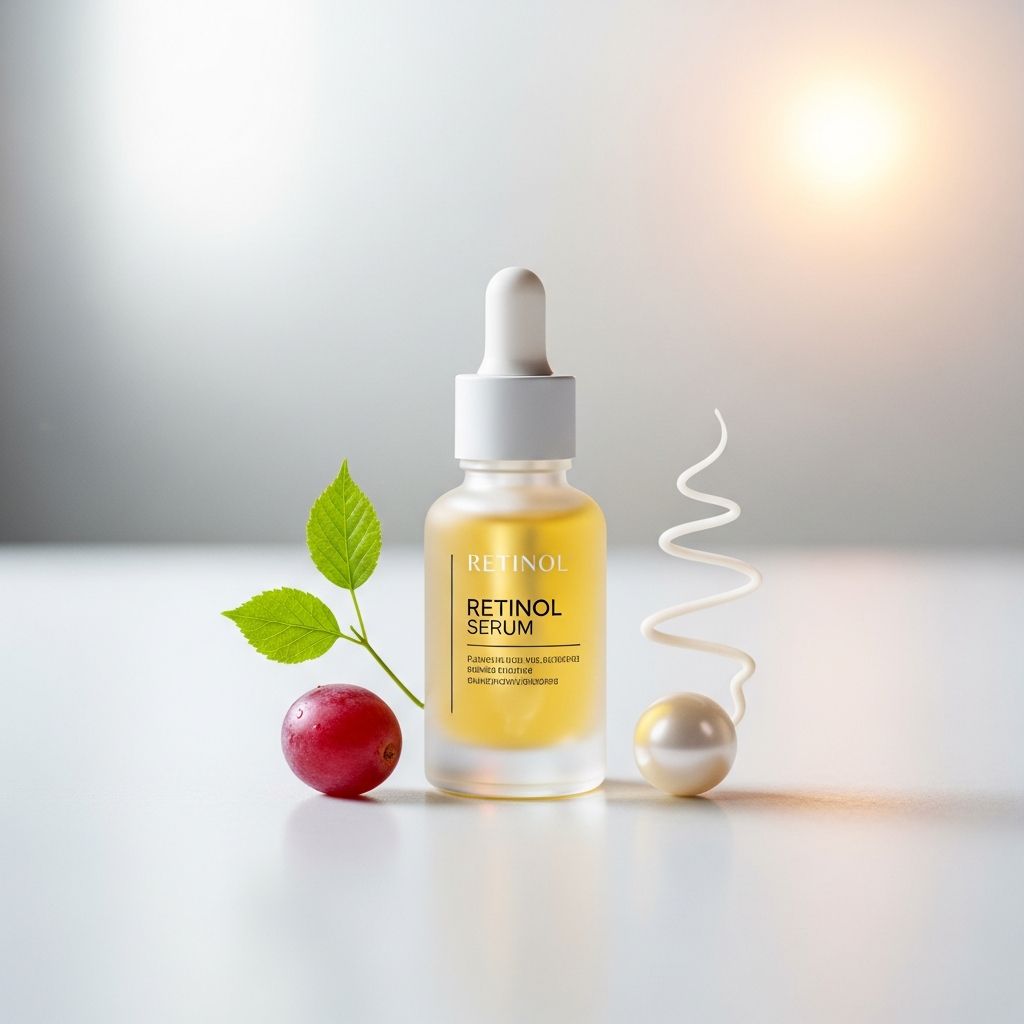
Retinol is a form of vitamin A that has become one of the most scientifically proven and effective ingredients in skincare. It belongs to a class of compounds called retinoids, which are vitamin A derivatives that work to improve skin health at the cellular level. Retinol is available over-the-counter in various concentrations and formulations, making it accessible for most people seeking to address multiple skin concerns. Unlike prescription-strength retinoids like tretinoin, retinol requires your skin to convert it into retinoic acid, the active form that cells can directly utilize. While this conversion process makes retinol gentler than prescription alternatives, it also means results take longer to appear.
How Retinol Works on Your Skin
Retinol functions through several interconnected mechanisms that make it beneficial for various skin conditions. The primary way retinol improves skin is by accelerating cell turnover. When applied to your skin, retinol speeds up the shedding of old, dead skin cells and encourages the production of newer, healthier cells. This increased turnover rate reveals fresher, more vibrant skin beneath the surface while preventing dead skin cell accumulation that can clog pores.
Beyond surface-level benefits, retinol works beneath the skin by stimulating collagen and elastin production. These proteins are essential for maintaining skin’s structure, firmness, and elasticity. By encouraging the production of these vital proteins, retinol helps restore skin’s resilience and can reduce the appearance of fine lines and wrinkles. Additionally, retinol acts as an antioxidant, protecting your skin from free radical damage and environmental stressors that contribute to premature aging.
Key Benefits of Retinol Treatment
Retinol offers comprehensive skincare benefits that address multiple concerns simultaneously:
Acne Treatment and Prevention
Retinol is particularly valuable for acne management. The American Academy of Dermatology recognizes retinoids as core topical therapy for acne because they target the precursor microcomedone lesion and provide anti-inflammatory benefits. By unclogging blocked pores and unearthing blackheads and whiteheads, retinol prevents new breakouts from forming. Clinical studies demonstrate that retinol-containing products can reduce total acne lesions by 57% within four weeks and up to 80% by eight weeks of consistent use. The ingredient also reduces inflammation in existing pimples, helping them heal faster and preventing post-acne scarring.
Anti-Aging and Wrinkle Reduction
One of retinol’s most celebrated benefits is its ability to minimize wrinkles and fine lines. By slowing the breakdown of collagen and stimulating new collagen production, retinol helps maintain skin firmness and elasticity. This makes it especially effective for addressing crepey skin and other signs of aging. Retinol restores skin’s elasticity by thickening collagen, which provides skin structure, and elastin, which gives skin its stretch and resilience.
Improved Skin Texture and Tone
Retinol’s exfoliating properties help clear away damaged and discolored skin cells, revealing smoother, more even-toned skin underneath. The ingredient can help minimize dark spots, improve overall skin texture, and create a more radiant appearance. These improvements typically become noticeable after three to six months of consistent use.
Long-Term Skin Maintenance
Beyond treating existing skin concerns, retinol serves as maintenance therapy to prevent future breakouts and premature aging. Regular use helps maintain the improvements achieved and continues to protect skin from environmental damage and aging signs.
Understanding the Retinization Process
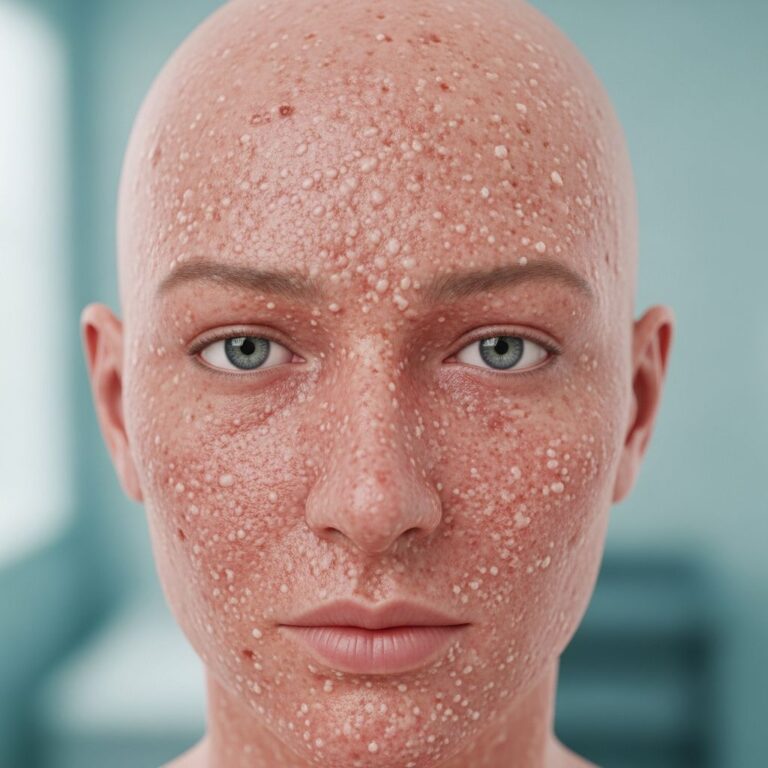
When first using retinol, many people experience a phenomenon called the “retinol purge” or “retinization period.” During this adjustment phase, your skin may temporarily appear worse before improving. You might notice increased redness, dryness, peeling, and potentially more visible blemishes for 4-6 weeks. This occurs because retinol accelerates the turnover of existing clogs and damaged skin cells beneath the surface, bringing them to the skin’s surface for shedding.
Related Stories



This temporary worsening is a normal part of the skin’s adaptation process and indicates that the retinol is working effectively. Dermatologists recommend continuing your retinol routine through this phase, as the skin typically becomes clearer and healthier by the 3-6 month mark with consistent nightly use. The key is patience and persistence rather than abandoning the treatment prematurely.
How to Use Retinol Safely and Effectively
Proper application is essential for maximizing retinol’s benefits while minimizing irritation. Dermatologists recommend following a gradual introduction approach:
Starting Your Retinol Routine
Begin with a low concentration: Start with the lowest available concentration (typically 0.25-0.3%) to allow your skin to build tolerance gradually.
Frequency progression: Apply retinol once weekly for two weeks, then gradually increase to twice weekly, and eventually work toward every other night or nightly application as your skin tolerates it.
Application timing: Always apply retinol at night on clean, completely dry skin. After cleansing with a gentle cleanser, wait until your face is fully dry before applying the product. This prevents irritation and allows better absorption.
Application amount: Use only a pea-sized amount of retinol for your entire face. A little goes a long way, and using too much increases the risk of irritation without providing additional benefits.
Moisturizing and Sun Protection
After applying retinol, follow with a gentle, hydrating moisturizer to support your skin barrier and minimize dryness. For those with particularly sensitive skin, applying a thin layer of moisturizer to your face before retinol can provide a protective barrier while still allowing the retinol to work effectively.
During the day, always wear broad-spectrum sunscreen with at least SPF 30. Retinol increases your skin’s sensitivity to sun damage, and UV exposure can worsen acne, cause inflammation, and negate the anti-aging benefits you’re working to achieve.
Common Side Effects and Management
The most common side effects of retinol occur during the initial adjustment period:
Typical Side Effects
Skin redness, dryness, peeling, and a burning or stinging sensation are normal during the first few weeks as your skin adjusts to increased cell turnover. These effects typically subside as your skin adapts to the treatment. Additional side effects may include temporary increased sensitivity and potential breakouts during the retinization phase.
Minimizing Irritation
To reduce irritation, start with every-other-day application initially, ensure your skin is completely dry before applying retinol, and always follow with a gentle moisturizer. If irritation persists beyond a few weeks or becomes severe, reduce the frequency of application or consult a dermatologist about adjusting your approach. Some people benefit from using a lower concentration initially or applying retinol only two to three times weekly.
When to Seek Professional Help
If you experience severe irritation, persistent redness, or signs of an allergic reaction, discontinue use and consult a dermatologist. Additionally, certain medications and skin conditions may interact with retinol, making professional guidance important for some individuals.
Retinol vs. Prescription Retinoids
Understanding the differences between over-the-counter retinol and prescription retinoids helps you choose the right treatment for your needs.
| Factor | Over-the-Counter Retinol | Prescription Retinoids (Tretinoin) |
|---|---|---|
| Potency | Moderate; requires skin conversion to retinoic acid | Up to 20 times more potent; already in active form |
| Speed of Results | 3-6 months for noticeable improvement | Faster results, often visible within 4-8 weeks |
| Irritation Level | Generally mild to moderate, well-tolerated | Potentially more irritating; requires careful monitoring |
| Cost | Affordable; widely available without prescription | More expensive; may not be covered by insurance |
| Best For | Mild to moderate acne and anti-aging concerns | Severe or stubborn acne requiring faster results |
The American Academy of Dermatology recommends starting with over-the-counter retinol as the lowest-strength option for most people. Prescription retinoids should be considered only if over-the-counter retinol proves ineffective or if more severe acne requires faster, more dramatic results. Prescription-strength retinoids aren’t necessary for most people and may not be covered by insurance, making over-the-counter retinol a practical starting point for most skincare concerns.
Special Considerations and Precautions
While retinol is generally safe for most people, certain precautions should be observed. Retinol can make skin more sensitive to sun exposure, making daily sunscreen use non-negotiable. Pregnant women should consult their healthcare provider before using retinol, as high doses of vitamin A can potentially affect fetal development. Additionally, individuals taking certain medications should discuss retinol use with their dermatologist or primary care physician.
In rare cases, retinoids and related products have been associated with idiopathic intracranial hypertension, a neurological condition. Symptoms include headaches, pulsatile tinnitus, or vision changes. If you experience these symptoms, immediately discontinue use and seek medical evaluation from an eye specialist.
Frequently Asked Questions
Q: How long does it take to see results from retinol?
A: Most people begin seeing improvements in acne within 4-8 weeks, though complete clearing can take 3-6 months of consistent use. Anti-aging benefits similarly require 3-6 months of regular application to become noticeable. Patience and consistency are essential, as the retinization period can make skin appear worse initially.
Q: Can I use retinol if I have sensitive skin?
A: Yes, but with caution. Start with a very low concentration, apply less frequently (once weekly initially), and consider applying a moisturizer layer before retinol. If sensitivity persists, consult a dermatologist about alternative options or adjustment strategies. Some people may benefit from retinol alternatives like bakuchiol.
Q: Can I use retinol during the day?
A: Retinol should be used at night only because it increases sun sensitivity. Daytime use without strict sun protection can lead to sun damage and reduce retinol’s effectiveness. Always apply retinol at night and wear SPF 30 or higher during the day.
Q: Can I use retinol with other active ingredients?
A: Retinol can be combined with some ingredients but should be used cautiously with others. Pairing retinol with niacinamide or peptides can be beneficial. However, avoid combining retinol with other exfoliating acids (like AHAs or BHAs) or vitamin C on the same nights, as this can cause excessive irritation. Consult a dermatologist for personalized guidance.
Q: Is prescription retinol better than over-the-counter retinol?
A: Prescription retinoids are more potent and work faster, but over-the-counter retinol is effective for most people and better tolerated. Start with over-the-counter retinol and move to prescription options only if needed. Prescription retinoids are more expensive and may not be covered by insurance.
Q: What should I do if retinol makes my skin too dry?
A: Reduce application frequency or concentration, apply a moisturizer layer before retinol, and use a richer moisturizer afterward. Ensure you’re using a gentle cleanser and avoid other drying products. If dryness persists, consult a dermatologist about adjusting your routine.
References
- Does Retinol Help with Acne? Evidence-Based Guide — Nolla Health. 2024. https://www.nollahealth.com/learning/does-retinol-help-with-acne
- Crepey Skin: Causes and Treatment — Cleveland Clinic Health. 2024. https://health.clevelandclinic.org/whats-causing-your-crepey-skin-and-how-can-you-fix-it
- Acne vulgaris: One treatment does not fit all — Cleveland Clinic Journal of Medicine. 2003. https://www.ccjm.org/content/70/8/670
- Best Ingredients and Products for Your Anti-Aging Skin Care Routine — Cleveland Clinic Health. 2024. https://health.clevelandclinic.org/anti-aging-skin-care
- Common Acne Medications Can Cause Intracranial Hypertension — Cleveland Clinic. 2024. https://consultqd.clevelandclinic.org/common-acne-medications-can-cause-intracranial-hypertension
- What to Include in Skin Care Routine for Anti-Aging — Cleveland Clinic Newsroom. 2022. https://newsroom.clevelandclinic.org/2022/10/18/what-to-include-in-skin-care-routine-for-anti-aging
Similar Articles








Read full bio of medha deb