Retinol Benefits For Skin: 5 Clinically Proven Effects
Unlock the power of retinol: Discover its transformative benefits for smoother, brighter, and younger-looking skin.
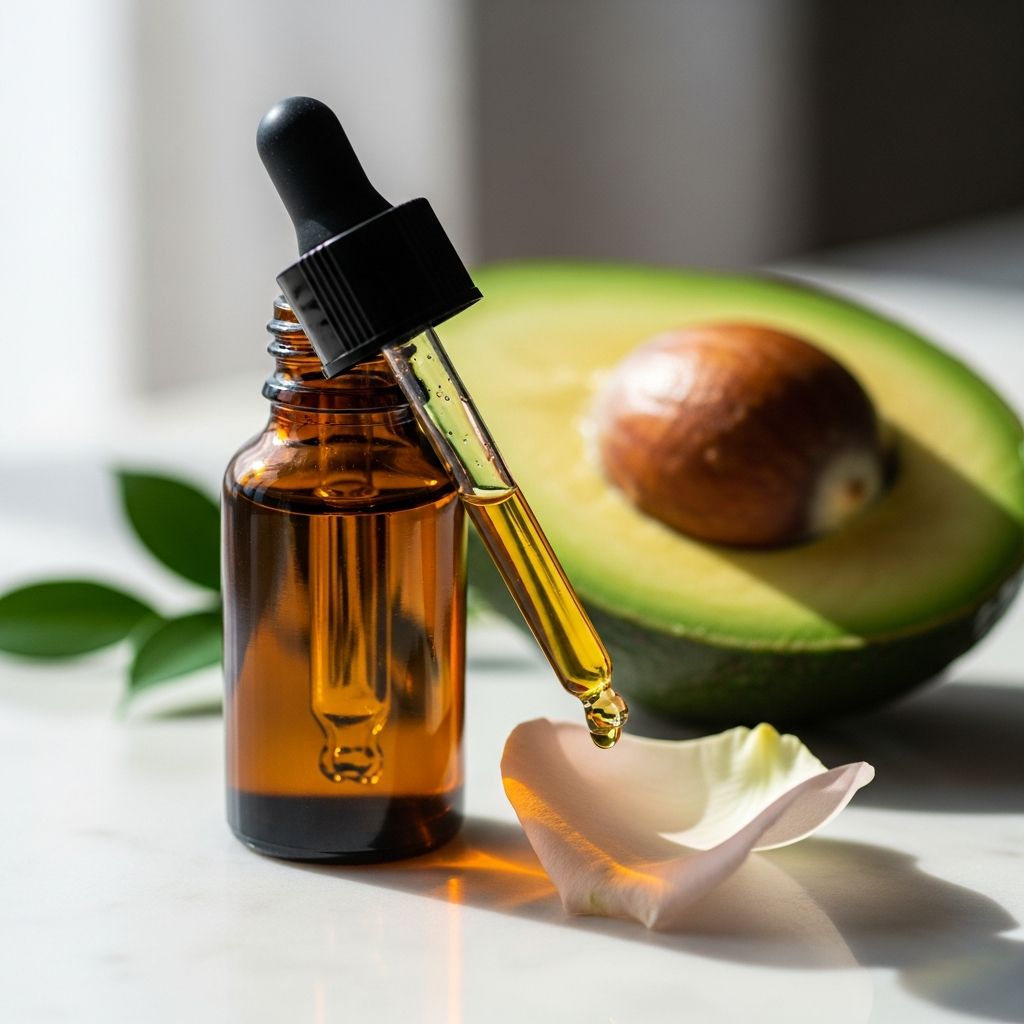
Retinol, a potent derivative of vitamin A, has earned its place as a cornerstone of modern skincare. This powerhouse ingredient accelerates cell turnover, boosts collagen production, and combats signs of aging while addressing acne and hyperpigmentation. Unlike harsher prescription retinoids, over-the-counter retinol offers gentler yet effective results for most skin types, making it accessible for daily use.
By promoting exfoliation and stimulating skin’s natural repair processes, retinol delivers visible improvements in texture, tone, and firmness. Dermatologists worldwide recommend it for preventive anti-aging and targeted treatments, but proper introduction is key to avoiding irritation.
What Is Retinol?
Retinol is a topical form of vitamin A, naturally found in animal products and synthesized for skincare. It belongs to the retinoid family, which includes stronger forms like tretinoin (retinoic acid). Once applied, enzymes in the skin convert retinol into retinoic acid, its active form that influences cellular behavior.
This conversion process makes retinol milder than prescription retinoids, reducing the risk of severe irritation while retaining efficacy. Retinol penetrates the stratum corneum—the skin’s outermost layer—and reaches deeper into the epidermis and dermis to enact changes. It binds to cellular receptors (like CRBP), regulating gene expression for proliferation, differentiation, and anti-inflammatory effects.
Historically used since the 1970s for acne, retinol’s anti-aging potential was confirmed in landmark studies showing increased collagen synthesis and reduced matrix metalloproteinases (MMPs)—enzymes that degrade skin structure. Today, it’s formulated in serums, creams, and moisturizers at concentrations from 0.1% to 1%, suitable for beginners to advanced users.
5 Key Retinol Benefits for Your Skin
Retinol’s versatility addresses multiple concerns through one mechanism: enhancing skin renewal. Here’s a breakdown of its primary benefits, supported by clinical evidence and expert insights.
1. Fades Acne and Prevents Breakouts
Retinol excels at acne management by unclogging pores and regulating sebum production. It accelerates cell turnover, preventing dead skin cells and oil from forming comedones (blackheads and whiteheads). By loosening connections in the stratum corneum, it facilitates exfoliation without harsh scrubs.
Studies show retinoids reduce sebocyte proliferation and lipogenesis, directly targeting acne’s root causes. For teens and adults, retinol minimizes inflammatory pimples and post-acne marks. Dr. Abigail Waldman, Harvard dermatologist, notes it’s ideal for keeping breakouts at bay while improving overall clarity.
- Unclogs pores by promoting exfoliation
- Regulates oil production
- Reduces inflammation in sebaceous glands
- Prevents future scarring
2. Reverses Sun Damage (Photodamage)
Chronic UV exposure causes photoaging: wrinkles, spots, and elasticity loss. Retinol counters this by boosting epidermal thickness and collagen, fading hyperpigmentation from sun spots. It inhibits melanin overproduction and evens tone for a brighter complexion.
Stanford dermatologists highlight retinol’s role in reversing photodamage through rapid cell division and hyaluronic acid stimulation, which plumps skin. Regular use diminishes fine lines from UV breakdown, restoring firmness without invasive procedures.
3. Reduces Wrinkles and Fine Lines
As collagen and elastin decline with age, wrinkles form. Retinol stimulates fibroblasts to produce these proteins, inhibits their degradation via MMPs, and enhances TIMPs (tissue inhibitors). Result: smoother texture, fewer lines, and improved elasticity.
Related Stories



Research confirms retinoids increase collagen types I and III, thicken the dermis, and promote angiogenesis for nutrient delivery. Users notice plumper skin within 4-12 weeks, with peak results after 6 months.
| Age Group | Key Retinol Effect | Timeline for Results |
|---|---|---|
| 20s-30s | Prevention, pore refinement | 4-8 weeks |
| 40s+ | Wrinkle reduction, firmness | 3-6 months |
4. Evens Skin Tone and Fades Hyperpigmentation
Hyperpigmentation from acne scars, melasma, or sun affects confidence. Retinol disperses melanin evenly by exfoliating pigmented cells and blocking tyrosinase (melanin-producing enzyme). It reduces pigmentation by up to 60% with consistent use.
By influencing melanocytes, retinol ensures uniform melanin distribution, tackling stubborn spots. Combined with sunscreen, it prevents recurrence for a radiant, even complexion.
5. Improves Overall Skin Texture and Gentleness
Retinol gently exfoliates, revealing smoother, brighter skin without the peeling associated with stronger retinoids. It strengthens the epidermal barrier, reduces transepidermal water loss (TEWL), and boosts natural moisturizers like hyaluronic acid.
Its milder profile suits sensitive skin, with fewer side effects like redness. Over time, it builds tolerance, allowing higher strengths for enhanced results.
How Retinol Works on a Cellular Level
Retinol’s magic happens intracellularly. Upon absorption, it binds to cytoplasmic retinol-binding proteins (CRBP), entering the nucleus to activate retinoic acid receptors (RARs). This upregulates genes for:
- Keratinocyte proliferation and differentiation
- Collagen synthesis (types I, III, VII)
- Elastin production and ECM remodeling
- Anti-inflammatory pathways blocking acne triggers
Unlike retinoic acid, retinol’s two-step conversion (to retinaldehyde, then retinoic acid) tempers potency, minimizing irritation. Peer-reviewed studies affirm its role in immunomodulation and anti-tumor effects, though skincare focuses on rejuvenation.
Retinoids also normalize follicular keratinization, preventing clogs, and regulate sebaceous glands for matte, balanced skin.
Who Should Use Retinol?
Nearly everyone except pregnant or breastfeeding individuals, due to teratogenic risks. Ideal for:
- Acne-prone teens/adults
- Those with fine lines, dullness, or uneven tone
- Preventive anti-aging from 20s onward
- Sun-damaged skin seeking repair
Consult a dermatologist for conditions like eczema or rosacea. Darker skin tones benefit from low strengths to avoid irritation-induced pigmentation.
How to Use Retinol Safely and Effectively
Start slow to build tolerance:
- Cleanse gently.
- Apply pea-sized amount to dry skin 1-2x/week at night.
- Follow with moisturizer (the “sandwich method”: moisturizer before/after).
- Increase frequency gradually.
- Use SPF 30+ daily—retinol heightens sun sensitivity.
Avoid mixing with AHAs/BHAs initially. Expect purging (temporary breakouts) as pores clear. Hydrating formulas with niacinamide or ceramides soothe.
Potential Side Effects and Precautions
Common: redness, dryness, flaking (retinoid dermatitis). Mitigate by buffering and moisturizing. Rare: prolonged irritation signals discontinuation.
- Not for pregnant/nursing
- Patch test new products
- Store away from light/heat
Frequently Asked Questions (FAQs)
What is the difference between retinol and retinoids?
Retinol is a type of retinoid; all retinols are retinoids, but retinoids include stronger forms like tretinoin. Retinol is OTC and gentler.
How long until I see retinol results?
Texture improves in 2-4 weeks; anti-aging in 3-6 months. Consistency is key.
Can retinol be used with vitamin C?
Yes, but use vitamin C mornings and retinol nights to avoid irritation.
Is retinol safe for sensitive skin?
Yes, start with 0.1-0.3% concentrations and buffer with moisturizer.
Does retinol help with oily skin?
Absolutely—it regulates sebum and minimizes pores.
References
- 5 Retinol Benefits for Your Skin and Face — GoodRx. 2023. https://www.goodrx.com/health-topic/dermatology/retinol-skin-benefits
- Does retinol deserve the hype? A Stanford dermatologist weighs in — Stanford Medicine. 2020-08-25. https://med.stanford.edu/news/insights/2020/08/does-retinol-deserve-the-hype-a-stanford-dermatologist-weighs-in.html
- Retinoids: active molecules influencing skin structure formation — PMC (NCBI). 2019-10-11. https://pmc.ncbi.nlm.nih.gov/articles/PMC6791161/
Similar Articles








Read full bio of Sneha Tete