Retinol and Eczema: A Dermatologist’s Guide
Understanding retinol's effects on eczema-prone skin and safe usage strategies.
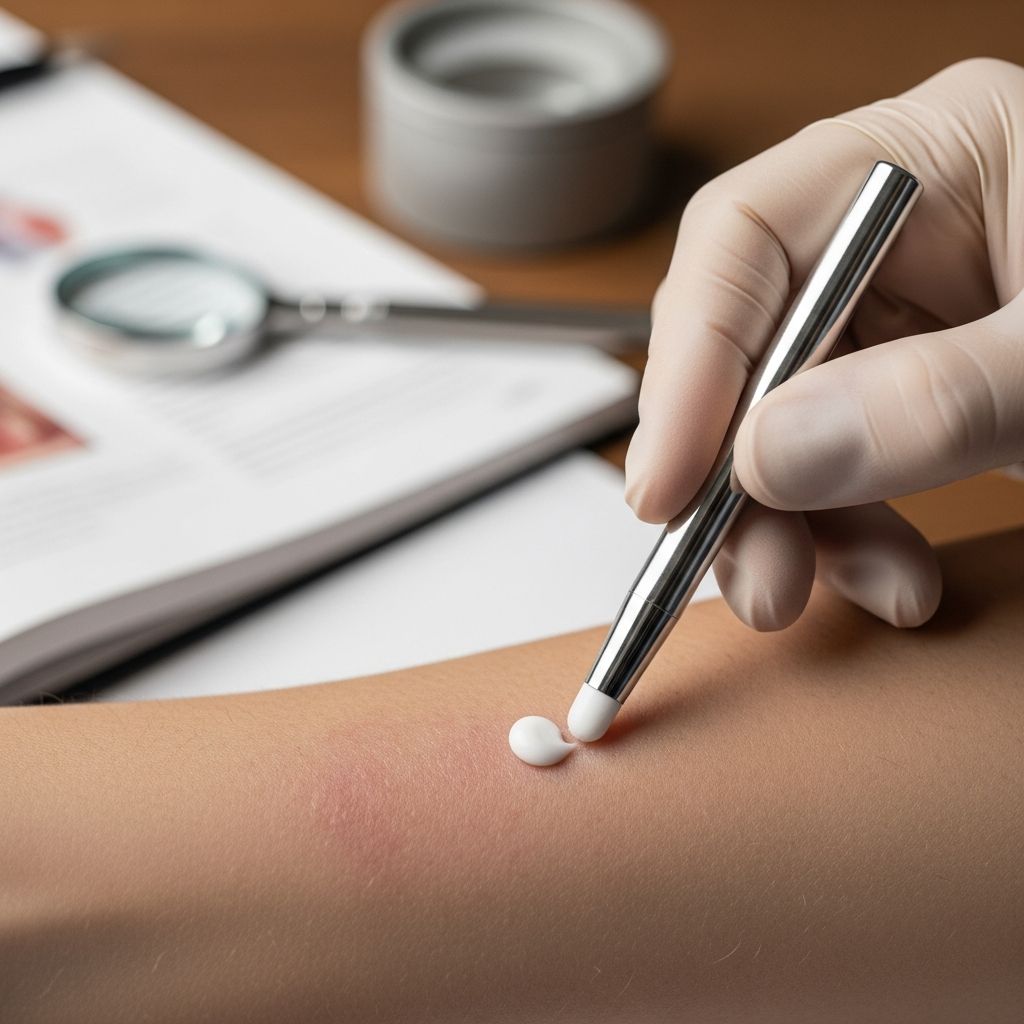
The intersection of retinol and eczema represents one of skincare’s most challenging dilemmas. Retinol, celebrated for its anti-aging and skin-renewing properties, can simultaneously trigger or exacerbate eczema symptoms in susceptible individuals. Understanding this complex relationship is essential for anyone with eczema who wishes to harness retinol’s benefits without compromising skin health.
Understanding Retinol and Its Mechanism
Retinol is a form of vitamin A that belongs to a broader class of compounds called retinoids. When applied topically, retinol penetrates the skin’s outer layers and works at the cellular level to accelerate the natural skin renewal process. This ingredient has become a cornerstone of modern skincare due to its scientifically-backed benefits for aging skin and various dermatological concerns.
The compound functions by increasing cellular turnover, which removes accumulated dead skin cells and promotes the emergence of fresh, healthy skin beneath. Additionally, retinol stimulates collagen production within the skin’s deeper layers, a protein responsible for maintaining skin structure, hydration, and elasticity. This dual action makes retinol particularly valued for reducing fine lines, improving texture, and brightening overall complexion.
Beyond anti-aging applications, retinol demonstrates efficacy in managing acne by unclogging pores and reducing sebum production. Its antioxidant properties also protect skin from free radical damage, which contributes to premature aging and skin degradation.
Why Eczema and Retinol Present a Conflict
Eczema, clinically known as atopic dermatitis, is an inflammatory skin condition characterized by compromised moisture barriers, excessive dryness, intense itching, and heightened skin sensitivity. Individuals with eczema have skin that struggles to retain water effectively and reacts strongly to environmental triggers and irritating substances.
The fundamental problem lies in retinol’s inherent drying effect on the skin. While this desiccating quality can benefit oily or acne-prone complexions, it directly contradicts the needs of eczema-affected skin, which already struggles with moisture retention. For people with eczema, introducing retinol can intensify existing dryness, trigger inflammation, and provoke or worsen eczema flare-ups.
Furthermore, retinol causes a phenomenon known as retinization—an adjustment period during which skin may experience increased sensitivity, mild irritation, and temporary worsening of symptoms. For eczema-prone individuals, this transitional phase can be particularly challenging and may result in severe discomfort or extended flare-ups.
Assessing the Risks: Side Effects and Complications
Common Adverse Reactions
When individuals with eczema use retinol products, they may experience several predictable side effects:
- Intensified skin dryness and flaking
- Increased redness and visible irritation
- Heightened itching and discomfort
- Skin peeling or scaling
- Enhanced sensitivity to sunlight
- Possible eczema flare-ups
These reactions tend to occur more frequently and severely in individuals with existing skin barrier dysfunction, making eczema sufferers particularly vulnerable. The severity of these side effects often correlates directly with the concentration of retinol used and the frequency of application.
Related Stories



Severe Complications to Monitor
While mild side effects may subside as skin acclimates, certain severe reactions warrant immediate discontinuation:
- Intense flaking that doesn’t improve with continued use
- Persistent burning or stinging sensations
- Significant skin discoloration or blistering
- Worsening inflammation despite dosage reduction
- Allergic reactions such as swelling or hives
Prescription-strength retinoids like tretinoin carry heightened risks for eczema-prone skin. The FDA specifically warns individuals with eczema to exercise extreme caution when using tretinoin products, as reports document severe irritation following application to compromised skin barriers.
The Dermatological Recommendation: Avoidance or Extreme Caution
Leading dermatologists generally advise patients with eczema to avoid retinol products altogether or proceed only with exceptional care and professional supervision. This conservative stance reflects the understanding that retinol’s irritating potential substantially outweighs its benefits for individuals with inflammatory skin conditions.
However, some dermatologists acknowledge that certain eczema-prone individuals may tolerate lower-concentration retinol products if applied strategically. The decision to attempt retinol use should only be made in consultation with a board-certified dermatologist who can assess individual skin sensitivity, current eczema severity, and overall skin health.
For those with conditions like rosacea, psoriasis, or severe eczema, retinol is typically considered too aggressive and potentially harmful. The inflammatory nature of these conditions makes them fundamentally incompatible with retinol’s irritative qualities.
Cautious Implementation: A Step-by-Step Approach
For individuals determined to try retinol despite having eczema-prone skin, a methodical approach may minimize adverse reactions:
Starting Protocol
- Obtain professional clearance: Consult your dermatologist before initiating any retinol regimen. Discuss your eczema history, current condition severity, and existing skincare routine.
- Select minimal concentration: Choose products containing the lowest available retinol concentration, typically 0.25% to 0.5% for beginners.
- Perform patch testing: Apply a small amount to a discreet area and wait 24-48 hours to assess tolerance before broader application.
- Begin with infrequent application: Start with once or twice weekly application, even if the product label suggests more frequent use.
- Integrate gradually: Increase frequency only if skin demonstrates excellent tolerance without irritation, itching, or dryness amplification.
Application Considerations
Application method significantly influences safety and efficacy:
- Apply only to completely dry skin—wait at least 20 minutes after cleansing
- Use the “pea-sized amount” guideline for facial application
- Avoid applying to broken, irritated, or actively flaring eczema patches
- Never layer retinol with other potentially irritating ingredients like vitamin C, glycolic acid, or benzoyl peroxide
- Apply sunscreen with minimum SPF 30 daily, as retinol increases photosensitivity
Supporting Eczema Management While Using Retinol
If proceeding with retinol use, simultaneously strengthening your eczema management routine becomes critical:
Barrier Support Strategy
Fortify your skin barrier with ceramides, cholesterol, and fatty acids—ingredients that repair and maintain the protective lipid layer. Look for cleansers and moisturizers specifically formulated for eczema-prone skin, featuring ingredients like:
- Ceramides (particularly ceramide NP and ceramide AP)
- Colloidal oatmeal for soothing inflammation
- Hyaluronic acid for hydration enhancement
- Niacinamide for barrier support
- Centella asiatica for inflammation reduction
Frequency and Consistency Adjustments
Be prepared to modify your retinol routine based on skin response. If you notice increased dryness, irritation, or eczema flare-ups, reduce application frequency immediately. There is no shame in using retinol once weekly or even less frequently—consistency over aggression is the goal.
Timeline Expectations and Patience
Results from over-the-counter retinol products require substantial patience. While prescription-strength retinoids may demonstrate effects within weeks, OTC retinol formulations typically require 12-24 weeks to show meaningful improvements in skin texture or fine lines. For eczema-prone individuals starting with minimal concentrations, the timeline may extend even further.
This extended timeframe allows you to assess tolerance thoroughly. If you experience persistent irritation or eczema worsening, you have adequate time to discontinue use before significant skin damage occurs.
Evidence-Based Alternatives for Eczema-Prone Skin
If retinol proves incompatible with your eczema, numerous evidence-supported alternatives can address aging and texture concerns:
| Alternative Ingredient | Primary Benefits | Eczema Compatibility |
|---|---|---|
| Bakuchiol | Anti-aging similar to retinol without irritation; gentle on sensitive skin | Generally well-tolerated; suitable for eczema-prone skin |
| Niacinamide | Strengthens barrier function; reduces inflammation; improves texture | Excellent; supports eczema management |
| Peptides | Stimulates collagen indirectly; improves skin firmness | Well-tolerated; non-irritating |
| Hyaluronic Acid | Hydration enhancement; plumps fine lines temporarily | Excellent; beneficial for eczema |
| Vitamin E | Antioxidant protection; barrier support; anti-inflammatory | Well-tolerated; supports eczema healing |
Bakuchiol deserves special mention as it delivers retinol-like benefits—including enhanced cellular turnover and collagen stimulation—without the irritative potential, making it an ideal choice for eczema sufferers seeking anti-aging advantages.
Warning Signs: When to Discontinue Retinol
Stop using retinol immediately if you experience:
- Severe itching that persists beyond the adjustment period
- Significant increase in eczema flare frequency or intensity
- Persistent redness that doesn’t improve with barrier support
- Signs of allergic reaction (swelling, hives, breathing difficulty)
- Blistering, severe peeling, or skin breakdown
- Worsening symptoms despite dosage reduction
Discontinuing use doesn’t represent failure—it reflects responsible skincare decision-making based on your skin’s actual tolerance.
Frequently Asked Questions
Can people with mild eczema safely use retinol?
Even mild eczema carries risk with retinol use. While some individuals with well-controlled, minimal eczema may tolerate low-concentration retinol, professional dermatological guidance is essential. The safest approach remains avoiding retinol entirely and exploring gentler alternatives.
How long should I wait after an eczema flare-up before using retinol?
Wait until your skin has completely healed and returned to baseline—typically 2-4 weeks post-flare. Your skin barrier should be fully restored before introducing any potentially irritating ingredient.
Can I use retinol if I’m currently taking eczema medications?
This depends on your specific medications. Some prescription eczema treatments may interact negatively with retinol. Always inform your dermatologist about all products you plan to use, including over-the-counter retinol.
Is prescription retinol safer than over-the-counter retinol for eczema?
No—prescription retinoids are generally more potent and therefore more likely to trigger irritation and eczema flares. If anything, they require even greater caution than OTC formulations.
References
- Retinol for Eczema: Is it Effective? — Drought Skin. Accessed February 2026. https://www.droughtskin.com/blog/retinoleczema
- Yes, Retinol Is Safe — When Used Correctly. Here’s How — Healthline. Accessed February 2026. https://www.healthline.com/health/beauty-skin-care/is-retinol-safe
- Retinol and eczema: Effects, tips, and alternatives — Medical News Today. Accessed February 2026. https://www.medicalnewstoday.com/articles/retinol-and-eczema
- What is Retinol and Why Should I Use It? — Forefront Dermatology. Accessed February 2026. https://forefrontdermatology.com/what-is-retinol-and-why-should-i-use-it/
- A Comprehensive Review of the Strategies to Reduce Retinoid Dermatitis — PubMed Central (PMC11344648). Accessed February 2026. https://pmc.ncbi.nlm.nih.gov/articles/PMC11344648/
Similar Articles








Read full bio of Sneha Tete