Retinopathy Of Prematurity: 5 Stages, Screening & Treatment
Understanding the risks, detection, and treatments for ROP in premature infants to safeguard their vision.
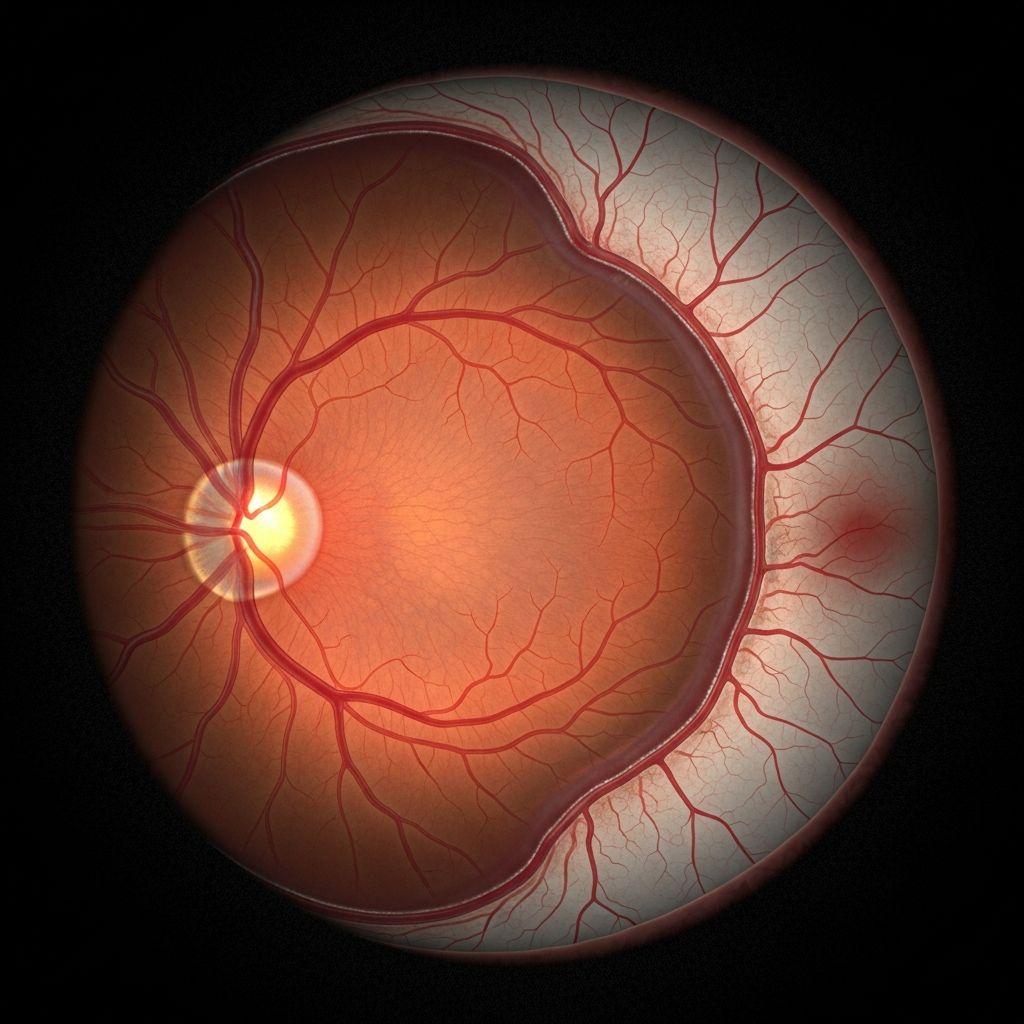
Retinopathy of Prematurity (ROP) represents a significant health challenge for infants born prematurely, where the delicate blood vessels in the retina develop abnormally, potentially leading to severe vision impairment or blindness. This condition arises from the interruption of normal retinal vascular growth due to early birth, exacerbated by factors like oxygen therapy and systemic immaturity.
The Developing Retina: Why Prematurity Disrupts Normal Growth
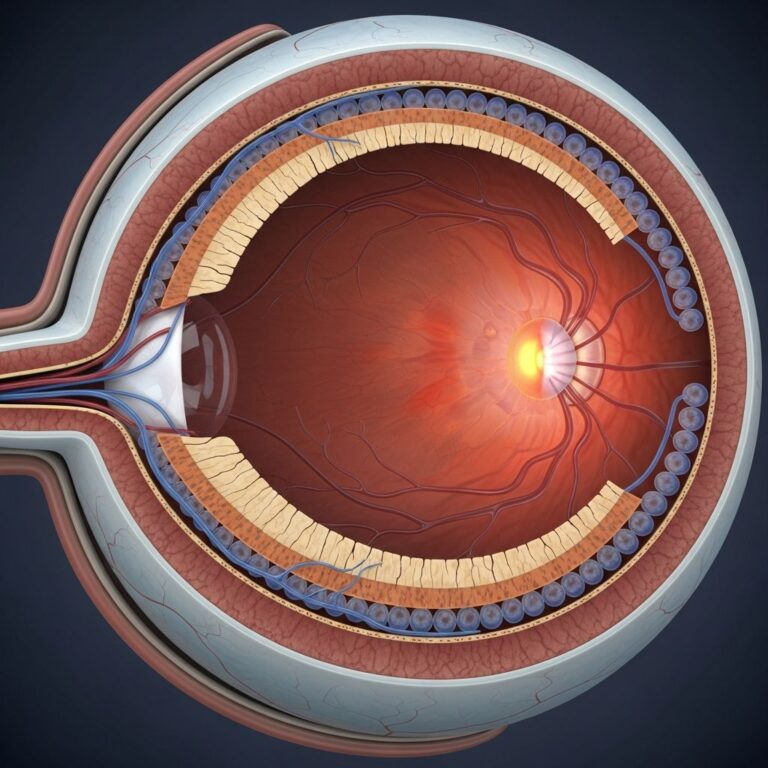
In a full-term pregnancy, the retina—a thin layer of light-sensitive tissue at the back of the eye—undergoes a meticulously orchestrated process of vascularization starting around 16 weeks of gestation and completing by 40 weeks. Blood vessels grow from the optic nerve outward, supplying oxygen and nutrients essential for retinal function. Premature birth, especially before 32 weeks, halts this progression, leaving peripheral areas of the retina avascular and vulnerable.
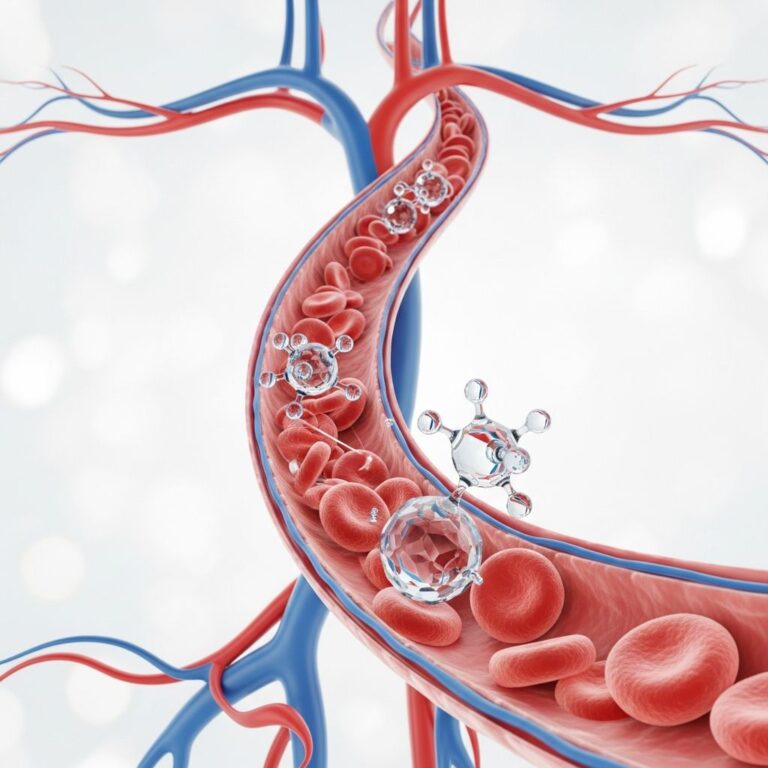
This incomplete development sets the stage for ROP. The retina’s metabolic demands increase post-birth, but without adequate blood supply, hypoxic conditions emerge. Environmental factors in the neonatal intensive care unit (NICU), such as supplemental oxygen, shift the balance from physiological hypoxia (which drives normal vessel growth) to relative hyperoxia, suppressing key growth factors like vascular endothelial growth factor (VEGF) and insulin-like growth factor 1 (IGF-1).
Understanding the Two-Phase Pathophysiology of ROP
ROP unfolds in two distinct phases, each driven by unique molecular and environmental triggers.
Phase 1: Hyperoxia-Induced Vessel Regression
Immediately after birth, preterm infants often receive oxygen to support breathing, creating a hyperoxic environment compared to the womb. This suppresses VEGF and IGF-1, leading to vasoconstriction and obliteration of developing capillaries. The peripheral retina remains avascular, as normal vessel progression arrests.
- Key molecular players: Downregulation of VEGF halts angiogenesis.
- Systemic contributors: Low IGF-1 levels due to nutritional deficits post-birth exacerbate vessel regression.
- Duration: Typically lasts until about 32-34 weeks postmenstrual age.
Phase 2: Hypoxia-Driven Neovascularization
As oxygen levels stabilize and the avascular retina demands more oxygen, hypoxia triggers a surge in VEGF production. This leads to uncontrolled, fragile new vessel growth (neovascularization) that proliferates into the vitreous, forming leaky membranes and scar tissue. If unchecked, this can cause retinal traction, folds, and detachment.
Histologically, this phase features ridge formation, extraretinal fibrovascular proliferation, and plus disease—marked by dilated, tortuous vessels signaling aggressive progression.
Primary Risk Factors and Vulnerable Populations
Not all preterm infants develop ROP, but certain factors dramatically increase susceptibility. The strongest predictors are extreme prematurity and low birth weight.
| Risk Factor | Description | Impact Level |
|---|---|---|
| Gestational Age <32 weeks | Babies born earlier have more immature retinas. | High |
| Birth Weight <1500g | Smaller infants face greater vascular disruption. | High |
| Supplemental Oxygen | Prolonged or fluctuating levels promote phase 1. | Moderate-High |
| Sepsis or Infection | Inflammatory responses worsen vascular instability. | Moderate |
| Poor Postnatal Weight Gain | Indicates nutritional inadequacy, low IGF-1. | Moderate |
| Chronic Lung Disease | Often requires extended ventilation/oxygen. | Moderate |
Related Stories



Additional risks include intraventricular hemorrhage, blood transfusions, and mechanical ventilation. Advances in neonatal care have boosted survival rates for extremely low birth weight infants (<1000g), inadvertently raising ROP incidence in regions with improved NICU capabilities.
Clinical Staging and Classification Systems
ROP is graded by location (zones 1-3, from posterior to peripheral retina), severity (stages 1-5), and vascular appearance (pre-plus, plus disease).
- Stage 1: Demarcation line between vascularized and avascular retina.
- Stage 2: Ridge with height and width.
- Stage 3: Extraretinal fibrovascular proliferation.
- Stage 4: Partial retinal detachment.
- Stage 5: Total retinal detachment (worst outcome).
Zone I involvement (most posterior) indicates highest risk for aggressive disease. Plus disease accelerates progression, necessitating urgent intervention.
Essential Screening Protocols for Early Detection
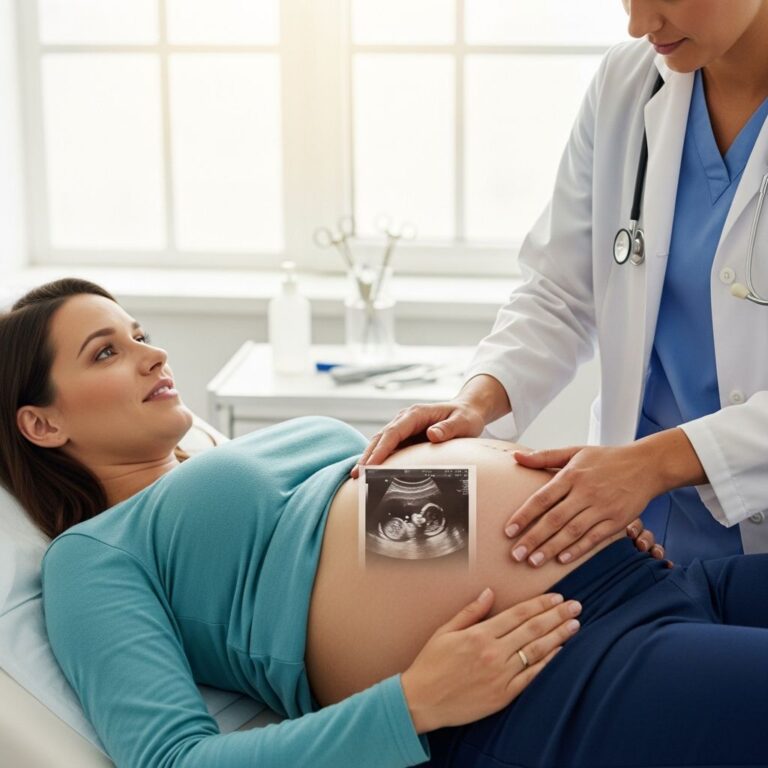
Timely screening is the cornerstone of ROP management. Guidelines from bodies like the American Academy of Pediatrics recommend dilated fundus exams starting at 31 weeks postmenstrual age or 4 weeks chronologically for at-risk infants (birth weight ≤1500g or gestational age ≤30 weeks).
- Frequency: Weekly or biweekly based on severity.
- Method: Indirect ophthalmoscopy with eyelid speculum and scleral depression.
- Personnel: Trained ophthalmologists or retinal specialists.
Emerging tools like wide-field retinal imaging aid remote assessment, especially in underserved areas. Early detection allows intervention before irreversible damage occurs; up to 90% of mild cases regress spontaneously.
Treatment Strategies: From Laser to Emerging Therapies
Treatment targets neovascularization in threshold or pre-threshold ROP (e.g., type 1 ROP: zone I with any stage 3, or zone II stage 2 with plus disease).
Standard Interventions
- Laser Photocoagulation: Ablates avascular peripheral retina to reduce VEGF drive. Effective in 90% of cases, performed under anesthesia.
- Cryotherapy: Less common now, freezes abnormal areas.
- Anti-VEGF Injections: Intravitreal bevacizumab or ranibizumab rapidly regress vessels, ideal for zone I disease. Risks include systemic effects.
Advanced and Surgical Options
For advanced stages (4-5), vitrectomy or scleral buckling relieves traction. Ongoing trials explore sustained-release anti-VEGF implants and gene therapies targeting IGF-1 pathways.
Prevention emphasizes oxygen saturation targets (91-95%), nutritional optimization, and infection control.
Long-Term Outcomes and Follow-Up Care
Even treated ROP can lead to myopia, strabismus, glaucoma, or late-onset retinal detachment. Survivors require lifelong monitoring: annual exams until school age, then as needed.
Global burden: ROP causes 20,000-30,000 annual blindness cases, rising in middle-income countries due to neonatal survival gains without screening infrastructure.
Frequently Asked Questions (FAQs)
What is the most common outcome for babies with ROP?
Most cases (about 90%) resolve without treatment or lasting damage.
Can ROP be prevented entirely?
Not always, but careful oxygen management and nutrition reduce incidence.
How soon after birth is ROP screening done?
For high-risk infants, between 4-6 weeks of life or 31 weeks postmenstrual age.
Is ROP hereditary?
No direct genetic link, but prematurity risks are influenced by familial factors.
What should parents watch for at home?
ROP is asymptomatic early; follow NICU and ophthalmology schedules closely.
Global Perspectives and Future Directions
In high-income settings, ROP blindness rates have plummeted due to screening, but low-resource areas face epidemics. Initiatives like Orbis’s training programs aim to build capacity. Future therapies may include neuroprotective agents and AI-driven imaging for prediction.
ROP underscores the double-edged sword of neonatal progress: more survivors mean more at-risk eyes, demanding vigilant care to preserve sight.
References
- Retinopathy of Prematurity – StatPearls — NCBI Bookshelf, NIH. 2023-08-07. https://www.ncbi.nlm.nih.gov/books/NBK562319/
- Retinopathy of Prematurity: Causes, Symptoms and Treatment — Orbis. Accessed 2026. https://www.orbis.org/en/avoidable-blindness/retinopathy-of-prematurity
- Retinopathy of Prematurity – Patients — American Society of Retina Specialists. Accessed 2026. https://www.asrs.org/patients/retinal-diseases/17/retinopathy-of-prematurity
- Retinopathy of Prematurity — American Association for Pediatric Ophthalmology and Strabismus. Accessed 2026. https://aapos.org/glossary/retinopathy-of-prematurity
- Retinopathy of Prematurity (ROP) — University of Michigan Health. Accessed 2026. https://www.uofmhealth.org/our-care/specialties-services/retinopathy-prematurity-rop
- Retinopathy of Prematurity — Cleveland Clinic. 2023-11-02. https://my.clevelandclinic.org/health/diseases/17430-retinopathy-of-prematurity
- Retinopathy of prematurity — MedlinePlus, NIH. 2023-09-18. https://medlineplus.gov/ency/article/001618.htm
Similar Articles








Read full bio of medha deb