Retrograde Cystography: Bladder Imaging Procedure
Complete guide to retrograde cystography, a detailed X-ray imaging test of the bladder.
Retrograde Cystography: Understanding the Procedure
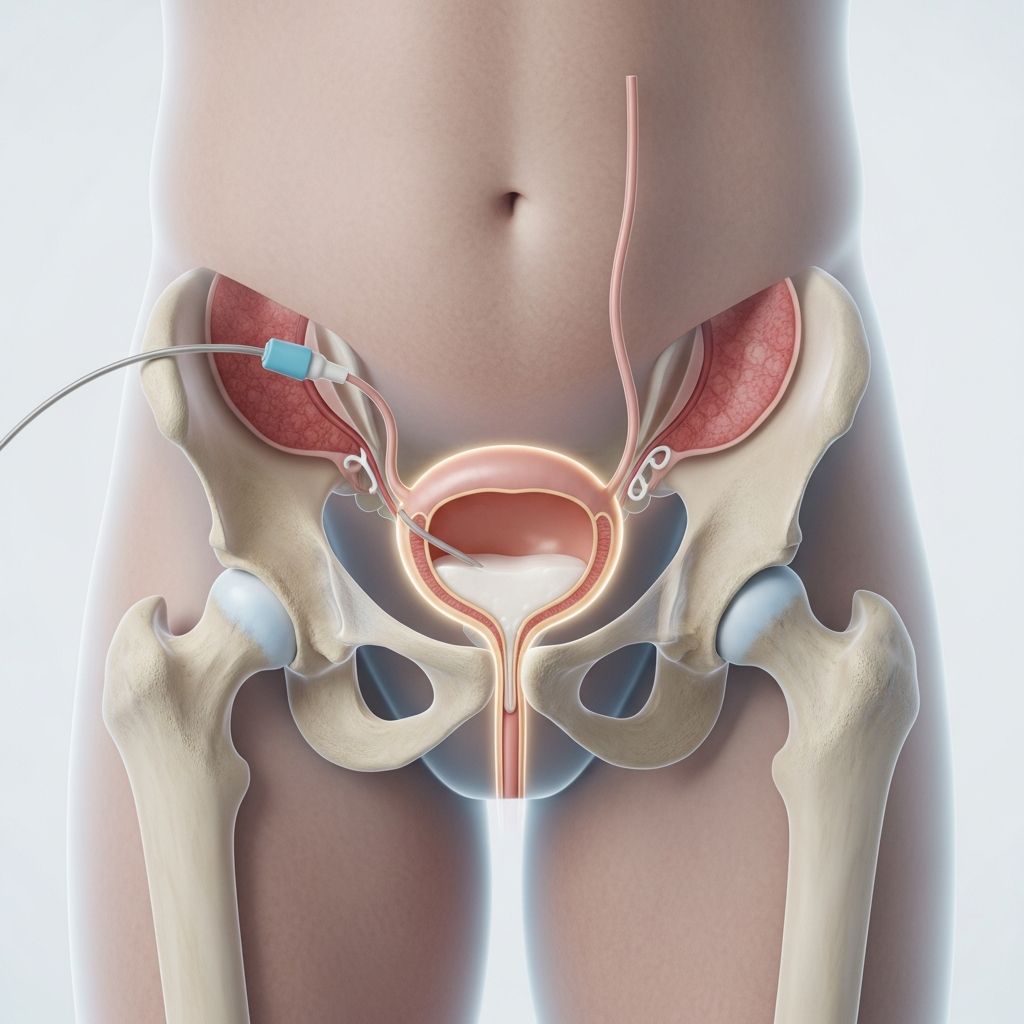
Retrograde cystography is a detailed X-ray imaging test that allows healthcare providers to examine the bladder in detail. During this procedure, a contrast dye is placed into the bladder through the urethra, which is the tube that carries urine from the bladder to the outside of the body. The contrast medium enhances the visibility of the bladder structures on X-ray images, allowing radiologists to identify potential problems more clearly. This imaging technique has been a valuable diagnostic tool in urology for evaluating various bladder conditions and abnormalities.
What is Retrograde Cystography?
Retrograde cystography is an imaging test that uses X-rays to visualize the bladder after it has been filled with a contrast dye. The term “retrograde” refers to the backward or reverse direction of the dye injection through the urethra into the bladder. This procedure provides clear images of the bladder’s interior walls and can help identify structural abnormalities, injuries, or infections. Modern versions of this test can also be performed using computerized tomography (CT) scanning for enhanced imaging capabilities.
Why Your Doctor May Recommend Retrograde Cystography
Healthcare providers order retrograde cystography for various clinical reasons. This procedure is particularly useful when examining patients who have experienced abdominal trauma to check for bladder rupture. Additionally, this test helps diagnose multiple urological conditions that affect bladder function and structure.
Common indications for retrograde cystography include:
- Repeated or recurring urinary tract infections to identify underlying structural problems
- Suspected bladder rupture following abdominal injury or trauma
- Detection of bladder stones or calcifications
- Identification of abnormal connections between bladder tissue and nearby structures (bladder fistulae)
- Evaluation of pouch-like sacs on the bladder or urethra walls (diverticula)
- Investigation of suspected bladder tumors or abnormal growths
- Assessment of vesicoureteric reflux, which is urine flowing backward from the bladder into the ureter
- Evaluation of urine leakage after bladder surgery
- Assessment of problems with nerve supply to the bladder
How to Prepare for Your Retrograde Cystography Test
Proper preparation is essential for ensuring the success of your retrograde cystography procedure. Your healthcare provider will provide specific pre-procedure instructions tailored to your individual situation.
Before Your Test:
- Schedule a consultation with your healthcare provider to discuss the procedure and ask any questions you may have
- Review and sign an informed consent form, ensuring you understand the procedure, its risks, and benefits
- Inform your doctor about any allergies, particularly to contrast dyes, iodine, latex, local anesthesia, or medications
- Notify your healthcare provider if you are pregnant or suspect you may be pregnant
- Report any history of kidney problems or kidney failure to your medical team
- Follow any fasting instructions provided by your healthcare provider
- Empty your bladder completely before the procedure begins
- Remove any jewelry, metal objects, or other items that might interfere with X-ray imaging
- Plan to wear a hospital gown during the procedure
How the Retrograde Cystography Procedure is Performed
Understanding the step-by-step process of retrograde cystography can help reduce anxiety and prepare you for what to expect during your appointment.
The Procedure Steps:
- You will be asked to empty your bladder completely before the procedure begins
- You will lie on your back on an X-ray table in the radiology department
- A numbing medicine is applied to the opening of your urethra to minimize discomfort during catheter insertion
- A flexible tube called a catheter is carefully inserted through your urethra into your bladder
- Contrast dye flows through the catheter until your bladder is full or you indicate it feels full
- Once the bladder is full, you will be repositioned in different angles for X-ray imaging
- Multiple X-rays are taken to capture various views of the filled bladder
- The catheter is then removed from your urethra
- You will be asked to empty your bladder, and a final X-ray is taken to reveal how well your bladder empties
- The entire procedure typically takes 30 to 60 minutes to complete
Related Stories



What to Expect During the Procedure
Knowing what sensations you might experience during retrograde cystography can help you remain calm and cooperative throughout the test. Most patients report manageable discomfort rather than severe pain.
During the test, you may feel several sensations:
- Pressure or mild discomfort when the catheter is inserted through the urethra
- An urge to urinate as the contrast dye fills your bladder, similar to the feeling when your bladder is full
- A continued urge to urinate throughout the entire procedure
- The technician will monitor your comfort level and stop the flow of dye if pressure becomes too uncomfortable
After the procedure is completed, the area where the catheter was placed may feel sore or tender when you urinate for the first day or two. This mild irritation is normal and typically resolves on its own.
Understanding Your Test Results
Your healthcare provider will review the X-ray images from your retrograde cystography and provide you with results and their clinical significance.
Normal Results:
Normal retrograde cystography results indicate that your bladder appears healthy with no visible abnormalities. The bladder walls are smooth, without stones, diverticula, or fistulae. There is no evidence of tumors, blood clots, infection, inflammation, or vesicoureteric reflux. The bladder empties completely and efficiently on the final post-void X-ray.
Abnormal Results May Indicate:
- Bladder stones or calcifications within the bladder
- Blood clots inside the bladder
- Diverticula, which are pouch-like outpouchings on the bladder wall
- Infection or inflammation of bladder tissue
- Lesions or abnormal tissue growths
- Vesicoureteric reflux, indicating urine flows backward from the bladder
- Bladder rupture or perforation
- Abnormal fistula connections between organs
- Bladder tumors or malignancies
Risks and Complications
While retrograde cystography is generally a safe procedure, it does carry some potential risks that you should discuss with your healthcare provider.
Infection Risk:
The primary risk associated with retrograde cystography is the potential for infection from the catheter insertion. Catheter-related urinary tract infections can occur as bacteria may be introduced during the procedure. Symptoms of infection may develop within the first 24 to 48 hours after the procedure and can include:
- Burning sensation during urination (typically appears after the first day)
- Chills or body aches
- Fever
- Increased heart rate or tachycardia
- Increased breathing rate
- Decreased blood pressure (hypotension)
Radiation Exposure:
The amount of radiation exposure from retrograde cystography is comparable to that of other standard X-ray procedures. However, cumulative radiation exposure over time can be a concern. If you are pregnant or nursing, retrograde cystography should only be performed if the benefits significantly outweigh the potential risks, as radiation exposure during pregnancy may lead to birth defects.
Other Potential Complications:
- Hematuria (blood in urine) from catheter trauma to the urethra
- Urethral damage or tearing in rare cases
- Allergic reactions to contrast dye (rare but possible)
- Temporary urinary retention or difficulty urinating
When Retrograde Cystography Should Not Be Performed
Certain conditions or situations may make retrograde cystography inadvisable or require special considerations:
- Recent bladder surgery (typically within 2 to 3 weeks)
- Blockage of the urethra or urethral damage
- Active urinary tract infection
- Known or suspected pregnancy
- Severe allergies to contrast dyes or iodine
- Latex sensitivity (latex-free catheters should be used)
- Severe kidney failure or other serious kidney disease
After Your Procedure
Post-procedure care is important for minimizing complications and ensuring proper recovery from retrograde cystography.
Immediate Post-Procedure Care:
- You can typically resume your normal diet and activities immediately after the procedure
- Drink plenty of water to help flush out the contrast dye and reduce infection risk
- Take over-the-counter pain relievers such as acetaminophen or ibuprofen if you experience mild discomfort
- Expect mild burning or soreness when urinating for the first 24 to 48 hours
- Avoid strenuous exercise for the first 24 hours after the procedure
When to Contact Your Doctor:
- If you develop a fever above 101°F (38.3°C)
- If you experience severe or persistent pain during urination
- If you notice blood in your urine beyond the first 24 hours
- If you develop chills or signs of infection
- If you are unable to urinate within 8 hours after the procedure
- If you experience nausea, vomiting, or severe abdominal pain
Frequently Asked Questions About Retrograde Cystography
Is retrograde cystography painful?
Most patients experience mild to moderate discomfort rather than severe pain. A numbing medicine is applied before catheter insertion, and the technician will stop the contrast flow if pressure becomes uncomfortable. Any soreness after the procedure typically resolves within 24 to 48 hours.
How long does the procedure take?
Retrograde cystography typically takes 30 to 60 minutes from start to finish, depending on your specific condition and the number of X-ray images needed.
Can I eat or drink before the procedure?
Follow your healthcare provider’s specific pre-procedure instructions. Generally, you may be able to eat and drink normally unless instructed otherwise.
Is the radiation from retrograde cystography dangerous?
The radiation exposure is comparable to other standard X-ray procedures and is considered safe for most patients. However, pregnant women should only have this test if benefits outweigh risks.
What should I do if I develop an infection after the procedure?
Contact your healthcare provider immediately if you develop fever, burning with urination, chills, or other signs of infection. Urinary tract infections are typically treated with antibiotics.
Can I return to normal activities after the procedure?
Yes, you can typically resume normal activities immediately, though strenuous exercise should be avoided for the first 24 hours. Drinking plenty of water is recommended to help flush out the contrast dye.
References
- Retrograde Cystography — MedlinePlus Medical Encyclopedia, National Library of Medicine. 2024. https://medlineplus.gov/ency/article/003783.htm
- Retrograde Cystography — UCSF Benioff Children’s Hospitals. 2024. https://www.ucsfbenioffchildrens.org/medical-tests/retrograde-cystography
- Retrograde Cystography — University of Rochester Medical Center. 2024. https://www.urmc.rochester.edu/encyclopedia/content?contenttypeid=92&contentid=p07712
- Cystography (Retrograde Cystography) — ECU Health Library. 2024. https://healthlibrary.ecuhealth.org/Library/HealthSheets/3,S,85505
Similar Articles








Read full bio of medha deb