Retroverted Uterus: Causes, Symptoms & Fertility
Understanding tilted uterus: causes, symptoms, fertility impact, and treatment options explained.
Understanding Retroverted Uterus
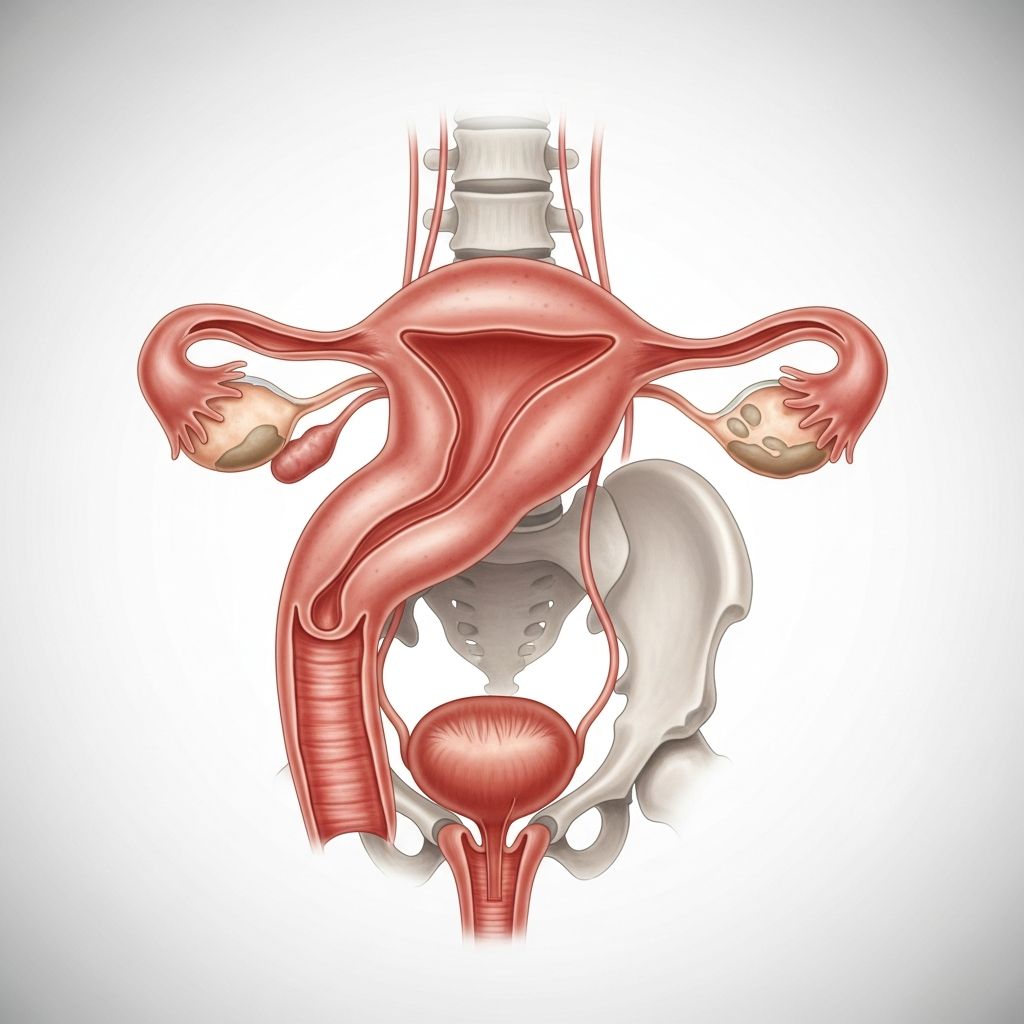
A retroverted uterus, commonly referred to as a tilted or tipped uterus, is a condition where your uterus is positioned backward toward your spine instead of forward toward your abdomen. This anatomical variation affects how your reproductive organ sits within your pelvis, changing its orientation relative to other pelvic structures. Understanding this condition is important because many people wonder whether it impacts their fertility, pregnancy, or overall health.
To visualize a retroverted uterus, imagine your uterus shaped like an upside-down letter U. In a retroverted uterus, the curved part of the U aims toward your low back, while the opening (your cervix) points toward your belly. In contrast, a typical anteverted uterus has the curved part aimed toward your belly and the cervix pointed toward your rectum. This positional difference is simply an anatomical variation rather than an abnormality.
How Common is a Retroverted Uterus?
A retroverted uterus is fairly common among people with female reproductive systems. Approximately 25% of people have a uterus that tilts backward at their cervix, making this a relatively typical anatomical variation. Some individuals are born with a retroverted uterus, while others develop this condition later in life. Many people never discover they have a retroverted uterus because they experience no symptoms whatsoever.
The distinction between different uterine positions is important for understanding reproductive anatomy. An anteverted uterus, where the uterus tilts forward at the cervix and points toward the abdomen, is the more common position. In this standard position, your uterus typically sits on top of your bladder. With a retroverted uterus, your uterus usually presses against your rectum instead. Despite these positional differences, both configurations are normal variations of human anatomy.
Causes of Retroverted Uterus
A retroverted uterus can develop through various mechanisms. In most cases, it represents a normal variation present from birth. As a person matures, the uterus generally shifts into a forward tilt; however, some individuals’ uteruses remain in the backward-tilted position.
Congenital and Natural Causes
Many people are simply born with a retroverted uterus as part of their natural anatomy. This developmental variation occurs during fetal development and persists throughout life. It is not caused by anything the pregnant parent did or did not do, nor is it preventable through any lifestyle choices.
Pregnancy-Related Changes
Pregnancy can sometimes overstretch the ligaments that hold the uterus in place, allowing it to tip backward. However, the uterus typically returns to its original position after pregnancy concludes. The physical demands of pregnancy can temporarily alter uterine positioning, but this usually resolves naturally.
Hormonal Factors
Menopause can affect the ligaments supporting the uterus. When menstrual cycles stop, estrogen hormone levels decline significantly, impacting the surrounding uterine ligaments. This hormonal shift can contribute to changes in uterine positioning, particularly in individuals transitioning through menopause.
Underlying Medical Conditions
Several gynecological conditions can cause or contribute to a retroverted uterus. Endometriosis can cause retroversion by creating adhesions that effectively ‘glue’ the uterus to other pelvic structures or attach itself to neighboring organs. Uterine fibroids, benign growths within the uterus, can also cause the uterus to tip backward by altering the organ’s shape and position.
Pelvic adhesions, which are scar tissues formed following pelvic surgery, can pull the uterus into a retroverted position. Pelvic inflammatory disease (PID), an infection of the reproductive organs, can similarly contribute to uterine retroversion. These underlying conditions often require specific treatment approaches beyond simple repositioning.
Related Stories



Symptoms of Retroverted Uterus
Most people with a retroverted uterus experience no symptoms whatsoever and may never know they have this condition. However, some individuals do experience discomfort or pain related to their uterine positioning.
Common Symptoms
When symptoms occur, they may include painful menstruation (dysmenorrhea) and discomfort during sexual intercourse. Some individuals report lower back pain, particularly during their menstrual cycle. Pain during bowel movements or urination can occasionally occur, depending on how the retroverted uterus interacts with surrounding pelvic structures.
Symptom Severity
The severity of symptoms varies considerably among individuals. Some people experience mild discomfort that barely impacts their daily life, while others report more significant pain that affects their quality of life and sexual wellness. The presence and intensity of symptoms often depend on individual anatomical variations and whether underlying conditions like endometriosis or fibroids contribute to the retroversion.
Retroverted Uterus and Fertility
One of the most common concerns people have about a retroverted uterus is whether it affects their ability to conceive. The good news is that your fertility should not be affected by a retroverted uterus. You can absolutely get pregnant and have a normal pregnancy with a tilted uterus. The position of your uterus does not interfere with conception or the early stages of pregnancy.
If you are unable to get pregnant and have been diagnosed with a tilted uterus, the fertility issues are most likely caused by another condition rather than the retroversion itself. Some conditions associated with a retroverted uterus that can contribute to fertility issues include endometriosis, uterine fibroids, pelvic inflammatory disease, and polycystic ovary syndrome (PCOS). These conditions require targeted treatment, but the uterine tilt itself is not the fertility barrier.
Retroverted Uterus and Pregnancy
Your pregnancy should not be impacted by a tilted uterus in any meaningful way. There is no correlation between a retroverted uterus and complications during labor and delivery. In fact, pregnancy naturally causes your uterus to change position. Typically, sometime before the second trimester, your uterus will shift to an anteverted position as it grows and expands to accommodate the developing baby. This natural positional change allows your uterus to fully expand within your abdominal cavity.
After your baby is born, your uterus may return to its retroverted position, returning to your baseline anatomy. However, the temporary shift during pregnancy ensures that uterine positioning does not interfere with fetal development or labor progression.
Uterine Incarceration: A Rare Complication
Uterine incarceration is an extremely rare but serious condition that can occur with a retroverted uterus during pregnancy. This condition happens when a retroverted uterus fails to shift to the anteverted position during the second trimester as it normally should. When this occurs, the uterus can become trapped within your pelvis, preventing normal expansion and potentially causing complications. Uterine incarceration occurs in approximately 0.3% of pregnancies (roughly three cases per 1,000 pregnancies).
Rarely, a retroverted uterus during pregnancy can cause painful and difficult urination and may result in severe urinary retention. This specific complication requires immediate medical attention. Treatment for incarcerated uterus typically includes manual repositioning of the uterus by a healthcare provider, and patients usually require intermittent or continuous catheter drainage of the bladder until the problem resolves naturally or through intervention.
Can a Retroverted Uterus Cause Miscarriage?
A retroverted uterus cannot cause a miscarriage by itself. If you have a tilted uterus and experience a miscarriage, the miscarriage is most likely caused by another factor such as a chromosomal abnormality or an underlying uterine condition unrelated to the uterine position. In extremely rare cases, uterine incarceration can potentially lead to miscarriage, but this represents a specific medical emergency rather than a consequence of retroversion alone.
Diagnosis of Retroverted Uterus
Your healthcare provider can diagnose a retroverted uterus through a routine pelvic examination. During this physical exam, your provider can feel the location of your cervix and uterus to determine which direction it tilts. A key diagnostic indicator is noticing that your cervix is located more forward than typical, suggesting an underlying retroverted uterus.
An ultrasound can also be used to confirm a retroverted uterus diagnosis and rule out more serious underlying causes such as uterine fibroids or endometriosis. Transvaginal ultrasound, where the ultrasound probe is inserted into the vagina, provides particularly clear imaging of uterine position and can identify any associated pathology. Many people discover they have a retroverted uterus incidentally during routine ultrasound for other reasons.
Treatment Options for Retroverted Uterus
Treatment options are rarely needed for a retroverted uterus, as most cases cause no significant problems. However, if your condition causes discomfort or pain, several treatment approaches are available.
Manual Repositioning
A healthcare provider can manually reposition your uterus during a pelvic examination if the movement of your uterus is not hindered by endometriosis or fibroids. Following manual repositioning, certain exercises may help maintain the corrected position. However, medical professionals remain divided on whether pelvic exercises provide a worthwhile long-term solution, as in many cases the uterus tips backward again over time.
Pelvic Floor Exercises
Pelvic floor exercises, including Kegel exercises, may help support uterine positioning and strengthen the surrounding muscles. While evidence for their effectiveness as a standalone treatment remains mixed, they can contribute to overall pelvic health and may provide some benefit for symptom management.
Hormone Therapy
If your retroverted uterus is caused by underlying conditions like endometriosis, hormone therapy can be offered. This treatment approach targets the underlying condition contributing to retroversion rather than the position itself. Hormonal treatments may include birth control pills, progestins, or other medications designed to manage endometriosis or similar conditions.
Pessary Device
A pessary is a small plastic or silicone device that supports the uterus in a forward position either temporarily or permanently. While pessaries can be effective for symptom relief, they correlate with higher infection and inflammation risks. Additionally, patients may experience discomfort during intercourse while wearing a pessary, and regular monitoring for infections is necessary.
Surgical Options
Through laparoscopic or minimally invasive “keyhole” surgery, surgeons can reposition the uterus over the bladder. This surgical approach typically yields successful results with minimal recovery time compared to open surgery. In some cases, healthcare providers may recommend a hysterectomy (surgical removal of the uterus), though this represents a last-resort option reserved for severe cases with significant symptoms unresponsive to other treatments.
Prevention of Retroverted Uterus
There is nothing you can do to prevent a retroverted uterus in most cases. This condition is largely beyond your control because it is typically caused by medical factors that cannot be prevented. If your retroverted uterus is caused by pelvic inflammatory disease (PID), you can reduce your risk of developing PID by practicing safe sex. Wearing condoms and limiting your sexual partners can help reduce your risk of sexually transmitted infections (STIs), which can lead to PID and subsequent uterine retroversion.
When to See a Healthcare Provider
A retroverted uterus can be diagnosed during a routine pelvic exam. If you are experiencing persistent discomfort or pain in your lower abdomen, back, or during sexual intercourse, schedule an appointment with your healthcare provider. They can evaluate your symptoms, determine whether a retroverted uterus is causing your discomfort, and recommend appropriate treatment to relieve your pain. Your provider can also rule out more serious conditions that might be contributing to your symptoms.
Frequently Asked Questions
Q: Does a retroverted uterus affect my ability to get pregnant?
A: No, a retroverted uterus does not affect your fertility. You can get pregnant normally with a tilted uterus. If you’re having trouble conceiving, other factors or underlying conditions are likely responsible.
Q: Will a retroverted uterus cause problems during pregnancy?
A: No, pregnancy should not be impacted by a tilted uterus. Your uterus will naturally shift to an anteverted position during pregnancy, allowing normal fetal development and delivery.
Q: Can a retroverted uterus cause a miscarriage?
A: No, a retroverted uterus cannot cause miscarriage. If miscarriage occurs, it is due to other factors such as chromosomal abnormalities or underlying conditions, not the uterine position.
Q: What symptoms might I experience with a retroverted uterus?
A: Many people experience no symptoms. Some may experience painful menstruation, discomfort during intercourse, lower back pain, or discomfort during bowel movements. Symptom severity varies widely among individuals.
Q: How is a retroverted uterus diagnosed?
A: A healthcare provider can diagnose a retroverted uterus through a physical pelvic exam or via ultrasound imaging. The diagnosis is typically made during routine gynecological examination.
Q: What are the treatment options for symptomatic retroverted uterus?
A: Treatment options include manual repositioning, pelvic floor exercises, hormone therapy for underlying conditions, pessary devices, or in severe cases, minimally invasive surgery or hysterectomy.
Q: Can I prevent a retroverted uterus?
A: Most retroverted uteruses cannot be prevented as they result from natural anatomy or medical factors beyond your control. You can reduce PID risk through safe sex practices, which may prevent PID-related retroversion.
Q: Is a retroverted uterus considered abnormal?
A: No, a retroverted uterus is a normal anatomical variation affecting approximately 25% of people with female reproductive systems. It is not abnormal or dangerous.
References
- Retroverted (Tilted) Uterus: Causes, Symptoms & Fertility — Cleveland Clinic. 2024. https://my.clevelandclinic.org/health/diseases/23426-retroverted-uterus
- Retroverted uterus — Wikipedia. 2024. https://en.wikipedia.org/wiki/Retroverted_uterus
- What Is a Tilted or Retroverted Uterus? — The Bump. 2024. https://www.thebump.com/a/tilted-uterus-during-pregnancy
- Uterus: Anatomy, Function, Size, Position & Conditions — Cleveland Clinic. 2024. https://my.clevelandclinic.org/health/body/22467-uterus
- Anteverted Uterus: What Is It, Causes, Fertility, and More — HealthCentral. 2024. https://www.healthcentral.com/womens-health/anteverted-uterus
Similar Articles








Read full bio of Sneha Tete