Retroverted Uterus: 5 FAQs On Symptoms, Fertility & Treatment
Understanding the retroverted uterus: symptoms, fertility impact, pregnancy effects, and effective treatment options for better pelvic health.
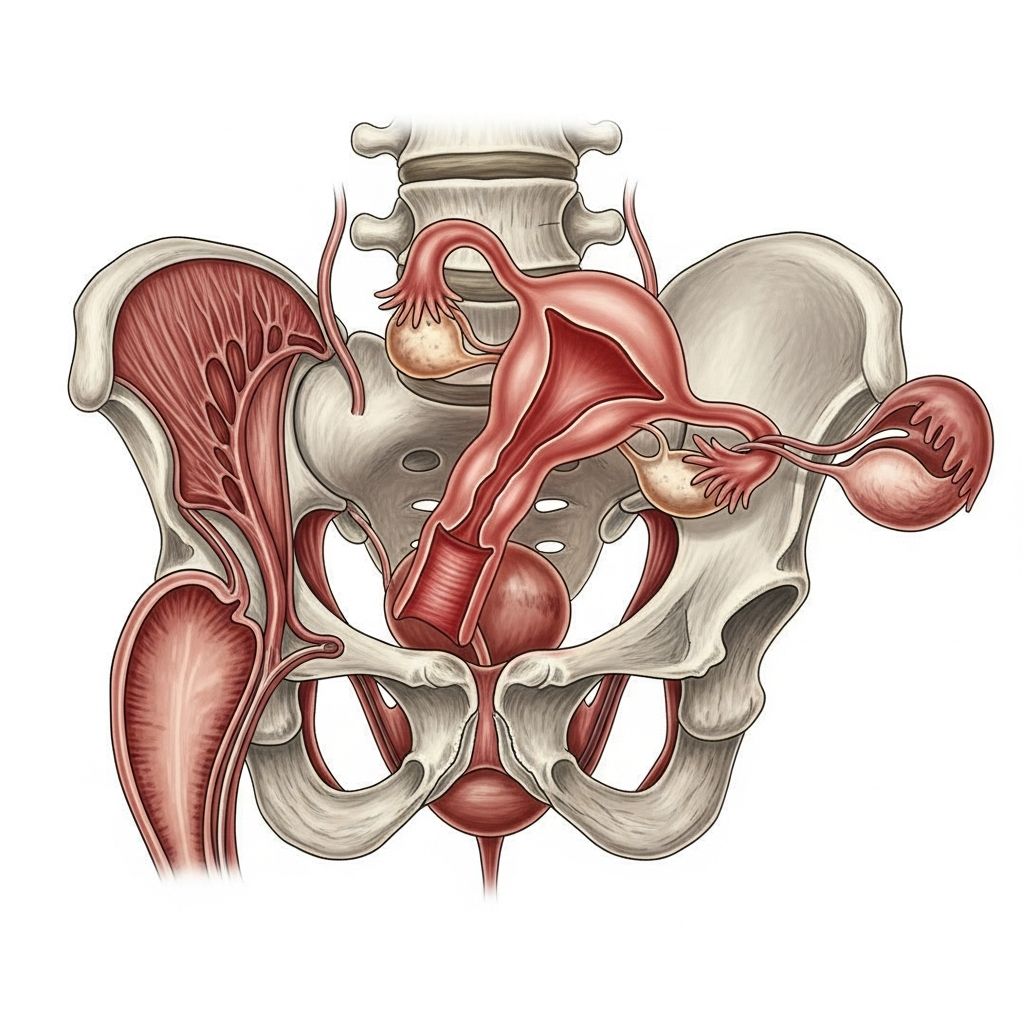
A
retroverted uterus
, also known as a tilted or tipped uterus, is a common anatomical variation where the uterus tilts backward toward the spine or rectum instead of forward toward the abdomen. Affecting approximately 20-25% of women, this condition is usually harmless and asymptomatic, but it can sometimes lead to discomfort during sex, menstruation, or pregnancy.What Is a Retroverted Uterus?
The uterus is a pear-shaped organ in the pelvis that supports pregnancy and menstruation. In most women (about 75%), it is
anteverted
, tilting forward over the bladder toward the belly. In contrast, a retroverted uterus curves backward at the cervix, positioning the fundus (top part) toward the rectum.Visualize the uterus as a U-shape: in retroversion, the curve points toward the lower back, while the cervix faces the belly. This natural variation occurs due to the flexibility of pelvic ligaments.
Symptoms of a Retroverted Uterus
Most women with a retroverted uterus experience no symptoms, as it rarely causes issues on its own. When symptoms arise, they often stem from associated conditions like endometriosis, fibroids, or pelvic adhesions, and may include:
- Painful sexual intercourse (dyspareunia): Particularly in the woman-on-top position, due to pressure on the uterus.
- Period pain (dysmenorrhea): More severe if linked to endometriosis; studies show higher rates in retroverted cases.
- Back or pelvic pain: Chronic discomfort from uterine pressure on surrounding structures.
- Urinary issues: Frequent urination or difficulty emptying the bladder from bladder compression.
- Constipation: Pressure on the rectum.
Symptoms are more prevalent in urogynaecological patients, with one study finding a 34% retroversion rate versus 25% in the general population, often tied to prolapse.
Causes of Retroverted Uterus
Retroversion is often congenital, present from birth due to pelvic development. Acquired causes include:
- Pregnancy and childbirth: Ligaments stretch, sometimes preventing return to anteverted position.
- Endometriosis: Endometrial tissue outside the uterus ‘glues’ it backward.
- Fibroids: Non-cancerous growths altering uterine position.
- Pelvic infections or surgery: Scarring/adhesions fix the uterus.
- Menopause: Weakening ligaments.
In rare cases, pelvic floor dysfunction contributes, with higher prolapse rates in retroverted uteri.
Retroverted Uterus and Fertility
A retroverted uterus does not impair fertility or the ability to conceive. Sperm travel unaffected, and implantation occurs normally. One study confirms no increased infertility risk.
| Aspect | Anteverted Uterus | Retroverted Uterus |
|---|---|---|
| Prevalence | 70-75% | 20-25% |
| Fertility Impact | Normal | Normal, no increased risk |
| Common Position | Forward toward bladder | Backward toward rectum |
Retroverted Uterus and Pregnancy
Generally, retroverted uteri pose no pregnancy risks. By the first trimester’s end (weeks 10-12), the growing uterus shifts forward (version), lifting out of the pelvis.
Potential early issues:
- Increased bladder pressure: Incontinence or urination difficulty.
- Back pain.
- Ultrasound challenges: Transvaginal scans may be needed initially.
Rare complication (**uterine incarceration**, 0.3% of cases): Uterus traps in pelvis (weeks 12-14), causing pain, urinary issues, or miscarriage risk if untreated.
Diagnosis of Retroverted Uterus
Healthcare providers diagnose via:
- Pelvic exam: Feeling cervix/uterus angle.
- Ultrasound: Transvaginal for confirmation, rules out fibroids/endometriosis.
Related Stories



No routine screening; diagnose if symptoms present.
Treatment for Retroverted Uterus
Treatment targets symptoms, not position itself, as it’s usually benign.
- Observation: For asymptomatic cases.
- Pain relief: NSAIDs for dysmenorrhea/dyspareunia.
- Exercises: Knee-to-chest or yoga to strengthen ligaments.
- Pessary: Device repositions uterus.
- Surgery: Uterine suspension for severe cases (e.g., laparoscopic uterosacral ligament plication).
- Treat underlying issues: Endometriosis excision, fibroid removal.
Pregnancy-related incarceration may need manual repositioning or surgery.
When to See a Doctor
Consult if experiencing persistent pelvic pain, painful sex, severe periods, or pregnancy concerns. Early evaluation rules out serious conditions like endometriosis.
Frequently Asked Questions (FAQs)
Is a retroverted uterus normal?
Yes, it’s a common variation in 20-25% of women and usually harmless.
Does retroverted uterus affect getting pregnant?
No, it does not impact fertility or conception rates.
Can a retroverted uterus cause miscarriage?
Not directly; rare incarceration may pose risks, but most pregnancies succeed.
How is retroverted uterus treated?
Treatments include exercises, pessaries, or surgery for symptoms; often none needed.
Does retroverted uterus cause painful periods?
It can if associated with endometriosis, but not alone.
Outlook for Retroverted Uterus
Most women thrive without intervention. Symptom management improves quality of life, and fertility/pregnancy outcomes match anteverted uteri. Regular check-ups ensure associated conditions are addressed promptly.
References
- Retroverted uterus | Better Health Channel — Better Health Channel, State Government of Victoria. 2023. https://www.betterhealth.vic.gov.au/health/conditionsandtreatments/retroverted-uterus
- Retroverted Uterus: Causes, Fertility, Treatment, and More — Healthline. 2023-10-17. https://www.healthline.com/health/womens-health/tilted-uterus
- Retroverted (Tilted) Uterus: Causes, Symptoms & Fertility — Cleveland Clinic. 2023-12-20. https://my.clevelandclinic.org/health/diseases/23426-retroverted-uterus
- Tilted or Retroverted Uterus: Is It Harder To Get Pregnant? — RMA Network. 2022. https://rmanetwork.com/blog/retroverted-uterus-get-pregnant/
- The Retroverted Uterus and Pelvic Floor Dysfunction: 400 BC to Present Day — PMC (NIH). 2023. https://pmc.ncbi.nlm.nih.gov/articles/PMC12618285/
- Retroversion of the uterus — MedlinePlus (NIH). 2023-05-01. https://medlineplus.gov/ency/article/001506.htm
- Retroverted Uterus (Tilted or Tipped Uterus) — News-Medical.net. 2023. https://www.news-medical.net/health/Retroverted-Uterus-(Tilted-or-Tipped-Uterus).aspx
Similar Articles








Read full bio of Sneha Tete