Rezpeg: Reviving an Old Approach for Eczema Relief
Discover how rezpegaldesleukin, a novel immunotherapy, brings rapid itch relief and skin clearance to moderate-to-severe eczema patients with fewer side effects.

Atopic dermatitis, commonly known as eczema, affects millions worldwide, causing persistent itching, dry skin, and inflammation that disrupt daily life. Traditional topical treatments often fall short for moderate-to-severe cases, leading to a demand for systemic options. Enter rezpegaldesleukin (Rezpeg), developed by Nektar Therapeutics, which leverages regulatory T-cell (Treg) modulation—an established immunological concept repurposed for modern eczema therapy. Phase 2 trials demonstrate its ability to deliver rapid itch relief and significant skin improvement, positioning it as a potential breakthrough.
Understanding the Burden of Moderate-to-Severe Eczema
Eczema manifests as red, inflamed patches prone to cracking and infection, with itchiness driving the infamous ‘itch-scratch cycle’ that worsens symptoms. For patients with moderate-to-severe atopic dermatitis, topical corticosteroids and calcineurin inhibitors provide temporary relief but carry risks of skin thinning or limited efficacy over time. Genetic factors exacerbate the condition, making control challenging. Systemic biologics like dupilumab have advanced care, yet side effects such as conjunctivitis remain common. Rezpeg addresses these gaps by targeting immune dysregulation at its root.
How Rezpegaldesleukin Works: Targeting Tregs for Balance
Rezpeg is a pegylated interleukin-2 (IL-2) variant designed to selectively expand regulatory T-cells, which suppress overactive immune responses in eczema. Unlike broad immunosuppressants, this mechanism promotes immune tolerance without broadly dampening defenses, reducing infection risks. Administered subcutaneously, it engages the IL-2 receptor on Tregs, amplifying their anti-inflammatory effects. This ‘old treatment’ revives IL-2’s legacy from cancer therapy, now optimized for dermatology via pegylation for prolonged action and fewer doses.
Key Findings from the REZOLVE-AD Phase 2 Trial
The REZOLVE-AD trial evaluated Rezpeg in adults with moderate-to-severe atopic dermatitis inadequately controlled by topicals. Patients received low, middle, or high doses versus placebo over 16 weeks. Results were compelling:
- EASI Score Improvement: High-dose group saw 61% reduction, middle 58%, low 53%, compared to 31% placebo.
- EASI-75 Achievement: Up to 46% of treated patients reached 75% improvement versus 17% placebo.
- Itch NRS Reduction: Up to 42% achieved ≥4-point drop, signaling meaningful relief, versus 17% placebo.
- vIGA-AD Clear/Almost Clear: 26% in high-dose group versus 8% placebo.
Responses appeared within days, with peak benefits by week 16, effective across eczema severities.
| Endpoint | High Dose | Middle Dose | Low Dose | Placebo |
|---|---|---|---|---|
| EASI % Change | 61% | 58% | 53% | 31% |
| EASI-75 (% patients) | 46% | 42% | 38% | 17% |
| Itch NRS ≥4-pt (%) | 42% | 38% | 35% | 17% |
| Clear/Almost Clear (%) | 26% | 22% | 20% | 8% |
This table summarizes efficacy, highlighting dose-dependent gains.
Safety Profile: A Standout Advantage
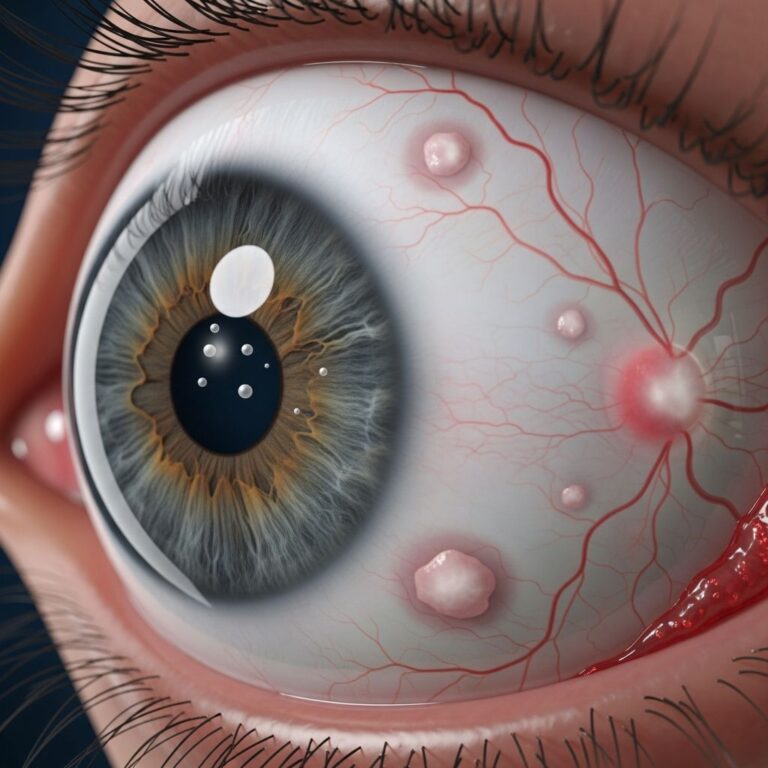
Safety data further elevates Rezpeg. Common adverse events were mild: injection-site reactions (17.1% vs. 2.7% placebo), fever (6.3%), headache (6.3%), and joint pain (5.0%). Serious events occurred in 1.6%, resolving without sequelae. Critically, no elevated rates of conjunctivitis, oral herpes, or ulcers—issues plaguing IL-4/IL-13 inhibitors like dupilumab—were observed. This Treg-specific action avoids class-specific risks, making it suitable for long-term use.
“These data show fast onset of EASI response and itch relief… advantage of broad-based Treg mechanism over other immune-modulation approaches.” – Jonathan Silverberg, MD, PhD, MPH.
Regulatory Momentum and Future Milestones
In February 2025, the FDA granted Fast Track designation for Rezpeg in patients ≥12 years with refractory moderate-to-severe eczema, expediting development. Long-term 52-week data are slated for early 2026, alongside trials for alopecia areata. If Phase 3 succeeds, approval could follow by 2027, expanding options beyond JAK inhibitors and biologics.
Related Stories



Rezpeg in the Broader Eczema Treatment Landscape
The eczema pipeline brims with innovation. Biologics like tralokinumab, lebrikizumab, and nemolizumab target itch cytokines. JAK inhibitors (abrocitinib, upadacitinib) offer orals but with black-box warnings for clots and infections. Topicals like tapinarof and roflumilast tackle mild cases non-steroidally. Rezpeg differentiates via Treg focus, complementing these for personalized regimens.
- Biologics: Dupilumab, nemolizumab (FDA-approved 2024).
- JAK Inhibitors: Ruxolitinib cream, delgocitinib for hands.
- Emerging: OX40 antagonists, TYK2 inhibitors like zasocitinib.
Rezpeg’s rapid action and clean profile could fill gaps for early intervention.
Patient Considerations: Who Might Benefit Most?
Ideal candidates include those failing topicals, experiencing biologic side effects, or needing fast relief. Subcutaneous dosing (weekly initially) suits motivated patients. Monitoring for immunogenicity is standard, though trials showed low antibodies. Adolescents ≥12 may soon access it, addressing pediatric unmet needs.
Challenges and Realistic Expectations
While promising, Rezpeg awaits Phase 3 confirmation. Cost, access, and insurance coverage will influence uptake, akin to Dupixent’s trajectory. Combination therapies—Rezpeg with topicals—may optimize outcomes. Ongoing alopecia trials hint at broader autoimmune utility.
Frequently Asked Questions (FAQs)
What is rezpegaldesleukin?
A pegylated IL-2 therapy expanding Tregs to calm eczema inflammation.
How quickly does Rezpeg work?
Itch relief and skin improvements start within first doses, peaking by week 16.
Is Rezpeg safer than other eczema drugs?
Yes, avoiding conjunctivitis and herpes risks seen in other classes.
When might Rezpeg be available?
Post-Phase 3, potentially 2027, with 2026 long-term data upcoming.
Can Rezpeg treat children?
Trials target ≥12 years; Fast Track includes adolescents.
Looking Ahead: A New Era for Eczema Management
Rezpeg exemplifies how revisiting immune mechanisms yields fresh hope. With robust trial data, FDA momentum, and a favorable profile, it could redefine care for eczema sufferers. Patients should consult dermatologists for tailored plans amid this evolving landscape.
References
- New eczema treatment provides relief in Phase 2 human trials — New Atlas. 2025. https://newatlas.com/disease/rezpegaldesleukin-atopic-dermatitis-immunotherapy-human-trials/
- Eczema Treatment Research Pipeline — National Eczema Society. 2025. https://eczema.org/research/national-eczema-society-and-research/eczema-treatment-research-pipeline/
- Latest Eczema Treatments Offer Hope for a Cure — Wederm. 2025. https://www.wederm.com/blog/latest-new-eczema-treatments-hope-for-cure/
- The “6-7” Advances for Dermatologists to Look Forward to in 2026 — Dermatology Times. 2026-01-25. https://www.dermatologytimes.com/view/the-6-7-advances-for-dermatologists-to-look-forward-to-in-2026
- New Dermatologic Therapies Make Waves at Maui Derm Hawaii 2026 — AJMC. 2026. https://www.ajmc.com/view/new-dermatologic-therapies-make-waves-at-maui-derm-hawaii-2026
- FDA Approves New Treatments for Atopic Dermatitis — National Eczema Association. 2024-12-17. https://nationaleczema.org/blog/author/nea_administrator/
Similar Articles








Read full bio of medha deb