Rh Factor: Understanding Blood Type Compatibility
Learn about Rh factor, its role in blood compatibility, and its impact on pregnancy.
What Is Rh Factor?
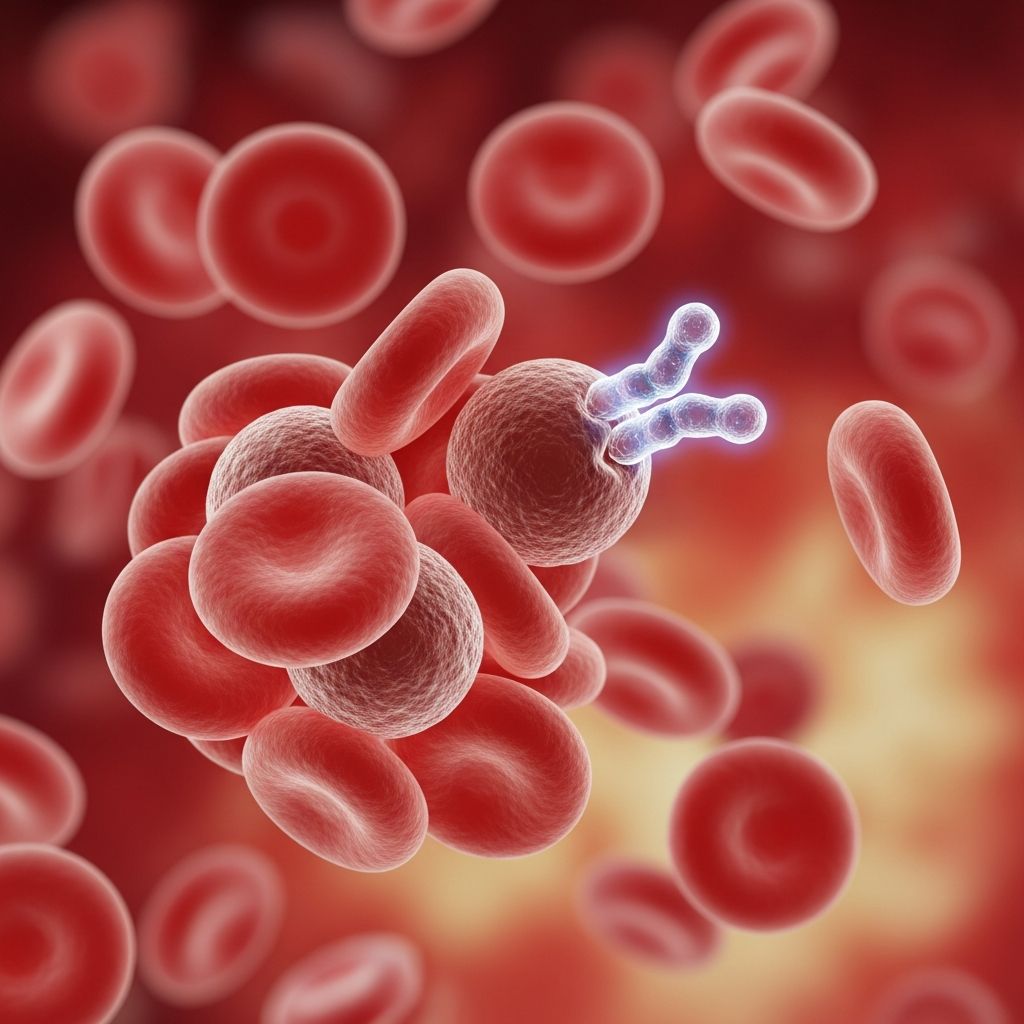
The Rh factor is an inherited protein found on the surface of red blood cells that plays a crucial role in determining blood compatibility. When you have this protein, your blood type is classified as Rh positive. If your blood lacks this protein, your blood type is classified as Rh negative. The designation “Rh” comes from the rhesus monkey, whose blood was used in the original testing to identify this antigen in human blood.
Your Rh status is indicated by the “+” or “-” symbol that appears after your primary blood type designation (A, B, AB, or O). So you might have a blood type like O+, A-, B+, or AB-, with the symbol indicating your Rh factor status. This protein is inherited from your parents at birth, meaning your Rh status is determined by your genetics and remains constant throughout your lifetime.
Rh Positive vs. Rh Negative
Approximately 85% of people are Rh positive, while only about 15% are Rh negative. Rh positive is therefore considered the dominant trait and is much more common across the global population. The prevalence varies slightly among different ethnic groups, with some populations having higher percentages of Rh negative individuals than others.
It is important to note that having an Rh negative blood type is not an illness, and in most cases, it does not affect your health in daily life. You can live a completely normal, healthy life as an Rh negative person. However, Rh status becomes medically significant in two primary situations: during blood transfusions and during pregnancy.
History and Discovery
The Rh blood group system was discovered in 1940 by Karl Landsteiner and A.S. Weiner. This groundbreaking discovery fundamentally changed how we understand blood compatibility and transfusion safety. Since that initial discovery, scientists have identified more than 50 different Rh antigens, though the first and most common one, called RhD, causes the most severe immune reaction and remains the primary determinant of the Rh trait.
Rh Factor and Blood Transfusions
The Rh factor becomes medically important when receiving blood transfusions. If you are Rh negative and receive Rh positive blood, your immune system may recognize the Rh antigen as foreign and mount an immune response. This compatibility issue can have serious consequences.
What Happens During Rh Incompatible Transfusion
During the first transfusion of Rh incompatible blood, adverse effects may not occur immediately. However, your immune system will respond to the foreign Rh antigen by producing anti-Rh antibodies. These antibodies are your body’s defense mechanism against what it perceives as an invader.
The critical problem arises if an Rh negative person receives Rh positive blood a second time after antibodies have already formed. The anti-Rh antibodies will attack the foreign red blood cells, causing them to clump together in a process called agglutination. This results in hemolysis, or the destruction of the red blood cells. The hemolysis causes serious illness and can sometimes result in death if not treated promptly.
Related Stories



Prevention and Safe Transfusion Practices
Modern blood banking practices prevent this dangerous scenario by carefully matching blood types before transfusions. Blood banks maintain detailed records of donor blood types and test recipient blood types to ensure compatibility. Emergency situations have protocols in place to provide O negative blood, which is considered the universal donor type.
Rh Factor and Pregnancy
The most significant clinical concern regarding Rh factor status occurs during pregnancy when there is Rh incompatibility between mother and baby. This situation develops when an Rh negative mother carries an Rh positive fetus.
How Rh Incompatibility Develops
A baby inherits the Rh factor from either parent. If the mother is Rh negative and the father is Rh positive, the baby has a possibility of being Rh positive. During pregnancy, particularly during delivery, fetal blood can enter the maternal circulation. If the fetus is Rh positive and the mother is Rh negative, the mother’s immune system recognizes the Rh antigen as foreign.
The mother’s immune system then produces anti-Rh antibodies designed to eliminate what it perceives as foreign cells. While these antibodies typically do not significantly harm the first Rh positive baby, they pose a serious threat to subsequent Rh positive pregnancies.
Erythroblastosis Fetalis
In subsequent pregnancies, the mother’s anti-Rh antibodies can cross the placenta and attack the Rh positive fetus’s red blood cells. This process produces erythroblastosis fetalis, also known as hemolytic disease of the newborn. This condition can be fatal to the fetus or to the infant shortly after birth.
Hemolytic disease of the newborn occurs when the maternal antibodies destroy fetal red blood cells faster than new ones can be produced. This leads to severe anemia in the fetus, jaundice, and potentially serious complications including hydrops fetalis, a life-threatening condition characterized by excessive fluid accumulation.
Treatment and Management
Treatment of erythroblastosis fetalis usually involves one or more exchange transfusions, where the infant’s blood is gradually replaced with compatible blood. However, prevention is far more effective and safer than treatment after the disease has developed.
Prevention With Rh Immunoglobulin
The disease can be effectively prevented by vaccinating the mother with Rh immunoglobulin after delivery of her first baby if there is Rh incompatibility. The Rh vaccine works by destroying any fetal blood cells that may have entered the maternal circulation before the mother’s immune system can develop antibodies against them.
Rh immunoglobulin may also be recommended during pregnancy in situations where fetal blood might enter maternal circulation, such as:
- Bleeding during pregnancy
- Injury or other trauma to the abdomen during pregnancy
- External manual rotation of a baby in a breech position before labor
- Miscarriage, ectopic pregnancy, or abortion
Testing for Rh Factor
If you are pregnant or planning to become pregnant, your healthcare provider will advise that you have a blood type and Rh factor screening test during your first prenatal visit. This test determines whether you are Rh positive or Rh negative and helps identify pregnancies that require special care and monitoring.
The Testing Process
The Rh factor test is straightforward. A healthcare provider takes a sample of blood and sends it to a laboratory for analysis. The lab tests for the presence or absence of the Rh antigen on your red blood cells. The test itself requires no special preparation—you can eat, drink, and do all your usual activities as normal.
Test Results Interpretation
Your results will indicate whether you are Rh positive or Rh negative. If you are an Rh negative person planning pregnancy or currently pregnant, your provider will need to know the Rh status of your partner or the baby’s father if possible. This information helps determine the risk level for Rh incompatibility.
Special Situations During Pregnancy
For Rh negative pregnant individuals, healthcare providers monitor closely for situations where fetal-maternal hemorrhage might occur. If antibody screening shows that an Rh negative mother is already producing anti-Rh antibodies, an injection of Rh immune globulin will not help because sensitization has already occurred. In these cases, the baby will be carefully monitored throughout the pregnancy.
Additional Monitoring and Interventions
If an Rh negative mother has already developed anti-Rh antibodies, the baby might be given a blood transfusion through the umbilical cord during pregnancy or immediately after delivery if necessary. Close fetal monitoring helps determine the severity of hemolysis and the need for intervention.
Understanding Golden Blood
While most people have either Rh positive or Rh negative blood, there exists an extraordinarily rare blood type called “golden blood” or Rh null blood. This blood type lacks any of the Rh antigens that are usually present in blood. Fewer than 50 people around the world are known to have this blood type, making it exceptionally rare.
Rh null blood is scientifically interesting because while RhD is the most commonly tested Rh antigen, there are actually more than 50 different Rh antigens. People with golden blood lack all of them, which makes their blood universally compatible with all Rh types in theory, though the rarity of this blood type makes it primarily of scientific interest.
Blood Type Classification System
Your complete blood type is determined by two systems working together. Blood bank specialists first determine whether you have antigen A or B on your red blood cells, which gives you your primary blood type: A, B, AB, or O. They then test for the Rh factor protein and classify your blood as positive if you have it or negative if you do not.
This classification system allows healthcare providers to determine whether your blood is compatible or incompatible with someone else’s blood, which is essential for safe transfusions and managing pregnancy complications.
Key Takeaways About Rh Factor
- The Rh factor is an inherited protein on red blood cells determining Rh positive or Rh negative status
- Approximately 85% of people are Rh positive; 15% are Rh negative
- Having Rh negative blood is not an illness and typically does not affect daily health
- Rh incompatibility matters primarily during blood transfusions and pregnancy
- Rh negative individuals should receive only Rh negative or O negative blood
- Rh negative pregnant individuals carrying Rh positive babies need special monitoring and preventive treatment
- Rh immunoglobulin can prevent sensitization in Rh negative mothers after first pregnancy
Frequently Asked Questions
Q: Can my Rh factor status change during my lifetime?
A: No, your Rh factor status is determined by your genetics at birth and remains constant throughout your life. It cannot change.
Q: If I am Rh negative, can I safely receive blood from an Rh positive person?
A: This depends on your transfusion history. If you have never received Rh positive blood before, it may be tolerated the first time, but you will develop antibodies. Subsequent Rh positive transfusions can be dangerous. Always inform healthcare providers of your Rh status.
Q: What happens if an Rh negative woman has a miscarriage of an Rh positive baby?
A: An Rh negative woman should receive Rh immunoglobulin after a miscarriage of an Rh positive baby to prevent sensitization and protect future pregnancies.
Q: Is Rh incompatibility a problem if both parents are Rh negative?
A: No. If both parents are Rh negative, the baby will definitely be Rh negative, and there is no Rh incompatibility concern.
Q: How often should an Rh negative pregnant woman receive Rh immunoglobulin?
A: Timing depends on circumstances. Routine administration is typically recommended at 28 weeks of pregnancy and again after delivery if needed. Additional doses may be given if events occur that could cause fetal-maternal hemorrhage.
Q: Can I find out my baby’s Rh status before birth?
A: Yes, your healthcare provider can perform prenatal testing, though it is usually only done if medically necessary. The Rh status of the father can also help predict the likelihood of an Rh positive baby.
References
- Rh Blood Group System — Britannica. Accessed December 2024. https://www.britannica.com/science/Rh-blood-group-system
- Rh Factor Blood Test — Mayo Clinic. Accessed December 2024. https://www.mayoclinic.org/tests-procedures/rh-factor/about/pac-20394960
- What Is ‘Golden Blood’? And Why Is It So Rare? — Cleveland Clinic. Accessed December 2024. https://health.clevelandclinic.org/golden-blood
- Blood Types: What They Are and Mean for Your Health — Cleveland Clinic. Accessed December 2024. https://my.clevelandclinic.org/health/treatments/21213-blood-types
- Rh Factor Test – Rh Sensitization During Pregnancy — WebMD. Accessed December 2024. https://www.webmd.com/baby/rh-factor
Similar Articles








Read full bio of medha deb