Understanding Rh Incompatibility in Pregnancy
Learn how blood type differences affect pregnancy and what preventive measures exist.
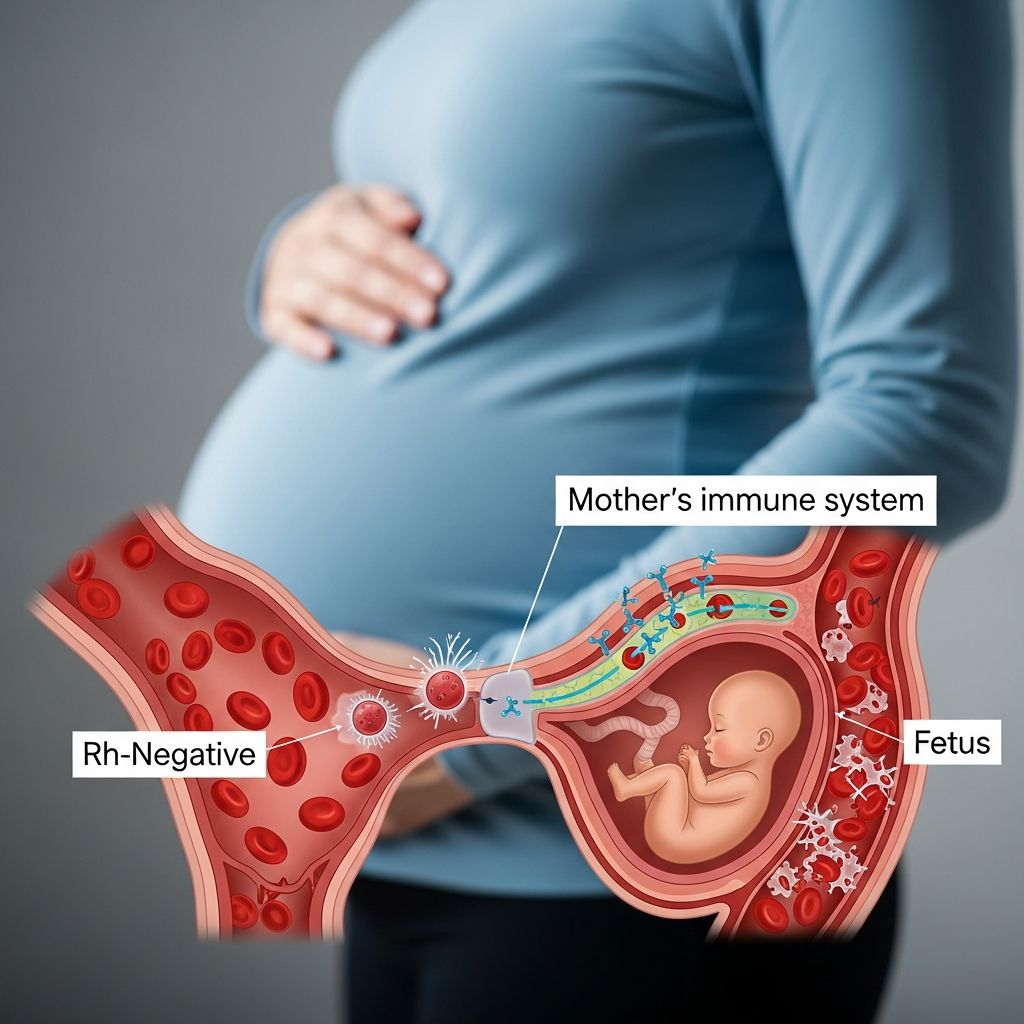
Pregnancy brings numerous health considerations, and one important factor that affects maternal and fetal health is blood type compatibility. Rh incompatibility occurs when an expectant mother has Rh-negative blood while her developing fetus carries Rh-positive blood. This mismatch triggers an immune response that, if left unmanaged, can lead to serious complications for the baby. Understanding this condition, its mechanisms, and available preventive measures is essential for all pregnant individuals and those planning pregnancy.
The Fundamentals of Rh Factor
Blood type classification extends beyond the familiar ABO system. The Rh factor represents a protein present on the surface of red blood cells. This genetic trait is inherited from parents and determines whether someone is classified as Rh-positive (possessing the protein) or Rh-negative (lacking the protein). Approximately 85% of the population carries the Rh-positive designation, while 15% are Rh-negative.
A person’s complete blood type includes both the ABO classification and the Rh factor. For example, someone might have O-positive blood (O type with Rh factor) or B-negative blood (B type without Rh factor). The presence or absence of this protein does not affect a person’s overall health or daily functioning—until pregnancy enters the equation for Rh-negative individuals.
How Rh Incompatibility Develops
During a typical pregnancy, maternal and fetal blood systems remain separated by the placenta. However, circumstances can cause these normally isolated blood systems to mix. When an Rh-negative woman carries an Rh-positive fetus and blood mixing occurs, her immune system perceives the fetal blood cells as foreign invaders.
In response to this perceived threat, the mother’s immune system produces anti-Rh antibodies—specialized proteins designed to attack and destroy the Rh-positive blood cells. This process is called Rh sensitization. Once these antibodies form, they remain permanently in the mother’s circulation.
Common scenarios where blood mixing can occur include:
- Labor and delivery (the most frequent occurrence)
- Invasive prenatal diagnostic procedures such as amniocentesis
- Vaginal bleeding during pregnancy
- Medical procedures to reposition the baby (external cephalic version)
- Abdominal trauma or injury
- Miscarriage or abortion of an Rh-positive pregnancy
- Ectopic pregnancy
Why the First Pregnancy Is Usually Safe
A critical aspect of Rh incompatibility is its timing. During the first pregnancy, maternal sensitization typically occurs during labor and delivery when fetal and maternal blood come into direct contact. Since antibodies develop after delivery, the first baby usually remains unaffected. This timing provides a crucial window for intervention to prevent complications in subsequent pregnancies.
However, if blood mixing occurs earlier in pregnancy—such as through procedures or trauma—sensitization can happen before delivery, putting even the first fetus at risk.
Potential Complications for the Baby
The consequences of untreated Rh incompatibility can be severe for subsequent pregnancies. When an Rh-sensitized woman becomes pregnant again with an Rh-positive fetus, her existing antibodies cross the placenta and attack fetal red blood cells. This immune attack triggers a cascade of potentially dangerous effects.
Hemolytic Anemia
Hemolytic anemia represents the primary complication of Rh disease. In this condition, maternal antibodies destroy fetal red blood cells faster than the baby’s body can produce replacements. Red blood cells carry oxygen throughout the body, so their destruction compromises oxygen delivery to vital organs.
Related Stories



The severity of hemolytic anemia ranges from mild to life-threatening. Mild cases may cause no symptoms and resolve naturally after birth. Severe cases can result in organ damage or fetal death.
Jaundice
When fetal red blood cells break down, they release hemoglobin into the bloodstream. This hemoglobin metabolizes into bilirubin, a yellow pigment that accumulates in the baby’s tissues. The visible result is jaundice—yellowing of the skin and whites of the eyes. While mild jaundice is common in newborns, jaundice from Rh disease can develop more severely and earlier.
Additional Serious Complications
Beyond anemia and jaundice, untreated Rh disease can affect multiple organ systems. The deprivation of oxygen caused by hemolytic anemia can damage the brain, liver, and heart. Specific neurological conditions include kernicterus (permanent brain damage from bilirubin accumulation) and hypoxic-ischemic encephalopathy (brain injury from oxygen deprivation). In severe cases, Rh disease can be fatal.
Identifying Risk Factors
Certain circumstances increase the likelihood of Rh incompatibility affecting a pregnancy:
- Mother’s Rh-negative blood status
- Partner or baby’s Rh-positive blood type
- Previous pregnancy with an Rh-positive baby
- Prior miscarriage or termination of an Rh-positive pregnancy
- History of ectopic pregnancy with Rh-positive fetus
- Transfusion with incompatible blood
- Use of contaminated medical equipment
An Rh-negative woman carrying a baby fathered by an Rh-positive man faces a 50% or greater chance that her baby will be Rh-positive. These risk factors help guide preventive care decisions.
Prevention Through RhoGAM and Immune Globulin
Modern medicine offers highly effective prevention for Rh incompatibility through Rh immune globulin (also marketed as RhoGAM). This medication works by preventing the mother’s immune system from developing antibodies against Rh-positive blood.
The treatment is administered as an injection and is remarkably successful when given appropriately. Immune globulin must be administered before the mother’s body develops Rh antibodies. Once antibodies have formed, immune globulin cannot prevent their effects on future pregnancies.
Standard Dosing Schedule
Standard prenatal care includes immune globulin administration at specific intervals for all Rh-negative pregnant women:
- At 28 weeks of pregnancy as routine prenatal care
- Within 72 hours of delivery
- Within 72 hours following any blood-mixing event (amniocentesis, trauma, miscarriage, etc.)
The postpartum dose depends on the amount of fetal blood in maternal circulation and is calculated through blood testing.
Screening and Early Detection
Detecting Rh incompatibility early in pregnancy represents the foundation of prevention success. All pregnant women receive blood type and Rh screening as part of routine prenatal care. This initial screening identifies Rh-negative women who require special attention throughout pregnancy.
Beyond basic blood typing, Rh-negative women may undergo additional screening tests, particularly if previous sensitization is suspected. These tests detect the presence of Rh antibodies, informing treatment decisions and fetal monitoring intensity.
Management During Pregnancy
Comprehensive care for Rh-incompatible pregnancies involves coordinated monitoring and intervention:
- Regular antibody screening: Blood tests monitor whether Rh antibodies are present or developing
- Fetal monitoring: Ultrasound evaluates fetal blood flow and organ function
- Timely immune globulin administration: Injection at 28 weeks prevents sensitization
- Immediate treatment of complications: Events causing blood mixing trigger prompt immune globulin administration
When sensitization has already occurred, more intensive monitoring may include specialized ultrasound techniques to assess fetal anemia severity and determine whether intrauterine transfusion is necessary.
Impact on Maternal Health
An important clarification: Rh incompatibility does not affect the pregnant woman’s health. The condition affects only the fetus, not the mother. The mother’s body remains healthy throughout the pregnancy despite the antibody production. This distinction helps explain why prevention focuses entirely on protecting the baby rather than treating maternal complications.
When Blood Types Are Compatible
Women who are Rh-positive face no special Rh-incompatibility concerns, regardless of baby’s blood type. Additionally, Rh-negative women carrying Rh-negative babies need not worry about Rh disease since compatible blood types prevent immune reactions. Only the specific pairing of Rh-negative mother with Rh-positive baby creates the incompatibility scenario.
Planning for Multiple Pregnancies
For Rh-negative women planning multiple pregnancies, the stakes increase with each Rh-positive baby. Proper prevention with the first pregnancy is critical because each additional Rh-positive pregnancy increases the risk of complications if the mother has already become sensitized. Consistent immune globulin administration with each pregnancy and after any blood-mixing event maintains protection.
Questions About Rh Incompatibility
- Can Rh incompatibility be cured?
- Once antibodies develop, they cannot be reversed. Prevention through immune globulin before sensitization occurs is the primary strategy. Once sensitized, management focuses on monitoring and treating complications.
- Is Rh incompatibility hereditary?
- The Rh factor itself is inherited, but Rh incompatibility is not hereditary in the traditional sense. Rather, any Rh-negative woman faces the same incompatibility risk with Rh-positive pregnancies.
- What happens if immune globulin is not administered?
- Without immune globulin, Rh-negative women exposed to Rh-positive blood develop antibodies that can severely affect subsequent Rh-positive pregnancies. Complications can range from anemia to fetal death.
- Can the baby survive Rh disease?
- Modern medical interventions, including intrauterine transfusion and intensive neonatal care, have significantly improved survival rates. Many babies with mild to moderate Rh disease recover fully. However, severe untreated cases remain potentially fatal.
The Importance of Early Prenatal Care
The most effective defense against Rh incompatibility complications is consistent prenatal care from the earliest weeks of pregnancy. Early blood typing identifies Rh-negative status, allowing preventive measures to begin immediately. For Rh-negative women, this means receiving immune globulin at the standard 28-week interval and promptly after any potential blood-mixing event.
Modern obstetric practice has made Rh incompatibility a largely preventable condition. With proper screening, appropriate immune globulin administration, and coordinated prenatal care, Rh-negative women can successfully carry multiple healthy Rh-positive pregnancies.
References
- Rh Incompatibility Screening: Causes, Symptoms, Prevention — All About Women MD. https://www.allaboutwomenmd.com/knowledge-center/rh-incompatibility-screening.html
- Rhesus (Rh) Factor Incompatibility in Pregnancy — KidsHealth. https://kidshealth.org/en/parents/rh.html
- Rhesus (Rh) Factor: Incompatibility, Complications & Pregnancy — Cleveland Clinic. https://my.clevelandclinic.org/health/diseases/21053-rh-factor
- Rh Incompatibility as a Pregnancy Complication — ABC Law Centers. https://www.abclawcenters.com/practice-areas/rh-incompatibility/
- The Rh Factor: How It Can Affect Your Pregnancy — American College of Obstetricians and Gynecologists (ACOG). https://www.acog.org/womens-health/faqs/the-rh-factor-how-it-can-affect-your-pregnancy
- Rh Incompatibility – Erythroblastosis Fetalis — MedlinePlus. https://medlineplus.gov/rhincompatibility.html
- Rh Incompatibility and Other Blood Group Issues — UC Davis Health. https://health.ucdavis.edu/conditions/rh-incompatibility
Similar Articles








Read full bio of Sneha Tete