Rhabdomyolysis: Symptoms, Causes, Treatment
Understand rhabdomyolysis: a serious condition from muscle breakdown that can lead to kidney damage. Learn symptoms, causes, diagnosis, and treatment strategies.
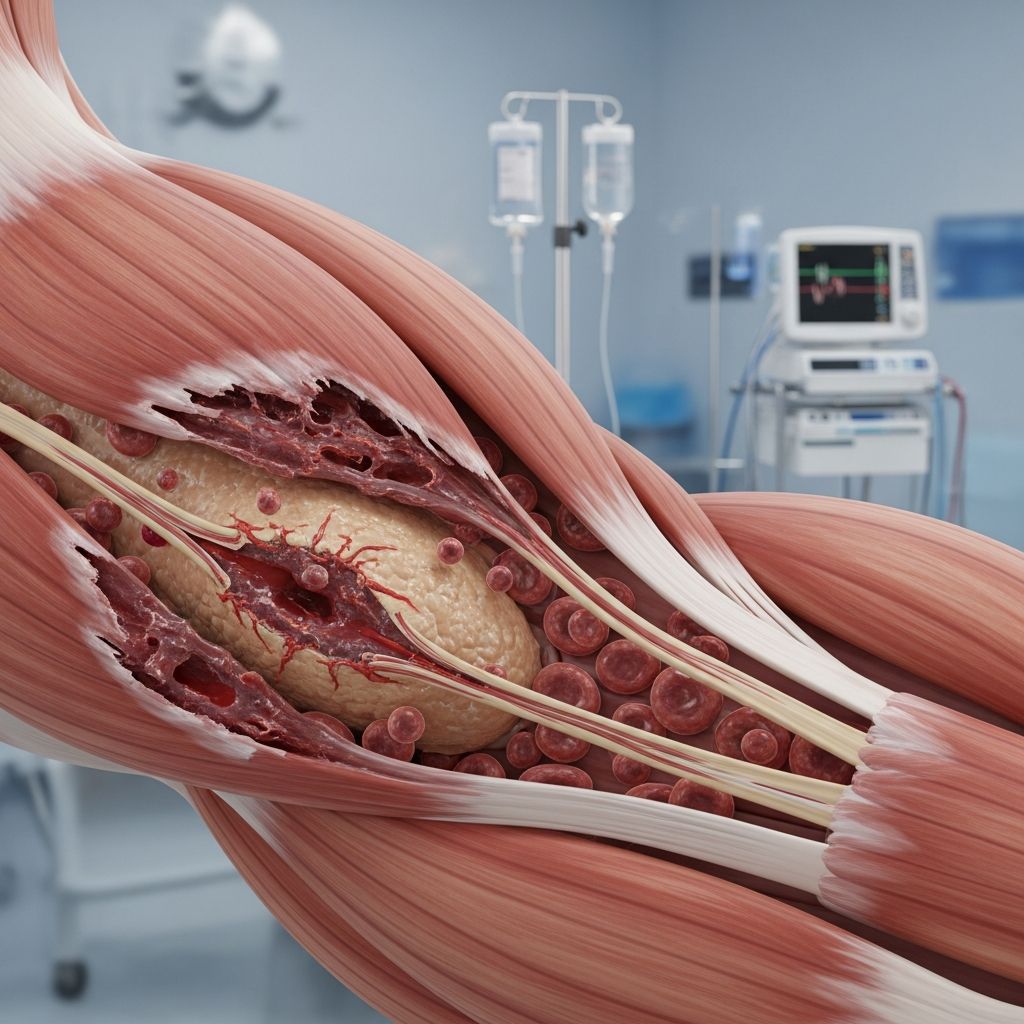
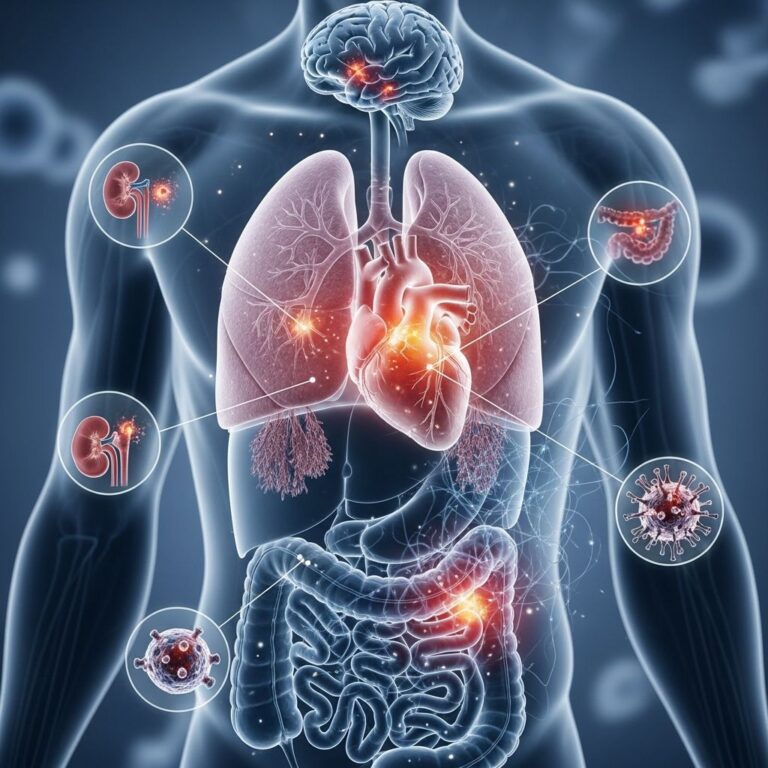
Rhabdomyolysis is a serious medical condition characterized by the rapid breakdown of skeletal muscle tissue, releasing intracellular contents like myoglobin, creatine kinase (CK), electrolytes, and other proteins into the bloodstream. This can lead to life-threatening complications, particularly acute kidney injury (AKI).
What Is Rhabdomyolysis?
Rhabdomyolysis, derived from Greek words meaning ‘muscle breakdown,’ occurs when damaged skeletal muscle cells disintegrate, spilling toxic components into circulation. Myoglobin, a muscle protein, is filtered by the kidneys but in high amounts causes tubular obstruction and damage, potentially leading to kidney failure. Other released substances include potassium, phosphate, and CK, which can cause hyperkalemia, hyperphosphatemia, and cardiac arrhythmias.
The condition ranges from mild, asymptomatic elevations in CK to severe cases with multi-organ failure. Annually, about 26,000 cases are reported in the U.S., often linked to trauma, exertion, or drugs. Early recognition is crucial as prompt treatment can prevent long-term damage.
Symptoms of Rhabdomyolysis
The classic triad—muscle pain, weakness, and dark ‘tea- or cola-colored’ urine from myoglobinuria—appears in less than 50% of cases. Symptoms vary by severity and cause.
- Muscle-related: Pain (myalgia, in ~50% of adults), weakness (especially proximal muscles), stiffness, cramps, swelling, tenderness, bruising.
- Urine changes: Dark red, brown, or cola-colored urine (30-40% of cases), decreased output.
- Systemic: Fatigue, malaise, fever, nausea, vomiting, abdominal pain, confusion, agitation, delirium.
In exertional cases, symptoms may follow intense exercise; in trauma, local swelling predominates. Compartment syndrome, with severe pain, paresthesia, and pulselessness, is a surgical emergency if pressures exceed 30 mm Hg.
| Local Symptoms | Systemic Symptoms |
|---|---|
| Muscle pain, tenderness | Tea-colored urine |
| Swelling, bruising | Fever, malaise |
| Weakness | Nausea, emesis |
| Confusion, delirium |
Weakness affects proximal muscles most; nonspecific symptoms like palpitations may signal electrolyte shifts.
Causes of Rhabdomyolysis
Causes are classified as traumatic (direct muscle injury) or nontraumatic. More than 100 g of muscle damage saturates haptoglobin, freeing myoglobin to harm kidneys.
Traumatic Causes
- Crush injuries, prolonged immobilization, compartment syndrome.
- Prolonged surgery, ischemia (e.g., vascular occlusion).
Nontraumatic Causes
- Exertional: Extreme exercise (marathons, military training), especially in heat or dehydration.
- Drugs/Toxins: Statins, cocaine, amphetamines, heroin, alcohol, antipsychotics.
- Metabolic/Electrolyte: Hypokalemia, hypophosphatemia, hypothyroidism, diabetic ketoacidosis.
- Infections: Viral (influenza, COVID-19), bacterial.
- Neurologic: Seizures, status epilepticus, stroke.
- Genetic: Metabolic myopathies (e.g., McArdle disease).
- Environmental: Heatstroke, hypothermia, electrical injury.
Statins increase risk, especially with exercise or fibrates. Exertional rhabdomyolysis is rising in active duty military.
Rhabdomyolysis Diagnosis
Diagnosis combines history, exam, and labs. CK >5 times upper normal limit (typically >5000 U/L for systemic effects) is hallmark, peaking 24-72 hours post-injury.
- Key Labs: Serum CK (most sensitive), myoglobin (urine/serum), urinalysis (blood without RBCs indicates myoglobin), electrolytes (K+, PO4, Ca2+), BUN/creatinine, LDH, AST/ALT.
- Imaging: MRI for muscle edema; compartment pressure measurement (>30 mm Hg urgent).
- Other: ECG for hyperkalemia (peaked T-waves), biopsy rare.
Dark urine with CK elevation confirms; rule out hematuria.
Treatment and Management
Treatment focuses on aggressive hydration to prevent AKI, correcting electrolytes, and addressing cause. Goal: urine output 200-300 mL/hr, CK <5000 U/L.
Related Stories



- Hydration: IV normal saline 1.5 L/hr initially, then adjust. Mannitol or bicarbonate for alkalinization if pH <6.5 (controversial).
- Electrolytes: Treat hyperkalemia (insulin/glucose, calcium), hypocalcemia cautiously.
- Supportive: Monitor for AKI (dialysis if needed), DIC, arrhythmias.
- Surgical: Fasciotomy for compartment syndrome.
Remove inciting factor (stop statins, hydrate athletes). Most recover fully with early intervention.
Complications
Untreated, risks include:
- AKI (up to 50%, from myoglobin cast formation).
- Hyperkalemia (arrhythmias, cardiac arrest).
- Compartment syndrome (irreversible necrosis if >6 hrs delay).
- DIC, acute respiratory distress, multi-organ failure.
Prevention
Avoid triggers:
- Athletes: Gradual training, hydration, rest; monitor high-risk (e.g., sickle cell trait).
- Medications: Statin caution in elderly/dehydrated.
- General: Treat electrolytes, avoid extremes of exertion/temperature.
Education in military reduces incidence.
Frequently Asked Questions (FAQs)
What does rhabdomyolysis urine look like?
Dark, tea- or cola-colored due to myoglobinuria, not blood.
Can you recover from rhabdomyolysis?
Yes, most fully recover with prompt hydration; severe cases may need dialysis.
Is rhabdomyolysis from working out common?
Exertional cases occur, especially intense unaccustomed exercise; preventable with pacing.
How high CK for rhabdomyolysis?
>5x upper limit; >5000 U/L risks complications.
Does rhabdomyolysis go away on its own?
No, requires medical treatment to prevent kidney damage.
References
- Rhabdomyolysis – StatPearls — NCBI Bookshelf / NIH. 2023-07-17. https://www.ncbi.nlm.nih.gov/books/NBK448168/
- Rhabdomyolysis: Symptoms, Causes & Treatments — Cleveland Clinic. 2023-10-12. https://my.clevelandclinic.org/health/diseases/21184-rhabdomyolysis
- Rhabdomyolysis — American Family Physician (AAFP). 2002-03-01. https://www.aafp.org/pubs/afp/issues/2002/0301/p907.html
- Rhabdomyolysis — MedlinePlus / NIH. 2023-11-05. https://medlineplus.gov/ency/article/000473.htm
- Exertional Rhabdomyolysis Among Active Component Members — Health.mil / DoD. 2024-04-01. https://health.mil/News/Articles/2024/04/01/MSMR-Rhabdomyolysis-2024
Similar Articles








Read full bio of Sneha Tete