Rheumatic Heart Disease: Causes, Symptoms & Treatment
Understanding rheumatic heart disease: prevention, diagnosis, and comprehensive management strategies.
Understanding Rheumatic Heart Disease
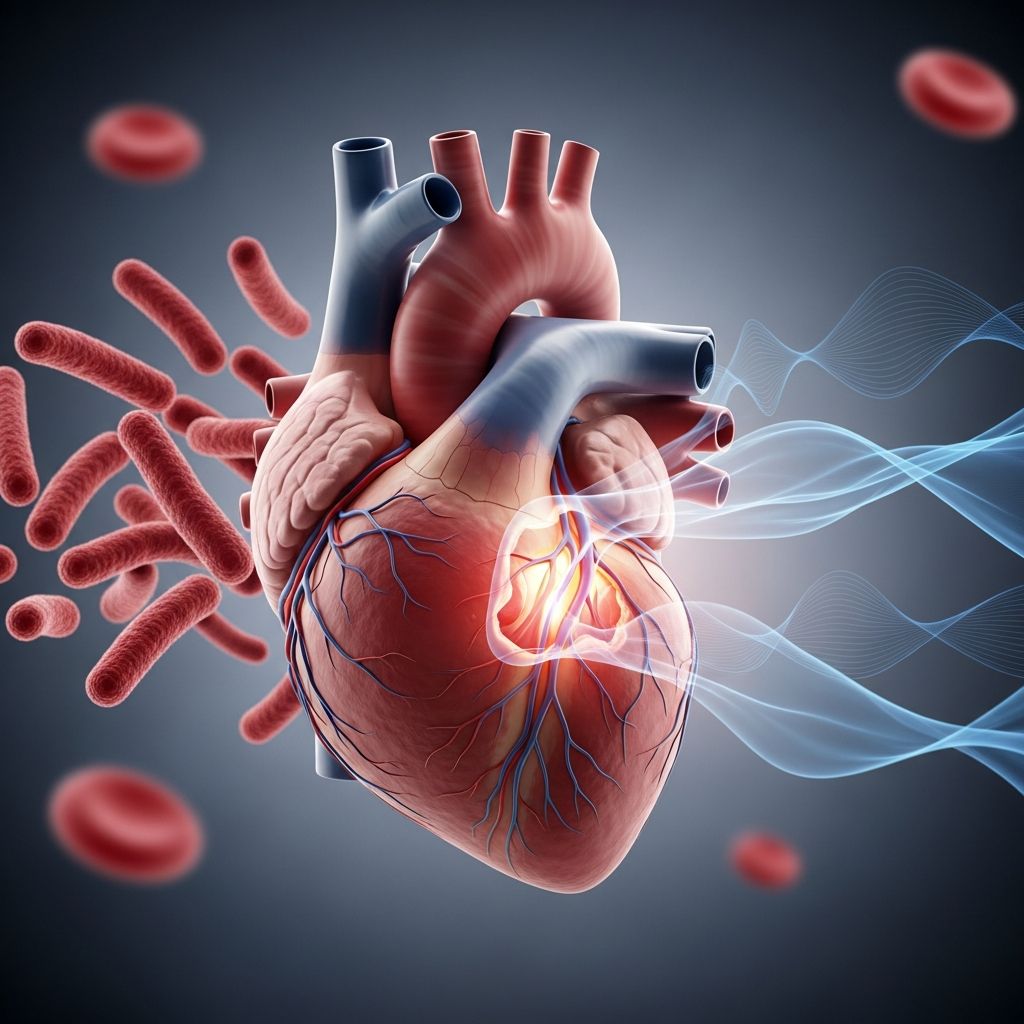
Rheumatic heart disease (RHD) is a serious and often permanent condition that develops as a complication of acute rheumatic fever (ARF), an inflammatory disease that can follow a group A streptococcal infection. This condition primarily affects the heart valves, potentially causing significant damage that may require ongoing medical management or surgical intervention. Rheumatic heart disease remains a significant public health concern, particularly in low-income countries and among certain populations, making understanding this condition essential for both patients and healthcare providers.
What Causes Rheumatic Heart Disease?
Rheumatic heart disease develops when acute rheumatic fever damages the heart’s valves, typically following inadequately treated or untreated streptococcal throat infections. When group A streptococcal bacteria infect the throat, the body’s immune system may respond abnormally, attacking not only the bacteria but also the heart tissue itself. This cross-reactive immune response can lead to inflammation of the heart muscle and valve tissue, potentially causing permanent scarring and structural damage.
The risk of developing rheumatic heart disease following acute rheumatic fever varies significantly based on the severity of the initial infection. If no carditis (heart inflammation) occurs during the initial ARF episode, the risk of developing RHD is relatively low at approximately 6 percent. However, this risk escalates dramatically to between 40 and 65 percent for individuals who experienced heart murmurs or congestive heart failure during their initial ARF presentation.
Several factors influence the development and severity of rheumatic heart disease, including the frequency of streptococcal infections, the adequacy of treatment with antibiotics, environmental factors, and individual genetic susceptibility. Repeated streptococcal infections significantly increase the risk of recurrent acute rheumatic fever episodes and progressive valve damage.
Recognizing Symptoms and Manifestations
The symptoms of rheumatic heart disease vary depending on which heart valves are affected and the extent of the damage. Some individuals may experience no symptoms initially, while others may develop significant cardiac complications. Common symptoms include:
- Shortness of breath, particularly during physical activity or when lying flat
- Chest pain or discomfort
- Palpitations or irregular heartbeats
- Swelling in the legs, ankles, or abdomen
- Fatigue and weakness
- Heart murmurs detected during physical examination
- Difficulty with physical exertion or reduced exercise tolerance
The severity of symptoms often correlates with the degree of valve damage and the heart’s ability to pump blood effectively. Some patients may experience progressive worsening of symptoms over time, while others may remain relatively stable with appropriate management.
Diagnostic Approach to RHD
Accurate diagnosis of rheumatic heart disease requires a comprehensive evaluation combining clinical examination, laboratory testing, and imaging studies. Healthcare providers use multiple diagnostic tools to assess the extent of valve damage and determine the appropriate treatment strategy.
Clinical Examination
During a physical examination, physicians listen carefully for characteristic heart murmurs and other abnormal sounds that may indicate valve dysfunction. A heart murmur caused by rheumatic damage produces specific acoustic patterns that differ from other causes of murmurs. Additionally, healthcare providers assess for signs of heart failure, including swelling and fluid accumulation.
Laboratory Tests
Laboratory investigations help identify evidence of streptococcal infection and inflammation:
Related Stories



- Throat cultures to identify group A streptococcal infection
- Blood tests measuring inflammatory markers such as erythrocyte sedimentation rate (ESR) and C-reactive protein (CRP)
- Streptococcal serology to detect antibodies against streptococcal antigens
Imaging Studies
Advanced imaging provides detailed information about valve structure and cardiac function:
- Echocardiography: Ultrasound imaging of the heart that assesses valve damage, blood backflow (regurgitation), and ventricular enlargement
- Electrocardiography (ECG): Records the electrical activity of the heart and can detect rhythm disturbances and abnormalities suggesting valve disease
- Chest X-ray: Evaluates heart size and identifies signs of heart failure or pulmonary congestion
- Cardiac MRI: Provides detailed three-dimensional images of the heart and valve structures for comprehensive assessment
Creating an accurate diagnosis requires integrating information from clinical examinations, laboratory findings, and imaging results to fully characterize the extent of valve involvement and cardiac dysfunction.
Complications Associated with RHD
Untreated or inadequately managed rheumatic heart disease can lead to several serious complications affecting overall health and longevity. Understanding these potential complications emphasizes the importance of proper diagnosis and ongoing medical management.
The most significant complications include congestive heart failure, which develops when the damaged heart cannot pump blood effectively; atrial fibrillation, an irregular heart rhythm that may increase stroke risk; and thromboembolic events, where blood clots form on damaged valve surfaces and may travel to vital organs. Additionally, individuals with rheumatic heart disease face increased susceptibility to infective endocarditis, a serious infection of the heart valves and inner heart tissue.
Treatment and Management Strategies
Treatment of rheumatic heart disease depends on the severity of valve damage, the extent of cardiac dysfunction, and individual patient factors. A comprehensive management approach combines medical therapy with lifestyle modifications and, when necessary, surgical intervention.
Medical Management
Pharmacological treatment addresses heart failure symptoms and prevents serious complications:
- Heart failure medications: Including angiotensin-converting enzyme inhibitors, beta-blockers, and diuretics to improve cardiac function and reduce fluid overload
- Anti-arrhythmics: Medications to regulate abnormal heart rhythms and maintain appropriate cardiac rate
- Anticoagulants: Blood thinners to prevent thromboembolic complications, particularly in patients with atrial fibrillation
- Antibiotics: Prophylactic antibiotics to prevent recurrent streptococcal infections and reduce the risk of additional cardiac damage
Surgical Interventions
In cases of severe valve damage, surgical management becomes necessary. Surgical options include valve repair procedures that preserve the original valve structure and valve replacement with mechanical or biological prosthetic valves. The choice between repair and replacement depends on the extent of damage, valve-specific factors, and patient considerations including age and overall health status.
Lifestyle Modifications
Patients with rheumatic heart disease benefit from adopting heart-healthy lifestyle practices, including regular but appropriate physical activity, dietary modifications to reduce sodium intake, weight management, stress reduction, and smoking cessation if applicable. These modifications complement medical and surgical therapies to optimize overall cardiovascular health.
Prevention: The Key to Reducing RHD Burden
Prevention strategies operate at three distinct levels, each targeting different stages of disease development and progression.
Primary Prevention
Primary prevention aims to prevent acute rheumatic fever from developing in the first place. This involves:
- Early recognition and appropriate antibiotic treatment of group A streptococcal throat infections
- Timely diagnosis to ensure infected individuals receive adequate therapy
- Patient education about seeking medical attention for sore throats and following through with complete antibiotic courses
- Development and implementation of group A streptococcal vaccines to prevent initial infection
- Ensuring consistent access to benzathine penicillin G (BPG) in susceptible populations
Secondary Prevention
Secondary prevention targets individuals who have already experienced acute rheumatic fever, aiming to prevent recurrent episodes and progressive cardiac damage:
- Maintaining disease registers to identify at-risk individuals
- Providing regular prophylactic antibiotic therapy to prevent streptococcal reinfection
- Establishing regular monitoring and follow-up protocols
- Patient education and adherence support
Tertiary Prevention
Tertiary intervention manages established rheumatic heart disease complications:
- Using appropriate medications to manage heart failure and arrhythmias
- Ensuring access to anticoagulation therapies
- Performing necessary surgical interventions
- Implementing long-term follow-up and care planning protocols
- Monitoring disease progression and preventing further complications
Global Burden and Research Initiatives
Rheumatic heart disease represents a substantial global health burden, particularly affecting low-income countries and vulnerable populations. Research efforts at institutions like Johns Hopkins focus on understanding disease mechanisms, improving treatment outcomes, and developing prevention strategies. The Rheumatic Diseases Resource-based Core Center (RDRCC) at Johns Hopkins conducts translational research examining the causes and mechanisms of rheumatic diseases, aiming to improve treatment outcomes and prevent disease development.
The RDRCC provides researchers access to rigorously collected data and biological samples from well-characterized patient cohorts, enabling innovative research into rheumatic disease pathogenesis and progression. This research infrastructure supports investigations into similarities between fibrosis pathways in various conditions and the identification of new diagnostic markers that could improve clinical recognition and management of rheumatic heart disease.
Living with Rheumatic Heart Disease
Individuals diagnosed with rheumatic heart disease require ongoing medical management and lifestyle adaptation. Regular follow-up appointments with cardiologists are essential to monitor disease progression and adjust treatment as needed. Patients should maintain accurate records of their medical history, including ARF episodes and current medications, and communicate openly with their healthcare providers about symptoms or concerns.
Adherence to prescribed medications, particularly prophylactic antibiotics and heart failure medications, significantly impacts long-term outcomes. Additionally, maintaining awareness of warning signs such as increased shortness of breath, new or worsening chest pain, or irregular heartbeats enables prompt medical intervention when complications develop.
Key Takeaways
Rheumatic heart disease is a preventable yet serious condition resulting from untreated or inadequately treated streptococcal infections. Early recognition and appropriate treatment of group A streptococcal infections form the cornerstone of prevention. For individuals already affected by the disease, comprehensive medical management combined with lifestyle modifications and, when necessary, surgical intervention can significantly improve quality of life and outcomes. Ongoing research continues to enhance our understanding of disease mechanisms and to develop more effective prevention and treatment strategies.
Frequently Asked Questions
Q: Can rheumatic heart disease be cured?
A: Rheumatic heart disease cannot be cured once cardiac damage occurs, as the valve scarring is permanent. However, symptoms can be effectively managed with medications, and surgical repair or replacement may be necessary for severe cases. Prevention through early treatment of streptococcal infections is the most effective approach.
Q: Who is at highest risk for developing rheumatic heart disease?
A: Individuals who have experienced acute rheumatic fever, particularly those with carditis during the initial episode, face the highest risk. Additionally, people in low-income countries with limited access to antibiotics and medical care, as well as certain ethnic populations, experience elevated risk.
Q: How often should someone with RHD receive medical checkups?
A: The frequency of checkups depends on disease severity and stability. Individuals with diagnosed RHD typically require annual evaluations at minimum, with more frequent visits for those experiencing symptoms or requiring medication adjustments. Your cardiologist will recommend an appropriate follow-up schedule.
Q: Is pregnancy safe for women with rheumatic heart disease?
A: Pregnancy poses additional cardiac demands and risks for women with RHD. Pre-pregnancy counseling with a cardiologist is essential to assess individual risk and determine appropriate management strategies. Many women with mild to moderate RHD can have successful pregnancies with careful monitoring.
Q: Can antibiotics prevent recurrent streptococcal infections in people with RHD?
A: Yes, prophylactic antibiotic therapy significantly reduces the risk of recurrent streptococcal infections and subsequent acute rheumatic fever episodes. Typically, benzathine penicillin G injections are administered regularly, though the duration depends on individual risk factors and disease severity.
Q: What signs indicate a need for emergency medical attention?
A: Seek immediate medical care for severe chest pain, sudden shortness of breath, fainting, rapid or severely irregular heartbeats, or signs of stroke. These may indicate serious complications requiring urgent intervention.
References
- Rheumatic Diseases Resource-based Core Center (RDRCC) — Johns Hopkins Rheumatology. Accessed December 2025. https://www.hopkinsrheumatology.org/rdrcc/
- Rheumatic Heart Disease | 2024 GHLC at JHU — Johns Hopkins University Global Health Leaders Conference. 2024. https://www.youtube.com/watch?v=nvRIbmXMVKY
- Acute Rheumatic Fever — Johns Hopkins ABX Guide. Accessed December 2025. https://www.hopkinsguides.com/hopkins/view/Johns_Hopkins_ABX_Guide/540006/all/Acute_Rheumatic_Fever
- Generating global priority for addressing rheumatic heart disease — Johns Hopkins University. 2025. https://pure.johnshopkins.edu/en/publications/generating-global-priority-for-addressing-rheumatic-heart-disease
Similar Articles








Read full bio of Sneha Tete