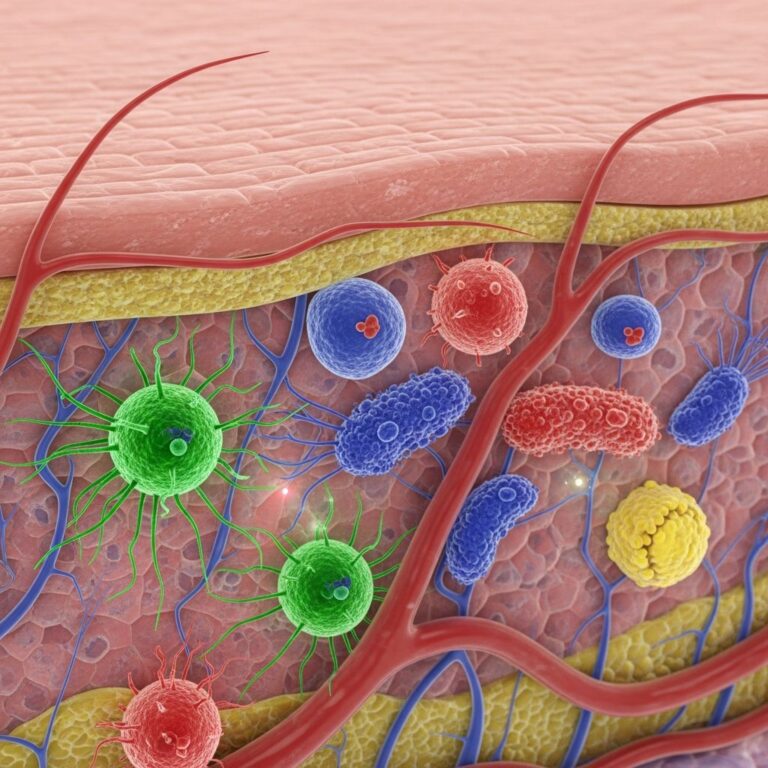
How Rheumatoid Arthritis Affects the Body
Understanding RA comorbidities: Learn how rheumatoid arthritis impacts multiple body systems beyond the joints.
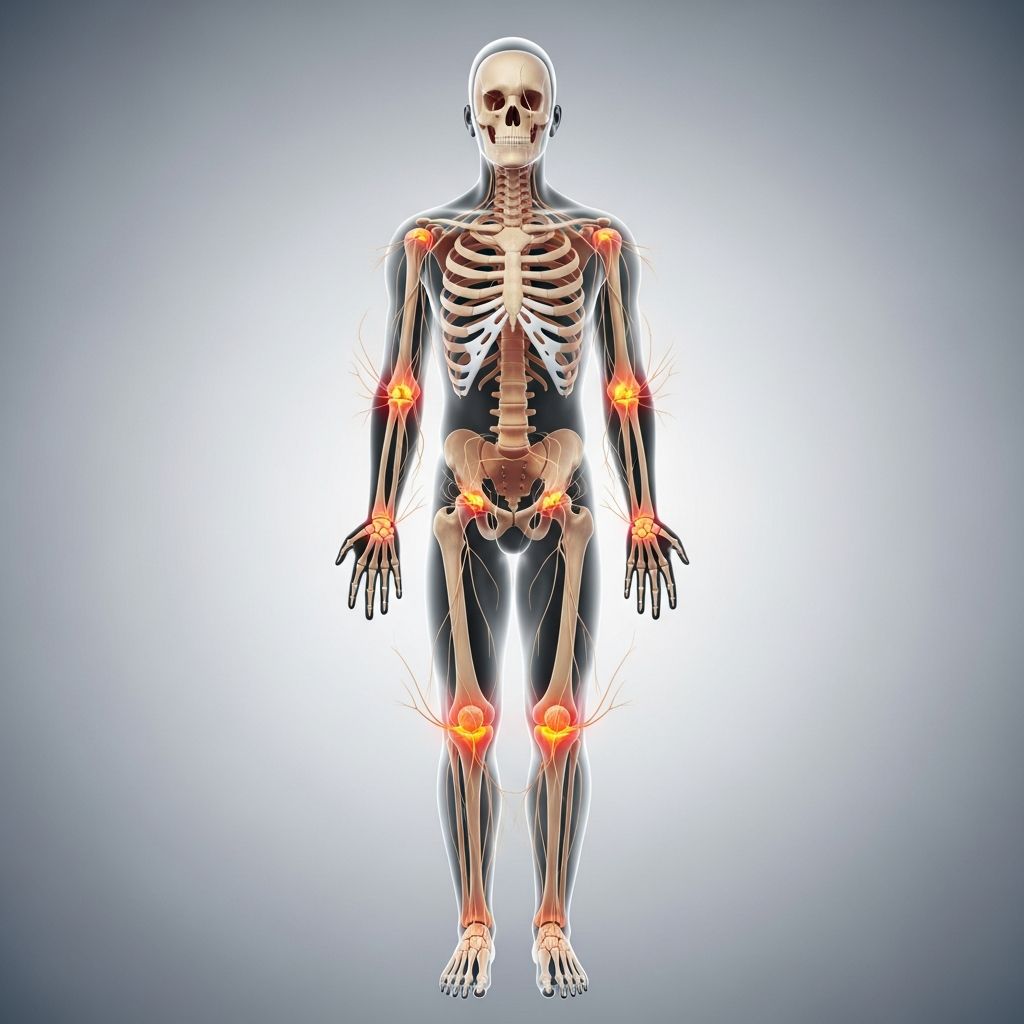
How Rheumatoid Arthritis Can Affect the Body
Rheumatoid arthritis (RA) is a chronic autoimmune disease that extends far beyond joint pain and inflammation. While most people associate RA with swollen, stiff joints, this systemic condition can affect multiple organ systems throughout the body. Understanding how RA impacts different areas of your body is essential for comprehensive disease management and maintaining overall health and quality of life. When RA is accompanied by other medical conditions, these are called comorbidities, and managing them becomes an integral part of your overall treatment plan.
Understanding Comorbidities in Rheumatoid Arthritis
Comorbidities are conditions that occur simultaneously with a primary disease. People with rheumatoid arthritis frequently develop additional health conditions that can complicate disease management and affect treatment outcomes. These conditions may result from the inflammation caused by RA, from medications used to treat it, or from shared risk factors. Understanding which comorbidities are common with RA helps you and your healthcare provider monitor for symptoms and implement preventive strategies early.
Cardiovascular Disease and Heart Health
One of the most significant comorbidities associated with RA is cardiovascular disease. People with inflammatory forms of arthritis are up to two times as likely to develop heart and blood vessel disease compared to people without inflammatory arthritis. The chronic inflammation characteristic of RA can damage the endothelial cells that line blood vessels, causing them to absorb more cholesterol and form plaques—a process known as atherosclerosis.
The inflammatory process can narrow blood vessels, reducing blood flow to the heart. When the heart muscle doesn’t receive enough oxygen-rich blood, you may experience chest pain, known as angina. Additionally, plaques that form in damaged blood vessels can break loose and block a vessel entirely, potentially leading to a heart attack or stroke. Research shows that people with RA have a 60% higher risk of heart attack just one year after being diagnosed with RA.
RA can also cause pericarditis, an inflammation of the heart lining called the pericardium, which may manifest as chest pain. Fortunately, treatment to control arthritis inflammation often controls pericarditis as well. Peripheral vascular disease, where blood vessels that feed the legs and feet become narrow, is another cardiovascular concern, causing cramping in the legs during physical activity.
Lung Disease and Respiratory Complications
Lung disease is significantly more common in people with RA than in the general population. Several respiratory conditions can develop, including chronic obstructive pulmonary disease (COPD), which refers to emphysema and chronic bronchitis that reduce airflow into and out of the lungs. Interstitial lung disease, involving inflammation and scarring of lung tissue, can lead to shortness of breath and progressive breathing difficulties.
While COPD doesn’t cause pain directly, people with the condition may experience chest pain due to pressure in the lungs or from coughing that stresses chest muscles or can even break a rib. Struggling to breathe can cause anxiety, which may intensify pain elsewhere in the body. Chronic inflammation from RA can also trigger inflammation of the blood vessels in the lungs, further compromising respiratory function.
Bone Health and Osteoporosis
Osteoporosis is a common comorbidity in RA, where old bone breaks down faster than new bone can be built, resulting in brittle bones that break easily. People with inflammatory arthritis have a greater risk of developing osteoporosis due to two primary factors: the inflammation itself and certain medications used to treat RA, particularly corticosteroids.
Related Stories



While osteoporosis itself doesn’t cause symptoms, bone fractures resulting from the condition can be quite painful and may lead to serious complications, particularly hip and spine fractures. To support bone health, your doctor may recommend exercise, a high-calcium diet, vitamin D supplementation, or medications designed to stimulate bone growth or prevent bone loss. Regular bone density monitoring is important for early intervention.
Metabolic and Endocrine Complications
People with inflammatory forms of arthritis are approximately 1.5 times more likely to have diabetes than those without arthritis. This increased risk may be related to shared inflammatory pathways and the effects of some RA medications on metabolic function. When diabetes develops alongside RA, it can lead to additional complications, particularly diabetic neuropathy.
Diabetic neuropathy involves nerve damage, with approximately 60–70% of people with diabetes experiencing some form of neuropathy. The most common type is peripheral neuropathy, causing symptoms such as numbness, tingling, burning sensations, and cramping that typically start in the legs and feet and can progress to the hands and arms. These symptoms are often worse at night and can significantly impact quality of life and mobility.
RA also increases the risk of autoimmune thyroid disease. The inflammatory processes that drive RA can affect thyroid function, leading to conditions like Hashimoto’s thyroiditis or Graves’ disease. Regular thyroid function testing may be warranted for people with RA.
Eye Problems and Vision Changes
The inflammatory process affecting the joints can also impact the eyes in several ways. Some people with RA develop inflammation of the whites of the eyes, a condition called scleritis, which can lead to scarring. Symptoms include pain, redness, blurred vision, and light sensitivity. Scleritis is usually treatable with medications prescribed by your doctor, but in rare cases, the eye may be permanently damaged.
RA can also cause uveitis, an inflammation of the area between the retina and the white of the eye. If left untreated, uveitis can cause blindness, making prompt medical attention critical. Additionally, the inflammatory process that affects the joints can damage tear-producing glands, leading to Sjögren’s syndrome—a condition characterized by dry, gritty eyes. Artificial tears and prescription medications can help keep eyes more comfortable and prevent damage related to dryness.
Certain RA medications can also affect vision. Corticosteroids may cause glaucoma and cataracts, while hydroxychloroquine, in rare cases, causes pigment changes in the retina that can lead to vision loss. For these reasons, people with RA should get eye checkups at least once a year to detect any complications early.
Blood and Hematologic Complications
RA can affect various aspects of blood health and function. Unchecked inflammation can lead to anemia, a reduction in red blood cells characterized by headache and fatigue. Treatment typically involves drugs to control inflammation along with iron supplements to rebuild red blood cell production.
The inflammatory process may also lead to elevated blood platelet levels, potentially increasing the risk of blood clots. While rare, people with longstanding RA can develop Felty syndrome, characterized by an enlarged spleen and low white blood cell count. This condition may lead to increased risk of infection and lymphoma, a cancer of the lymph glands. Immunosuppressant drugs are the usual treatment for Felty syndrome.
Gastrointestinal Issues and Overlapping Conditions
Gastrointestinal problems often accompany rheumatoid arthritis, though the link isn’t always immediately clear. Inflammation, medications, and stress can all affect digestion and gastrointestinal function. One significant comorbidity is fibromyalgia, a musculoskeletal pain condition that affects as many as 42% of people with RA. Fibromyalgia symptoms include abdominal pain, bloating, constipation, and diarrhea.
There is also a strong link between fibromyalgia and irritable bowel syndrome (IBS). When patients have a constellation of disorders such as RA, fibromyalgia, and IBS simultaneously, it can be challenging to determine which symptoms relate to which condition. Close collaboration with your healthcare provider is essential for accurate diagnosis and appropriate treatment planning. NSAIDs, commonly used to manage RA pain, can also contribute to gastrointestinal issues.
Secondary Sjögren’s Syndrome
People with rheumatoid arthritis can develop secondary Sjögren’s syndrome, an autoimmune condition affecting moisture-producing glands. This manifests as chronic dry eyes and dry mouth. Unlike primary Sjögren’s, which occurs independently, secondary Sjögren’s develops alongside RA and is related to similar underlying immune dysfunction. Managing Sjögren’s symptoms involves using artificial tears, saliva substitutes, and sometimes prescription medications to stimulate moisture production.
Cancer Risk
A number of studies show that people with RA have roughly double the average risk for developing lymphoma, a group of cancers that arise in the blood. This increased risk is thought to relate to chronic immune system activation and inflammation. Regular monitoring and awareness of any unusual symptoms such as persistent swelling, fatigue, or unexplained weight loss is important for early detection.
Infection and Immune Function
Since RA medications, particularly biologics and immunosuppressant drugs, work by dampening the immune response, people with RA may have an increased susceptibility to certain infections. This means being vigilant about vaccinations, maintaining good hygiene practices, and promptly reporting signs of infection to your healthcare provider is essential.
How Medications Can Contribute to Comorbidities
While RA medications are essential for controlling inflammation and preventing joint damage, some can contribute to comorbidities. Corticosteroids, while effective anti-inflammatory agents, can cause bone thinning and contribute to osteoporosis with long-term use. They may also increase cardiovascular risk and blood sugar levels.
NSAIDs, commonly used for pain management, may increase the risk of cardiovascular events including heart attack and can contribute to gastrointestinal complications. Conversely, many RA medications including methotrexate, other disease-modifying antirheumatic drugs (DMARDs), and biologics may reduce cardiovascular risk in people with RA. Your doctor will carefully evaluate your individual risk profile when prescribing treatment to balance the benefits of controlling RA with potential medication-related risks.
Managing Multiple Conditions
Managing RA becomes more complex when comorbidities are present. A comprehensive approach involving your rheumatologist, primary care physician, and specialists in relevant fields helps ensure all conditions receive appropriate attention. This may involve:
- Regular monitoring of cardiovascular health through blood pressure checks, cholesterol testing, and potentially cardiac imaging
- Pulmonary function tests and chest imaging for respiratory assessment
- Annual eye examinations to detect early vision problems
- Bone density screening to assess osteoporosis risk
- Blood glucose testing and metabolic monitoring
- Coordinated medication management to minimize drug interactions and side effects
Prevention and Lifestyle Strategies
Several lifestyle modifications can help reduce the risk of developing comorbidities or minimize their impact:
- Regular exercise: Physical activity supports heart health, bone strength, and mental well-being
- Balanced nutrition: A diet rich in calcium, vitamin D, and anti-inflammatory foods supports overall health
- Smoking cessation: Smoking significantly increases risks for cardiovascular disease, lung disease, and infection
- Weight management: Maintaining a healthy weight reduces stress on joints and cardiovascular strain
- Stress management: Techniques like meditation and counseling can reduce inflammation and improve mental health
- Medication adherence: Taking RA medications as prescribed is crucial for controlling inflammation
What to Watch For: Warning Signs
Being aware of potential comorbidity symptoms allows for early intervention. Watch for:
- Chest pain, shortness of breath, or unusual fatigue (cardiovascular warning signs)
- Persistent cough, wheezing, or breathing difficulties (lung disease indicators)
- Eye pain, redness, blurred vision, or persistent dryness (eye complications)
- Unexplained bone pain or repeated fractures (osteoporosis signs)
- Numbness, tingling, or burning in extremities (neuropathy symptoms)
- Persistent joint pain in unexpected locations or new types of pain
Frequently Asked Questions
Q: Can I prevent comorbidities if I have RA?
A: While you cannot completely prevent comorbidities, early and aggressive treatment of your RA inflammation, combined with lifestyle modifications such as exercise, healthy diet, smoking cessation, and stress management, can significantly reduce your risk of developing many RA-related comorbidities.
Q: How often should I be screened for comorbidities?
A: Screening frequency depends on your individual risk factors and the specific comorbidities your doctor is monitoring. Generally, annual cardiovascular assessments, eye exams, and bone density checks are recommended, with more frequent monitoring based on your personal health history.
Q: Do all RA medications increase the risk of comorbidities?
A: No. Many modern RA medications, including DMARDs and biologics, actually help reduce cardiovascular risk by controlling inflammation. However, some medications like corticosteroids and NSAIDs carry specific risks that your doctor will discuss with you.
Q: Is it common to have multiple comorbidities with RA?
A: Yes, it is relatively common for people with RA to develop multiple comorbidities. The chronic inflammatory state of RA increases susceptibility to various conditions, which is why comprehensive medical management is so important.
Q: How does RA medication help manage comorbidities?
A: By controlling RA inflammation, medications reduce the chronic inflammatory state that drives many comorbidities. Better disease control can help prevent or slow the progression of cardiovascular disease, lung disease, and other inflammation-related conditions.
References
- Comorbid Conditions in Inflammatory Arthritis — Arthritis Foundation. 2024. https://www.arthritis.org/health-wellness/about-arthritis/related-conditions/other-diseases/comorbid-conditions-and-pain
- How Rheumatoid Arthritis Affects More Than Joints — Arthritis Foundation. 2024. https://www.arthritis.org/diseases/more-about/how-rheumatoid-arthritis-affects-more-than-joints
- RA and Gastrointestinal Problems — Arthritis Foundation. 2024. https://www.arthritis.org/health-wellness/about-arthritis/related-conditions/other-diseases/gastrointestinal-problems-ra
- Rheumatoid Arthritis and Cancer Risk — Arthritis Foundation. 2024. https://www.arthritis.org/health-wellness/about-arthritis/related-conditions/other-diseases/arthritis-and-cancer-risk
- Understanding Arthritis Comorbidities — Arthritis Foundation. 2024. https://www.arthritis.org/liveyes/podcast/episodes/understanding-arthritis-comorbidities
Similar Articles








Read full bio of medha deb