Rheumatoid Arthritis And Your Kidneys: 5 Tests To Monitor
Understand the critical link between rheumatoid arthritis and kidney disease risk, and learn proven strategies for protection and monitoring.
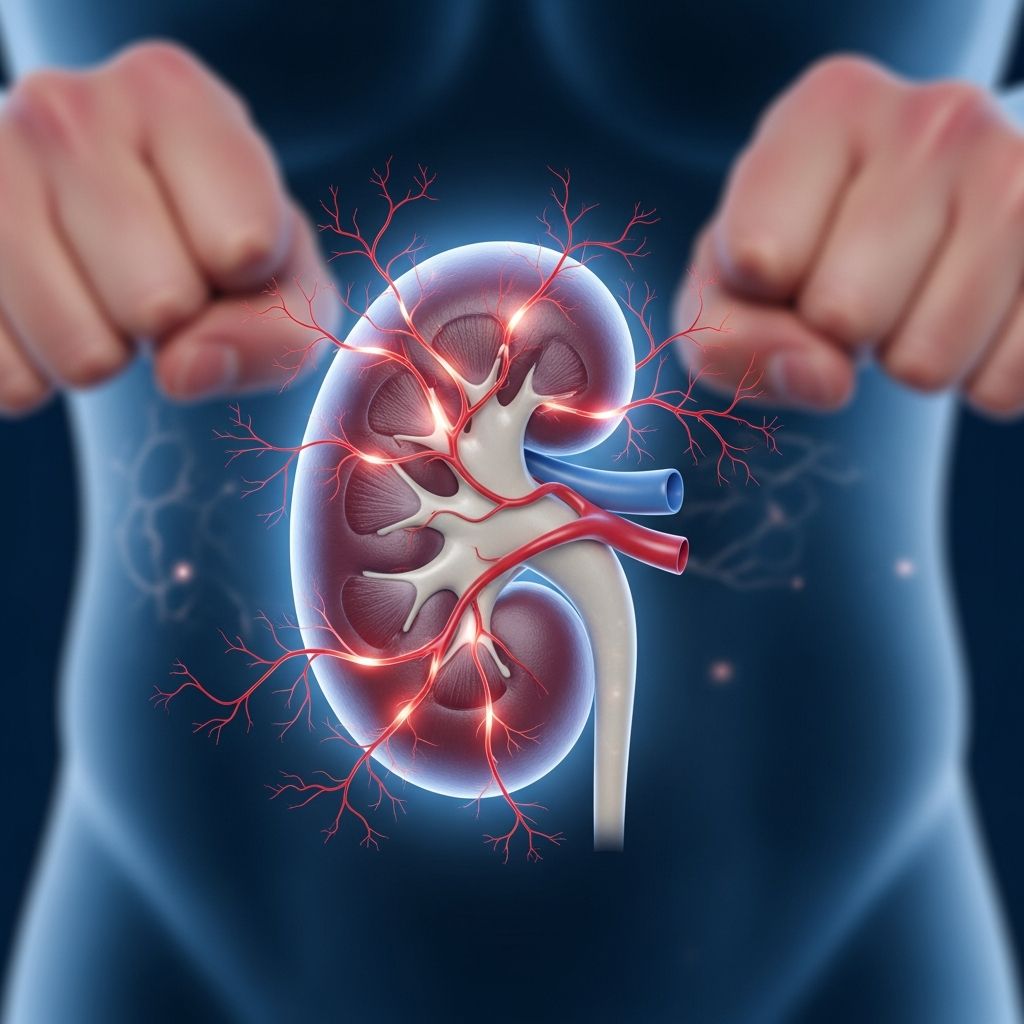
Rheumatoid arthritis (RA) significantly elevates the risk of chronic kidney disease (CKD), with patients facing up to a 25% cumulative incidence of reduced kidney function over 20 years compared to 20% in the general population. This connection stems from chronic inflammation, medication side effects, and shared risk factors like hypertension and obesity, necessitating vigilant monitoring and management.
Why Rheumatoid Arthritis Affects the Kidneys
RA’s systemic inflammation drives kidney damage through multiple pathways. Chronic immune activation leads to endothelial dysfunction, glomerular injury, and fibrosis, accelerating estimated glomerular filtration rate (eGFR) decline. Higher RA disease activity correlates with faster eGFR loss: remission patients experience -0.83 mL/min/1.73 m² annual decline, while high-activity cases see an additional -0.18 mL/min/1.73 m² per year.
Population studies confirm RA patients develop reduced kidney function more frequently, with eGFR <60 mL/min/1.73 m² in 25% versus 20% of non-RA individuals over 20 years (P=0.03). Albuminuria with preserved eGFR emerges as the dominant phenotype (6.8% in RA vs. 4.2% controls, P=0.027), indicating early glomerular involvement independent of advanced filtration loss.
- Key Mechanisms:
- Systemic inflammation elevates hsCRP, promoting glomerular hypertension and sclerosis.
- Amyloidosis from prolonged inflammation deposits proteins in kidneys, rare but severe.
- Comorbidities like hypertension and dyslipidemia amplify damage, though RA retains independent risk post-adjustment for some factors.
Medications That Can Harm Kidneys
RA treatments, while essential, pose nephrotoxic risks requiring regular monitoring. Nonsteroidal anti-inflammatory drugs (NSAIDs) like ibuprofen inhibit prostaglandins, reducing renal blood flow, especially in dehydrated or comorbid patients.
| Medication | Kidney Risk | Monitoring Needed |
|---|---|---|
| NSAIDs (ibuprofen, naproxen) | Acute injury, CKD progression | eGFR, creatinine before/during use |
| Methotrexate | Crystalluria, tubulointerstitial nephritis | Hydration, kidney function tests |
| Cyclosporine | Chronic allograft nephropathy-like damage | Frequent eGFR checks |
| Corticosteroids | Hypertension, fluid retention worsening CKD | Blood pressure control |
Interactions with NSAIDs show RA-CKD links strongest in non-users (OR 2.02, 95% CI 1.34–3.05), likely due to confounding by indication where high-risk patients avoid them. Rheumatologists recommend minimizing nephrotoxics and prioritizing disease control to mitigate these effects.
Kidney Damage Symptoms
Early kidney issues in RA often asymptomatically progress until advanced stages. Recognize these signs for prompt intervention:
- Fatigue and weakness: From anemia or toxin buildup as eGFR falls below 60 mL/min/1.73 m².
- Swelling (edema): In legs, ankles from fluid retention and albuminuria.
- High blood pressure: Glomerular damage elevates readings, compounding RA cardiovascular risks.
- Changes in urination: Foamy urine (proteinuria), reduced output, or blood.
- Nausea, itching, metallic taste: Uremic symptoms in stage G3b+ (eGFR <45).
RA patients with severe first-year inflammation, obesity, or corticosteroid use face heightened risks, underscoring proactive screening.
Tests to Check Your Kidney Health
Comprehensive screening combines blood, urine, and imaging for RA patients:
Related Stories



- Serum Creatinine and eGFR: Calculated filtration rate; two measures ≥90 days apart confirm CKD (e.g., <60 mL/min/1.73 m²).
- Urine Albumin-to-Creatinine Ratio (ACR): Detects microalbuminuria, prevalent in RA even with normal eGFR.
- Urinalysis: Checks for protein, blood, casts indicating glomerulonephritis.
- Blood Urea Nitrogen (BUN): Elevated in dehydration or advanced disease.
- Imaging (Ultrasound): Assesses structure, rules out obstruction or cysts.
Rheumatologists should monitor per age, treatments, and comorbidities, with annual tests for high-risk cases.
Protecting Your Kidneys
Preventive strategies focus on RA control, lifestyle, and safe pharmacology:
- Achieve remission/low disease activity: Reduces eGFR decline by up to 0.18 mL/min/1.73 m²/year.
- Blood pressure management: Target <130/80 mmHg to slow progression.
- Low-salt diet: Limits fluid retention and hypertension.
- Weight control: Obesity accelerates decline; BMI optimization key.
- Hydration and NSAID caution: Avoid in low eGFR; use lowest effective dose.
- Quit smoking: Worsens vascular damage in kidneys and RA.
Systematic ACR screening enables early intervention, as albuminuria precedes eGFR drop in RA.
Treatment for Kidney Disease
Manage RA-related CKD through RA optimization and kidney-specific care:
- DMARDs/biologics: Control inflammation without nephrotoxicity (e.g., methotrexate with monitoring).
- ACE Inhibitors/ARBs: Reduce proteinuria, protect glomeruli in albuminuric cases.
- Statins: For dyslipidemia, given CVD overlap.
- Dialysis/transplant: End-stage (eGFR <15); RA remission improves outcomes.
- NSAID alternatives: Acetaminophen, short-term opioids, or intra-articular steroids.
Fully adjusted models show RA-CKD association attenuates (OR 1.43, 95% CI 0.96–2.13), emphasizing comorbidity management alongside inflammation control.
Frequently Asked Questions
Does RA directly cause kidney failure?
RA increases CKD risk via inflammation and drugs, with 25% developing eGFR <60 over 20 years, but direct failure is less common with monitoring.
Should I avoid all NSAIDs with RA?
Not all; use sparingly with eGFR monitoring, preferring alternatives in impaired function.
How often should kidney tests be done?
Annually or more for high-risk (active RA, hypertension, NSAIDs); per rheumatologist guidance.
Can diet help protect kidneys in RA?
Yes, low-sodium, plant-based diets reduce BP and proteinuria.
Is kidney risk higher in early RA?
Severe early inflammation predicts faster decline.
References
- Kidney Problems More Prevalent in Patients with Rheumatoid Arthritis — The Rheumatologist. 2014-04-09. https://www.the-rheumatologist.org/article/kidney-problems-more-prevalent-in-patients-with-rheumatoid-arthritis/
- Disease activity of rheumatoid arthritis and kidney function decline — PubMed (EULAR). 2024. https://pubmed.ncbi.nlm.nih.gov/39919894/
- Association of Rheumatoid Arthritis with Chronic Kidney Disease — Oxford Academic (CKJ). 2025. https://academic.oup.com/ckj/advance-article/doi/10.1093/ckj/sfaf391/8378086
- Vigilance for Kidney Problems Key for Rheumatoid Arthritis Patients — Mayo Clinic (YouTube). 2014-04-09. https://www.youtube.com/watch?v=AqVpLs0sbXI
- How Rheumatoid Arthritis Affects More Than Joints — Arthritis Foundation. Accessed 2026. https://www.arthritis.org/diseases/more-about/how-rheumatoid-arthritis-affects-more-than-joints
Similar Articles








Read full bio of medha deb