Rheumatoid Arthritis And Heart Disease: Risks And Prevention
Understand the strong link between RA and heart disease, and discover proven strategies to protect your cardiovascular health.

People with rheumatoid arthritis (RA) are almost twice as likely to develop heart disease compared to those without the condition. This heightened risk stems from chronic inflammation that damages both joints and blood vessels, alongside shared risk factors like high blood pressure and abnormal lipids.
Swollen, painful joints signal RA, but the disease silently threatens the heart, increasing chances of heart attacks, strokes, and other cardiovascular events. Early screening and targeted prevention can significantly mitigate these dangers, helping maintain heart health despite RA.
RA and Heart Disease: What’s Behind the Connection?
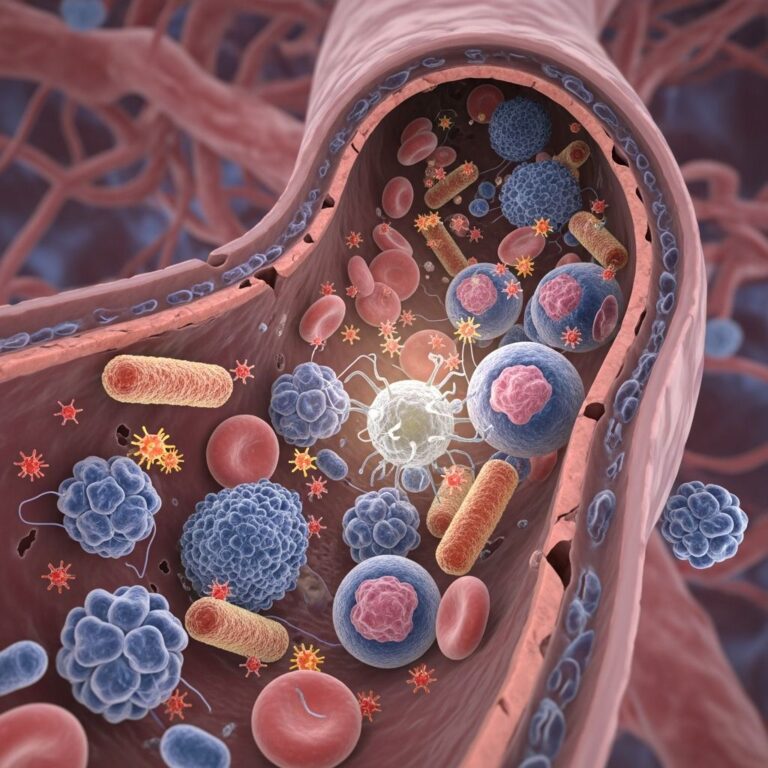
The link between rheumatoid arthritis and heart disease arises from two primary drivers: persistent inflammation and overlapping risk factors. Inflammatory cytokines, such as those fueling joint destruction in RA, also promote plaque buildup in arteries, narrowing blood vessels and heightening risks of heart attack and stroke.
Chronic inflammation in RA damages endothelial cells lining blood vessels, accelerating atherosclerosis—the buildup of plaques that can rupture and cause cardiovascular events. A Swedish study found RA patients had a 60% higher heart attack risk within one year of diagnosis. Recent cohort research confirms RA elevates risks for degenerative valvular heart disease (VHD), including aortic stenosis and regurgitation, independent of traditional factors.
Shared Risk Factors
Individuals with RA often face amplified traditional cardiovascular risks:
- High blood pressure: Less-elastic arteries, inactivity, and medications like NSAIDs or steroids contribute. Narrowed vessels increase pressure.
- Abnormal lipids (lipid paradox): RA typically shows high triglycerides, low LDL (“bad” cholesterol), and low HDL (“good” cholesterol). While low LDL benefits the heart, low HDL and high triglycerides drive disease.
- Obesity and diabetes: Excess weight worsens cholesterol, blood pressure, and diabetes risks in RA patients.
- Smoking and dyslipidemia: These overlap with VHD mechanisms, exacerbating RA’s inflammatory impact on valves and vessels.
RA-specific factors like autoantibodies and oxidative stress further promote endothelial dysfunction and lipoprotein issues, amplifying coronary artery disease and emerging VHD links.
Types of Heart Problems Linked to RA
RA affects the heart in multiple ways beyond atherosclerosis:
- Coronary artery disease: Most common, driven by inflammation accelerating plaque formation. RA patients experience higher silent myocardial infarction rates.
- Valvular heart disease: Recent studies show RA increases incident degenerative VHD subtypes like aortic stenosis (AS), aortic regurgitation (AR), and mitral regurgitation (MR). Hazard ratios indicate 20-50% elevated risks, persisting after adjustments.
- Heart failure: Inflammation precedes onset by six months with spiked systemic activity. RA raises poor-outcome risks.
- Pericarditis and myocarditis: Direct inflammatory involvement of heart linings and muscle, though less common.
- Arrhythmias: Linked to inflammatory arthritis, increasing atrial fibrillation and stroke risks.
Overall, cardiovascular death accounts for much of RA’s excess mortality, with risks manifesting early post-diagnosis.
Warning Signs of Heart Trouble
RA inflammation can mask heart symptoms, leading to silent events. Watch for:
- Chest pain or pressure, especially during activity.
- Shortness of breath, fatigue, or swelling in legs/ankles.
- Irregular heartbeat or palpitations.
- Sudden weakness, confusion, or speech issues (stroke signs).
- Unexplained jaw, neck, or arm pain.
Women with RA may experience subtler symptoms like nausea or back pain. Routine monitoring is crucial, as preclinical valve changes precede overt disease.
Reduce Your Risks
Proactive management slashes cardiovascular threats. Key strategies include:
Control RA Inflammation
Related Stories



Disease-modifying antirheumatic drugs (DMARDs) like methotrexate or biologics reduce inflammation, lowering heart attack and stroke risks. Follow American College of Rheumatology guidelines for optimal therapy.
Lifestyle Changes
- Exercise regularly: Aim for 150 minutes weekly of moderate activity to improve artery elasticity and blood pressure.
- Eat heart-healthy: Focus on Mediterranean diet—fruits, vegetables, whole grains, fish—to balance lipids.
- Quit smoking: Essential, as it worsens inflammation and vessel damage.
- Maintain healthy weight: Reduces diabetes and cholesterol burdens.
Manage Comorbidities
| Risk Factor | RA-Specific Tips |
|---|---|
| High blood pressure | Monitor regularly; limit NSAIDs/steroids if possible. |
| High cholesterol | Statins may be needed despite lipid paradox; consult cardiologist. |
| Diabetes | Screen annually; prioritize blood sugar control. |
Medications like NSAIDs increase blood pressure risks, while some DMARDs protect the heart.
Screening and Medical Care
Annual cardiovascular assessments are recommended for RA patients:
- Blood pressure, lipid profile, and blood sugar checks.
- EKG or echocardiogram for valve/heart function, especially if symptoms arise.
- Discuss statin or aspirin therapy with providers.
- Coordinate rheumatologist and cardiologist care for holistic management.
Sex differences matter: Women with RA may face higher relative VHD risks.
Frequently Asked Questions
Why does RA increase heart disease risk?
Chronic inflammation damages blood vessels, promotes plaques, and shares risks like hypertension. RA doubles heart attack likelihood.
Can treating RA protect my heart?
Yes, DMARDs controlling inflammation reduce cardiovascular events.
What lifestyle changes help most?
Exercise, healthy diet, smoking cessation, and weight management lower risks significantly.
Should I get regular heart screenings?
Absolutely—annual checks for blood pressure, lipids, and possibly echocardiograms detect issues early.
Does RA affect heart valves?
Emerging evidence shows increased degenerative VHD risks, like aortic stenosis.
Protect Your Heart: Take Action Today
While RA elevates heart risks, knowledge and action empower protection. Partner with your healthcare team, embrace lifestyle shifts, and stay vigilant for symptoms. Reducing inflammation through treatment transforms outcomes, preventing many cardiovascular complications.
Recent studies underscore urgency: RA’s inflammatory burden drives not just joints but valvular and coronary threats. By addressing both RA and heart factors, patients can thrive.
References
- Rheumatoid Arthritis & Heart Disease Risk: Cohort Study — Journal of the American Heart Association (AHA Journals). 2025. https://www.ahajournals.org/doi/full/10.1161/JAHA.125.042025
- Rheumatoid Arthritis and Heart Disease — Arthritis Foundation. Accessed 2026. https://www.arthritis.org/health-wellness/about-arthritis/related-conditions/other-diseases/rheumatoid-arthritis-heart-disease
- Arthritis and Heart Disease — Arthritis Foundation. Accessed 2026. https://www.arthritis.org/health-wellness/about-arthritis/related-conditions/other-diseases/arthritis-and-heart-disease
- How Rheumatoid Arthritis Affects More Than Joints — Arthritis Foundation. Accessed 2026. https://www.arthritis.org/diseases/more-about/how-rheumatoid-arthritis-affects-more-than-joints
- Heart Disease and Rheumatoid Arthritis: Understanding the Risks — PMC (PubMed Central). 2015-01-28. https://pmc.ncbi.nlm.nih.gov/articles/PMC4308040/
Similar Articles








Read full bio of Sneha Tete