Rheumatoid Arthritis: 6 Key Symptoms And Treatments
Comprehensive guide to rheumatoid arthritis: symptoms, causes, diagnosis, treatments, and living with this chronic autoimmune condition.
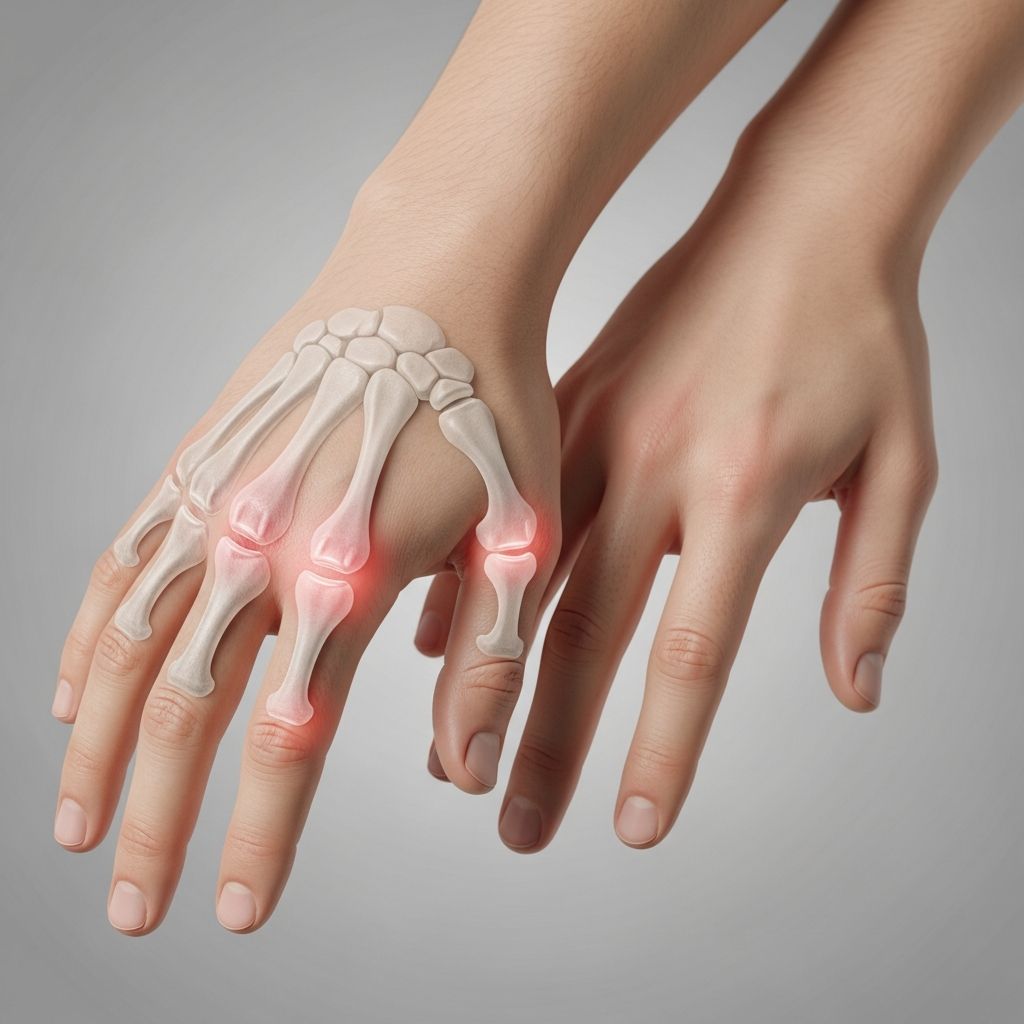
Rheumatoid arthritis (RA) is a chronic autoimmune disease in which the body’s immune system mistakenly attacks its own tissues, primarily the synovium—the thin membrane lining the joints. This leads to painful inflammation, swelling, stiffness, and potential long-term joint damage if untreated. Affecting approximately 1% of the U.S. population or over 2 million people, RA commonly impacts small joints in the hands, wrists, and feet but can involve any joint and even extra-articular structures like the eyes, lungs, and heart.
What Is Rheumatoid Arthritis (RA)?
Rheumatoid arthritis is characterized by persistent synovial inflammation known as synovitis, which causes joint pain, tenderness, and swelling. Unlike osteoarthritis, which results from wear and tear, RA is systemic and can produce general symptoms such as fatigue, fever, and weight loss. Early diagnosis and aggressive treatment are crucial to prevent irreversible joint deformities and disability.
The disease often begins subtly with morning stiffness lasting over 30 minutes, symmetric joint involvement (affecting both sides of the body), and low-grade fever. Over time, untreated RA leads to cartilage erosion, bone damage, and joint fusion (ankylosis).
Symptoms of Rheumatoid Arthritis
RA symptoms typically develop gradually but can onset suddenly. Key signs include:
- Joint pain and tenderness: Especially in knuckles (PIP and MCP joints), wrists, knees, and balls of the feet.
- Morning stiffness: Lasting more than an hour, improving with activity.
- Joint swelling: Due to synovial fluid accumulation.
- Fatigue and malaise: Profound tiredness unrelated to activity.
- Low-grade fever and weight loss: Systemic effects of inflammation.
- Rheumatoid nodules: Firm lumps under the skin near affected joints.
Extra-articular manifestations affect up to 40% of patients, including dry eyes/mouth (Sjögren’s syndrome), lung fibrosis, pericarditis, and vasculitis.
How Does Rheumatoid Arthritis Progress Over Time?
RA progresses through distinct pathological stages, regardless of initial symptom onset speed:
- Synovial inflammation (synovitis): Immune cells infiltrate the synovium, releasing cytokines like TNF-alpha and IL-6, causing pain, warmth, and effusion.
- Pannus formation: Hyperplastic synovium invades the joint space as aggressive pannus tissue, producing destructive enzymes (matrix metalloproteinases).
- Joint destruction: Cartilage degradation, subchondral bone erosion, ligament laxity, and eventual deformities like ulnar deviation or swan-neck fingers.
Not all joints are affected equally; a symmetric oligo- or polyarticular pattern is classic. Radiographic changes like joint space narrowing and erosions confirm progression.
Rheumatoid Arthritis Flare-Ups
A flare-up is a temporary worsening of RA symptoms, lasting days to weeks, with intensified pain, stiffness, and fatigue impairing daily function. Though not a formal medical term, flares reflect heightened disease activity.
Common triggers include:
- Infections (e.g., flu).
- Physical overexertion or injury.
- Emotional stress.
- Dietary factors (processed/high-sugar foods).
- Medication non-adherence.
Management involves rest, short-term corticosteroid bursts, and optimizing disease-modifying therapy. Tracking flares via apps or journals aids in identifying personal triggers.
Risk Factors for Rheumatoid Arthritis
Several factors increase RA susceptibility:
| Risk Factor | Description | Relative Risk |
|---|---|---|
| Female sex | Women are 2-3 times more likely due to hormonal influences (estrogen). | 2-3x |
| Age | Peak onset 30-60 years. | N/A |
| Genetics | HLA-DR4 allele; family history raises risk 2-5x. | 2-5x |
| Smoking | Dose-dependent; strongest modifiable risk. | 2-4x |
| Obesity | Increases inflammation and poor treatment response. | 1.5x |
Related Stories



Environmental triggers like silica exposure and infections (e.g., Porphyromonas gingivalis) may initiate autoimmunity in genetically predisposed individuals.
Diagnosis of Rheumatoid Arthritis
Diagnosis combines clinical, lab, and imaging findings per 2010 ACR/EULAR criteria (score ≥6/10 confirms RA):
- Joint involvement: Number and size of affected joints.
- Serology: Rheumatoid factor (RF) and anti-CCP antibodies (70-80% seropositive).
- Acute-phase reactants: Elevated CRP/ESR.
- Symptom duration: ≥6 weeks.
Seronegative RA (no RF/anti-CCP) requires careful monitoring for alternative diagnoses like psoriatic arthritis. Imaging (X-ray, ultrasound, MRI) detects erosions early.
Treatment for Rheumatoid Arthritis
Treatment aims for remission or low disease activity using a treat-to-target strategy. Options include:
Disease-Modifying Antirheumatic Drugs (DMARDs)
- Methotrexate (MTX): First-line; weekly oral/injectable, inhibits folate metabolism.
- Leflunomide, Sulfasalazine: Alternatives for MTX-intolerant.
Biologics
- TNF inhibitors (etanercept, adalimumab).
- IL-6 inhibitors (tocilizumab).
- JAK inhibitors (tofacitinib).
Other Therapies
- NSAIDs/COX-2 inhibitors: Symptom relief.
- Corticosteroids: Bridge therapy, low-dose long-term avoided.
- Surgery: Synovectomy, joint replacement for advanced damage.
Personalized regimens based on seropositivity, comorbidities, and response monitoring via DAS28 score.
Living with Rheumatoid Arthritis
Holistic management enhances quality of life:
- Exercise: Low-impact (swimming, yoga) preserves joint function.
- Diet: Mediterranean-style; omega-3s reduce inflammation.
- Smoking cessation: Critical for efficacy.
- Mental health: Support groups, CBT for depression (prevalent in 20%).
- Assistive devices: Splints, ergonomic tools.
Regular rheumatologist follow-ups ensure optimal control; 50-70% achieve remission with modern therapies.
Frequently Asked Questions (FAQs)
What causes rheumatoid arthritis?
RA results from genetic predisposition (e.g., HLA-DR4) plus environmental triggers like smoking, leading to loss of immune tolerance and autoantibody production.
Can RA be cured?
No cure exists, but early DMARD/biologic therapy induces sustained remission in many, halting progression.
Is RA hereditary?
Not directly; 15-30% genetic risk if a first-degree relative has RA.
How is RA different from osteoarthritis?
RA is inflammatory/autoimmune (symmetric, systemic); OA is degenerative (asymmetric, mechanical pain).
Can diet help manage RA?
Anti-inflammatory diets (fish, fruits, vegetables) may reduce flares, though not a substitute for medications.
References
- What Is Rheumatoid Arthritis (RA)? — Arthritis-Health.com. 2023. https://www.arthritis-health.com/types/rheumatoid/what-rheumatoid-arthritis-ra
- Rheumatoid Arthritis Overview Video — Arthritis-Health.com. 2023. https://www.arthritis-health.com/video/rheumatoid-arthritis-overview-video
- Rheumatoid Arthritis — National Institute of Arthritis and Musculoskeletal and Skin Diseases (NIAMS), NIH. 2024-05-10. https://www.niams.nih.gov/health-topics/rheumatoid-arthritis
- 2021 American College of Rheumatology Guideline for the Treatment of Rheumatoid Arthritis — Arthritis & Rheumatology (ACR). 2021-06-08. https://doi.org/10.1002/art.41752
- Rheumatoid arthritis — World Health Organization (WHO). 2023. https://www.who.int/news-room/fact-sheets/detail/rheumatoid-arthritis
Similar Articles








Read full bio of medha deb