Rhinophyma: Causes, Symptoms, Diagnosis & Treatment
Understanding rhinophyma: Learn about this skin condition affecting the nose and available treatment options.
What Is Rhinophyma?
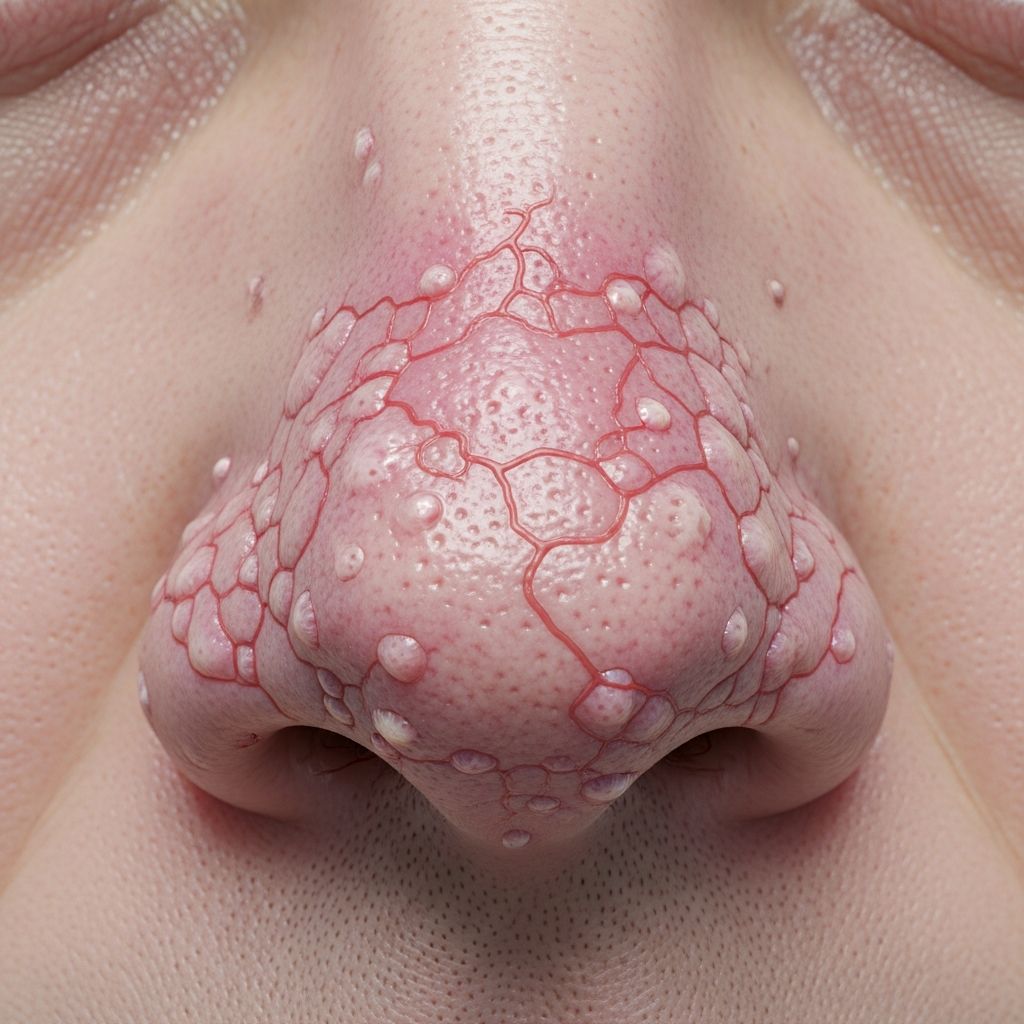
Rhinophyma is a progressive skin condition that specifically affects the nose, causing it to become enlarged, red, bumpy, and rounded in appearance. This skin disorder represents the most severe manifestation of rosacea, a chronic inflammatory skin condition that predominantly affects the face, particularly the nose and cheeks. Medical professionals recognize rhinophyma as the advanced stage of untreated rosacea, characterized by significant changes in the structure and appearance of nasal tissue.
The condition involves hypertrophy of connective tissue and sebaceous glands with increased collagen deposition, leading to the characteristic disfiguring appearance. While rhinophyma affects both men and women, it occurs far more frequently in males. Historical data from major medical institutions indicates that the vast majority of rhinophyma cases are diagnosed in men, with women being rarely affected by this progressive condition.
A common misconception about rhinophyma is that it results from heavy alcohol consumption. This myth likely originated from the observation that alcohol consumption causes facial flushing due to overactive blood vessels. However, medical evidence clearly demonstrates that rhinophyma affects both drinkers and non-drinkers equally, and alcohol is not a causative factor. When left untreated, rhinophyma can damage the nose to the point of restricting breathing ability, making early intervention important for maintaining both aesthetic appearance and respiratory function.
Understanding the Causes and Development
Rhinophyma develops as a consequence of severe, untreated rosacea. Rosacea is a chronic inflammatory skin condition that causes persistent redness and visible blood vessels across the face. When rosacea progresses without appropriate medical management, it can advance through multiple stages, with rhinophyma occurring in the final or advanced stage of the disease.
The underlying mechanisms involve excessive growth of oil glands and blood vessels in the nasal region. This overgrowth occurs as the rosacea advances, causing the nose to become increasingly thickened and enlarged. The sebaceous glands, which normally produce oils to keep skin lubricated, begin to proliferate abnormally, leading to visible enlargement and textural changes on the nasal surface. Additionally, the blood vessels in the affected area become dilated and more prominent, contributing to the characteristic red or ruddy appearance.
Symptoms and Progression of Rhinophyma
Understanding the symptoms of rhinophyma is crucial for early detection and intervention. The condition typically develops gradually, with symptoms progressing through stages that become increasingly severe if left untreated.
Early Stage Symptoms
In its early stages, rhinophyma symptoms may appear relatively mild and include a reddish discoloration of the skin on and around the nose. Individuals may notice spidery red or purple veins becoming visible across the nasal surface and surrounding areas. The nose may appear swollen, and this swelling does not improve with time. These early symptoms often occur in cycles, with periods of improvement followed by periods of worsening severity.
Related Stories



Progressive Symptoms
As rhinophyma advances, the following symptoms become more apparent:
The visible oil glands become increasingly noticeable on the nasal surface. Enlarged pores become prominent across the nose and affected areas. The skin grows progressively thicker and develops a bumpy, irregular texture. The nasal surface takes on a waxy, rough appearance, sometimes with a yellowish discoloration. The nose becomes increasingly swollen and develops a characteristic bulbous shape that gives the condition its common name.
These progressive changes can significantly impact both a person’s appearance and their quality of life. Beyond cosmetic concerns, advanced rhinophyma can compromise nasal airways and breathing function, making treatment increasingly important as the condition progresses.
Diagnosis of Rhinophyma
Diagnosing rhinophyma begins with a comprehensive physical examination by a qualified healthcare provider. During this initial evaluation, the doctor carefully examines the nose and surrounding facial areas for characteristic signs of the condition, including structural changes, skin texture abnormalities, and vascular changes.
If rhinophyma is suspected based on the physical examination, the physician may order additional diagnostic tests to confirm the diagnosis. One important diagnostic tool is a skin biopsy, in which a small sample of skin cells from the affected nasal area is collected and sent to a laboratory for microscopic examination. This biopsy is particularly important if initial treatment attempts do not produce expected improvement or if the diagnosis remains uncertain.
The biopsy allows pathologists to examine the tissue microscopically, confirming the characteristic findings of rhinophyma, including the hypertrophy of sebaceous glands and connective tissue changes. This definitive confirmation helps ensure that appropriate treatment strategies are selected and that the condition is distinguished from other skin disorders that may present with similar surface appearances.
Treatment Options for Rhinophyma
Medical Management and Prevention
Early treatment is essential in preventing the long-term damage and severe disfigurement that often requires surgical intervention. Medical treatment focuses on managing the underlying rosacea and preventing further progression of the condition.
The foundation of medical management involves the use of oral antibiotics, which are among the most commonly prescribed medications for rhinophyma. Antibiotics such as tetracycline, doxycycline, and metronidazole help reduce inflammation and control the bacterial overgrowth that contributes to rosacea progression. These medications work by decreasing inflammation and may also have direct effects on the vascular component of the disease.
Topical medications are also important in rhinophyma management. Retinoid creams, which contain vitamin A derivatives, help improve skin texture and can slow or reverse the growth of sebaceous glands. Topical antibiotics such as metronidazole gel are applied directly to affected areas to reduce inflammation and redness. These topical treatments are often used in combination with oral medications for maximum effectiveness.
For more resistant cases where standard antibiotics prove insufficient, physicians may prescribe isotretinoin, an oral acne medication that is a potent retinoid. While isotretinoin does not cure rhinophyma, it can help reduce redness and slow or reverse the growth of oil glands that cause the characteristic enlarged pores and bumpy skin texture.
Preventive Measures
Prevention strategies are critical for managing rhinophyma and preventing worsening of the condition. These include consistent use of broad-spectrum sunscreen to protect against ultraviolet radiation, which can trigger or exacerbate rosacea. Topical vitamin C serums provide antioxidant protection and may help with redness. Patients should identify and avoid personal triggers, which commonly include certain foods and beverages, extreme weather conditions, stress, and intense physical exertion.
Surgical and Laser Treatment
When medical management does not adequately control rhinophyma, or when the condition has progressed significantly, surgical intervention becomes necessary. Surgical approaches can permanently reshape the nose and improve both appearance and breathing function by removing overgrown tissue, reshaping the nasal structure, and minimizing oversized blood vessels.
Laser treatment represents a modern surgical approach to rhinophyma management. Carbon dioxide (CO2) laser therapy is particularly effective for this condition, allowing precise removal of hypertrophied tissue while minimizing damage to surrounding healthy tissue. The laser essentially vaporizes the excess tissue with great precision, reshaping the nose to a more normal appearance.
Non-ablative laser treatments, such as Intense Pulsed Light (IPL) or BroadBand Light (BBL) therapies, can address the vascular component of rhinophyma. These treatments target the red blood cell components in the skin and can effectively treat dilated blood vessels and broken capillaries. Multiple treatment sessions are typically required to achieve optimal results.
Surgical procedures are typically performed in an outpatient setting under local anesthesia with sedation. The procedure generally takes approximately one hour to complete. Following surgery, a protective dressing is applied to the nasal surface and left in place for about one week while new skin regrows. The initial post-surgical appearance shows a ‘sandpapered’ effect, with the skin gradually transitioning from pink to a more natural appearance over subsequent weeks.
What to Expect After Treatment
Recovery from rhinophyma treatment varies depending on the specific procedure performed and individual healing rates. Most patients experience relatively quick recuperation and can return to normal activities within a reasonable timeframe.
Post-operative care is essential for optimal results. Patients receive detailed post-operative instruction sheets tailored to their specific needs. Follow-up office visits are scheduled to monitor healing progress, with the number of visits depending on individual healing pace. Patients are strongly advised to avoid sun exposure for several weeks following treatment, as the newly resurfaced skin is particularly vulnerable to ultraviolet damage.
Maintenance of surgical results involves ongoing topical skin care using retinoids, antibiotic gels, and periodic BBL treatments to manage potential regrowth of capillaries. This maintenance approach helps prevent recurrence and preserves the aesthetic improvements achieved through surgical intervention.
While surgical results can reverse the appearance of rhinophyma, symptoms can occasionally return after treatment. However, recurrence is relatively rare, particularly when patients maintain appropriate preventive measures and follow their physician’s recommendations for long-term skin care and monitoring.
Why Choose Professional Treatment
Working with specialized healthcare providers, including dermatologists and plastic surgeons experienced in rhinophyma treatment, ensures access to the full range of management options. These specialists can evaluate the severity of your condition, identify the most appropriate treatment approach for your individual situation, and monitor your progress over time.
Consultation appointments typically involve reviewing your medical history, discussing available treatment options, and determining your candidacy for specific procedures. Pre-treatment evaluation often includes a physical check-up and laboratory work to ensure you can safely undergo recommended treatments. Board-certified specialists can provide guidance on realistic expectations, potential outcomes, and the best approach to achieving your goals for appearance and nasal function.
Frequently Asked Questions About Rhinophyma
Q: Is rhinophyma caused by alcohol consumption?
A: No. This is a common myth. Rhinophyma affects both drinkers and non-drinkers equally. The myth likely arose because alcohol causes facial flushing due to dilated blood vessels, which can resemble rosacea symptoms. Alcohol is not a causative factor in rhinophyma development.
Q: How can rhinophyma be prevented?
A: Early treatment of rosacea is the best prevention. This includes using sunscreen, topical vitamin C, taking prescribed antibiotics when indicated, and avoiding personal triggers such as certain foods, extreme temperatures, and stress. Early medical intervention prevents progression to advanced rhinophyma.
Q: Can rhinophyma affect women?
A: While rhinophyma can theoretically affect women, it is extremely rare. The vast majority of rhinophyma cases occur in men, making it predominantly a male condition.
Q: Is rhinophyma reversible?
A: Yes, surgical intervention can reverse the appearance of rhinophyma. Symptoms may occasionally return after surgery, but recurrence is rare, especially with proper preventive care and maintenance treatments.
Q: What happens if rhinophyma is left untreated?
A: Progressive untreated rhinophyma can cause significant nasal enlargement and disfigurement. In advanced cases, the condition can restrict breathing ability and severely impact quality of life, making early intervention important.
Q: How long does recovery take after rhinophyma surgery?
A: Most patients recuperate quite quickly. The procedure itself takes about one hour as an outpatient procedure. A protective dressing remains on the nose for about one week. Patients should avoid sun exposure for several weeks. Most patients can return to normal activities within a relatively short timeframe.
Q: Can medications cure rhinophyma?
A: Medications such as antibiotics and isotretinoin cannot cure rhinophyma, but they can help reduce redness and slow or reverse the growth of oil glands. These medications are most effective in early stages and when combined with preventive measures. Advanced cases typically require surgical intervention.
References
- Rosacea: An update — Cleveland Clinic Journal of Medicine. 2000. https://www.ccjm.org/content/ccjom/67/8/587.full.pdf
- Rhinophyma: Causes and Treatment — WebMD. 2024. https://www.webmd.com/skin-problems-and-treatments/what-to-know-about-rhinophyma
- Rosacea: Symptoms, Causes, Triggers & Treatment — Cleveland Clinic. 2024. https://my.clevelandclinic.org/health/diseases/12174-rosacea
- Rhinophyma: Report of a Case — Cleveland Clinic Journal of Medicine. 1938. https://www.ccjm.org/content/5/3/217
- Surgical treatment of rhinophyma — Medigraphic. 2011. https://www.medigraphic.com/cgi-bin/new/resumenI.cgi?IDARTICULO=68651
- Rhinology, Sinus & Skull Base Surgery — Cleveland Clinic Head & Neck Institute. 2024. https://my.clevelandclinic.org/departments/head-neck/depts/rhinology-sinus-skull-base-surgery
Similar Articles








Read full bio of medha deb