Rhizotomy: Treatment for Chronic Pain Relief
Minimally invasive nerve procedure for lasting chronic pain relief and improved quality of life.
Understanding Rhizotomy: A Minimally Invasive Pain Relief Solution
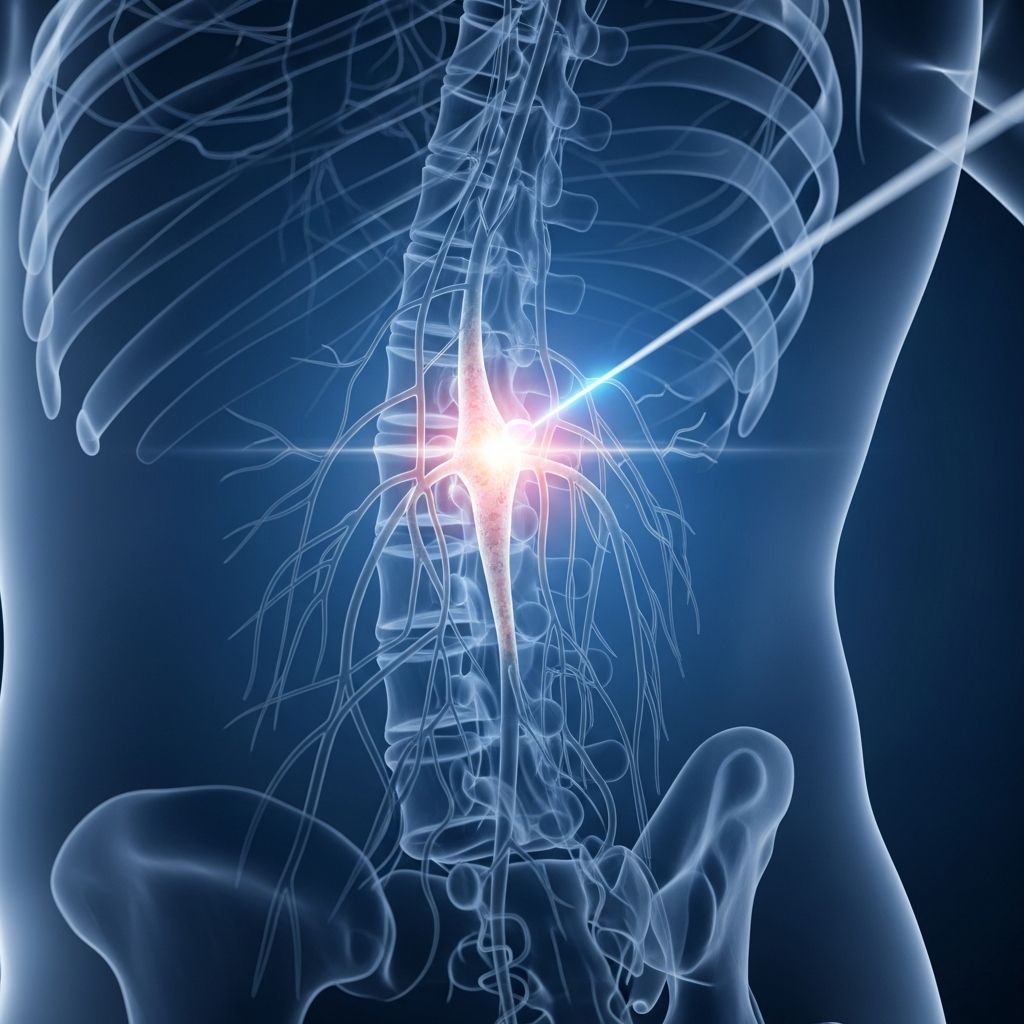
A rhizotomy is a surgical procedure designed to provide relief from chronic and debilitating pain by targeting and disrupting the nerve fibers responsible for transmitting pain signals to the brain. Unlike traditional pain management approaches that merely mask symptoms, rhizotomy addresses the root cause of pain by damaging specific nerve pathways, offering patients the potential for long-term pain relief without the ongoing dependency on pain medications. This minimally invasive procedure has become increasingly popular among patients and healthcare providers as an effective alternative when conventional treatments such as medications, physical therapy, and injections have proven ineffective.
The procedure works by interfering with a nerve’s ability to send pain signals, effectively “turning off” the problematic nerve at its source. As nerves function like electrical cables that carry signals between your brain and the rest of your body, damaging these specific pain-transmitting nerve fibers prevents the brain from receiving pain messages, resulting in significant relief from chronic discomfort. This approach provides targeted results with minimal disruption to surrounding tissues, making it an attractive option for patients seeking lasting pain management solutions.
Types of Rhizotomy Procedures
Healthcare providers can perform rhizotomy using several different methods, each utilizing different technologies and techniques to achieve nerve disruption. Understanding the various types helps patients and providers determine the most appropriate approach for their specific condition.
Radiofrequency Ablation (RFA)
Radiofrequency ablation represents one of the most commonly used rhizotomy methods and is considered a more precise form of nerve disruption. This technique uses localized heat generated by radiofrequency waves to target specific nerve tissues. During the procedure, the surgeon inserts a thin, needle-like probe near the targeted nerve with the help of contemporary imaging devices. Once properly positioned, radiofrequency energy is delivered through the probe, heating and permanently damaging the nerve fibers responsible for pain transmission. RFA procedures are particularly preferred for facet joint or sacroiliac joint pain because they are minimally invasive and offer quick recovery times. The heat effectively destroys the nerve endings responsible for sending pain signals, providing lasting relief that can extend up to one year.
Facet Rhizotomy
Facet rhizotomy specifically targets the medial branch nerves that supply the facet joints in the spine, which are small joints connecting the vertebral bones. When facet joints become inflamed or arthritic, they can generate significant chronic pain in the neck, upper back, or lower back. This procedure is particularly effective for patients with facet joint syndrome or degenerative disc disease affecting the spine. By disabling the nerve branches that supply these joints through radiofrequency energy, facet rhizotomy prevents pain signal transmission and provides long-lasting relief for patients whose quality of life has been significantly affected by chronic spinal pain.
Percutaneous Rhizotomy (Trigeminal Rhizotomy)
This specialized rhizotomy targets the trigeminal ganglia, which are clusters of nerves located on both sides of the face. The term “percutaneous” refers to procedures performed through the skin. This type of rhizotomy is particularly effective for treating facial nerve pain conditions such as trigeminal neuralgia, a condition characterized by severe, shooting pain in the face. By disrupting the pain signals originating from these facial nerves, percutaneous rhizotomy can provide significant relief for patients suffering from this debilitating condition.
Chemical Ablation Rhizotomy
Chemical ablation represents an alternative method of nerve disruption that uses chemical substances to damage nerve tissue rather than heat or surgical cutting. In some cases, surgeons may inject chemicals such as glycerol to disable the problematic nerves. This method provides another minimally invasive option for patients seeking pain relief through nerve disruption techniques.
Related Stories



Conditions Treated with Rhizotomy
Rhizotomy is utilized to treat a variety of chronic pain conditions that have not responded adequately to conventional treatment methods. Common conditions addressed by this procedure include:
- Chronic back pain and neck pain caused by facet joint arthritis or degenerative changes
- Spinal stenosis, a condition involving narrowing of the spinal canal
- Herniated discs causing persistent nerve pain
- Trigeminal neuralgia, severe facial nerve pain
- Sacroiliac joint pain
- Facet joint syndrome and arthritis-related spinal pain
- Chronic pain conditions that have failed to respond to medications, injections, and physical therapy
The Rhizotomy Procedure: What to Expect
Pre-Operative Preparation
Before undergoing rhizotomy, patients receive a comprehensive medical examination from their healthcare provider. During this evaluation, physicians monitor blood pressure and heart rate to ensure the patient is a suitable candidate for the procedure and assess overall health status. Patients are provided with specific preoperative instructions that must be followed carefully, including fasting for approximately eight hours before the procedure to prevent complications. Following the preoperative checks, patients are guided to a waiting area where the medical team prepares the surgical room and ensures all specialized equipment is properly configured for the specific rhizotomy technique to be performed.
During the Procedure
Once in the operating room, rhizotomy procedures typically occur with the patient either awake or under conscious sedation. The skin around the injection area is carefully cleaned, and local anesthetic is administered to numb the region. Fluoroscopy imaging is then positioned to allow the physician to view the spinal level and precisely locate the targeted nerves during the procedure. The medical team continuously monitors vital signs throughout the surgery, ensuring the patient’s body responds well to anesthesia and maintaining comfort throughout the process.
After locating the problematic nerve or nerves, the surgeon destroys them using the predetermined method—whether radiofrequency, endoscopic, chemical ablation, or another approved technique. The specific objective is to interfere with the nerve’s ability to transmit pain signals to the brain. The specialized imaging equipment and tools required for the procedure are essential components of the surgical environment, which is carefully configured to maximize precision and safety.
Post-Operative Recovery
One significant advantage of rhizotomy is that it is typically performed as an outpatient procedure, meaning an overnight hospital stay is rarely necessary. Patients can usually return home the same day after brief post-operative monitoring. Recovery time is generally minimal compared to more invasive surgical options, allowing patients to resume normal activities relatively quickly. Pain relief from the procedure can last up to one year or longer, depending on individual factors and the specific type of rhizotomy performed.
Benefits and Advantages
Rhizotomy offers several compelling advantages for chronic pain patients who have exhausted other treatment options. The procedure provides targeted, long-term pain relief by directly addressing the source of pain rather than merely masking symptoms with medication. As a minimally invasive procedure, rhizotomy produces results with minimal disruption to surrounding tissues, reducing the risk of complications associated with more extensive surgical interventions. Unlike temporary pain medications, rhizotomy eliminates the root cause of pain and does not carry the side effects or dependency risks associated with ongoing pharmaceutical pain management. Patients and physicians appreciate that rhizotomy can provide relief when other conventional treatments—including medications, injections, and physical therapy—have failed to provide adequate pain control. Additionally, the minimally invasive nature of the procedure, combined with quick recovery times and outpatient status, makes it an attractive option for patients seeking to improve their quality of life and restore their ability to engage in daily activities.
Rhizotomy vs. Ablation: Understanding the Difference
While the terms rhizotomy and ablation are sometimes used interchangeably, it is important to understand the distinction between these procedures. Rhizotomy is a broader umbrella term that encompasses various surgical methods for severing or damaging nerve fibers to disrupt pain signals. The procedure could utilize chemical injection, radiofrequency waves, surgical cutting, or other technologies to achieve nerve disruption. Radiofrequency ablation, on the other hand, is a more specific and precise type of rhizotomy that uses heat produced by radiofrequency waves to destroy nerve tissue. In essence, every radiofrequency ablation is a rhizotomy, but not every rhizotomy uses radiofrequency energy. This distinction is important for understanding treatment options, as some patients may benefit from one approach over another depending on their specific condition and anatomy.
Potential Risks and Side Effects
While rhizotomy is generally considered a safe and effective procedure, patients should be aware of potential risks and side effects, though they are typically minimal. Common post-operative experiences may include mild discomfort at the injection site, temporary numbness or tingling in the treated area, and minor bruising. More serious complications are rare but can include infection, bleeding, or nerve damage affecting unintended areas. Some patients may experience temporary increased pain before relief develops. Long-term considerations include the fact that nerve regrowth can eventually occur, potentially requiring repeat procedures after one year or longer. Patients should discuss individual risk factors and concerns with their healthcare provider before undergoing the procedure.
Success Rates and Outcomes
Rhizotomy has demonstrated strong success rates for appropriate candidates. Many patients experience significant pain relief lasting from several months to over a year following the procedure. The minimally invasive nature of the approach contributes to high patient satisfaction rates, particularly among those who have not found relief through conservative treatments. Success depends on proper patient selection, accurate nerve targeting, and adherence to post-operative care instructions. Patients with facet joint pain, sacroiliac joint pain, and trigeminal neuralgia typically report particularly positive outcomes.
Frequently Asked Questions
Q: How long does pain relief from rhizotomy typically last?
A: Pain relief from rhizotomy can last up to one year or longer, depending on the individual patient and the specific condition being treated. Some patients experience relief for extended periods before nerve regrowth may necessitate repeat procedures.
Q: Is rhizotomy an outpatient procedure?
A: Yes, rhizotomy is typically performed as an outpatient procedure, meaning patients usually go home the same day after the surgery without requiring an overnight hospital stay.
Q: What is the difference between rhizotomy and radiofrequency ablation?
A: Rhizotomy is an umbrella term for various nerve-damaging surgical techniques, while radiofrequency ablation is a specific type of rhizotomy that uses heat from radiofrequency waves to destroy nerve tissue. Every radiofrequency ablation is a rhizotomy, but not all rhizotomies use radiofrequency energy.
Q: What conditions can be treated with rhizotomy?
A: Rhizotomy can treat chronic back pain, neck pain, spinal stenosis, herniated discs, facet joint syndrome, trigeminal neuralgia, and sacroiliac joint pain that has not responded to conventional treatments.
Q: How long does the rhizotomy procedure take?
A: Most rhizotomy procedures are relatively quick, typically taking 30 to 60 minutes depending on the complexity of the case and the specific technique used. Patients usually go home within a few hours of the procedure.
Q: Will I need anesthesia for rhizotomy?
A: Rhizotomy procedures typically use local anesthesia with conscious sedation, meaning patients remain awake but relaxed during the procedure, rather than requiring general anesthesia.
Q: Can rhizotomy be repeated if pain returns?
A: Yes, rhizotomy can typically be repeated if pain returns after the initial relief period, as nerves may regrow over time. Your healthcare provider can discuss this possibility during your consultation.
References
- Rhizotomy Procedure: All You Need to Know — LAMIS Institute. 2024. https://www.lamisinstitute.com/blog/404-rhizotomy-procedure-all-you-need-to-know
- Rhizotomy: What It Is, Procedure, Side Effects & Risks — Cleveland Clinic. 2024. https://my.clevelandclinic.org/health/treatments/24903-rhizotomy
- Radiofrequency Ablation (RFA) for Back and Neck Pain — Hospital for Special Surgery (HSS). 2024. https://www.hss.edu/health-library/conditions-and-treatments/radiofrequency-ablation
- Rhizotomy – Interventional Spine & Surgery Group — Spine NJ. 2024. https://www.spine-nj.com/treatment/rhizotomy/
- Percutaneous Rhizotomy for Chronic Back or Neck Pain — National Center for Biotechnology Information (NCBI). 2024. https://www.ncbi.nlm.nih.gov/books/NBK532705/
- Radio Frequency Rhizotomy — Conquest MD. 2024. https://www.conquestmd.com/services/radio-frequency-rhizotomy
- Rhizotomy Procedures in Denver, CO — Mountain Health and Spine. 2024. https://mhsrm.com/rhizotomy-procedures/
Similar Articles








Read full bio of Sneha Tete