Rhodiola Benefits: 5 Proven Ways To Reduce Stress & Fatigue
Discover the science-backed benefits of rhodiola, from stress reduction and fatigue relief to enhanced cognitive function and physical performance.
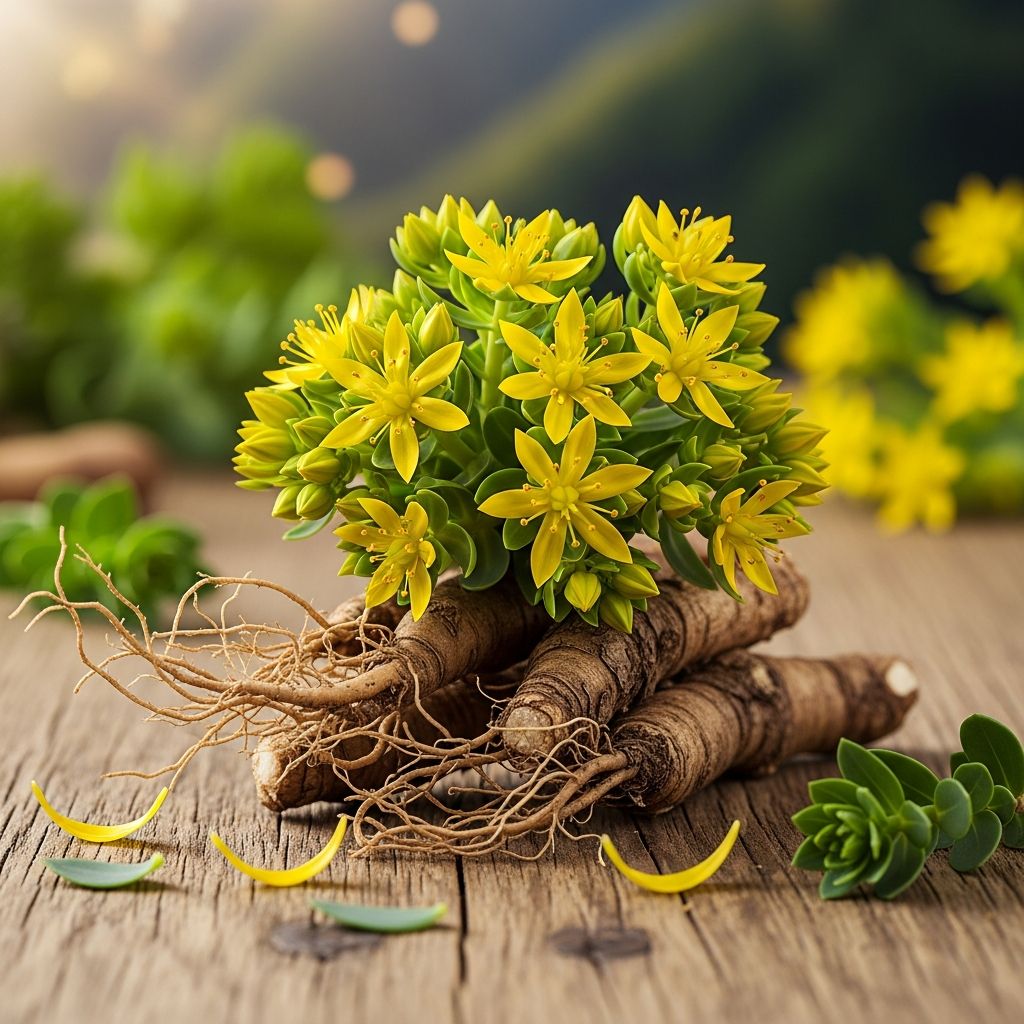
Rhodiola rosea, commonly known as golden root or arctic root, is an adaptogenic herb traditionally used in Russia and Scandinavia to combat fatigue, enhance mental performance, and improve resilience to stress. Modern research supports its role in modulating the body’s stress response, reducing fatigue, and boosting cognitive and physical functions. This article examines the key benefits, mechanisms, dosage recommendations, potential side effects, and usage guidelines based on clinical evidence.
What Is Rhodiola?
Rhodiola rosea is a perennial flowering plant that thrives in cold, high-altitude regions of Europe and Asia. It has been used for centuries in traditional medicine to increase energy, endurance, strength, and mental capacity. As an adaptogen, it helps the body resist physical, chemical, and biological stressors by normalizing functions in multiple systems, particularly the hypothalamic-pituitary-adrenal (HPA) axis, which regulates cortisol and other stress hormones.
The herb contains active compounds like rosavins and salidroside, which contribute to its antioxidant, anti-inflammatory, and neuroprotective effects. These compounds enhance neurotransmitter activity, including serotonin, dopamine, and norepinephrine, promoting mood stability and focus. Unlike stimulants, rhodiola supports homeostasis without causing crashes or dependency.
5 Evidence-Based Benefits of Rhodiola
1. Fights Fatigue
Chronic fatigue from stress, poor sleep, or burnout affects millions. Rhodiola significantly alleviates these symptoms. In a study of 100 individuals with chronic fatigue, 400 mg daily for 8 weeks improved stress symptoms, fatigue, quality of life, mood, and concentration, with benefits noticeable after just one week.
Another trial with 60 patients experiencing stress-related fatigue showed a 30% reduction in symptoms after four weeks of 576 mg/day, outperforming placebo. Among 1,100 participants in an observational study, rhodiola reduced exhaustion, irritability, and concentration issues within three days. These rapid effects make it ideal for high-stress professions like nursing or military service.
2. Reduces Stress and Burnout
Rhodiola’s adaptogenic properties help decrease stress by balancing cortisol levels and enhancing HPA axis function. A 12-week study of 118 people with burnout found 400 mg daily improved stress, depression, and related symptoms, with the most gains in the first week.
It also eases anxiety by promoting neurotransmitter balance and reducing oxidative stress. In occupational stress trials, participants reported better well-being and lower stress hormones, particularly in mild cases. This positions rhodiola as a natural alternative for managing everyday stressors without sedation.
3. Improves Cognitive Function
Rhodiola enhances memory, focus, and mental performance under stress. A review of 36 animal studies linked it to better learning and memory. In sleep-deprived military cadets (n=161), it improved reaction time, accuracy, and recall. Night-shift physicians saw gains in associative thinking, calculation speed, and short-term memory.
Research on ADHD and attention conditions shows positive impacts by reducing fatigue-related cognitive decline. A single dose shortened reaction times in young men, boosting antioxidant activity. These benefits stem from neuroprotection and increased brain energy metabolism.
4. Lifts Mood and Eases Mild Depression
By influencing serotonin, dopamine, and norepinephrine, rhodiola combats mild depression and anxiety. Studies report mood improvements, especially alongside fatigue reduction. In burnout patients, depression symptoms decreased significantly.
Related Stories



It’s more effective for mild symptoms than severe psychiatric conditions, offering a supportive role in mood management. Animal studies confirm antidepressant effects, suggesting potential for human cognition and mood disorders.
5. Boosts Exercise Performance
Athletes use rhodiola for stamina and endurance. It decreases perceived exertion, allowing harder training with less fatigue. Studies show improved physical performance, reaction time, and antioxidant protection during exercise.
In young men, it enhanced response times without affecting overall endurance but reduced effort sensation. This makes it valuable for high-intensity or prolonged activities.
Other Potential Benefits
Emerging research suggests additional uses:
- Diabetes Management: Salidroside protects against high blood sugar and kidney damage in rats, warranting human trials. Consult a doctor if diabetic.
- Anticancer Properties: In vitro studies show salidroside inhibits lung, bladder, and colon cancer cell growth. Human evidence is lacking.
- Anti-Aging and Immunity: Antioxidant effects, DNA repair, and immunostimulation combat aging and inflammation.
- Altitude Sickness and Cholesterol: Traditional uses include reducing symptoms and high cholesterol.
How to Take Rhodiola
Standard doses range from 200-600 mg daily of standardized extract (3% rosavins, 1% salidroside). Take in the morning or early afternoon to avoid sleep interference. Cycle use (e.g., 6-12 weeks on, 2 weeks off) to prevent tolerance.
| Form | Dosage | Best Time | Notes |
|---|---|---|---|
| Capsules/Extract | 200-600 mg | Morning | Standardized to rosavins/salidroside |
| Tea/Tincture | 1-3 g root | Morning | Less potent; brew 10-15 min |
| Pre-Workout | 200-400 mg | 30-60 min before | Enhances performance |
Start low and increase gradually. Combine with lifestyle changes for best results.
Side Effects and Precautions
Rhodiola is generally safe, with mild side effects like dry mouth, dizziness, or excessive saliva in rare cases. Avoid if bipolar, as it may trigger mania. Not recommended during pregnancy, breastfeeding, or with certain antidepressants (e.g., SSRIs) due to serotonin interactions.
High doses (>680 mg) may cause agitation. Consult a healthcare provider, especially with medications or conditions. Quality varies; choose third-party tested products.
Frequently Asked Questions (FAQs)
What is rhodiola rosea good for?
Rhodiola is primarily used for reducing stress, fatigue, and burnout; improving cognitive function, mood, and exercise performance.
Can rhodiola help with anxiety?
Yes, it reduces anxiety symptoms by balancing stress hormones and neurotransmitters, especially in mild cases.
Does rhodiola give you energy?
It boosts mental and physical energy without jitters by combating fatigue and enhancing stamina.
Is rhodiola safe long-term?
Short-term use (up to 12 weeks) is safe; cycle to avoid tolerance. Monitor for interactions.
How long does rhodiola take to work?
Benefits often appear within 1-3 days for stress/fatigue, up to 1-4 weeks for mood/cognition.
Rhodiola rosea stands out as a versatile adaptogen with robust evidence for stress management and performance enhancement. While promising for other areas, more human trials are needed. Incorporate it mindfully as part of a holistic wellness approach.
References
- Health Benefits of Rhodiola — WebMD. 2024. https://www.webmd.com/diet/health-benefits-rhodiola
- Rhodiola Rosea: Evidence-Based Health Benefits and Clinical Insights — News-Medical.net. 2024. https://www.news-medical.net/health/Rhodiola-Rosea-Evidence-Based-Health-Benefits-and-Clinical-Insights.aspx
- 7 Proven Health Benefits of Rhodiola Rosea — Healthline. 2024-08-14. https://www.healthline.com/nutrition/rhodiola-rosea
- Rhodiola — Merck Manuals. 2024. https://www.merckmanuals.com/home/special-subjects/dietary-supplements-and-vitamins/rhodiola
- Rhodiola rosea L.: an herb with anti-stress, anti-aging, and immunostimulating properties — NIH/PMC. 2018-10-08. https://pmc.ncbi.nlm.nih.gov/articles/PMC6208354/
Similar Articles








Read full bio of Sneha Tete