Rhodiola Rosea: 7 Key Benefits, Uses, Dosage, And Safety
Comprehensive guide to rhodiola's benefits, uses, safety profile, and scientific evidence.
Understanding Rhodiola: An Adaptogenic Herb
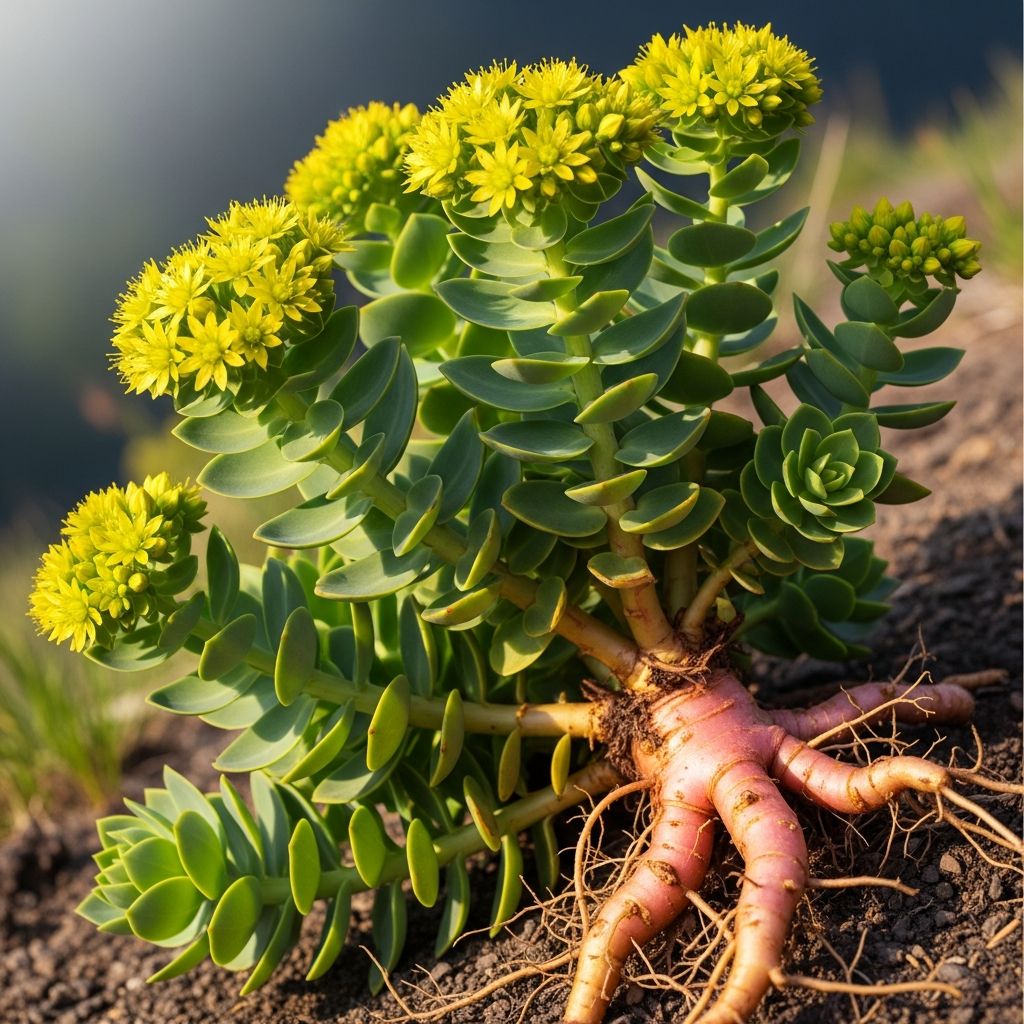
Rhodiola rosea, commonly known as golden root, arctic root, roseroot, or king’s crown, is a flowering plant native to cold regions of Europe and Asia. This adaptogenic herb has been traditionally used in Scandinavian and Russian folk medicine for centuries to enhance physical and mental performance, combat fatigue, and manage stress-related conditions. Today, rhodiola is promoted as a dietary supplement for improving athletic performance, enhancing mood and cognition, increasing energy levels, and reducing stress across North America, Europe, and Asia.
As an adaptogen, rhodiola functions as a non-toxic herbal product that produces non-specific physiological responses and has a normalizing influence on the body’s systems. This means rhodiola can help increase the body’s physical and mental resistance while normalizing various functions. The herb’s primary bioactive compounds include rosavins (approximately 3%) and salidroside (approximately 1%), which are responsible for most of its beneficial effects.
Key Active Compounds and Mechanisms
Rhodiola’s therapeutic properties stem from its complex mixture of bioactive compounds. The two most extensively studied components are rosavin and salidroside, which work through different physiological pathways to produce the herb’s effects.
Rosavin, the most active compound in rhodiola, has been shown to trigger fat-burning responses and influence various metabolic pathways. Salidroside, conversely, is a water-soluble compound with high bioavailability through oral administration that concentrates in urine through kidney excretion. Research indicates that rhodiola rosea extracts activate the mTOR pathway, stimulate paracrine function, and promote neovascularization by inhibiting PHD3 and stabilizing HIF-1α proteins in skeletal muscles during normal physiological functions.
For normal cells, rhodiola demonstrates immunostimulating activity and anti-inflammatory functions both in laboratory settings and in animal models, supporting its use for general health maintenance and recovery. The herb also exhibits acetylcholine-protective and antioxidant activities that may help maintain brain health over time and fight age-related cognitive decline.
Stress Reduction and Mental Health Benefits
One of the primary uses of rhodiola is stress management and mood support. Research suggests that rhodiola rosea may help reduce stress, treat anxiety and depression, and improve overall mental well-being. The herb works by modulating stress hormones that may diminish cognitive function, optimizing brain chemicals such as norepinephrine, dopamine, and serotonin.
By normalizing cortisol levels—the body’s primary stress hormone—rhodiola may reduce cravings for unhealthy comfort foods and help prevent stress-related weight gain, particularly in the abdominal area. Furthermore, chronic rhodiola supplementation provides protective effects for brain chemistry, helping to sustain acetylcholine and other neurotransmitters critical for mental clarity and emotional balance.
Studies have demonstrated that rhodiola can help reduce anxiety and stress levels while simultaneously addressing depressive symptoms. The herb’s ability to optimize multiple neurotransmitter systems makes it a versatile option for individuals experiencing stress-related mood disturbances.
Cognitive Function and Memory Enhancement
Beyond stress management, rhodiola demonstrates significant benefits for cognitive performance and brain health. The herb supplies multiple neuroprotective bioactivities that help protect and nourish the brain for long-range health benefits. Rhodiola may help improve memory and learning, making it particularly useful for individuals seeking cognitive enhancement or those concerned about age-related mental decline.
Related Stories



The mechanism behind these cognitive benefits involves rhodiola’s influence on brain chemical balance. By optimizing neurotransmitter levels and providing antioxidant protection, rhodiola helps maintain the neural infrastructure necessary for optimal mental function. This makes the herb valuable not only for acute cognitive demands but also for sustained brain health throughout the aging process.
Athletic Performance and Physical Endurance
Athletes and fitness enthusiasts commonly use rhodiola supplementation to enhance physical performance, reduce fatigue, and improve endurance. Research published in the International Journal of Sports Nutrition and Exercise Metabolism has shown that rhodiola possesses anti-inflammatory benefits that aid rapid recovery of muscles and improve endurance capacity.
Rhodiola may help increase stamina and endurance by increasing red blood cell count and lowering oxidative damage. Red blood cells carry oxygen to muscles, and a higher count can dramatically improve athletic performance and help delay fatigue. The herb accomplishes this by boosting erythropoietin (EPO), a hormone that stimulates red blood cell production.
Animal studies have demonstrated compelling results, with research finding that supplementing with rhodiola could increase endurance by allowing animals to swim 25 percent longer. These improvements occur because rhodiola increases the synthesis of ATP (adenosine triphosphate), which is essential for cellular energy production. This mechanism explains why athletes often experience improved performance and faster recovery when using rhodiola supplements.
Additional Health Benefits
Beyond stress management, cognitive enhancement, and athletic performance, rhodiola rosea demonstrates a wide variety of medicinal properties. Scientific research has revealed that rhodiola exhibits anti-aging, anti-inflammatory, antioxidant, anti-viral, and anti-cancer effects, as well as increasing immunity, enhancing DNA repair, and modulating adaptation to hypoxia and angiogenesis.
Preliminary studies have also suggested potential benefits for metabolic health. The salidroside compound in rhodiola has been shown to help protect against diabetes and diabetic nephropathy (kidney disease) in rat studies. While these studies were performed in animals and results cannot yet be generalized to humans, they represent compelling reasons to investigate rhodiola’s effects on diabetes and metabolic disorders in human populations.
Additionally, salidroside can function to have vaccine adjuvant effects, suggesting potential immunological applications. These diverse benefits position rhodiola as a multifunctional adaptogen with applications across numerous health domains.
Forms and Dosage Recommendations
Rhodiola rosea is available in several supplement forms, each offering different advantages for users:
- Capsules and Tablets: The most convenient and commonly used form, typically containing standardized extracts with specific concentrations of active compounds.
- Root Extract Powder: Rhodiola rosea root extract powder is commonly available as a dietary supplement, allowing users to customize dosing and mix with beverages.
- Tincture: A liquid extract that provides a concentrated dose of rhodiola’s beneficial compounds, typically taken by adding a few drops to water or juice.
When selecting a rhodiola supplement, consumers should look for products standardized to contain specific percentages of active compounds. The optimal formulation includes approximately 3% rosavins and 1% salidroside, often labeled as SHR-5 extract or equivalent extracts like WS1375.
The recommended supplemental dose of rhodiola rosea extract ranges from 250 to 700 milligrams total per day, typically divided into one to two doses. Most clinical studies have used approximately 350 to 1500 milligrams daily, with some research suggesting that smaller dosages (around 50 mg) are more stimulating than larger doses. Individual needs may vary based on age, health status, and specific health goals, so consulting with a healthcare provider can help determine the optimal dosage for your situation.
Safety and Side Effects
Rhodiola rosea is generally well-tolerated and considered safe for most people when used at recommended doses. The herb is unlikely to cause significant side effects in normal use, making it a favorable option compared to many pharmaceutical alternatives.
However, some individuals may experience temporary mild side effects, including dry mouth or dizziness. These effects are typically minor and may resolve as the body adjusts to supplementation. Individuals sensitive to stimulating compounds should be aware that rhodiola can have stimulating properties, particularly at higher doses or when combined with other stimulating substances.
Special considerations apply to certain populations. Individuals with diabetes who wish to take rhodiola supplements should consult with their dietitian or doctor first, as the herb may influence blood sugar regulation. Similarly, those taking medications for mood disorders, blood pressure, or other conditions should discuss rhodiola supplementation with their healthcare provider to ensure no interactions occur.
Scientific Evidence and Research Status
The scientific investigation of rhodiola has expanded significantly in recent years, with researchers exploring its mechanisms of action and therapeutic applications. While much of the current knowledge about rhodiola’s mechanisms derives from studies of salidroside, the compound produces different effects depending on the target tissue. In cancer cells, rhodiola extracts and salidroside inhibit the mTOR pathway and angiogenesis while down-regulating HIF-1α and HIF-2α expression. In contrast, these same compounds stimulate these pathways in normal cells, supporting healthy physiological function.
Research continues to validate traditional uses while uncovering new potential applications. Ongoing studies are investigating rhodiola’s effectiveness for specific conditions, including its role in managing mental health disorders, optimizing athletic performance, and potentially preventing or treating metabolic diseases. The expanding body of evidence supports rhodiola’s reputation as a versatile adaptogen with broad applications for health and wellness.
How Rhodiola Works: The Adaptogenic Model
Rhodiola functions as an adaptogen, meaning it helps the body adapt to stress while promoting a return to normal physiological function. Unlike stimulants that push the body into heightened states, adaptogens like rhodiola work by normalizing stress responses and supporting the body’s natural resilience mechanisms.
The adaptogenic model suggests that rhodiola can help raise low blood pressure into normal range or lower elevated blood pressure, balance blood sugar levels, and normalize other out-of-range physiological functions. This normalization effect distinguishes rhodiola from single-purpose supplements and explains its utility across diverse health applications. By supporting the body’s inherent ability to maintain balance, rhodiola promotes sustainable improvements in health and well-being.
Frequently Asked Questions
Q: What is rhodiola rosea, and where does it come from?
A: Rhodiola rosea is a flowering plant native to cold regions of Europe and Asia. Also known as golden root, arctic root, roseroot, or king’s crown, it has been used for centuries in Scandinavian and Russian folk medicine to enhance physical and mental performance and combat stress.
Q: What are the main active compounds in rhodiola?
A: The primary bioactive compounds are rosavin (approximately 3%) and salidroside (approximately 1%). These compounds are responsible for most of rhodiola’s beneficial effects on physical and mental health.
Q: What is the recommended dosage for rhodiola supplements?
A: The recommended supplemental dose ranges from 250 to 700 milligrams total per day, typically divided into one to two doses. Most clinical studies have used approximately 350 to 1500 milligrams daily.
Q: Is rhodiola safe to use, and what side effects might occur?
A: Rhodiola is generally well-tolerated and safe when used at recommended doses. Minor temporary side effects may include dry mouth or dizziness. Those with diabetes or taking medications should consult their healthcare provider before use.
Q: Can rhodiola improve athletic performance?
A: Yes, research suggests rhodiola can enhance athletic performance by increasing red blood cell count, improving oxygen delivery to muscles, reducing fatigue, and supporting rapid muscle recovery through its anti-inflammatory properties.
Q: How does rhodiola help with stress and anxiety?
A: Rhodiola works by modulating stress hormones and optimizing brain chemicals such as dopamine, serotonin, and norepinephrine. It also helps normalize cortisol levels, reducing stress-related symptoms and promoting emotional balance.
Q: What forms of rhodiola are available?
A: Rhodiola is available as capsules, tablets, root extract powder, and tinctures. Capsules and tablets are the most convenient forms, while powders and tinctures offer flexibility in dosing and administration.
References
- Rhodiola rosea L.: an herb with anti-stress, anti-aging, and immune-enhancement properties for cancer chemoprevention — National Center for Biotechnology Information (NCBI). 2018-09-20. https://pmc.ncbi.nlm.nih.gov/articles/PMC6208354/
- Rhodiola: Usefulness and Safety — National Center for Complementary and Integrative Health (NCCIH), National Institutes of Health. 2024. https://www.nccih.nih.gov/health/rhodiola
- Rhodiola Rosea Benefits, Dosage and Side Effects — Dr. Axe. 2024. https://draxe.com/nutrition/rhodiola-rosea/
- 7 Proven Health Benefits of Rhodiola Rosea — Healthline Media. 2024. https://www.healthline.com/nutrition/rhodiola-rosea
- Rhodiola rosea: Benefits, side effects, and safety — Medical News Today. 2023. https://www.medicalnewstoday.com/articles/319619
- What is Rhodiola Rosea: Benefits, Risks, How to use — We Are Feel. 2025. https://wearefeel.com/en-us/blogs/learn/what-is-rhodiola-rosea-benefits-risks-how-to-use-nutritionist-reviewed
Similar Articles








Read full bio of medha deb