Rhubarb Benefits: 9 Science-Backed Reasons For Better Health
Discover the impressive health benefits of rhubarb, from boosting bone health and digestion to fighting inflammation and supporting heart health.
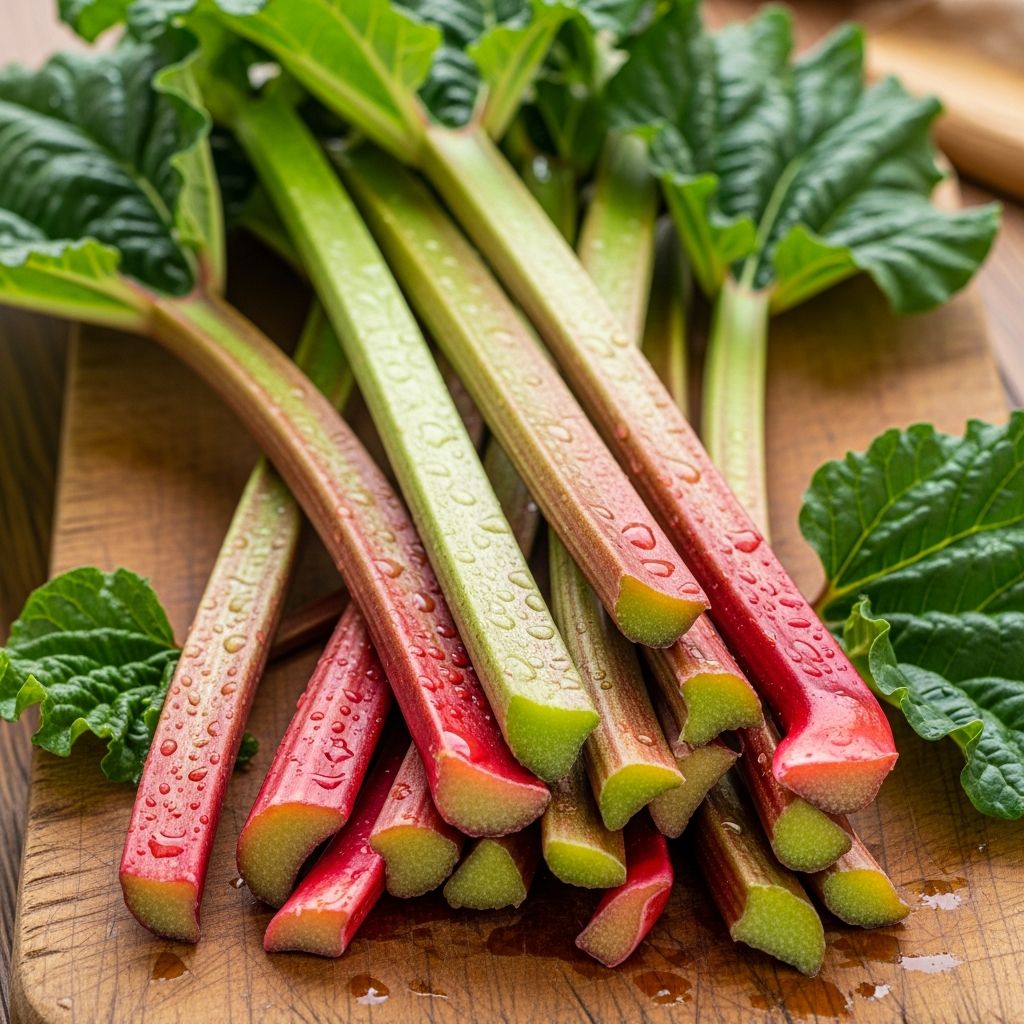
Rhubarb, often treated as a fruit in culinary dishes but technically a vegetable, delivers a tart flavor and substantial nutritional profile. Its stalks are packed with vitamins, minerals, fiber, and potent antioxidants that contribute to various health improvements, including digestive wellness, bone strength, and cardiovascular support.
What Is Rhubarb?
Rhubarb (Rheum rhabarbarum) is a perennial plant native to Siberia and thriving in cooler climates. Only the vibrant red or green stalks are edible; leaves contain toxic oxalic acid and must be discarded. Traditionally used in pies and jams, rhubarb’s medicinal history spans centuries, particularly in Chinese medicine for its purgative and anti-inflammatory effects. Modern research highlights its bioactive compounds like anthraquinones, tannins, and anthocyanins.
Rhubarb Nutrition Facts
A 1-cup (122g) serving of raw rhubarb stalks provides just 21 calories, making it ideal for low-calorie diets. Key nutrients include:
- Vitamin K: 37% DV, crucial for blood clotting and bone metabolism.
- Vitamin C: 13% DV, supporting immunity and skin health.
- Fiber: 9% DV (2.2g), promoting satiety and gut health.
- Potassium: 6% DV, aiding blood pressure regulation.
- Calcium: 7% DV, for bone support.
- Antioxidants: Anthocyanins and proanthocyanidins, fighting oxidative stress.
Rhubarb is low in sugar (1.1g per cup) and fat-free, with prebiotic fibers that nourish gut bacteria. Cooking softens its texture and enhances nutrient bioavailability.
Potential Health Benefits of Rhubarb
1. Improves Bone Health
Rhubarb’s high
vitamin K
content supports bone mineralization and reduces osteoporosis risk by activating osteocalcin, a protein that binds calcium to bones. One cup delivers nearly half the daily requirement. Calcium and magnesium further bolster skeletal strength. Studies link vitamin K intake to higher bone density, particularly in postmenopausal women.2. Promotes Healthy Digestion
The soluble and insoluble fiber in rhubarb (pectin and cellulose) adds bulk to stool, preventing constipation while sennosides act as gentle laxatives. Tannins provide anti-diarrheal effects, balancing gut motility. Rhubarb regulates gut microbiota, boosting beneficial Firmicutes and Bifidobacteria while curbing pathogens like Escherichia coli. This restores Th17/Treg balance, aiding conditions like ulcerative colitis. It protects the intestinal barrier by promoting goblet cell proliferation and mucus production.
3. May Help Lower Cholesterol Levels
Rhubarb fiber binds bile acids in the gut, forcing the liver to use circulating cholesterol to produce more, thus reducing LDL (bad) cholesterol. Compounds like resveratrol and emodin regulate lipid metabolism. Clinical reviews confirm lowered total and LDL cholesterol, cutting heart disease risk. Anti-inflammatory antioxidants prevent arterial calcification.
4. Packed With Antioxidants
Anthocyanins (red pigments) and proanthocyanidins neutralize free radicals, mitigating oxidative stress linked to aging, cancer, and chronic diseases. These exhibit anti-bacterial, anti-inflammatory, and anti-cancer properties. Rhubarb’s antioxidants rival berries, protecting cells and reducing inflammation markers like TNF-α and IL-6.
5. Fights Inflammation
Rhubarb extracts inhibit pro-inflammatory cytokines (IL-6, TNF-α) and pathways like NF-κB. In sepsis and SIRS patients, it lowers CRP, complement levels, and mucosal permeability, preventing bacterial translocation. Wound healing accelerates due to reduced swelling. Traditional uses for fibrosis and liver inflammation are supported by modern studies.
6. Supports Heart Health
Potassium balances sodium for blood pressure control, while fiber and antioxidants combat plaque buildup. Vitamin K prevents vascular calcification. Combined, these lower cardiovascular risks.
Related Stories



7. May Aid Cancer Prevention
Antioxidants and anthraquinones induce apoptosis in cancer cells and inhibit tumor growth. Population studies associate high intake with reduced colorectal cancer risk via fiber. More human trials needed.
8. Regulates Blood Sugar and Gut Microbiota
Prebiotic fibers slow carb absorption, stabilizing glucose. Rhubarb modulates microbiota diversity, enhancing metabolic homeostasis and immunity.
9. Potential in Chronic Conditions
In renal failure, rhubarb curbs fibrosis and toxin buildup. It alleviates sepsis symptoms, heatstroke inflammation, and liver issues via anti-fibrotic and detox effects.
Rhubarb Benefits Table
| Benefit | Key Nutrients/Compounds | Supporting Evidence |
|---|---|---|
| Bone Health | Vitamin K, Calcium | 37% DV vitamin K per cup; activates osteocalcin |
| Digestion | Fiber, Sennosides, Tannins | Laxative & anti-diarrheal; microbiota regulation |
| Cholesterol Control | Fiber, Emodin, Resveratrol | Lowers LDL; bile acid binding |
| Antioxidant Protection | Anthocyanins, Proanthocyanidins | Free radical scavenging |
| Anti-Inflammatory | Anthraquinones | Reduces cytokines in sepsis |
Potential Downsides of Rhubarb
Oxalate content (high in leaves, moderate in stalks) risks kidney stones in prone individuals; limit to 1-2 servings daily. Excessive intake causes diarrhea from anthraquinones. Avoid raw in large amounts due to tannins’ bitterness. Not for pregnant/nursing women or those with oxalate issues/kidney disease without doctor approval. Interacts with blood thinners (vitamin K), diuretics, and laxatives.
How to Eat Rhubarb Safely
- Cook thoroughly: Boiling/steaming reduces oxalates by 30-87%.
- Pair with dairy: Calcium binds oxalates, improving absorption.
- Moderation: 1-2 cups/week for most adults.
- Wash & trim: Remove leaves and tough ends.
Healthy Rhubarb Recipes
Rhubarb Compote
Simmer 4 cups chopped stalks with ¼ cup honey, 1 tsp ginger, lemon juice for 10 min. Serve over yogurt (antioxidant boost).
Rhubarb Smoothie
Blend cooked rhubarb, banana, spinach, almond milk. Fiber-rich breakfast.
Roasted Rhubarb Salad
Roast with olive oil; toss with greens, feta, nuts for heart-healthy side.
Rhubarb Tea
Steep chopped stalks for soothing digestive drink.
Incorporate into oatmeal, chutneys, or sorbets for variety.
Frequently Asked Questions (FAQs)
Is rhubarb good for you?
Yes, rhubarb supports digestion, bones, heart health via fiber, vitamins, and antioxidants, but consume moderately due to oxalates.
Are rhubarb leaves edible?
No, leaves are toxic from high oxalic acid; only stalks are safe.
Does rhubarb lower cholesterol?
Yes, fiber and compounds like emodin reduce LDL levels per studies.
Can rhubarb help with constipation?
Absolutely; fiber and sennosides promote regularity without harsh effects.
Is rhubarb keto-friendly?
Low-carb (2.7g net carbs/cup), yes for keto in small portions.
Who should avoid rhubarb?
Those with kidney stones, gout, or on warfarin; consult a doctor.
References
- Health Benefits of Rhubarb — WebMD. 2023. https://www.webmd.com/diet/health-benefits-rhubarb
- What we already know about rhubarb: a comprehensive review — PMC (National Library of Medicine). 2020-08-19. https://pmc.ncbi.nlm.nih.gov/articles/PMC7448319/
- Rhubarb – nutritional values and calories — Liebherr (FreshMAG). 2023. https://www.liebherr.com/en-us/refrigerators-freezers/freshmag/food-a-z/rhubarb-7830682
- Rhubarb: Nutrition, Benefits, and More — Healthline. 2023. https://www.healthline.com/nutrition/rhubarb
- Health benefits of rhubarb and how to uniquely include it in your diet — Fox News. 2023. https://www.foxnews.com/health/health-benefits-rhubarb
- Health Benefits of Rhubarb — American Institute for Cancer Research (AICR). 2023. https://www.aicr.org/resources/blog/health-benefits-of-rhubarb/
Similar Articles








Read full bio of Sneha Tete