Rhus Tree Dermatitis: Guide To Symptoms, Treatment & Prevention
Learn about the Rhus tree (Toxicodendron succedaneum), its severe allergic skin reactions, identification, prevention, and effective treatments.
Toxicodendron succedaneum
The Rhus tree, scientifically known as Toxicodendron succedaneum, is an invasive species notorious for inducing severe allergic contact dermatitis in humans. Native to East Asia, it has become a widespread problem in New Zealand and Australia, where it thrives in urban and rural environments. All parts of the plant—leaves, stems, roots, flowers, fruits, and even smoke from burning foliage—contain the potent allergen urushiol, an oleoresin that triggers intense immune responses upon contact. This oil penetrates the skin rapidly, binding to proteins and sensitizing T-lymphocytes, leading to delayed hypersensitivity reactions that can persist for weeks. Sensitivity increases with repeated exposures, affecting up to 70-85% of the population, with some individuals developing lifelong hypersensitivity. Early recognition and decontamination are critical to mitigate outbreaks, which often present as linear vesicular eruptions mimicking other dermatoses.
What is the Rhus tree?
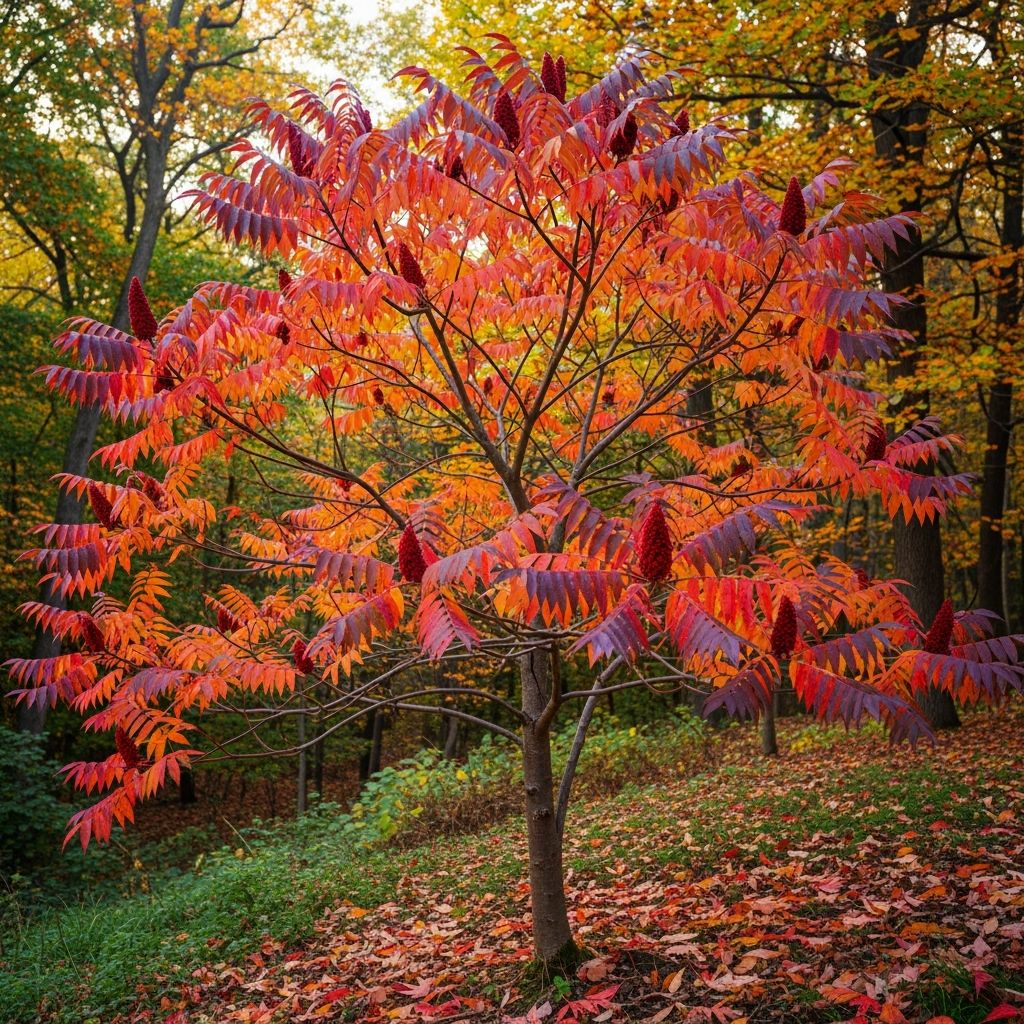
The Rhus tree, commonly called the ‘tahuri’ or wax tree, belongs to the Anacardiaceae family, which includes other notorious allergens like poison ivy (Toxicodendron radicans), poison oak (Toxicodendron diversilobum), and poison sumac (Toxicodendron vernix). These plants share the toxic catechol urushiols, viscous oils that cause rhus dermatitis—an intensely pruritic, eczematous reaction. T. succedaneum was introduced to New Zealand as an ornamental in the 1800s but has since invaded forests, roadsides, and gardens, growing up to 10 meters tall with glossy trifoliate leaves that turn vibrant red in autumn. The plant’s sap oxidizes to black on exposure to air, leaving characteristic lacquer-like marks on skin or tools. Unlike true Rhus species (e.g., sumac fruit used in spices), Toxicodendron spp. are highly allergenic due to pentadecylcatechols in urushiol, which penetrate intact skin within minutes and remain viable on surfaces for years.
Who is at risk of Rhus dermatitis?
Anyone can develop sensitivity to Rhus tree allergens, but risk escalates with occupational exposure among gardeners, arborists, farmers, and outdoor workers. Children playing near infested areas and homeowners trimming hedges are also vulnerable. Initial contact may not provoke a reaction, but subsequent exposures heighten sensitivity; after two to three encounters, 50-75% of people react severely. Genetic predisposition plays a role, with atopic individuals at higher risk. Airborne urushiol from burning plants affects the face and mucous membranes, causing dramatic periorbital edema. Pets can transfer oil via fur, indirectly exposing owners. In New Zealand, autumn leaf-fall scatters urushiol-laden debris, spiking cases. Globally, 15-30% remain non-responsive, while 25% experience extreme symptoms.
- Gardeners and landscapers: Direct handling of branches and leaves.
- Outdoor workers: Exposure during clearing or burning.
- Children and families: Contact in parks or backyards.
- Pet owners: Secondary transfer from animal fur.
- Sensitive individuals: Worsening reactions over time.
Clinical features of Rhus dermatitis
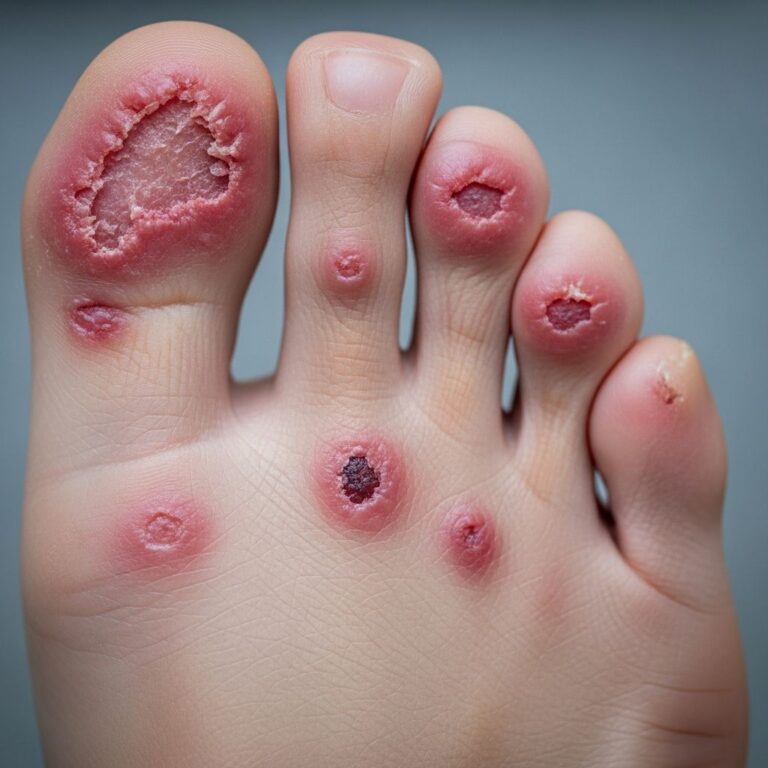
Symptoms emerge 8-48 hours post-exposure (up to 5 days in non-sensitized individuals), starting with mild warmth and itching that escalates to unbearable pruritus. Characteristic linear erythematous streaks follow contact patterns, evolving into papules, vesicles, and bullae filled with clear fluid (non-contagious). Weeping lesions crust over, with swelling prominent on face, genitals, and extremities. Severe cases feature marked edema, especially eyelids, and black lacquer marks from oxidized urushiol. Reactions spread over 1-3 weeks as less contaminated areas react delayedly. Systemic symptoms like fever or lymphadenopathy occur rarely but signal complications.
| Stage | Timeline | Symptoms |
|---|---|---|
| Early (8-24h) | 8-24 hours | Mild itch, faint redness, warmth. |
| Peak (24-72h) | 24-72 hours | Linear streaks, vesicles, intense pruritus, swelling. |
| Resolution | 1-3 weeks | Crusting, desquamation, post-inflammatory hyperpigmentation. |
Diagnosis
Diagnosis relies on history of exposure and classic linear vesicular dermatitis. Patch testing with diluted urushiol confirms sensitivity but risks iatrogenic flares. Differential includes contact dermatitis (e.g., nickel), phytophotodermatitis, or cellulitis. Black lacquer marks and autumn timing in endemic areas clinch it. Biopsy shows spongiotic vesicles with lymphocytic infiltrate, but is seldom needed.
Treatment of Rhus dermatitis
Immediate decontamination is paramount: rinse with cool soapy water (dish soap or alcohol preferred) within 10-15 minutes using friction to remove 50-80% of urushiol. Hot water worsens spread by dilating pores. Symptom management includes:
Related Stories



- Cool compresses: 15-30 min, 3-4x daily with Burow’s solution or tap water for edema and blisters.
- Topicals: Calamine, colloidal oatmeal baths; medium-potency steroids (e.g., group II-V) post-compresses. Weaker for eyelids.
- Oral: Antihistamines (hydroxyzine bedtime) for pruritus; severe cases require prednisone 0.75-1 mg/kg tapered over 2-3 weeks (short courses fail).
Barrier creams like Ivy Block prevent if applied pre-exposure.
Prevention
Avoidance is key: learn identification (trifoliate leaves, red fall color), wear protective gear, decontaminate pets/tools promptly. Barrier creams (bentoquatam) reduce severity by 60%. Eradicate via herbicides or mechanical removal by professionals. Educate on smoke hazards.
Further reading and references
For more: poison ivy resources from CDC or dermatology texts.
Frequently asked questions
What does Rhus tree look like?
Deciduous tree to 10m with glossy green trifoliate leaves (3 leaflets), inconspicuous flowers, red berries, and fiery autumn foliage.
How soon after touching Rhus tree does the rash appear?
Typically 24-48 hours; sensitized individuals as early as 5 hours.
Can you get Rhus dermatitis from pets?
Yes, urushiol clings to fur; bathe pets immediately.
Does the fluid from blisters spread the rash?
No, it lacks urushiol; new lesions reflect prior exposures.
How long does Rhus dermatitis last?
10 days to 3 weeks with treatment; longer untreated.
References
- Rhus dermatitis (poison ivy, poison oak, poison sumac) — ClinicalGate. 2015. https://clinicalgate.com/rhus-dermatitis-poison-ivy-poison-oak-poison-sumac/
- Stop Rhus Dermatitis Fast: Evidence-Based Treatment — HarlanMD. 2023. https://harlanmd.com/blogs/smartlotion-blog/prevention-and-treatment-of-rhus-dermatitis-and-other-weed-allergies
- Toxicodendron Contact Dermatitis: A Case Report and Brief Review — PMC (NCBI). 2020-12-01. https://pmc.ncbi.nlm.nih.gov/articles/PMC7733371/
- Rhus tree (Toxicodendron succedaneum) — NSW Department of Primary Industries (dpi.nsw.gov.au). 2024. https://weeds.dpi.nsw.gov.au/Weeds/Rhustree
- Urushiol-induced contact dermatitis — Wikipedia (informed by primary sources). 2024. https://en.wikipedia.org/wiki/Urushiol-induced_contact_dermatitis
Similar Articles








Read full bio of medha deb